Counterfeit documents cost institutions more than money—they erode trust, create compliance exposure, and can put public safety at risk. Holographic overlays offer a fast, visible way to raise the barrier for fraud without rebuilding your entire issuance system. In this guide, you’ll learn what they are, why security teams choose them, and how to specify and procure overlays that match your document and your budget.
What Is a Holographic Overlay?
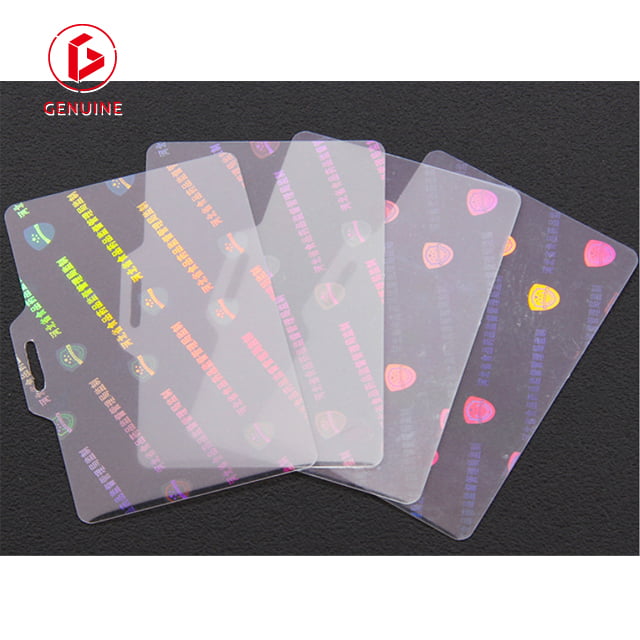
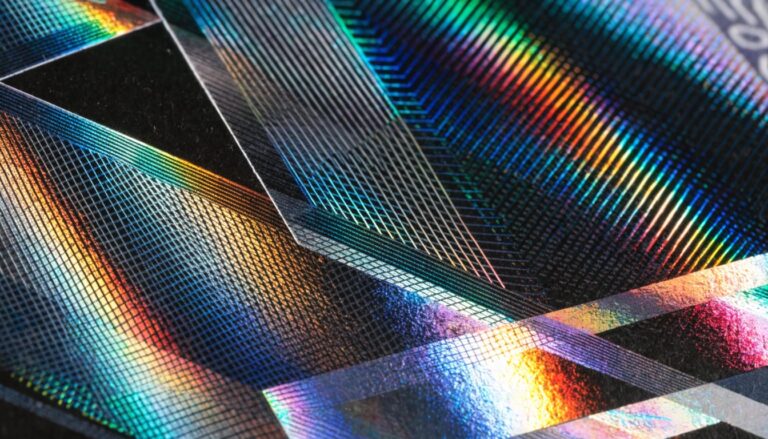
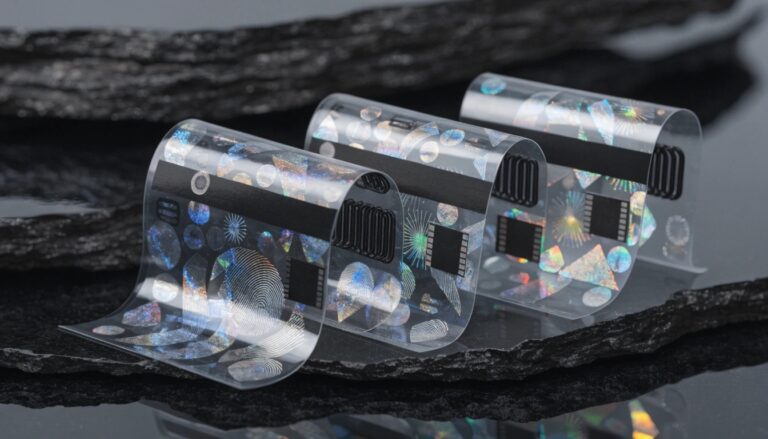
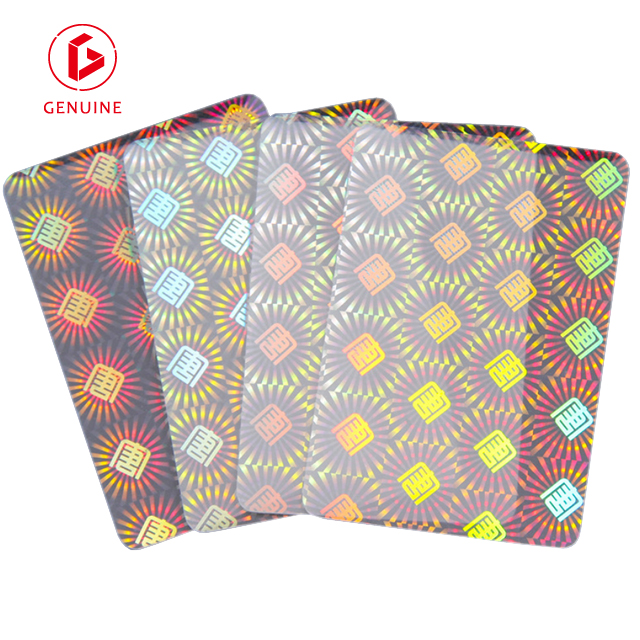
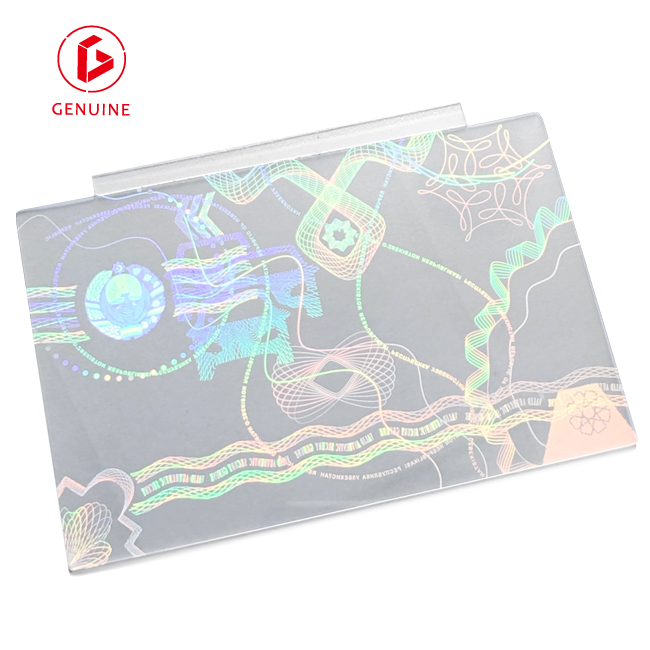
A holographic overlay is a thin, transparent film—usually polyester (PET)—that carries a pre-embossed holographic pattern. When laminated or heat-transferred onto a card, certificate, or passport page, the diffractive surface shifts color and depth as the document is tilted, making the security feature easy to verify but extremely hard to copy.
Unlike printed graphics, which sit on the surface and can be scanned or photographed, the hologram is a physical micro-relief structure created during the origination process. Attempting to peel the overlay away typically destroys it, giving you both authentication and tamper-evidence in one layer.
Why Document Security Teams Choose Holographic Overlays
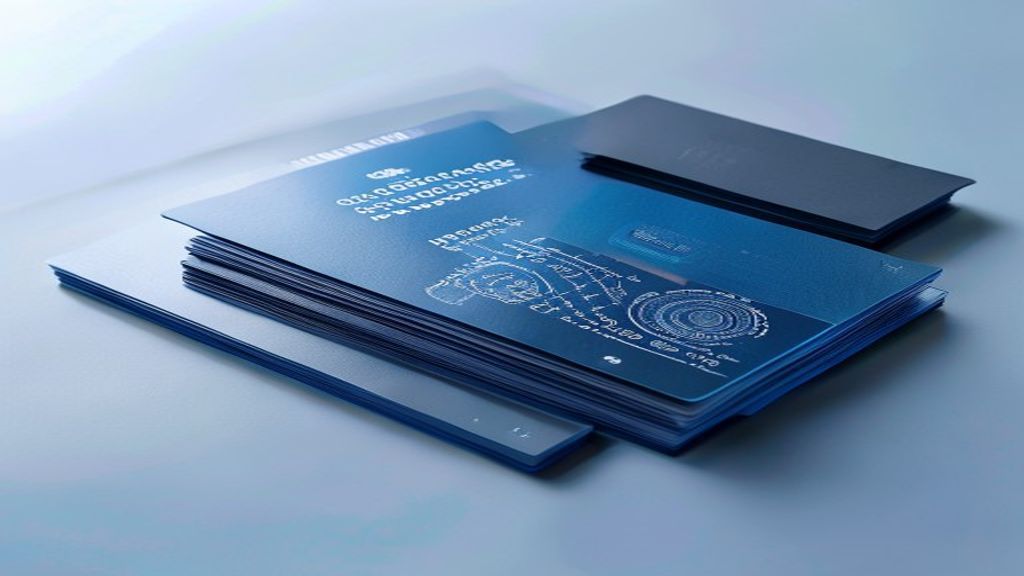
Security teams rarely choose a feature because it looks impressive. They choose it because it changes the economics of counterfeiting. A holographic overlay turns every document check into a two-second authenticity test: tilt, look for the color shift and depth, and move on. No special reader required.
- Immediate visual authentication — frontline staff, border officers, and event crews can verify documents without tools.
- Deterrence by design — the diffractive surface is difficult to reproduce with standard print or scan equipment, pushing casual counterfeiters toward easier targets (Interpol IP Crime).
- Durability — PET overlays resist scratches, moisture, and UV fading, so the security feature lasts the life of the document.
- Brand trust — a custom hologram signals that the issuer controls the document and stands behind its value.
Where Holographic Overlays Deliver ROI
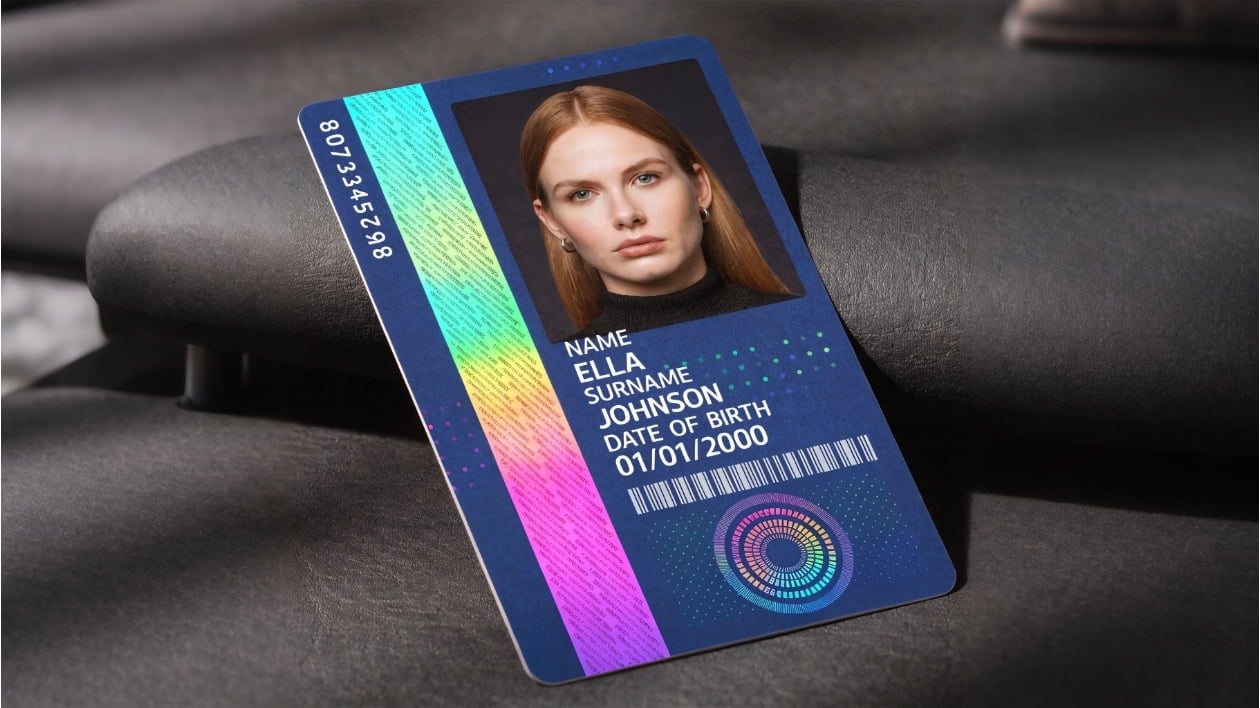
The strongest return comes in documents that are high-value, high-volume, or both. Governments and large enterprises treat overlays as insurance: a small per-unit cost that reduces fraud, reissuance, and reputational risk.
- National ID cards and driver’s licenses — often paired with polycarbonate substrates and ISO/IEC 7810 physical-characteristics standards.
- e-Passports and travel documents — ICAO Doc 9303 guidelines for machine-readable travel documents recognize optical security features as a key layer.
- Academic credentials and professional certificates — protects the value of qualifications your institution issues.
- Bank cards, certificates, and high-value packaging — overlays also appear in broader anti-counterfeit packaging solutions.
Types of Holographic Overlays

Not all overlays work the same way. The right format depends on your substrate, issuance volume, and the level of customization you need. Here are the formats B2B buyers most often compare.
- Hot-stamping foil — transferred under heat and pressure; bonds permanently to the substrate. Common on certificates and high-security cards.
- Laminate pouches — the original heat-seal pouch encloses the card in a holographic film; widely used for ID cards and badges.
- Self-adhesive hologram labels — flexible and easy to apply; popular for product packaging, certificates, and event credentials. See how they compare to holographic labels.
- Registered / demi overlays — precise alignment with printed data (photo, signature, document number) so tampering visibly breaks the registration.
- Custom origination — your own master hologram design. Higher upfront cost, but gives you exclusive control and stronger legal standing against counterfeiters.
How to Specify and Procure Holographic Overlays
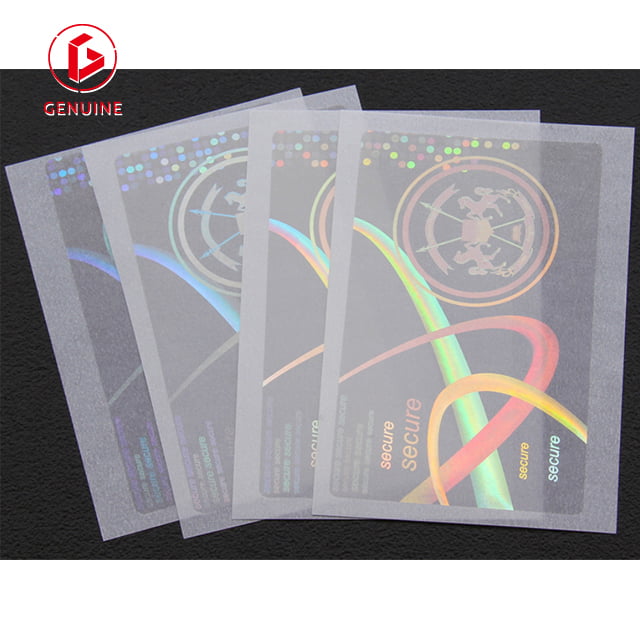
Procurement is where cost and security meet. A low unit price means little if the overlay peels, fails inspection, or can be sourced by anyone. Use this checklist when vetting suppliers.
- Ask about origination ownership. Who holds the master hologram? If you don’t own it, a competitor or counterfeiter could eventually license the same pattern.
- Request samples and run abrasion tests. Scratch, tape, and heat-test samples against the documents you actually issue.
- Confirm compliance credentials. Suppliers serving government and financial clients should demonstrate quality systems aligned with security-printing standards.
- Match MOQ and lead time to your volume. Custom origination has a higher minimum order; stock patterns may be the fastest path for pilots.
If you are also comparing overlays against other ID-card security technologies, our guide on ID card security tiers will help you match the right feature to your risk level.
Frequently Asked Questions
Can holographic overlays be removed and reapplied?
Quality overlays are designed to be tamper-evident. Once applied and bonded, any attempt to lift or reposition the film usually distorts or destroys the hologram, making reuse obvious.
How do holographic overlays compare to holographic labels?
Overlays are typically transparent films that cover the whole document or card, while labels are smaller adhesive patches applied to products or certificates. Both use diffractive security, but overlays offer larger coverage and are harder to swap without detection.
What substrates work best with holographic overlays?
PVC, polycarbonate, and coated paper all accept overlays, but the application method differs. Polycarbonate cards usually use hot-stamping or laminate pouches, while certificates and diplomas often use cold-laminate or heat-seal pouches.
How long does custom hologram origination take?
Stock patterns can ship in days. Custom origination typically takes 2–6 weeks depending on artwork complexity, master creation, and approval rounds. Plan your issuance schedule accordingly.
Next Steps
Holographic overlays are one of the fastest ways to add a visible, durable layer of security to ID cards, certificates, and travel documents. Start by defining the documents you issue, the fraud risks you face, and the verification process your users will follow.
Ready to test overlays on your own documents? Request a free sample and artwork review, and we’ll help you choose the format, thickness, and hologram design that fits your production line.