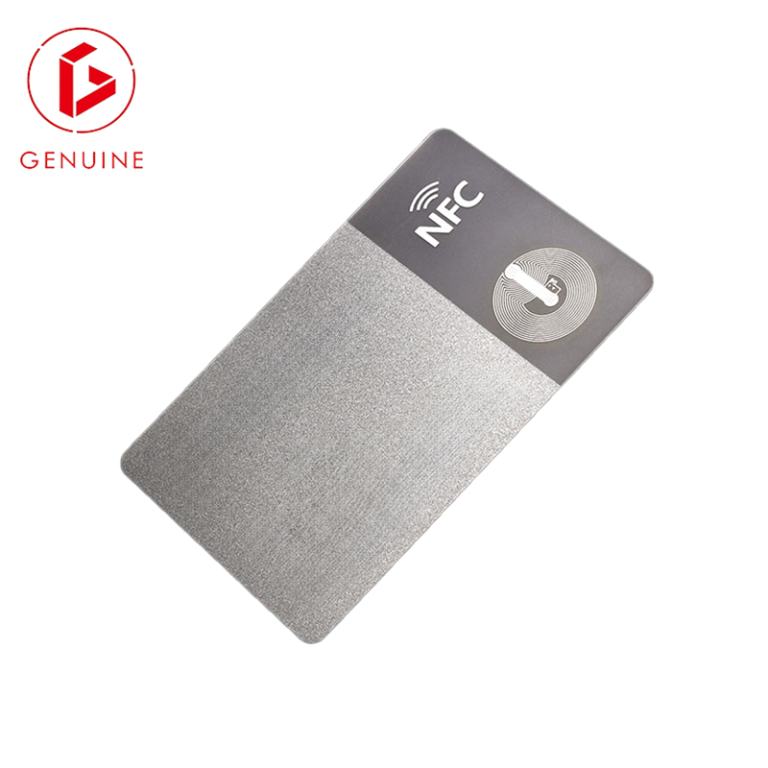
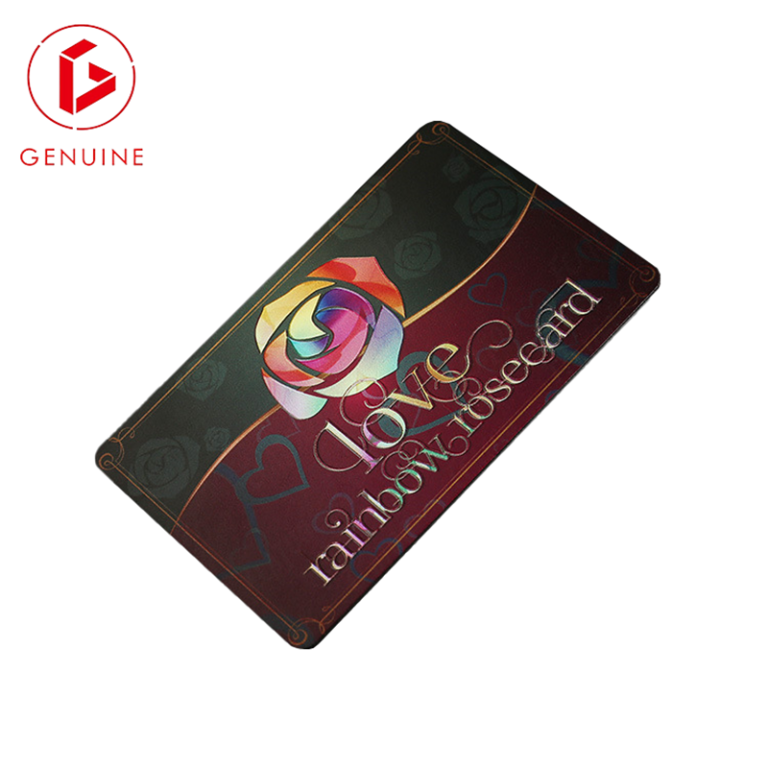
Most organizations discover their ID card security level is wrong only after something breaks: a contractor badge gets cloned, or procurement realizes it paid chip-card prices for what is functionally a printed photo card. The real question is not how secure a card can be — it is how much security your risk profile actually justifies. This guide breaks ID card security technology into three practical tiers, shows how to match one to your exposure, and gives you the specifications to put in your RFQ.
The Hidden Cost of Choosing the Wrong ID Card Security Level
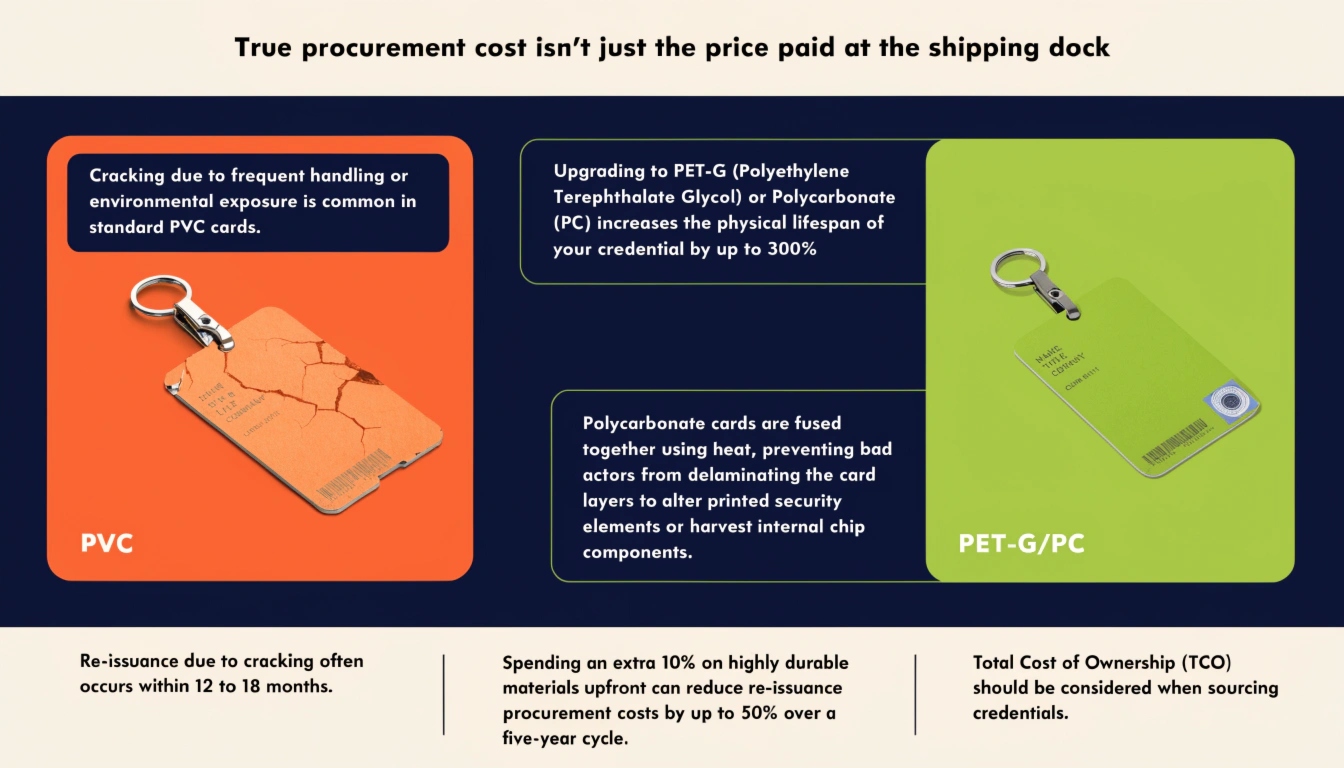
Under-specifying is the costlier error. A card carrying only a generic hologram and a photo can be replicated with consumer-grade equipment, and the loss rarely stops at the credential — it extends to unauthorized access, payroll fraud and liability when an incident traces back to a badge you issued. INTERPOL treats counterfeit security documents as an enabler of wider organized crime, not an isolated offence, which is why auditors and insurers increasingly ask what verification layer sits behind your badge (INTERPOL).
Over-specifying is quieter but just as wasteful: cryptographic chip cards on a visitor-pass programme cost a multiple of the unit price for data no reader will ever read. A security feature that is never verified provides zero protection, however sophisticated it is — that principle should drive your entire tier decision.
Tier 1 — Visual Security: Verification Without Equipment
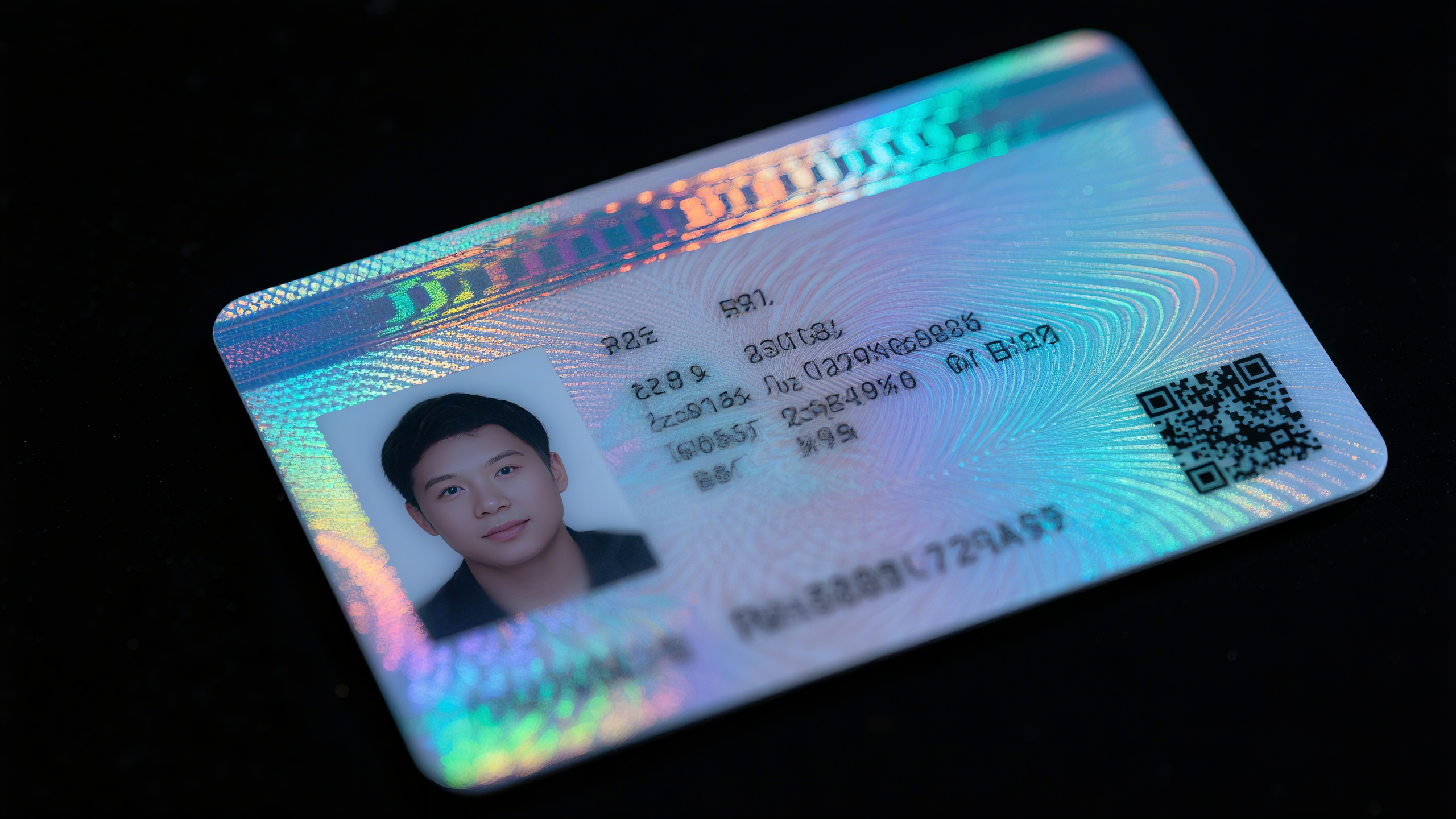
Best fit: membership and library cards, low-risk staff badges — anywhere a person, not a machine, performs the check.
- Optically variable devices and holographic overlays — colour shifts as the card tilts, an effect scanners and photocopiers cannot reproduce. See our guide to holographic overlay basics.
- UV fluorescent printing — a hidden pattern visible only under ultraviolet light, a cheap secondary check at reception.
- Custom-tooled overlays — the critical upgrade. A stock hologram is available to anyone, including forgers; a die cut to your artwork is not.
The buyer’s caveat: Tier 1 protects only as well as your staff can recognise a genuine card. Budget for a laminated reference sample at every checkpoint — the highest-return item in the whole programme.
Tier 2 — Machine-Assisted Features: Where Most Organizations Should Land
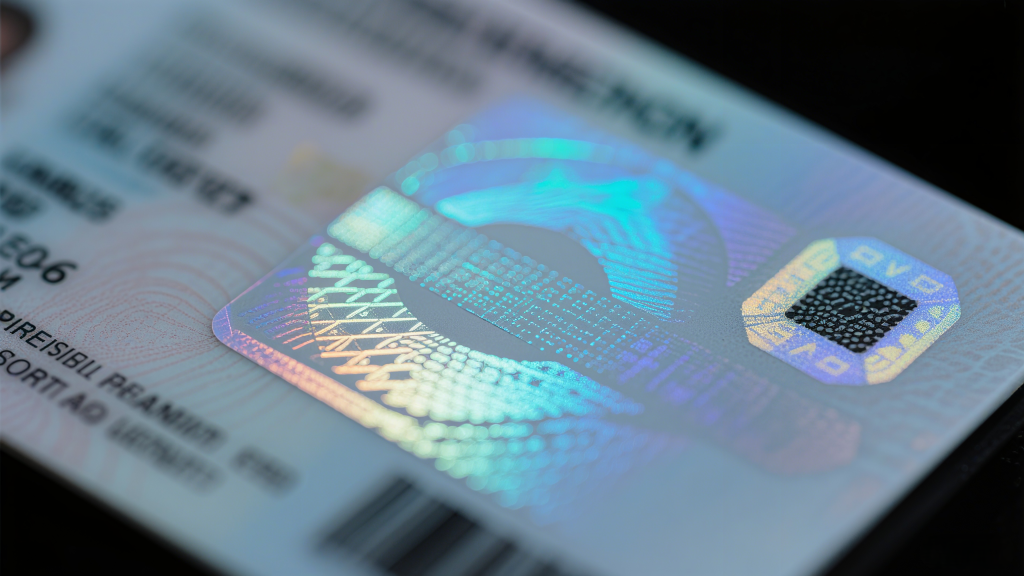
Best fit: university and healthcare credentials, multi-site corporate badges, contractor and supplier passes — the majority of commercial deployments.
Tier 2 raises the cost of forgery sharply without demanding an enterprise PKI. The defining trait: features sit inside or beneath the card body rather than printed on its surface.
- Microtext — text under 0.25 mm that reads cleanly under a loupe but smears into grey when scanned and reprinted.
- Laser engraving — personalization carbonized inside a polycarbonate body, so data cannot be scraped or chemically lifted without destroying the card. See our overview of polycarbonate card manufacturing.
- Tamper-evident laminate — any delamination attempt leaves irreversible damage, so a substituted photo is immediately obvious.
- Barcode or MRZ encoding — a scanner confirms the card matches the record on file, closing the “genuine card, wrong holder” gap.
This tier usually delivers the best return: it defeats casual and opportunistic forgery — the overwhelming majority of real incidents — at a fraction of chip-card cost.
Tier 3 — Chip, Cryptography and Biometric Binding
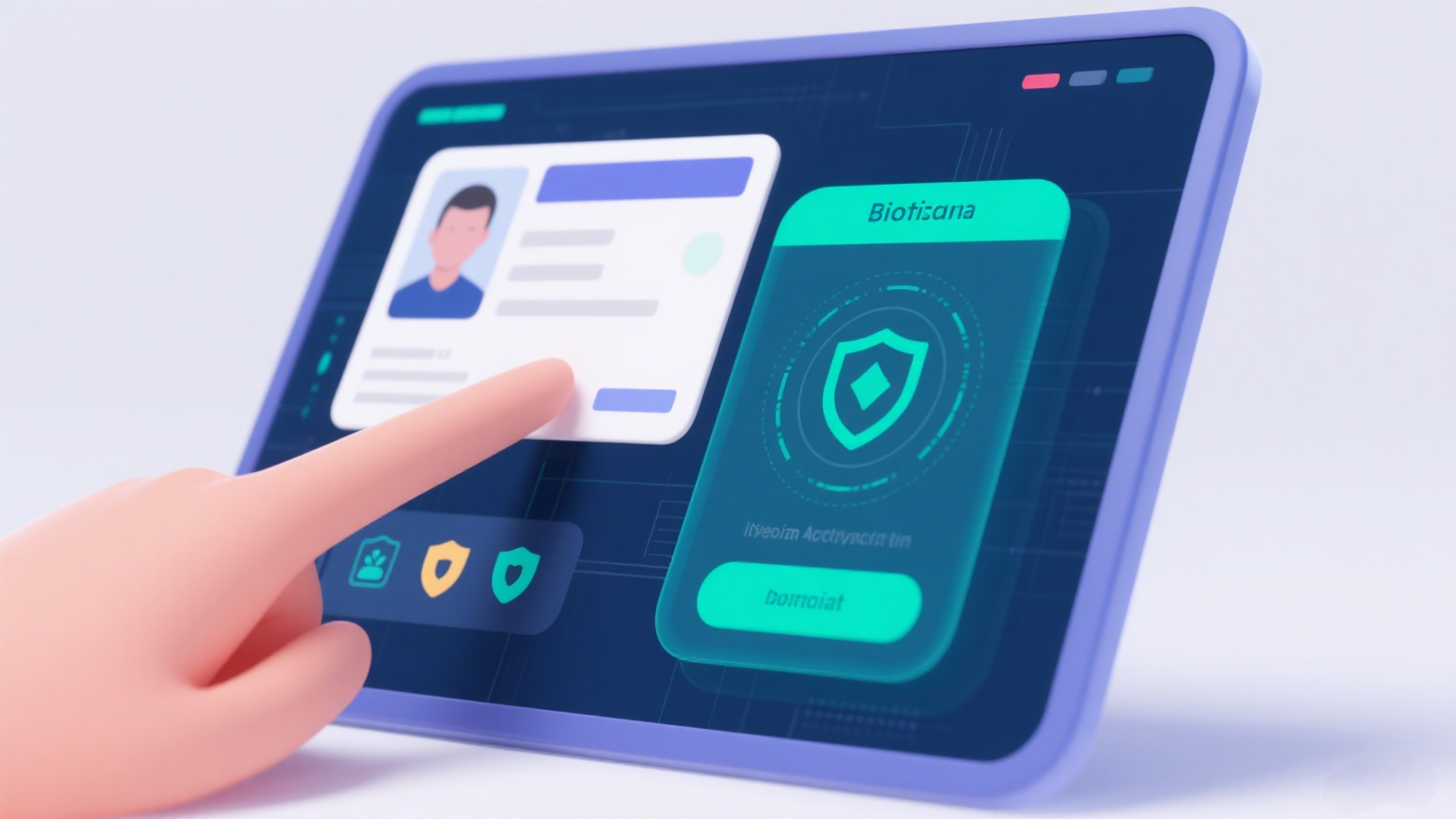
Best fit: national identity documents, payment credentials, critical infrastructure access, and any environment under a formal identity assurance mandate.
- Contactless smart chips — encrypted storage with mutual authentication between card and reader, governed by ISO/IEC 14443-1. Naming that standard in your RFQ is what prevents vendor lock-in.
- Cryptographic signing — chip data is signed with keys held in a secure element, so cloned or altered data fails validation even when the physical copy is visually perfect.
- Biometric binding — an on-chip template enables 1:1 matching against the presenter, defeating the borrowed-badge problem no visual feature can address.
For a reference model, the US federal PIV specification NIST FIPS 201-3 documents identity proofing, issuance and cryptography as a single system; our article on how high-security smart cards protect sensitive data covers deployment. Budget reality: the card is usually the smaller half of a Tier 3 investment — readers, key management and issuance software routinely exceed card spend, so evaluate this tier as a system, never as a unit price.
How to Match a Security Tier to Your Actual Risk
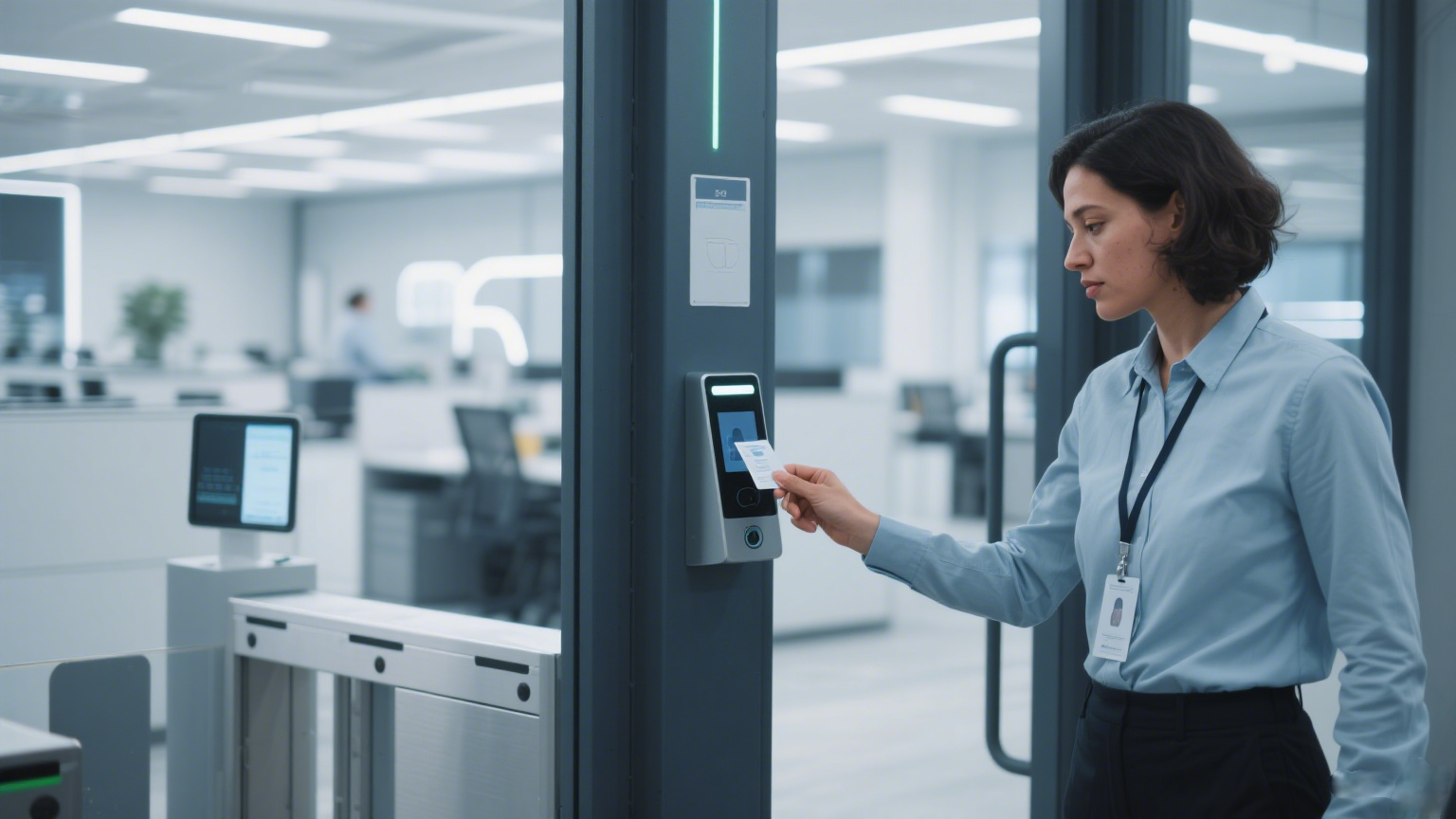
Four questions, asked in order, resolve most specification arguments in a single meeting.
- What does a successful forgery actually unlock? A gym entrance and a server room sit at opposite ends of that scale. Price the consequence, not the card.
- Who verifies, and with what? If verification is a receptionist glancing at a badge, Tier 3 cryptography changes nothing.
- What do regulation and client contracts require? Government, healthcare and financial buyers frequently mandate a minimum tier. Confirm this before design, not after.
- What is the card’s service life? A three-year daily-use badge needs laminated or polycarbonate construction; a six-month contractor pass does not.
| Tier | Typical use case | Verification method | Relative unit cost |
|---|---|---|---|
| 1 — Visual | Membership, low-risk staff badges | Eye, UV torch | Baseline |
| 2 — Machine-assisted | Corporate, campus, healthcare | Loupe, scanner, MRZ reader | 2–4× |
| 3 — Chip & biometric | National ID, finance, critical access | Contactless reader, PKI, biometrics | 6–15× |
For most B2B buyers the pragmatic answer is a strong Tier 2 with one or two Tier 3 features reserved for high-clearance personnel — one card design, two issuance profiles. It contains cost while giving your most sensitive access points real cryptographic protection. Our high-security ID card procurement guide covers the sourcing detail.
What to Specify in Your RFQ (and What to Ask Suppliers)
Vague RFQs produce quotes you cannot compare. Include these five items and every bid arrives on the same basis:
- Dimensional standard. Specify ID-1 format to ISO/IEC 7810; without it, cards may not seat correctly in third-party readers or wallets.
- Test methods, not adjectives. “Durable” is unenforceable. Requiring conformance to ISO/IEC 10373-1 test methods gives you measurable criteria for bending, delamination and abrasion — and a contractual basis for rejection.
- Tooling ownership and artwork control. Ask whether the hologram die is exclusive to you, who stores it, and what prevents a third-party reprint. Custom tooling that a supplier reuses across clients is not a security feature.
- Pre-production samples in your own artwork. Colour shift, engraving legibility and overlay registration only become visible on your design — never approve on a generic sample pack.
One more question worth asking any manufacturer: how do you control and destroy rejected cards? Scrap control is where credential programmes leak most often, and a supplier without a documented answer is telling you something important.
Frequently Asked Questions
How many security features does an ID card actually need?
Three to five layers spanning at least two tiers covers most commercial requirements. The rule is diversity over quantity: one overt feature anyone can check, one covert feature only you and your manufacturer know about, and one machine-readable element. Ten overt features that all fail to the same photocopy attack are weaker than three that fail differently.
Is a chip card always more secure than a laser-engraved card?
Not in practice. A chip card is more secure only where a reader validates it. If your guards inspect badges visually, a laser-engraved polycarbonate card is measurably harder to forge than an unread chip card. Security comes from the verification loop, not the component.
Can we upgrade our security tier without reissuing every card?
Partially. Overlay and printing changes can be phased in at natural renewal, running old and new designs in parallel. Chip migration cannot, because readers must be deployed before the first chip card is issued. Plan the reader rollout first, then issuance — reversing that order is the most expensive mistake in tier upgrades.
What is the minimum order quantity for custom security features?
It varies by feature, not by card. Printing, microtext and UV elements carry low minimums because they are artwork changes. Custom holographic tooling carries a one-off tooling charge and a higher minimum, since a die must be produced. Ask for tooling cost and MOQ as separate line items so you can judge whether an exclusive overlay is justified at your volume.
Next Steps: Test the Tiers Before You Commit
Security is a spectrum, not a checkbox. The strongest programmes layer the seen (overlays, OVI), the unseen (UV, microtext) and the unforgeable (subsurface engraving, cryptographic chips) in proportions that match a documented risk assessment — and build every layer around a verification step someone will realistically perform.
The fastest way to settle an internal debate about tiers is to put physical samples on the table. Send us your use case, headcount and verification setup, and we will send a tiered sample pack with a matching specification sheet so you can compare features in hand before committing budget. Contact our team to request samples or a specification review.