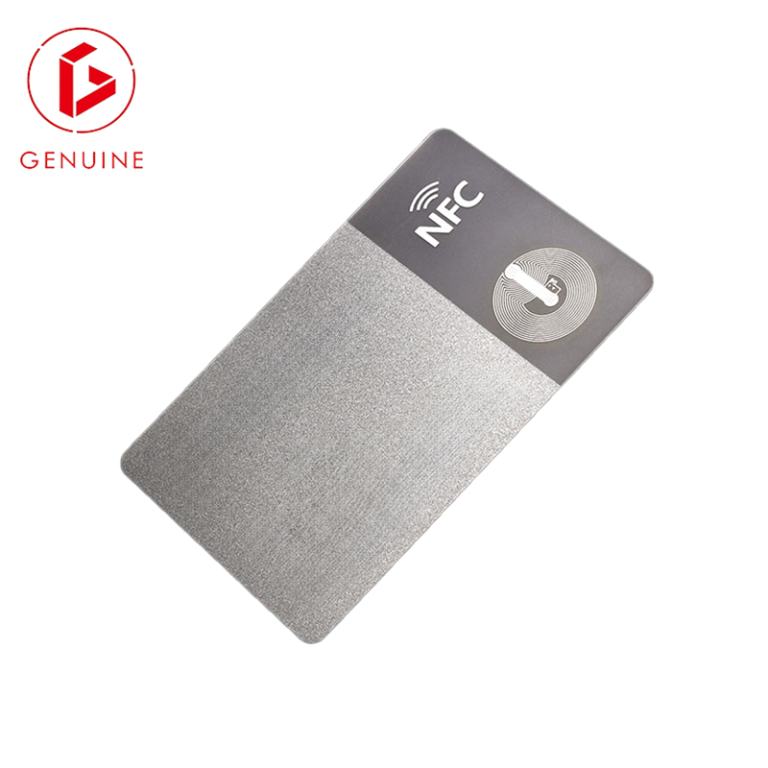
For a passport or national ID program, the card body is not a commodity — it is the foundation of document security and service life. The plastic you specify determines whether a credential survives 10 years in a wallet, whether a laser can engrave a tamper-evident portrait, and whether the document will pass an ICAO or ISO audit. This guide compares the three materials government and institutional buyers ask about most — polycarbonate (PC), PVC, and PET/PETG — so you can match the material to the security level, lifespan, and budget of your program.
Why Card Material Is a Security and Lifespan Decision
Identity documents fail in two ways: they wear out, or they get forged. The base substrate influences both. A card body has to accept high-security personalization (laser engraving, tactile relief, changeable/multiple laser images), bond its layers so they cannot be split and re-assembled, and resist heat, flexing, chemicals and UV for the document’s full validity period — often 5 to 10 years for ID cards and up to 10 years for e-passport data pages.
Material choice also constrains the security features you can add. Laser engraving, for example, works inside the card body and requires a substrate that carbonizes cleanly — which favors polycarbonate. Cost, minimum order quantity and personalization method (retransfer/dye-sublimation vs. laser) all follow from this first decision, so it is worth specifying carefully rather than leaving it to “plastic card.”
Polycarbonate (PC): The Standard for E-Passports and National ID
Polycarbonate is the reference material for the highest-security government credentials. Its layers are fused under heat and pressure into a single monolithic block, so the card cannot be delaminated and re-assembled without visible, irreversible damage — a core anti-tamper property that authorities look for. Because PC carbonizes under a laser, it supports laser engraving of the portrait and data directly inside the body, plus advanced optical features such as CLI/MLI (Changeable/Multiple Laser Image), tactile laser relief and transparent windows.
Polycarbonate is highly durable, dimensionally stable and rated for roughly a 10-year service life, which is why it is widely used for e-passport data pages, national ID cards and driver’s licenses. The trade-offs are cost and process: PC is the most expensive of the three, requires specialized lamination and laser equipment, and is not suited to ordinary dye-sublimation desktop printing. For high-value, long-life, tender-driven programs, that premium is normally justified by the security and longevity it delivers.
PVC and PET/PETG: Where They Fit in Government Programs
PVC is the workhorse of the card industry: low cost, widely available, easy to print by dye-sublimation and retransfer, and available in high volumes with low MOQs. It is an excellent choice for shorter-life or high-turnover credentials — visitor passes, membership and loyalty cards, some employee badges and interim documents. Its limitations for high-security ID are a shorter practical lifespan (commonly cited around 3–5 years of heavy use), lower heat resistance, and the fact that it does not laser-engrave the way PC does. Environmental and regulatory pressure on PVC (chlorine content, REACH considerations) is also pushing some programs toward alternatives.
PET and PETG sit between PVC and polycarbonate. They offer better durability and heat resistance than PVC, are more environmentally friendly (chlorine-free, recyclable), and laminate well, making them a common middle-ground for durable government and enterprise cards where full polycarbonate is not required. PETG in particular is valued for toughness and clarity. Neither matches PC’s fused-monolith security or laser-engraving depth, so they are best positioned as durable, cost-aware options rather than top-security substrates.
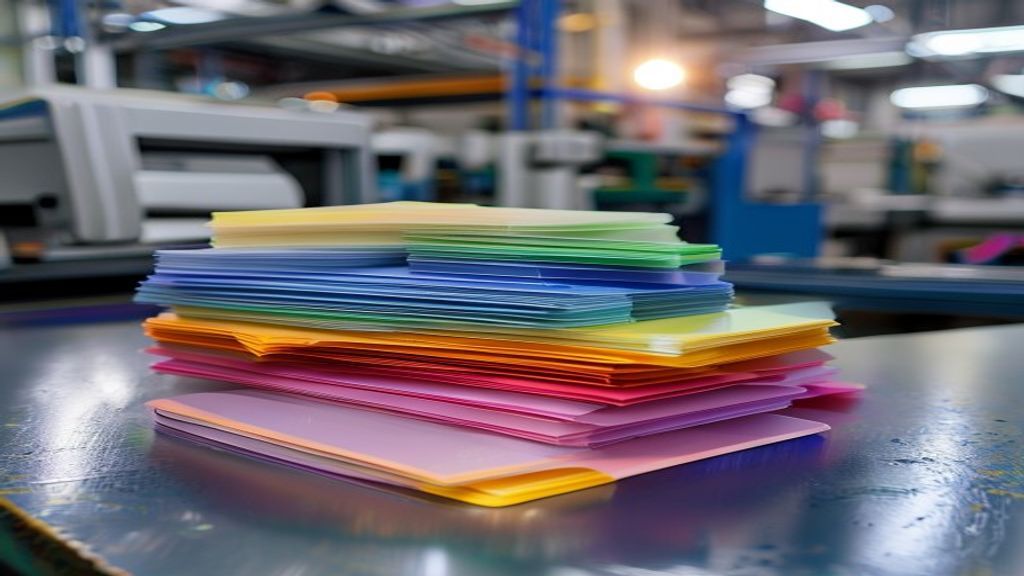
Side-by-Side: Durability, Security, Cost and Compliance
The right choice is a balance of security level, required lifespan and budget. The summary below reflects widely accepted industry positioning; exact figures depend on card construction, usage and personalization, so treat lifespans as typical ranges rather than guarantees.
Polycarbonate: highest security (fused monolith, laser engraving, CLI/MLI); ~10-year lifespan; highest cost; best fit for passports, national ID, driver’s licenses. PET/PETG: good durability and heat resistance, eco-friendly and recyclable, mid cost; strong fit for durable enterprise and mid-tier government cards. PVC: lowest cost, easiest to print, broad availability; ~3–5 year practical life; best for short-life, high-volume or interim cards. For standards, government identity documents typically must meet ISO/IEC 7810 (physical characteristics), ISO/IEC 7816 (contact chips) and ICAO Doc 9303 for machine-readable travel documents — requirements that polycarbonate is engineered to satisfy.
How to Specify Card Material in a Government ID Tender
To avoid ambiguity and non-compliant bids, specify the material and its performance in the tender rather than naming only a product. A practical checklist: (1) state the substrate and construction (e.g., “monolithic polycarbonate, fully fused layers”); (2) require a minimum service life and reference the relevant standards (ISO/IEC 7810, 7816; ICAO Doc 9303 where applicable); (3) list the mandatory security features the substrate must support (laser engraving, CLI/MLI, tactile relief, transparent window); (4) define personalization method and durability/environmental tests; and (5) require certifications and evidence.
On the supplier side, verify manufacturing capability directly: ISO 9001/14001 certification, in-house lamination and laser-engraving lines, sample and pre-production policy, MOQ and lead time, and export/audit references. Because material and equipment are tightly linked, a factory that produces polycarbonate credentials in-house is a stronger partner for high-security tenders than a reseller sourcing finished cards. When in doubt, request samples and a factory audit before award.

Conclusion
There is no single “best” card material — only the best match for your security level, required lifespan and budget. Polycarbonate is the standard for passports and national ID where tamper-evidence and 10-year life are non-negotiable; PET/PETG is a durable, more sustainable middle ground; and PVC remains the economical choice for short-life, high-volume credentials. Specify the substrate and its performance in your tender, and verify that your supplier can manufacture it in-house.
GENUINE has manufactured security paper, holograms and smart cards since 2005, with in-house lamination and laser personalization for polycarbonate, PET/PETG and PVC ID programs. Request a quote or ask for free samples to match the right material to your ID or e-passport project.