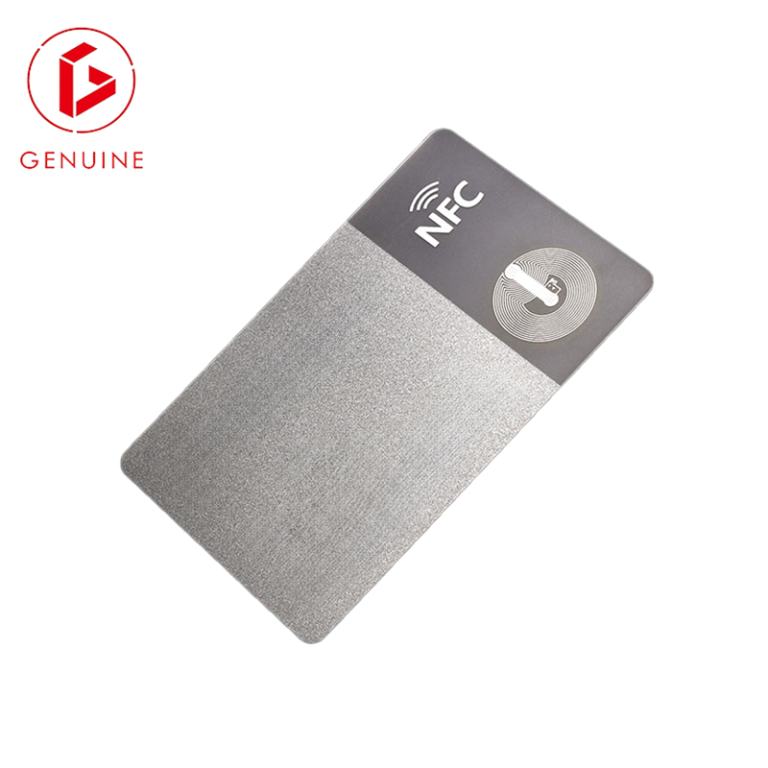
You have probably sent a procurement message that read something like, “Please quote 5,000 employee cards.” It feels efficient. It is also the most expensive sentence in a card project, because “cards” can mean a dozen incompatible things — and the factory will quote the cheapest interpretation, not the one you needed. A written smart card RFQ template turns a vague request into a measurable, comparable specification that any supplier can price accurately the first time.

Why a Vague Card Inquiry Costs You More Than the Card
A one-line “send me 5,000 cards” inquiry is the single most expensive sentence in a card project. Without a specification, the supplier fills the gaps with the lowest-cost default: a plain PVC body, a generic 1k contactless chip, no encoding, and a gloss finish. When that box arrives and will not read at your door readers, or fails after three months of daily use, the rework, re-shipment, and launch delay cost far more than the cards themselves. The fix is not a better supplier — it is a better brief. A specification lets you compare two quotes on the same baseline, catch mismatches before tooling starts, and hold the factory to measurable acceptance criteria. If you are new to sourcing, our MOQ and lead-time guide explains the commercial terms you should pin down alongside the technical ones.
Start With the Card Body: Material, Size, and Finish
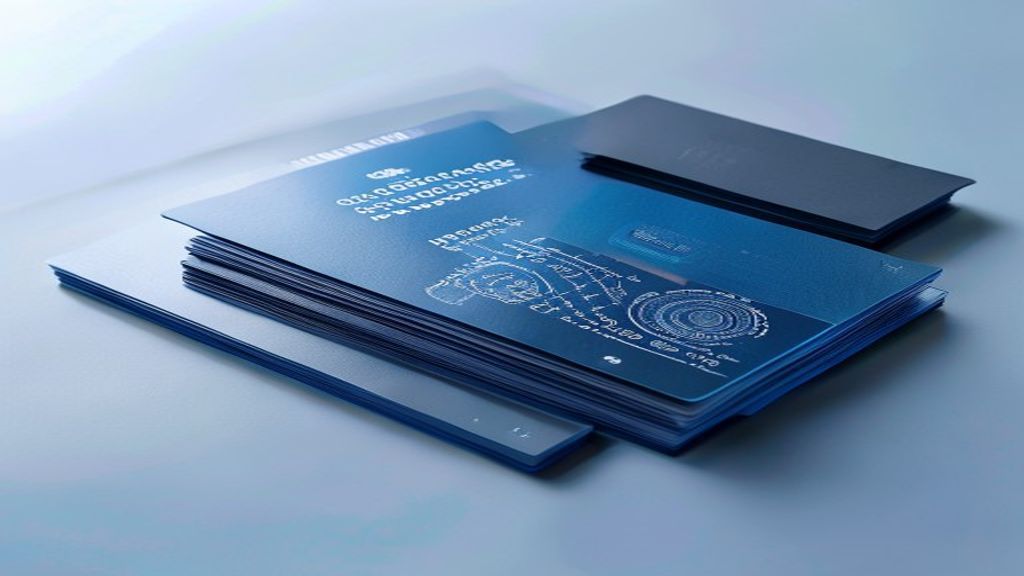
The body is where most first-time RFQs go wrong. Name the material, the card format, the exact thickness, and the finish — because mismatches cause reader jams, printer failures, and field returns. The physical baseline is set by ISO/IEC 7810: the CR80 format is 85.6 × 54.0 mm, and the standard thickness is 0.76 mm, with 0.84 mm used where extra rigidity is needed. Then choose the substrate — PVC for cost-sensitive, short-life programs; PETG for better heat and chemical resistance; polycarbonate for high-security ID and e-passport programs that must survive years of daily flexing. Finish matters too: gloss shows scuffs, matte hides them, and a scratch-off panel protects a PIN or activation code. Our polycarbonate vs PVC vs PETG comparison walks through the trade-offs buyer by buyer.
Specify the Chip and Interface by Part Number

Never write “RFID card” as a specification — name the silicon by part number and the interface standard (ISO/IEC 7816 contact, ISO/IEC 14443 contactless, or dual-interface). A contact chip (compliant with ISO/IEC 7816) suits fixed readers and high-assurance programs; a contactless chip (ISO/IEC 14443 Type A or B) suits tap-and-go access and transit; a dual-interface chip carries both. Then state the part: a memory chip such as MIFARE Classic, a high-security microcontroller such as MIFARE DESFire EV3 or an Infineon SLE variant, or a Java Card platform for multi-application, PKI-bearing credentials. Each has a different price, lifecycle, and security posture. Our chip-selection guide and dual-interface explainer help you pick the right one and write it into the RFQ verbatim.
Define the Encoding and Who Holds the Keys

“Encode them for our system” is not a specification. You must state the application data: the UID or serial scheme, the file structure or applet to load, and any pre-personalized keys. Define who holds the keys and how they are injected — key management is where most secure card programs quietly fail. Decide whether the factory performs key injection under a controlled ceremony or whether you ship blank cards and personalize keys in-house. Either path must be written into the RFQ with a clear chain of custody. Our encoding-standards guide and key-management guide give you the exact fields to copy into your template.
Personalization: What the Factory Prints and Writes
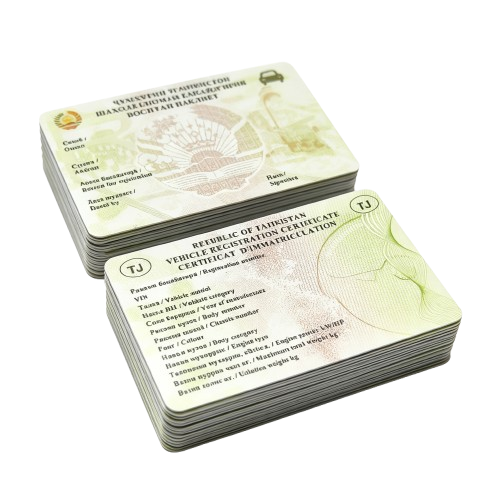
Personalization is where your brand and your data meet the card. Specify the printing method — offset for long runs, dye-sublimation or retransfer for photographic quality and edge-to-edge coverage — and the variable data: name, employee number, photo, barcode, or QR. Hand the factory a print-ready artwork package (bleed, CMYK, and a chip/antenna keep-out zone) — artwork rejected at press costs you the slot, not just the file. Require a digital proof and a physical pre-production sample before the full run. Our personalization-methods guide and artwork-specification guide cover both the method choice and the file prep that prevents rejection.
Tie Acceptance to Standards and a Sampling Plan
A specification without acceptance criteria is a wish. Tie acceptance to ISO/IEC 10373 durability tests and a written AQL sampling plan — “looks fine” is not a specification. State the tests you will run on arrival: dimensional tolerance, lamination bond, chip read range, and environmental resistance. Where relevant, require evidence of third-party assurance — Common Criteria evaluation for secure microcontrollers, EMVCo approval for payment applications, or FIPS 201 alignment for U.S. government PIV programs. Then define a sampling rule (for example, AQL 1.0 on a per-batch basis) so rejection is objective. Our shipment-inspection checklist and certifications guide translate these into a receiving procedure you can paste into the RFQ.
Lock Down Volume, Lead Time, and Packaging in Writing

The last section is commercial, and it is where launches slip. Confirm MOQ, lead time, and split-shipment terms in writing before the PO — capacity surprises are the number-one cause of launch slips. State your order quantity and any phased-delivery requirement, the acceptable lead time with penalties for slippage, and the packaging: ESD-safe lot boxes, sequential or randomized serialization, and clear outer labels with your part number and batch code. If you intend to re-order, ask for a price-holds and tooling-retention clause so your second batch matches the first. Our MOQ and lead-time guide lists the exact commercial lines to include.
Your One-Page Smart Card RFQ Checklist
- Card body: material (PVC / PETG / polycarbonate), CR80 or CR79 format, thickness (0.76 mm or 0.84 mm), finish (gloss / matte / scratch-off).
- Chip: part number, interface (ISO/IEC 7816 contact, ISO/IEC 14443 contactless, or dual-interface), memory or microprocessor type.
- Encoding: UID scheme, file/applet, and who holds and injects the keys.
- Personalization: printing method, variable data fields, and a print-ready artwork package with chip keep-out.
- Acceptance: ISO/IEC 10373 tests, required certifications, and an AQL sampling plan.
- Logistics: MOQ, lead time with penalties, split-shipment terms, and ESD-safe serialized packaging.
Send that single page to two or three qualified factories and you will get quotes you can actually compare — not three different products priced against three different assumptions. If you would like a fill-in PDF version of this card-specification template, or want our engineers to sanity-check your draft before it goes to suppliers, request a sample and a specification review and we will walk through it with you.