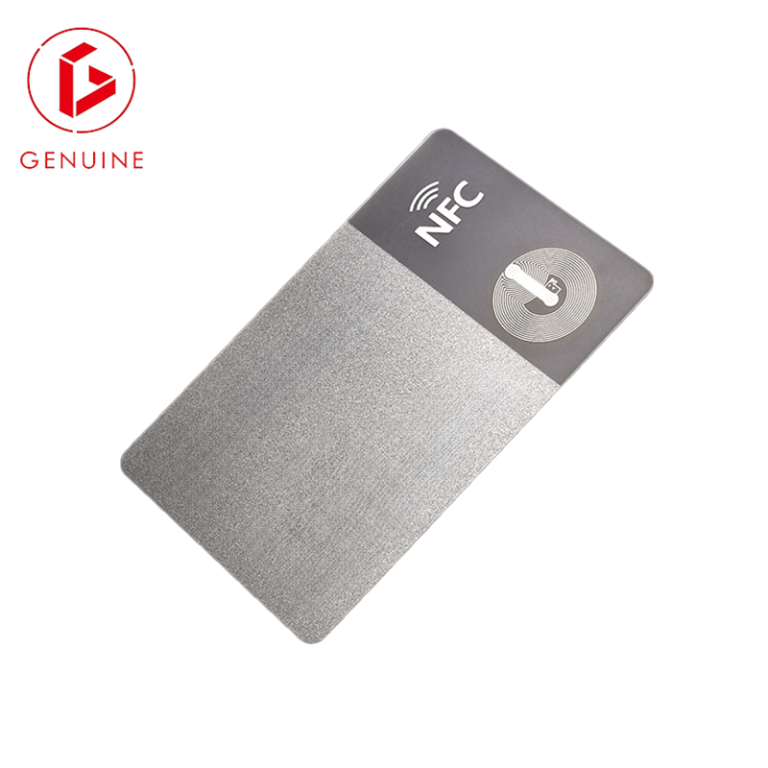
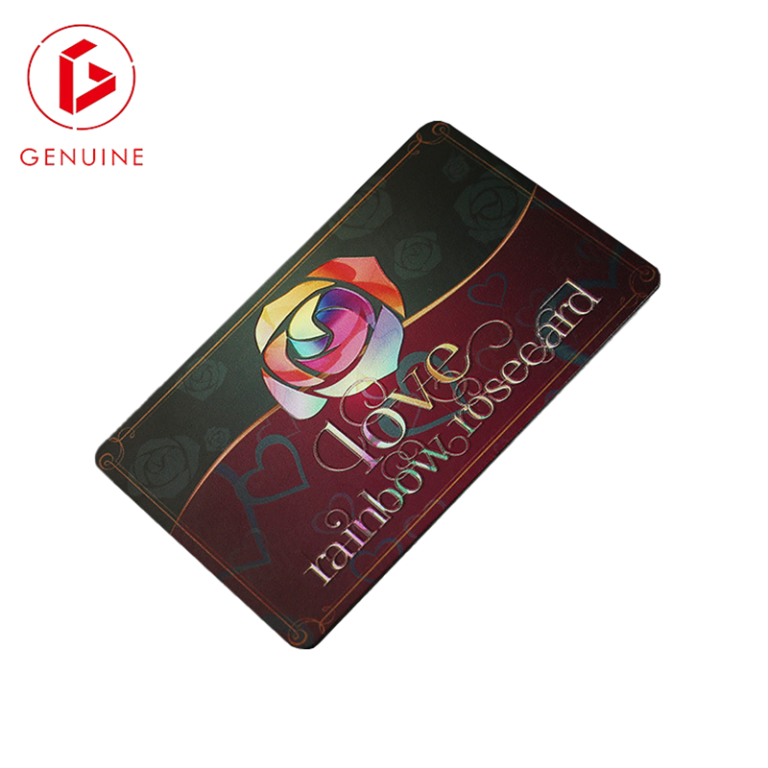
You have approved the program. Now comes the step where most card projects quietly lose time and budget: handing a vague idea to the factory and hoping the output matches what you pictured. A tight pre-production brief is what turns “make us some cards” into a reproducible, auditable order. This guide gives brand owners and security teams a practical checklist for how to brief a card factory—before a single sheet is cut.
Scope and volumes: what the factory needs to quote and schedule

A factory quotes on what you tell it to plan for, not what you “meant.” State the total program quantity, the per-shipment batch sizes, and your realistic annual forecast. Under-stating forecast is the single most common cause of MOQ-driven price shocks and lead-time slippage—factories reserve capacity and tooling around the numbers you commit to. Specify delivery windows (not just one date), whether shipments consolidate or drop-ship to multiple sites, and the hard deadline tied to your program launch.
If you will reorder, say so: a standing reorder cadence lets the factory hold substrates and chip allocations, which protects you when the supply chain tightens. Before you lock volumes, order and approve first-article samples so the quantity you brief is based on a card you have physically validated—not an estimate.
Substrate and construction: pick the material that fits the environment
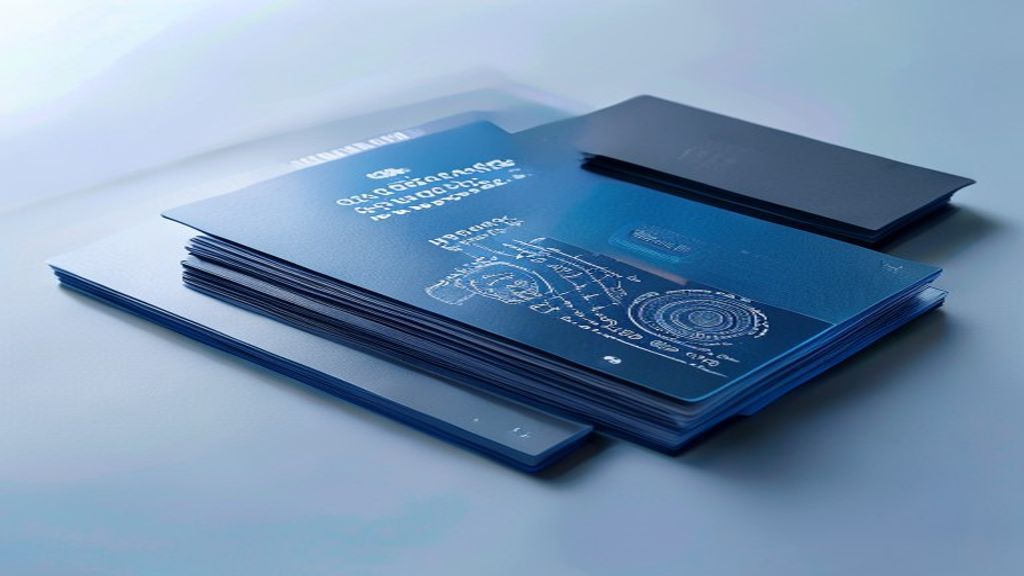
The material defines everything downstream: durability, print quality, and whether the card survives the environment you put it in. Spell out the base—PVC for cost-sensitive volume, PET composite for higher flex life, polycarbonate for government-grade durability and laser-engraved personalization, or rPVC/recycled core for ESG tenders—plus thickness (0.76 mm ISO standard or 0.84 mm for added rigidity) and layer stack (offset-printed core vs. pre-printed overlay).
Mismatched substrate and personalization method is a frequent re-run trigger: a retransfer print on the wrong core cracks at the edge. Reference ISO/IEC 7810 for the dimensional and warpage tolerances your factory must hold, and align your choice with the comparison in our polycarbonate vs PVC guide before you commit.
Artwork, print, and personalization specs

Send print-ready artwork, not a logo in a chat window. Specify color mode (CMYK with Pantone spot references for brand-critical colors), bleed and quiet zones, minimum readable text sizes, and the exact personalization fields (name, ID number, department, expiry) with their positions. Variable data is where most “looks wrong” complaints originate—define font, casing, truncation rules, and barcode/QR quiet zones up front.
Tell the factory the personalization method (dye-sublimation, retransfer, or laser engraving) because it changes artwork resolution and edge behavior. Our card artwork specifications walk through the file setup factories expect, and getting this right is what keeps your first bulk run from becoming a reprint.
Security feature stack: match protection to risk

Decide the level of protection before production, because security elements are embedded in the layer stack—not added later. A practical stack combines overt features (custom hologram overlay, UV ink, microtext, tactile elements) the holder can see, covert features (guilloché, latent images, IR-reactive ink) visible only with tools, and forensic features (taggants, serialised chip data) for laboratory verification.
Match the depth of the stack to your risk: an internal staff badge needs far less than a high-value credential. Linking your feature choices to your threat model is the core of our anti-counterfeit ID card approach, and briefing the factory with a numbered security schedule prevents the “we thought that was optional” conversation.
Chip and encoding requirements: the brief that breaks most often
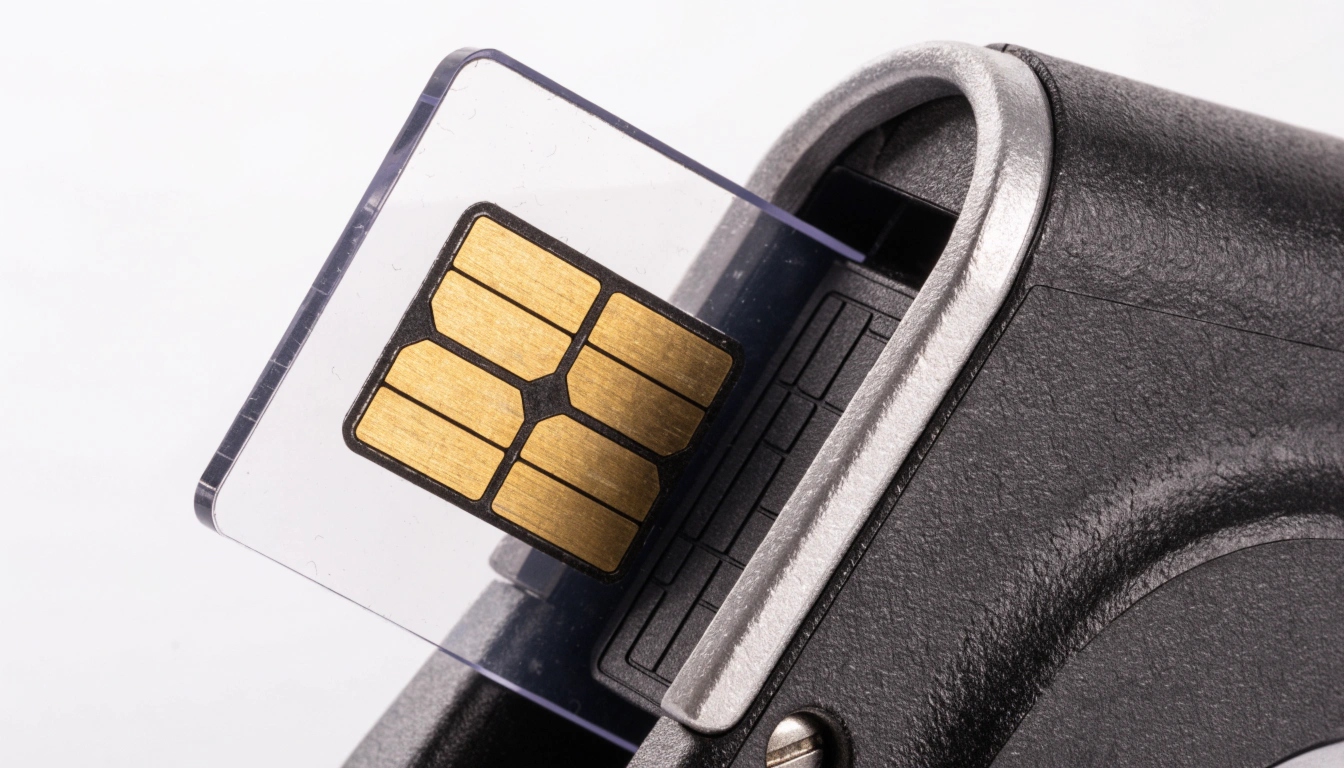
If the card carries a chip, the brief must be exact. State the interface—contact (ISO/IEC 7816), contactless (ISO/IEC 14443), or dual-interface—plus memory size, operating system (Java Card, MULTOS, or native), and any Common Criteria certification level the chip must carry (see the Common Criteria Portal).
Then specify the data: file structures per ISO/IEC 7816-4, the AID/keys if pre-personalized, UID format, and who supplies the encoding data. The most expensive failure mode is a card that personalizes perfectly but won’t authenticate on your reader—that usually traces back to an encoding detail nobody wrote down. Hand the factory a complete encoding specification so the chip works on day one, not after a recall.
QA, samples, and acceptance criteria

Never approve bulk on a PDF. Require a first-article Inspection (FAI) sample drawn from the actual production line and tooling, and define the test plan: dimensional checks, print registration, chip read/write across a sample batch, adhesion, and environmental tolerance. Set explicit accept/reject tolerances so “good enough” is measurable, and keep a signed approval record.
Reviewing samples against a checklist—the same discipline we apply in our card shipment inspection guide—is what separates a clean rollout from a returned pallet. Build the approval gate into the brief so the factory knows bulk cannot start until you sign.
Sign-off, RFQ, and handoff

A brief becomes an order through a clean handoff. Convert the brief into a request for quotation that the factory can price without assumptions, attach the approved sample as the reference standard, and issue a purchase order that names the sign-off contacts on both sides. Define change-control: anything altered after sign-off (artwork, substrate, chip) triggers a re-quote and re-sample, never a silent swap.
Our smart card RFQ template gives you the structure to capture every line item a factory needs, so the quote you receive maps 1:1 to what you briefed—and there are no surprises at goods receipt.
Compliance and documentation to attach

Close the loop with the paper that auditors and customs ask for. Attach the certificates the program requires—factory quality (ISO 9001), secure printing (ISO 14298), material compliance (REACH/RoHS), and, where personal data is encoded, your data-protection basis under GDPR—plus the conformity declarations and test reports referenced in the brief.
For government or enterprise PACS programs, align credential management expectations with NIST SP 800-116r1 so the delivered cards fit your lifecycle and revocation process. A brief that ships with its evidence is one your compliance team can defend, and one the factory can execute without a follow-up email thread.
Frequently asked questions
How detailed does a card factory brief need to be? Detailed enough that two different factories would return the same card. At minimum: quantities and schedule, substrate and thickness, artwork with personalization fields, security features, chip/encoding spec, sample-approval gate, and attached compliance certificates.
Who should own the brief in our organization? Brand and security teams should co-own it—brand defines look and volumes, security defines features and encoding—with procurement owning the RFQ handoff. One named owner prevents conflicting instructions reaching the factory.
Can we skip samples to save time? Not for a first production run. The first-article sample is the cheapest place to catch a substrate, print, or encoding error before it is replicated across thousands of cards.
Ready to turn your brief into a quoted, sample-validated order? Talk to our pre-production team and we will help you structure the specification before the first sheet is cut.