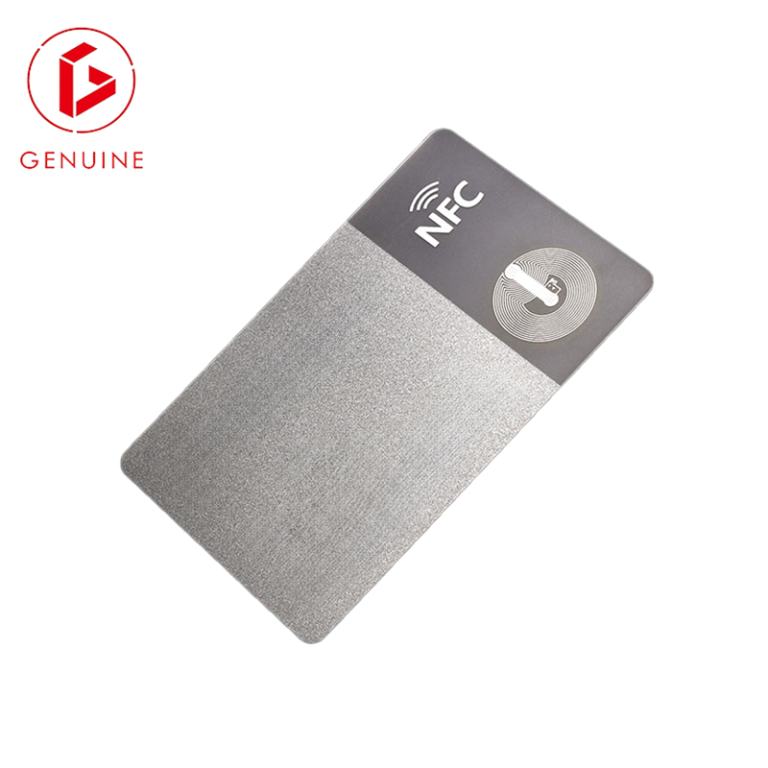
A university or school district rarely sets out to buy “ID cards.” What it actually needs is a single trusted credential that opens the dorm, records attendance, checks out a library book, pays for lunch, and proves identity at the exam hall. The card is only the carrier — the program around it is what delivers value, or quietly becomes a four-year liability. This guide walks education procurement teams through the decisions that separate a credential students actually carry from one that ends up in a drawer.
Why a campus card is more than a photo ID

Most institutions begin with the wrong question: “Which card printer should we buy?” The printer is the last decision, not the first. A card that only shows a photo and a name solves one problem and creates five — students still carry a separate library card, a meal card, a bus pass, and a door key. Consolidating those services onto one credential is where the savings and the security gains come from: fewer cards issued, fewer lost, fewer help-desk resets, and one revocation point when a student leaves. Frame the purchase as a program with a lifecycle, not a stationery order.
Map the services before you choose the card
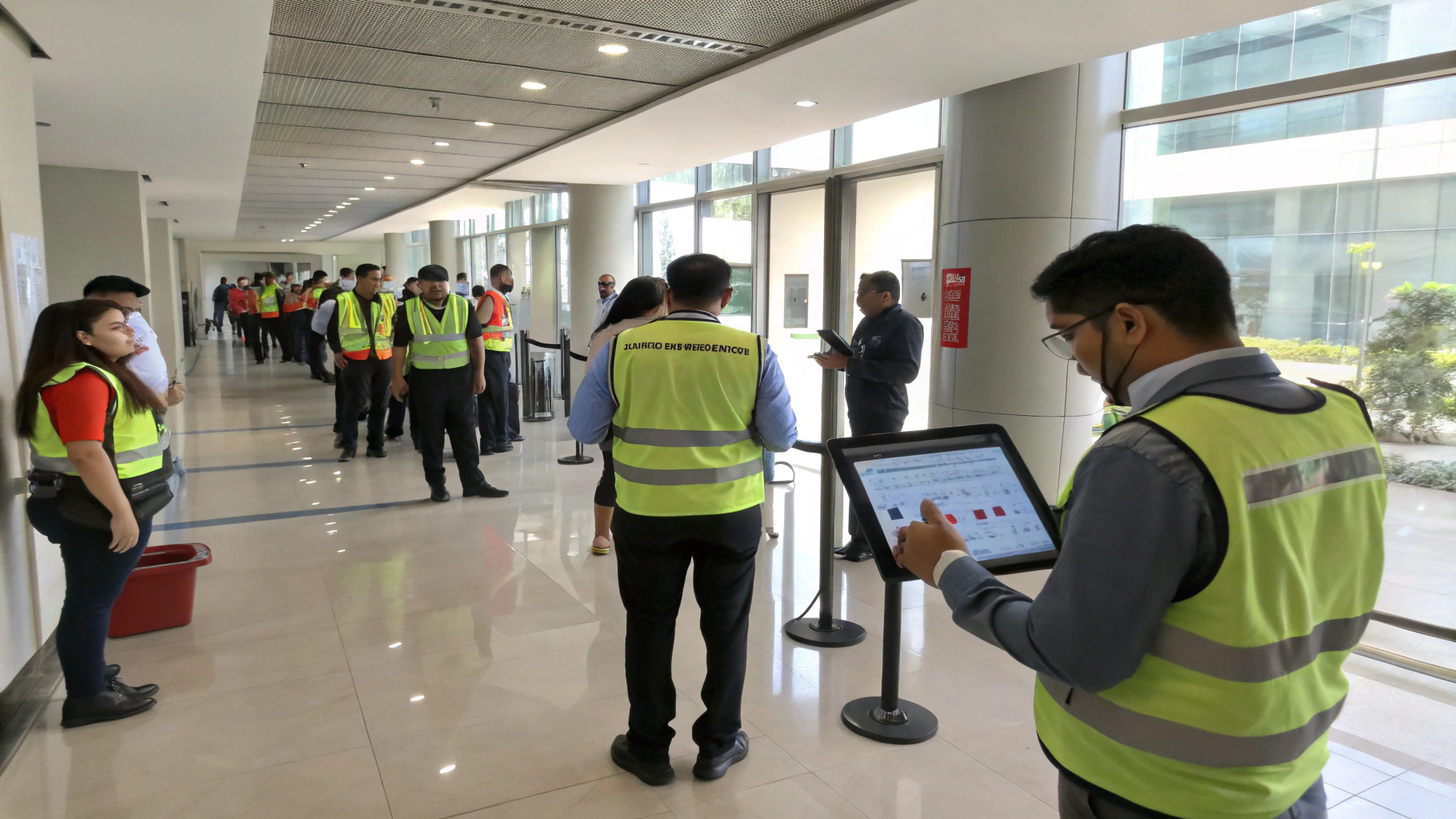
Before specifying materials or chips, list every service the card must touch: dorm and lab access, lecture attendance, library checkout, cafeteria payment, exam identity, print release, and transit. Each service implies a technology and a standard. If payment is in scope, plan for PCI-relevant isolation and a dual-interface card that also works at a normal contact reader; if only access is in scope, a 13.56 MHz contactless card is usually enough. The service list is also your future integration budget — write it down before vendors start quoting.
See how contactless, dual-interface and mobile compare in RFID vs NFC vs BLE for smart cards and when a dual-interface card earns its cost.
Card technology: contactless, dual-interface, or mobile?
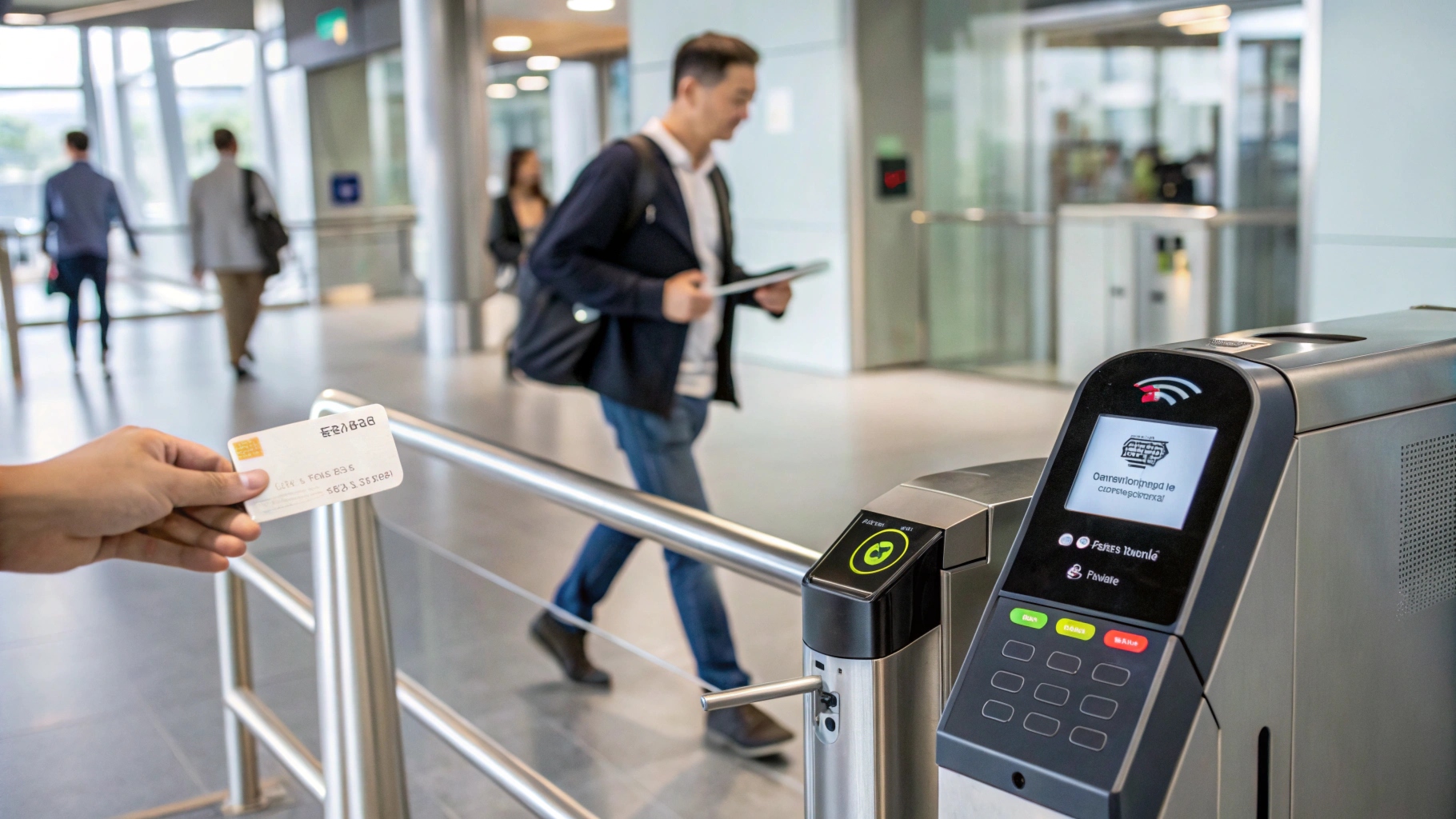
Three realistic options sit on the table. Contactless 13.56 MHz cards built to ISO/IEC 14443 are the global baseline for access and most campus systems. Dual-interface cards add a contact plate for banking-style or PKI logon. Mobile credentials put the same functions on a phone. For a campus that must issue to every student on day one, a physical card is still the lowest-friction choice — mobile is a strong add-on, not a replacement, because not every student owns a compatible phone and batteries die at the worst moment. ISO/IEC 7810 defines the ID-1 body at 85.6 × 54.0 mm, the size that fits every reader, holder and printer you will ever buy.
Security printing that survives a four-year enrollment
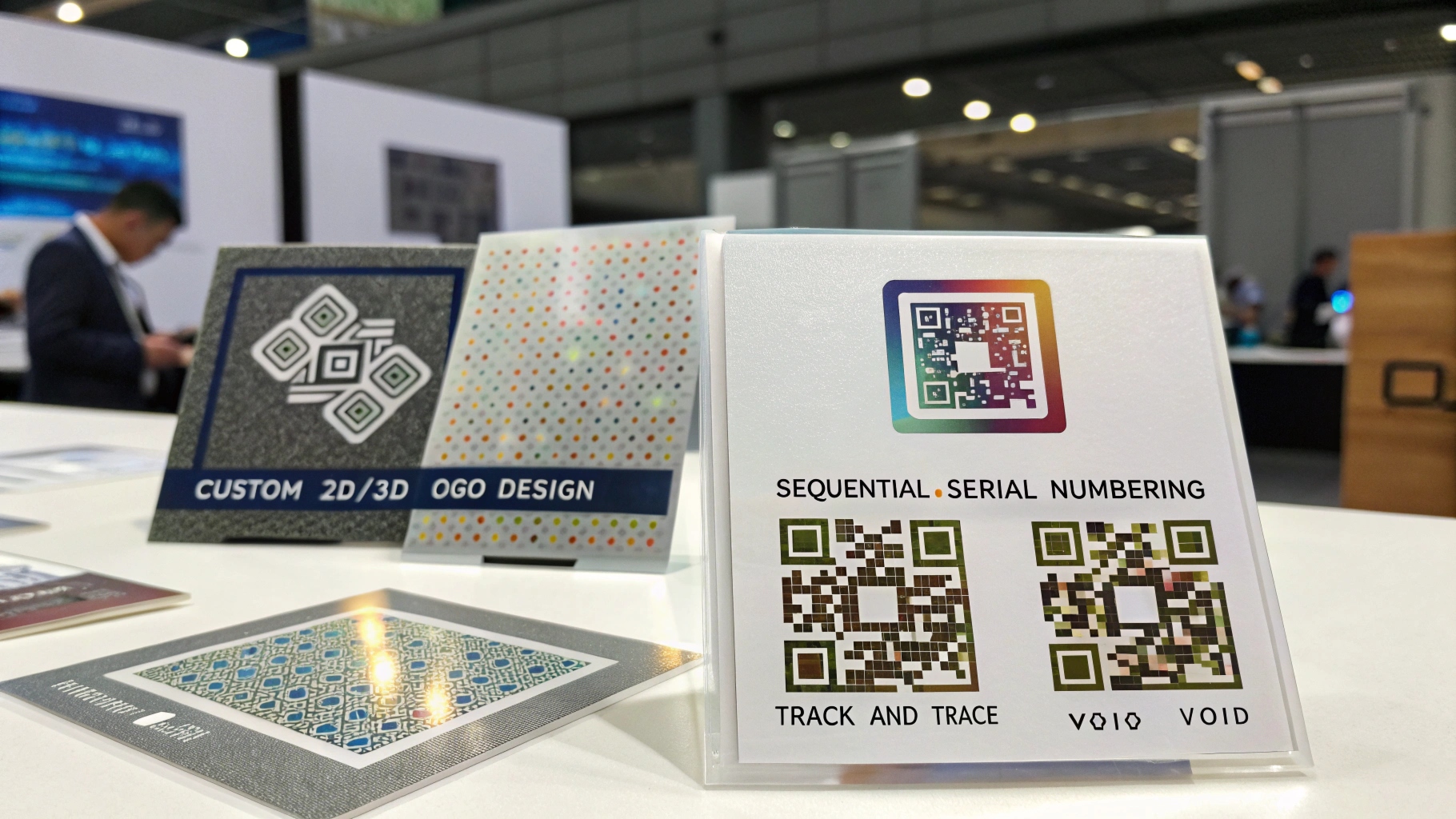
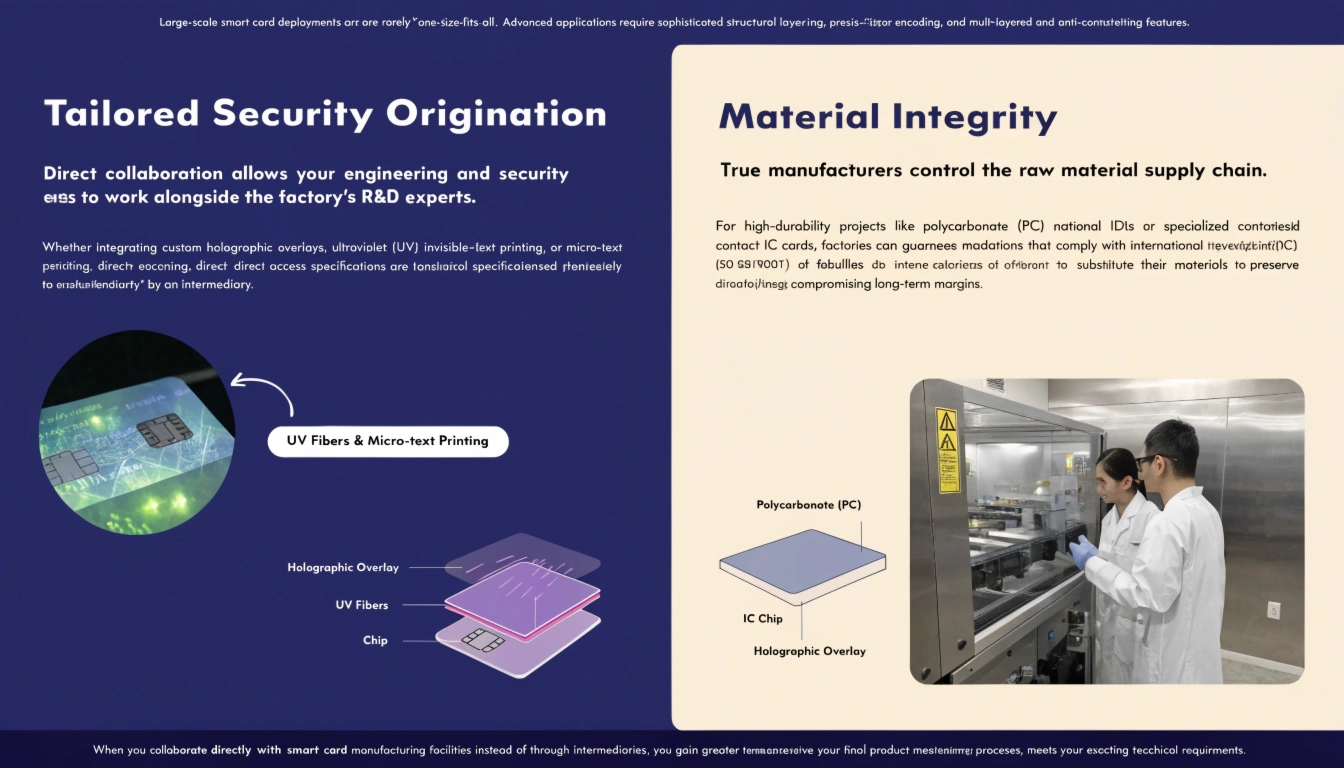
A student card is carried daily for years — bent, washed, swiped, dropped. Specify physical security printing (UV fluorescence, microtext, guilloche, hologram overlay) so the card cannot be trivially cloned or forged, and pair it with a durable body. The deeper guide is in ID card security printing features explained. For lifespan, write the ISO/IEC 24789 service-life class into the contract and test to ISO/IEC 10373 — a four-year program should not be reissuing cards in year two. A forgery that survives a visual check but fails a reader is still a failed credential; layer the two.
Protecting student data on and off the card
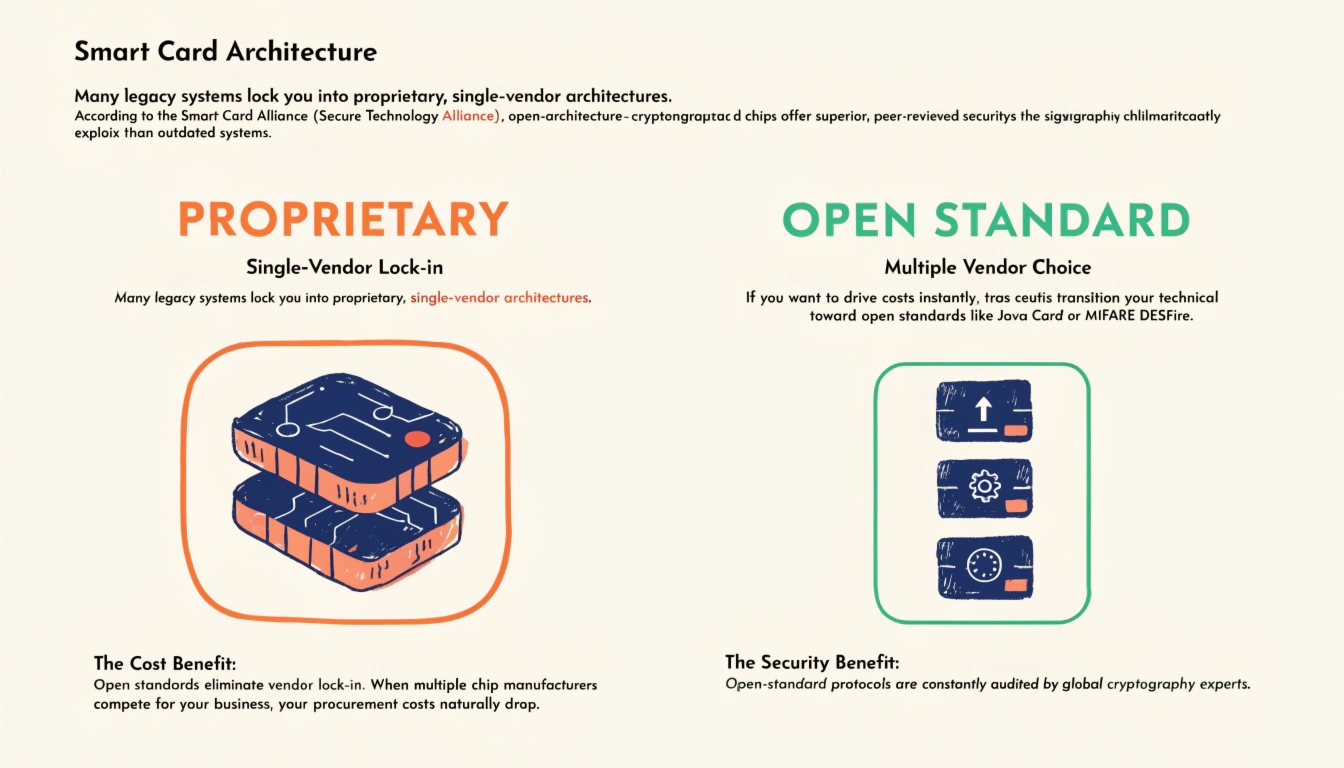
Minimize what you store on the card: a token or student number, never the full record, never a plaintext pointer that leaks identity. Encrypt any application data and manage keys with diversification so a single compromised card cannot be cloned across the estate — that is a job for secure-element chips and proper key custody, covered in our smart card key management guide. In the United States, FERPA governs student-record privacy and shapes what you may print and log; comparable regimes apply in other regions. Keep the card an authenticator, not a data store, and the privacy exposure shrinks with it.
Personalize in-house or outsource to a factory?
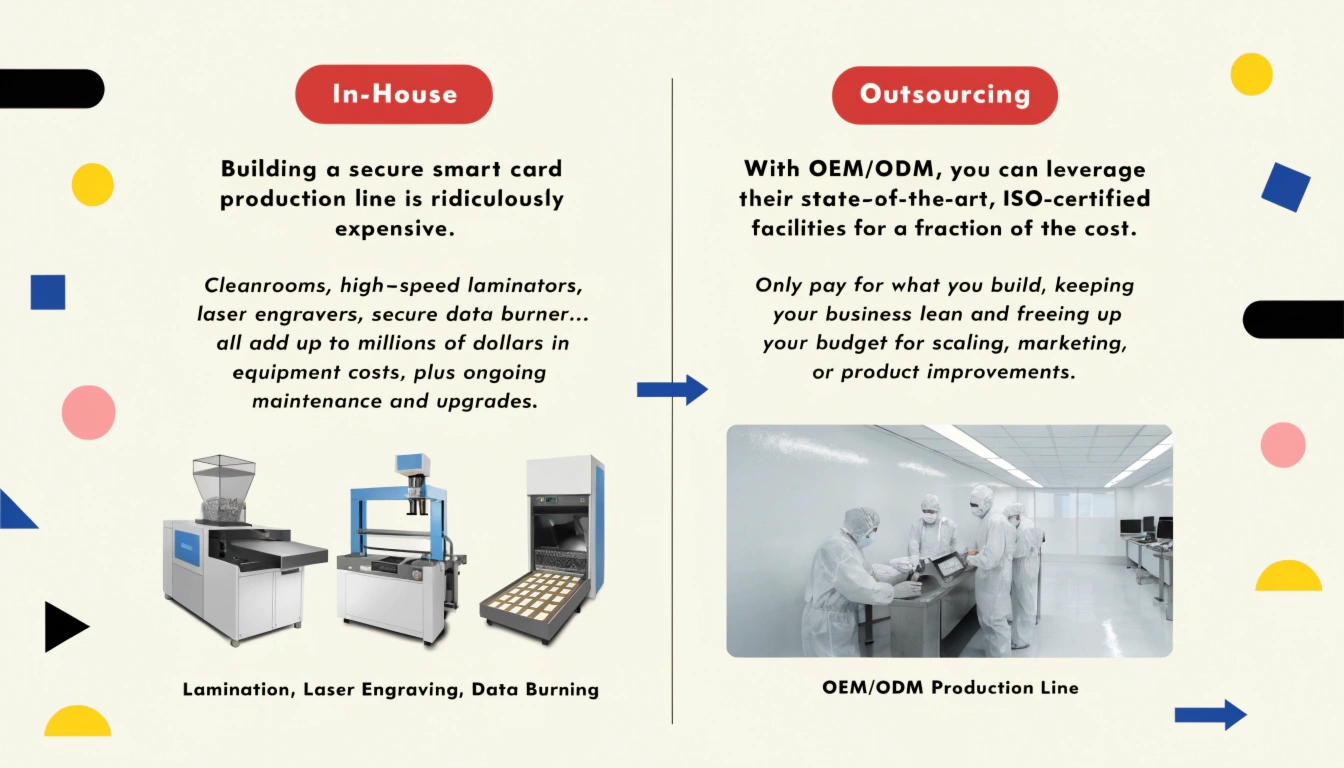
Two routes exist. Buy a desktop or retransfer printer and personalize on campus, or outsource pre-personalized cards to a factory. In-house gives you speed for replacements but ties up staff and quality control; factory personalization delivers consistent edge-to-edge quality, secure data handling, and volume pricing. Our comparison of factory-direct vs reseller sourcing is a useful pre-read. For a first rollout of thousands, factory personalization with a locked golden sample is usually the lower-risk path; keep only a small in-house printer for day-to-day reissues.
Plan the lifecycle: enrollment, reissue, revocation
Buying the card is roughly 10% of the work. Plan the enrollment data flow, batch issuance before term starts, same-day reissue for lost cards, and revocation that actually propagates to every service the card opens — a card that still unlocks the lab after a student withdraws is a real security gap, not a paperwork one. NIST SP 800-116 Rev. 1 is a sound reference for binding physical and logical access. Our ID card issuance program guide lays out the enrollment-to-revocation workflow step by step.
Pilot with samples before campus-wide rollout

Never print the full run on speculation. Order pre-production samples, test read rate at every reader on campus, bend and wash a few, and lock an approved golden sample into the contract so mass production cannot drift. Our card samples before order guide gives the inspection checklist. A two-hall pilot catches the compatibility and artwork errors that would otherwise scrap the entire batch — at a fraction of the cost.
Frequently asked questions
How many services can one campus card realistically carry?
As many as share a chip applet and a reader standard — the practical limit is reader compatibility and your backend integration, not the card itself. Most campuses run four to six services on a single 13.56 MHz contactless credential.
Contactless card or mobile credential?
Issue a physical contactless card to every student as the baseline, and offer mobile as an opt-in add-on. A phone-only mandate excludes devices, drains batteries, and complicates exam-hall and gate scenarios.
What durability should we specify?
Match the ISO/IEC 24789 service-life class to a four-year enrollment and verify it with ISO/IEC 10373 durability tests on incoming samples, not on the supplier’s brochure.
How do we keep student data private?
Store only a token or student number on the card, encrypt application data, diversify keys, and follow FERPA (or your local equivalent). The card should authenticate, not archive.
What should the pilot actually check?
Read rate at every reader model on campus, bend/wash durability, artwork and keep-out zones, and encoding verification against the spec — before any volume order is released.
Your next step
If you are scoping a campus or student ID program, send us your service list and rollout size and we will return a card specification and a sample plan you can take to tender. Start with the service map, lock a golden sample, and pilot before you print the whole run. Contact our team for a quote and sample kit.