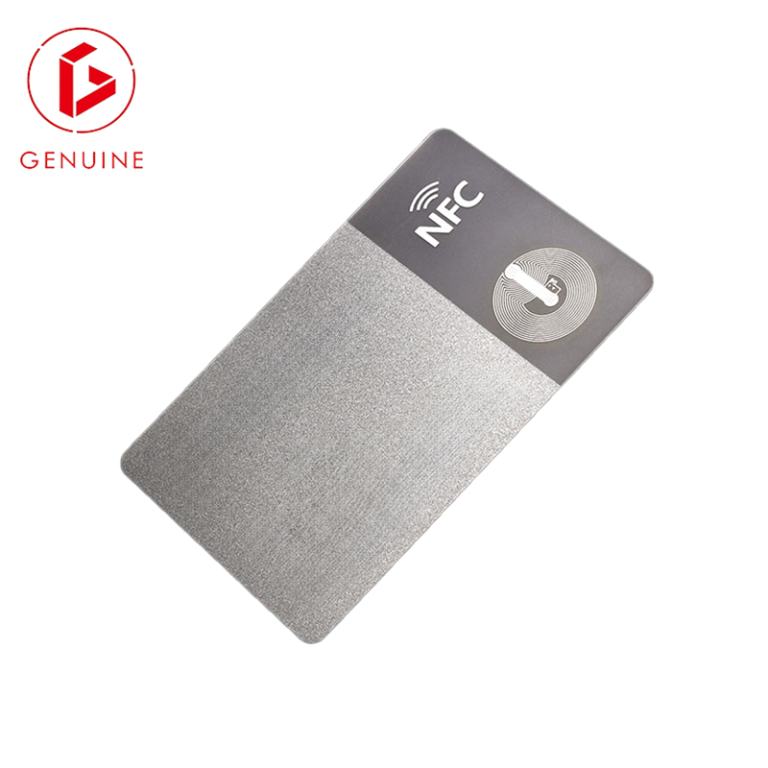
You have just rolled out contactless tapping at the transit gates, but your banking partner still settles transactions through the contact EMV slot. Issuing two separate cards is costly, confusing for holders, and doubles your inventory. For government ID, payment, and enterprise access programs, this is exactly the moment a dual-interface smart card earns its place — one card, one secure chip, both a contact pad and a contactless antenna, ready for whichever reader is in front of it.
What a dual-interface card is — and why buyers mix it up with a hybrid
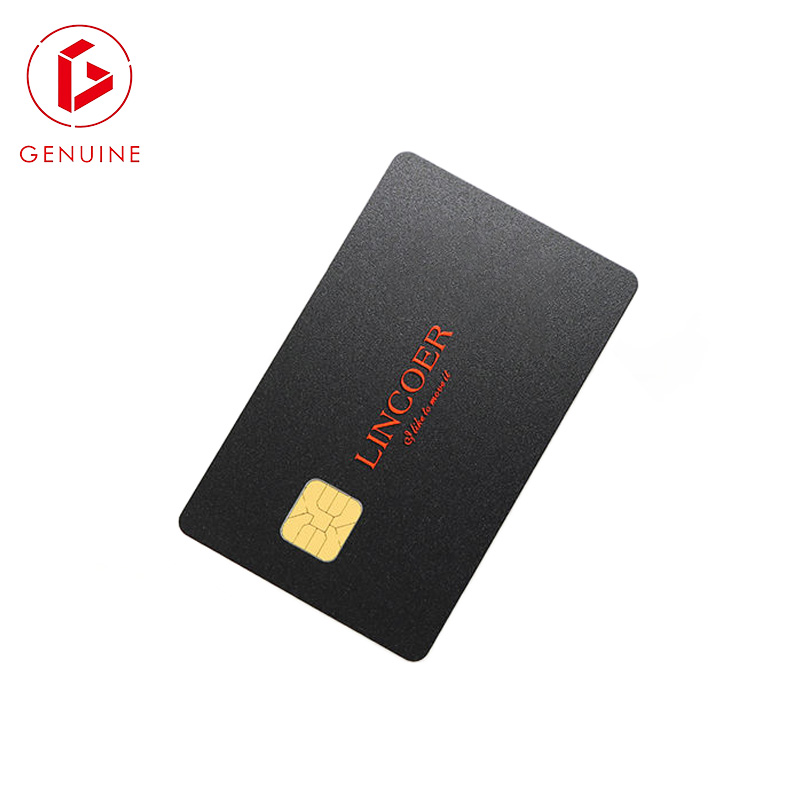
The term gets used loosely, so let’s be precise. A dual-interface smart card carries a single secure microcontroller that is reachable through two physical interfaces: the gold contact pad (defined by ISO/IEC 7816) and an embedded contactless antenna (defined by ISO/IEC 14443). Both roads lead to the same chip and the same stored data.
A hybrid card is different and easy to mistake: it packs two independent chips — one contact, one contactless — each with its own memory. Because the two chips cannot share data natively, a hybrid card can end up holding two diverging copies of the same credential, which is a compliance and audit headache you do not want in a national ID or banking program.
For a buyer, the practical takeaway is simple: choose dual-interface when you need one trusted identity across contact and contactless readers; reserve hybrid only for legacy systems that genuinely require two isolated applications.
How one chip serves two interfaces
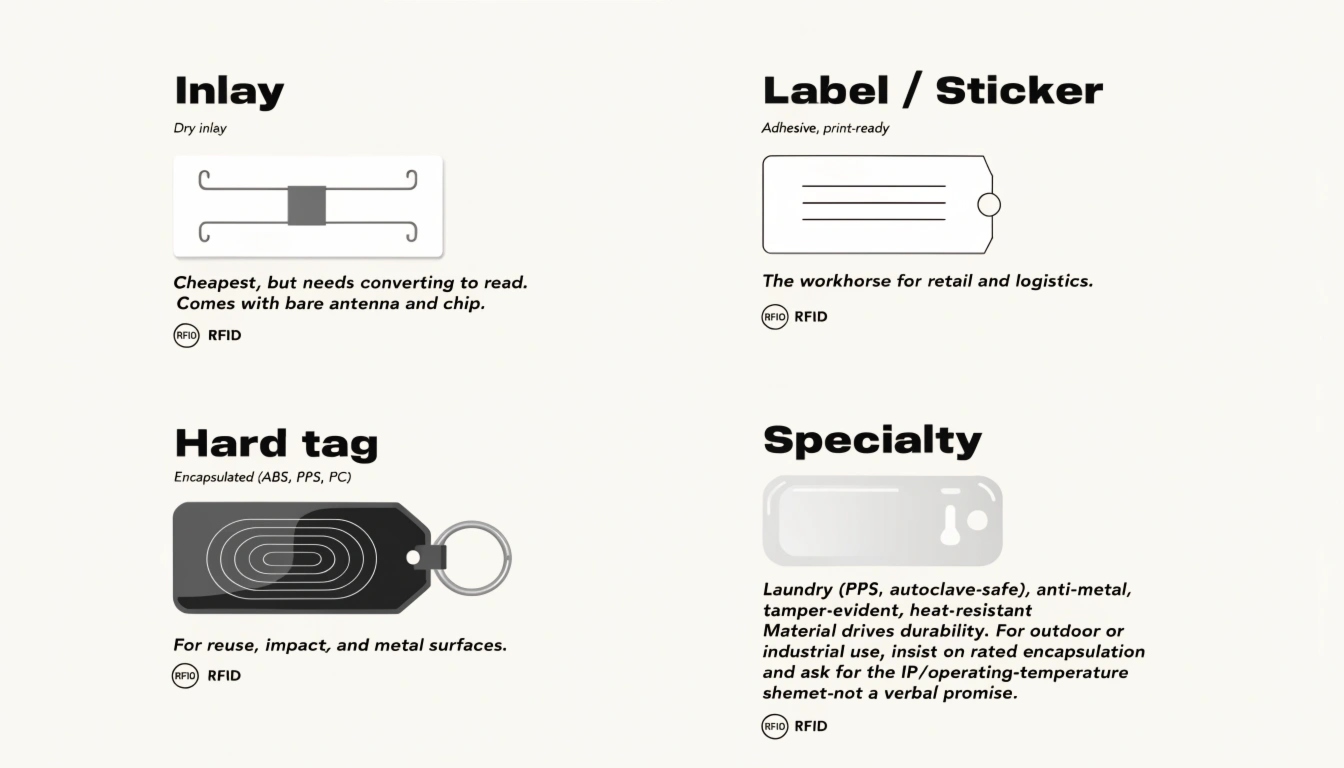
Inside a dual-interface card, the secure element is a single silicon die bonded to the contact module. The contactless path is added by laminating an antenna inlay — a thin coil plus the same chip — into the card body during manufacturing. When you insert the card, the contact reader talks to the chip directly; when you tap it, the antenna harvests energy from the reader’s RF field and reaches that identical chip.
That shared die is the whole point. There is no second processor to keep in sync and no risk of one interface reporting a balance or permission the other does not have. From a buyer’s perspective, this is what makes a dual-interface card trustworthy at scale: one root of trust, two ways to use it.
Where dual-interface cards actually pay off
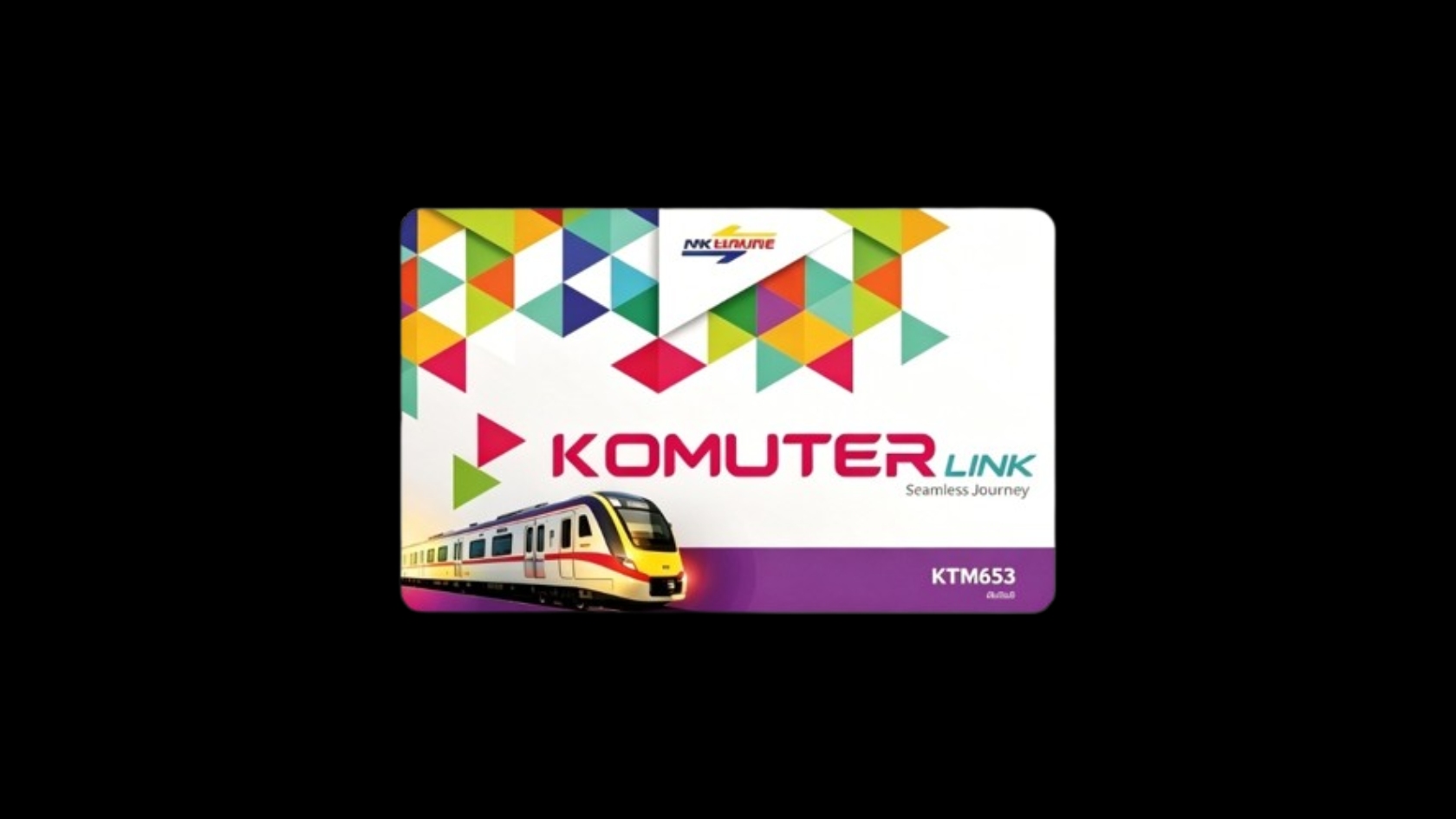
The value shows up wherever two reader types must coexist:
- Banking and payment: contact for EMV counter transactions, contactless for fast tap-and-go at POS — both on one card qualified to EMVCo standards.
- Government eID: contact for secure enrollment and certificate loading at the issuing desk, contactless for daily authentication at borders or services.
- Transit and access: a single employee or citizen credential that opens a door (contactless) and still works in a legacy contact terminal.
For the program owner, the win is concrete: one issuance workflow, one stock-keeping unit, and one fewer thing for cardholders to lose. When you are deploying millions of credentials, that simplification is a measurable cost advantage, not a nice-to-have.
Security and compliance: one credential, one root of trust
Because a dual-interface card holds a single secure element, there is no second chip that can drift out of sync or be cloned independently — a real weakness of hybrid designs. That single root of trust is what lets the same card satisfy several regimes at once:
- EMVCo contact and contactless payment specifications for banking interoperability.
- ICAO Doc 9303, the global standard behind e-passports and machine-readable travel documents, which many national eID programs align to (ICAO TRIP publications).
- NIST FIPS 201-3, the U.S. federal specification for Personal Identity Verification (PIV) credentials (NIST FIPS 201-3).
- GlobalPlatform card and secure-element specifications that govern how applications are loaded and isolated (GlobalPlatform specs library).
If your program must satisfy more than one of these, a single dual-interface credential is usually the cleanest path. Our related guide on ICAO, ISO 7810 and EMV compliance walks through the procurement checklist buyers actually use.
What to specify when you source dual-interface cards
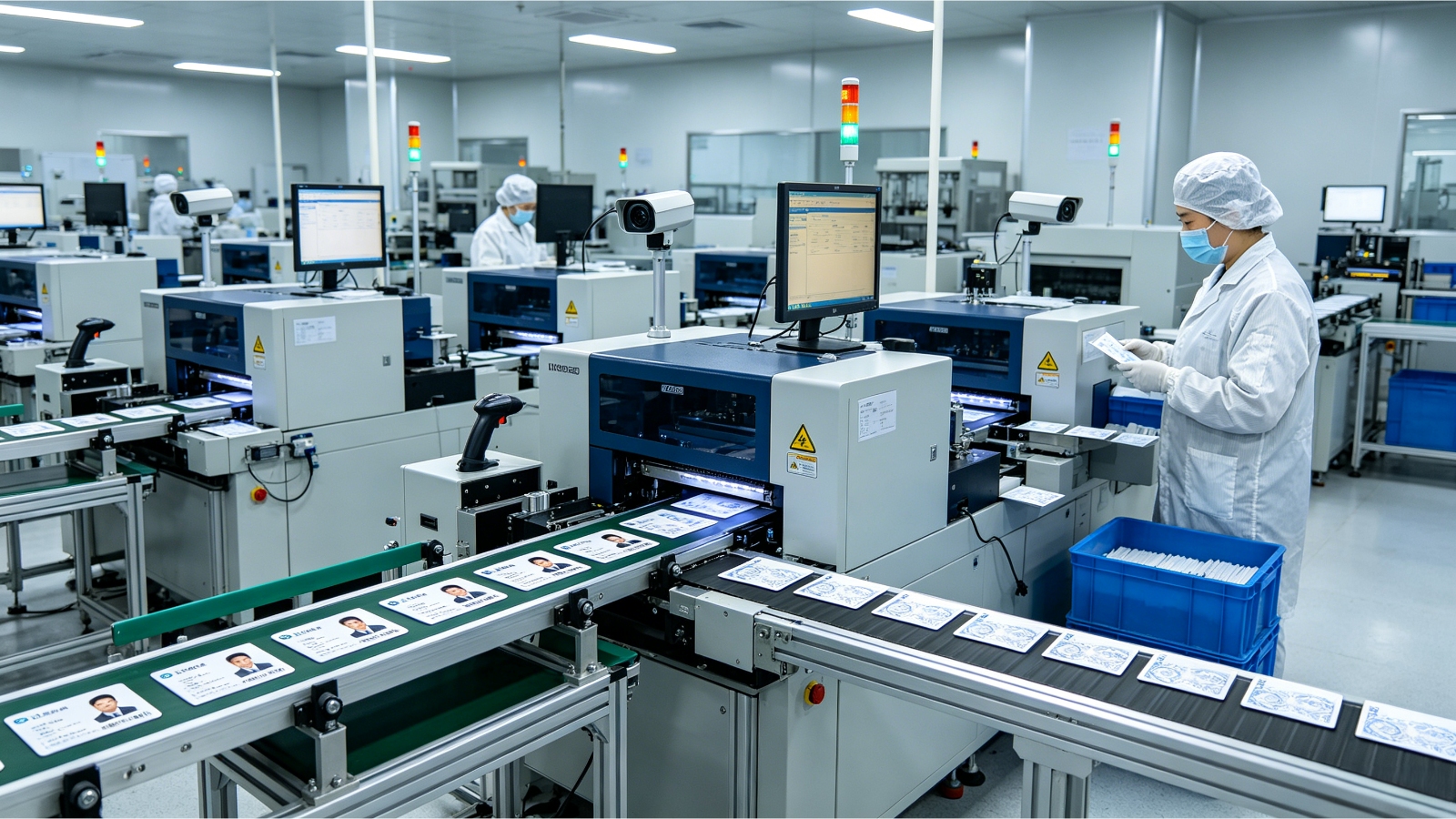
Treat the spec sheet as a buying contract, not a datasheet. At minimum, pin down:
- Chip platform and OS: Java Card or native, with enough EEPROM/flash for your applications and a roadmap you can rely on.
- Contactless protocol: ISO/IEC 14443 Type A or B, with antenna tuning verified for your reader population.
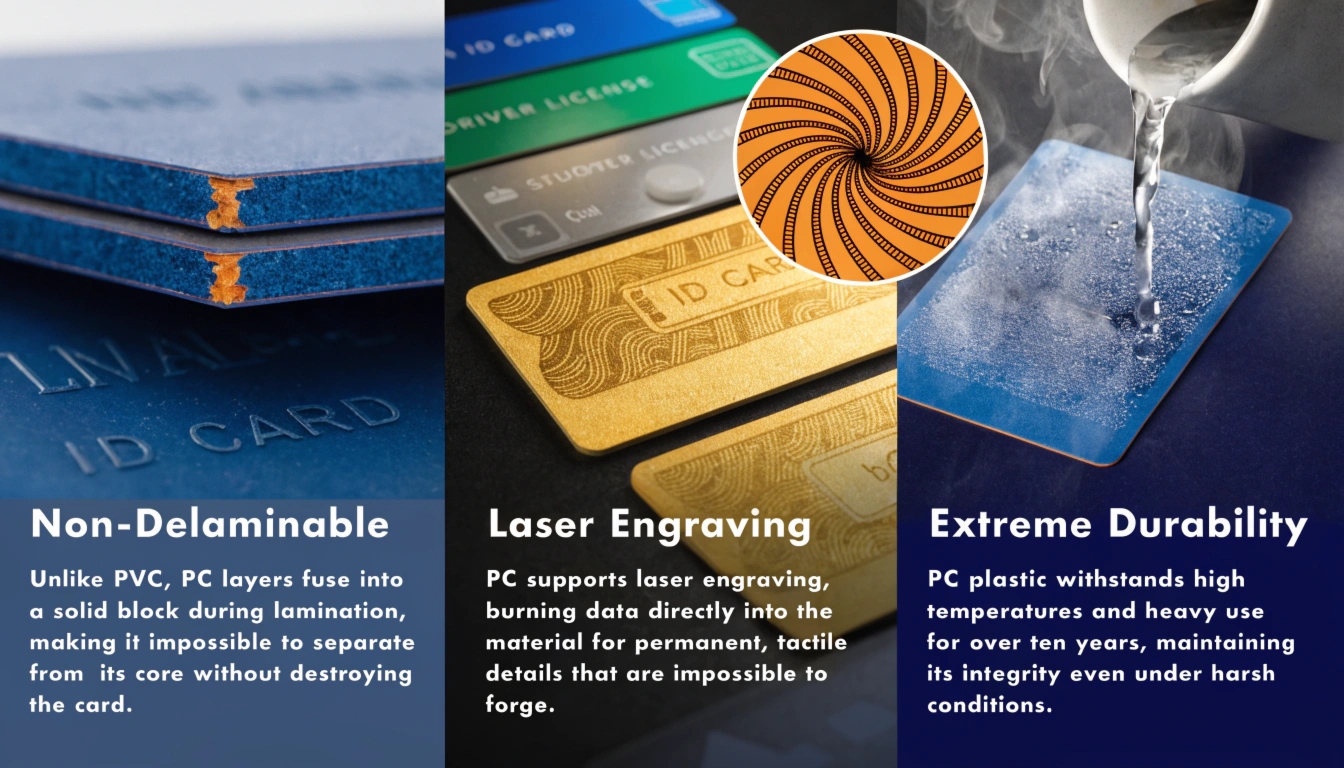
- Card body material: PVC is cost-effective for high-volume programs; polycarbonate delivers far higher durability and tamper resistance for multi-year government ID (we compare the trade-offs in our PVC vs polycarbonate vs PETG guide).
- Durability ratings: bending, temperature, and chemical resistance matched to real field use.
- Personalization: whether you need laser engraving, offset printing, or an overlay for added security.
Not sure which wireless interface your readers need in the first place? Our RFID vs NFC vs BLE breakdown helps you map the right technology to the use case before you commit to a chip.
Procurement pitfalls to avoid — and a short checklist

Buyers most often trip on a handful of avoidable mistakes:
- Calling a hybrid card “dual-interface” in the tender — clarify the single-chip requirement in writing.
- Ignoring antenna yield and tuning, which silently degrades contactless read range in the field.
- Skipping formal EMV/ICAO qualification until late, then discovering rework costs.
- Underestimating MOQ and lead time for customized dual-interface cards.
- Single-sourcing a secure component with no qualified backup.
A practical pre-award checklist: confirm single secure element, request qualification certificates, validate read range on your own readers, and agree on a sample-approval step. We cover the factory-direct vs reseller trade-off and how high-security cards actually protect data in two linked guides worth reading before you sign.
FAQ: quick answers for dual-interface card buyers
- Is a dual-interface card the same as a contactless card? No. A contactless card has only the RF interface; a dual-interface card adds the contact pad on top, so it works in both reader types.
- Can I upgrade an existing contact card to dual-interface? Functionally yes — embedding a tuned antenna inlay turns a contact card into a dual-interface one — but it requires a controlled lamination process, so it is a manufacturing decision, not a field fix.
- What is the cost delta versus a single-interface card? Typically a modest per-unit premium driven by the inlay and added testing; at volume it is usually outweighed by the savings from issuing one card instead of two.
- Do dual-interface cards meet EMV and ICAO requirements? They can, provided the chip platform and OS are qualified; always request the certificates rather than assuming.
- How do I verify a supplier’s claim? Ask for qualification docs, run your own read-range and bending tests on samples, and audit the secure line — our guide to evaluating a secure printing factory is a good starting point.
Ready to specify? Our engineering team can review your reader population, recommend a qualified chip platform, and ship free samples so you can validate read range and durability before committing to volume. Talk to us before the tender goes out — getting the interface decision right up front saves the most money.