For a passport or national ID program, the card body is not a commodity — it is the foundation of document security and service life. The plastic you specify determines whether a credential survives 10 years in a wallet, whether a laser can engrave a tamper-evident portrait, and whether the document will pass an ICAO or ISO audit. This guide compares the three materials government and institutional buyers ask about most — polycarbonate (PC), PVC, and PET/PETG — so you can match the material to the security level, lifespan, and budget of your program.
Why Card Material Is a Security and Lifespan Decision
Identity documents fail in two ways: they wear out, or they get forged. The base substrate influences both. A card body has to accept high-security personalization (laser engraving, tactile relief, changeable laser images), bond its layers so they cannot be split and re-assembled, and resist heat, flexing, chemicals and UV for the document’s full validity period — often 5 to 10 years for ID cards and up to 10 years for e-passport data pages.
Material choice also constrains the security features you can add. Laser engraving, for example, works inside the card body and requires a substrate that carbonizes cleanly — which favors polycarbonate. Cost, minimum order quantity and personalization method (retransfer or dye-sublimation vs. laser) all follow from this first decision, so it is worth specifying carefully rather than leaving it to “plastic card.”
Polycarbonate (PC): The Standard for E-Passports and National ID
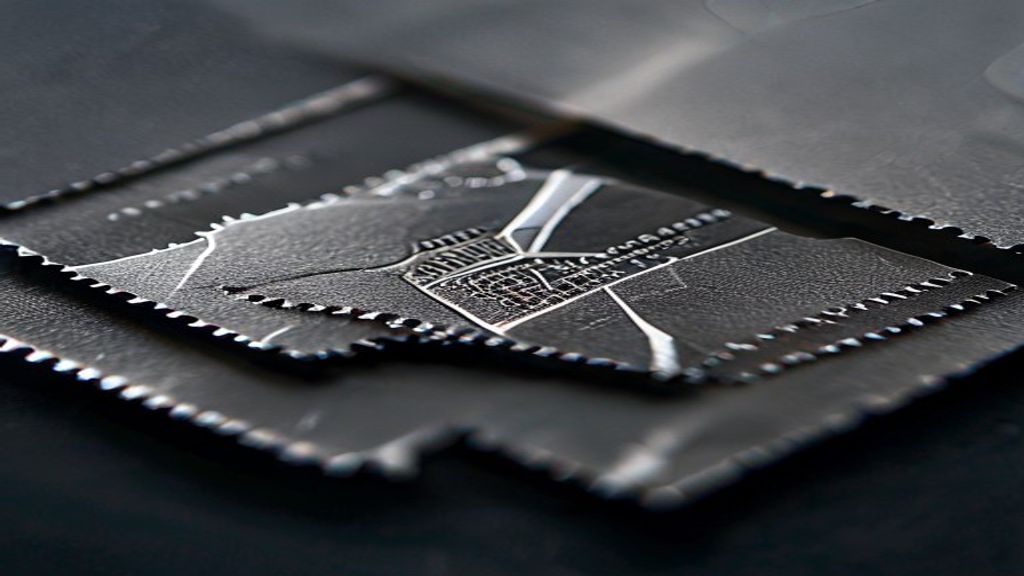
Polycarbonate is the material behind most modern e-passports and high-assurance national ID cards, and for good reason. Its layers are fused under heat and pressure into a single monolithic body, so the card cannot be delaminated and re-assembled without destruction — a property that makes split-layer substitution attacks impractical. Personalization is done by laser engraving inside the card, producing a portrait and data that cannot be scraped or reprinted.
For programs that must meet international travel and identity standards, polycarbonate is the safe default. The ID-1 card format (85.6 × 54 mm) is defined by ISO/IEC 7810:2019, and ICAO Doc 9303 sets the global standard for machine-readable travel documents including e-passports. Polycarbonate meets both while delivering the longest service life — typically the full 10-year validity of a passport or national ID. The trade-off is cost: PC cards need laser personalization equipment and higher per-unit pricing, which is why they suit high-value, long-life credentials rather than disposable badges. See our guide to card printing methods and surface finishes for how personalization method maps to material.
PVC and PET/PETG: Where They Fit in Government Programs
PVC is the workhorse of the card industry — cheap, easy to print, and perfect for short-life credentials such as visitor badges, temporary access cards, and event passes. Its weakness is durability: PVC softens under heat, yellows with UV, and its laminated layers can be pried apart, so it is a poor fit for a 5- to 10-year government ID.
PETG (and its amorphous cousin PET) sits between PVC and polycarbonate. It is more heat- and chemical-resistant than PVC, holds print better, and is often used where a tougher card is needed without moving to laser-engraved PC. Government programs typically use PETG for mid-life staff credentials, membership cards, and cards that must survive daily handling but do not carry the highest security tier. None of these three substitutes, however, matches polycarbonate’s tamper resistance for a national-scale ID.
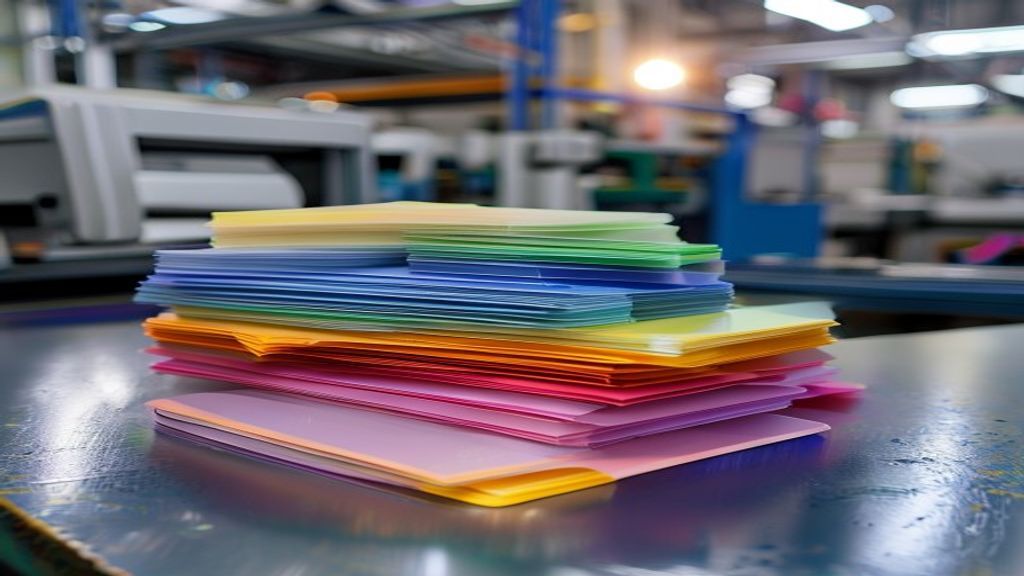
Side-by-Side: Durability, Security, Cost and Compliance
Choosing comes down to matching the material to the risk and lifespan of the credential:
- Polycarbonate — highest durability and tamper resistance, laser personalization, 10-year life, highest cost. Best for e-passports and national ID.
- PETG/PET — good durability, printable by retransfer, mid-life suitable, moderate cost. Best for staff and membership credentials.
- PVC — lowest cost and easiest to print, but shortest life and weakest security. Best for temporary or disposable cards.
From a compliance view, only polycarbonate comfortably supports the laser-engraved, tamper-evident personalization that high-assurance programs require. If forgery resistance is a priority, review our anti-counterfeit ID card guide for the feature stack that pairs with the right substrate.
How to Specify Card Material in a Government ID Tender
A precise material clause prevents suppliers from downgrading your cards to cheap PVC. State the substrate explicitly (for example, “polycarbonate, minimum 99% PC core”), require laser engraving for personalization, and reference the standards you expect (ISO/IEC 7810 for format, ICAO Doc 9303 for e-passport data pages). Ask for accelerated aging and flex test reports so you can verify the claimed lifespan before awarding the contract.
Also define acceptance criteria in the tender: sample cards should survive the heat, chemical, and flex resistance tests you will later repeat at goods-in. Our smart card RFQ specification template gives you a copy-paste clause set covering material, personalization, and compliance so your procurement team does not start from a blank page.

Frequently Asked Questions
Is polycarbonate worth the higher cost for a smaller ID program?
If the credential must last 5+ years or carry high-security personalization, yes — the lower failure and re-issue rate usually offsets the higher unit cost. For short-life or low-risk cards, PETG or PVC is the economical choice.
Can PVC cards meet ISO/IEC 7810 and ICAO requirements?
PVC can meet the ISO/IEC 7810 physical format, but it cannot deliver the laser-engraved, tamper-evident security that ICAO Doc 9303 e-passport programs expect. Use PVC only where the security tier is low.
What personalization method works best with each material?
Polycarbonate requires laser engraving; PVC and PETG are typically personalized by retransfer or dye-sublimation printing. Match the method to the substrate before you specify equipment.
How do I stop split-layer forgery in the field?
Specify a monolithic polycarbonate body and laser engraving — the fuse-bonded layers make delamination-and-reassembly attacks visible and impractical, which is why high-assurance programs standardize on PC.
Conclusion
The right card material is the one that matches your program’s security tier, lifespan, and budget — not the cheapest plastic available. Polycarbonate remains the standard for e-passports and national ID; PETG covers durable mid-tier credentials; PVC serves temporary cards. Start your specification from our ID card issuance program guide, and contact our team to review your material and personalization requirements against your compliance targets.