China’s GB 43631 raises the anti-counterfeiting and safety bar for children’s paper products — notebooks, art supplies, workbooks and educational materials. If you manufacture, brand or import these goods for the Chinese market, the standard now expects verifiable traceability, non-toxic tamper-evident materials, and labels that survive real-world handling. This guide explains what the rule requires, which technologies satisfy it without inflating unit cost, and how to vet a supplier so you avoid rejected shipments, recalls and lost retailer trust.
What GB 43631 Means for Buyers of Children’s Paper Products
For a purchasing or compliance manager, GB 43631 is less about technical jargon and more about protecting your brand from two expensive outcomes: counterfeits that erode consumer trust, and non-compliant stock that gets held at customs or pulled from shelves. The standard treats authentication and child safety as one connected problem — a counterfeit children’s notebook is not just a lost sale, it may also carry unsafe inks or coatings that a genuine, certified product would never use.
China’s national standards, including GB series requirements, are published through the official SAMR national standards portal, and enforcement is increasingly digital-first. The practical takeaway for buyers: specify compliance before you place an order, not after, and make your supplier prove it. For a broader view of how these paper-based defenses work, our overview of modern anti-counterfeiting technologies is a useful companion read.
Key Compliance Requirements at a Glance
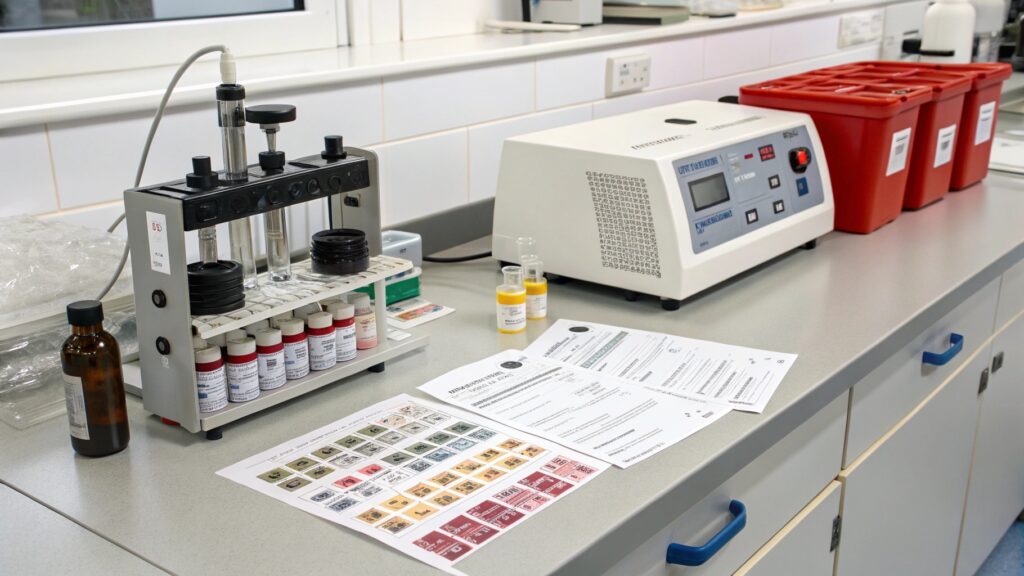
China’s updated GB 43631 standard mandates stricter anti-counterfeiting measures for children’s paper products, including notebooks, art supplies and educational materials. In plain procurement terms, three pillars matter most:
- Traceability: unique QR codes or serialized labels that let you (and the end consumer) authenticate a single unit.
- Material safety: non-toxic, low-migration materials with tamper-evident features — because the buyer of a children’s product is buying safety, not just paper.
- Durability: labels and security features that withstand friction, humidity and repeated handling by children without peeling or fading.
Anti-Counterfeiting Technologies That Meet the Standard
You do not need every technology at once. The smart approach is to match the security level to your risk and margin. These four options cover the vast majority of GB 43631 use cases:
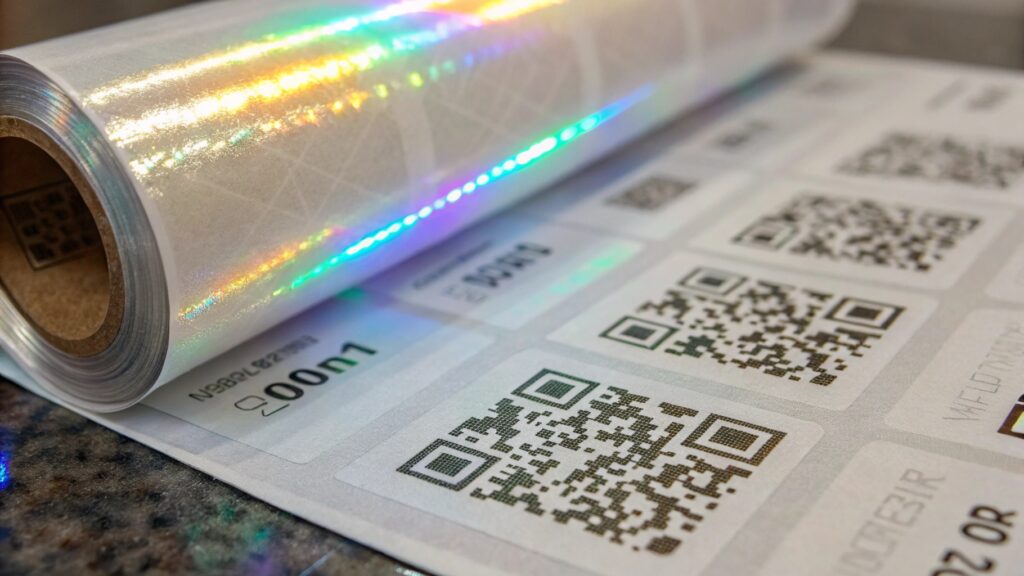
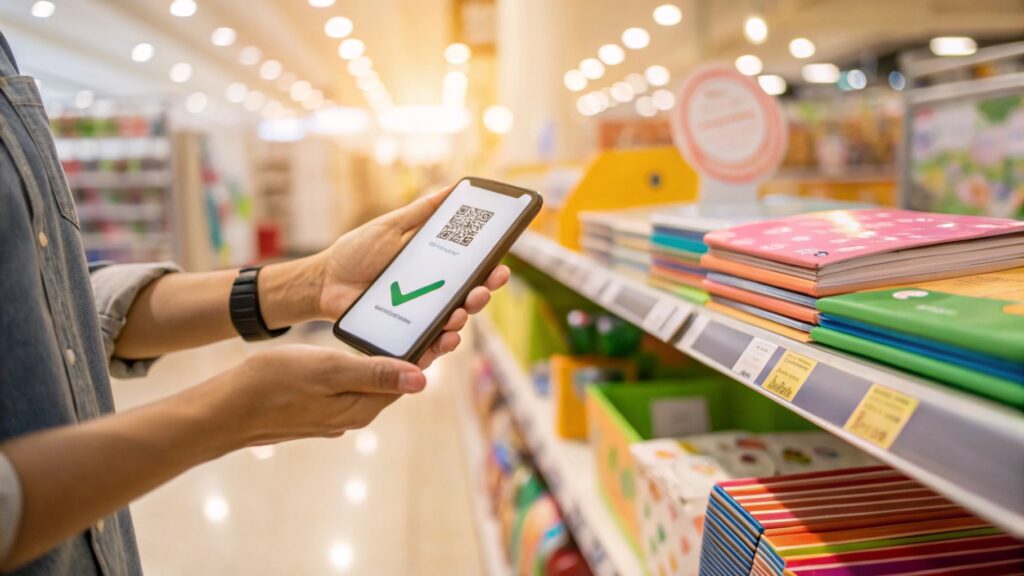
1. Smart QR codes. Embed encrypted, one-time-scan QR codes tied to a verification backend so consumers can confirm authenticity in real time. One stationery brand reported roughly a 75% drop in counterfeits after switching to traceable QR tags — proof that visible, scannable authentication changes buyer behavior.
2. Eco-friendly holographic films. Use recyclable or biodegradable holographic films with hidden UV patterns (for example, a “SAFE FOR KIDS” mark visible only under UV light). This adds an overt, hard-to-copy feature that also reassures parents at the shelf. If you are weighing overlay options, see our primer on holographic overlays.
3. Tear-evident security paper. Integrate synthetic fibers into the paper pulp so any tampering causes irreversible, visible damage. This aligns with recognized durability and authentication practice under ISO 22383, the current international standard for authentication solutions against counterfeiting.
4. Thermochromic ink labels. Color-changing inks that react to touch or temperature give a fast, tool-free authenticity check — ideal for children’s art kits where an interactive cue also adds shelf appeal.
Your Implementation Roadmap for GB 43631
- Gap analysis: review your existing labels and packaging against the technical appendix of GB 43631 to see what is missing.
- Pilot testing: run abrasion and chemical-resistance tests before mass production (see the key parameters in Table 1 below).
- Supplier certification: partner with ISO 14298-certified security paper mills so quality is systemic, not accidental.
Table 1: Key Test Parameters Under GB 43631
| Test Type | Standard | Compliance Threshold |
|---|---|---|
| Abrasion Resistance | ISO 2836 | ≥500 cycles |
| Chemical Exposure | GB/T 450 | No label degradation |
Cross-Border Compliance: Aligning GB 43631 With EU and US Rules
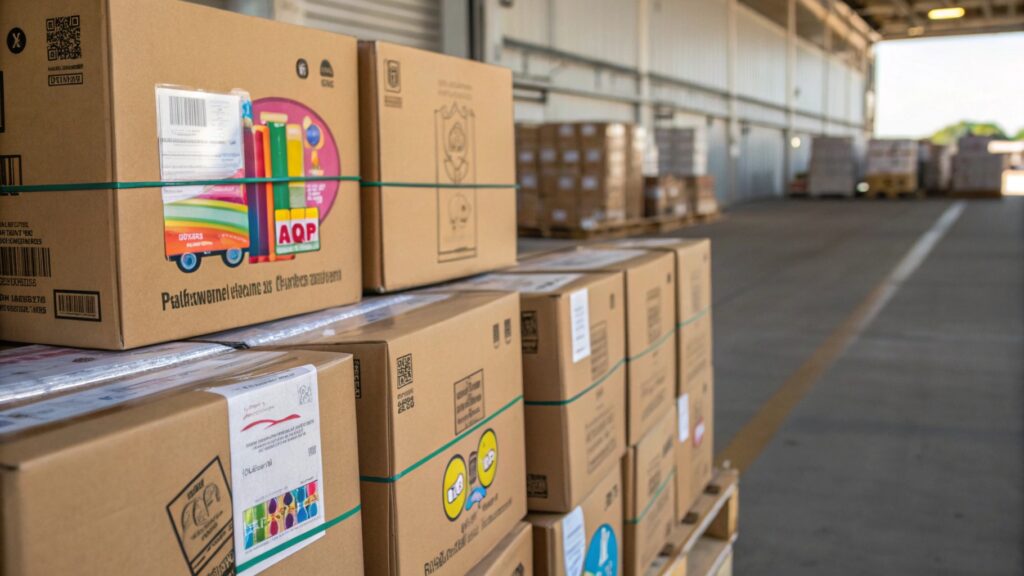
If you sell across markets, treat GB 43631 as one layer in a stack rather than a standalone hurdle:
- EU and US importers: combine GB 43631 with EN 71-3 (EU migration limits) and ASTM F963 (the US toy-safety standard enforced by the U.S. Consumer Product Safety Commission) so a single production run clears multiple borders.
- Local production: use NFC or QR tags for dual compliance — meeting GB 43631 while feeding China’s digital product-labeling initiatives.
For a wider procurement lens on paper-based security across regions, see our global anti-counterfeit paper procurement guide.
Case Study: What Successful Adoption Looks Like
A Shenzhen-based manufacturer upgraded to thermochromic ink labels (color changes when touched) for children’s art kits. The measurable results tell the business story better than any spec sheet:
- 40% faster retailer approvals, because buyers could verify compliance on sight.
- 90% reduction in consumer complaints related to authenticity and quality.
How to Choose a Compliance-Ready Supplier
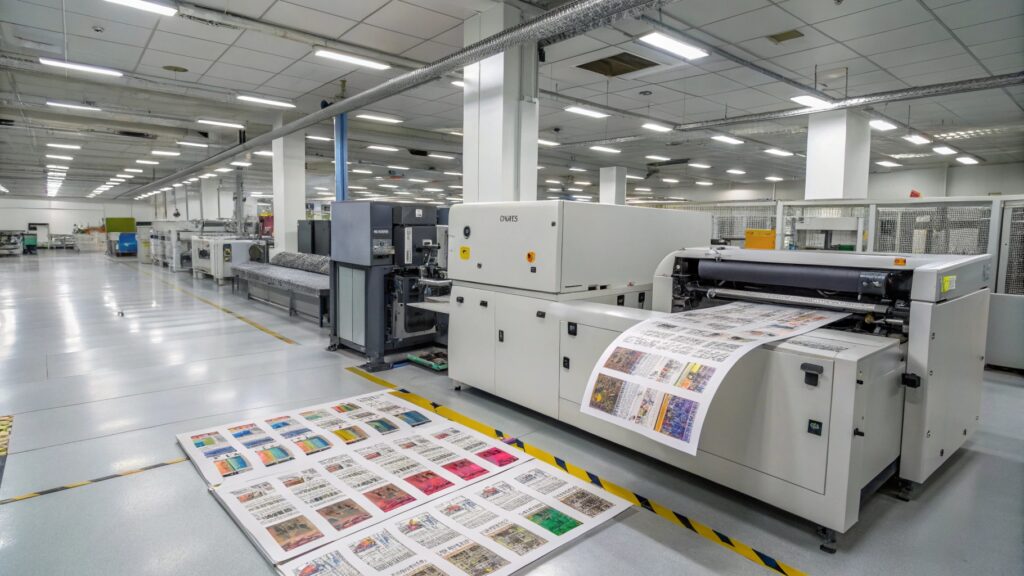
The right partner does more than print — they de-risk your entire program. Use this short checklist when you shortlist vendors:
- Certifications on file: ISO 14298 for security printing management and documented GB 43631 test reports — ask to see them, not just claims.
- Sampling speed: pre-compliance sample labels with a short turnaround let you validate before committing to volume.
- Scalable customization: capacity for holographic films, RFID/NFC tags and GB 43631-ready security paper under one roof reduces coordination risk.
- Traceability infrastructure: a working QR/serialization backend, not just printed codes.
For a deeper, standards-based procurement framework you can reuse across product lines, our security paper procurement guide and the broader anti-counterfeit packaging solutions overview are practical next steps.
Frequently Asked Questions
Can existing labels be modified for GB 43631?
Yes. In many cases you can retrofit rather than redesign — adding tamper-evident coatings, UV markings or NFC/QR stickers to existing artwork. A gap analysis with your supplier will show whether a retrofit is enough or a full material change is needed.
What is the compliance timeline?
Enforcement is being phased in, so the safest position is to treat GB 43631 as already in effect for new orders. Building compliance into current production runs avoids a last-minute scramble and the cost of reworking stock.
Do anti-counterfeiting features make children’s products less safe?
No — done correctly, they do the opposite. GB 43631 requires that authentication features use non-toxic, low-migration materials, so the security layer itself must meet child-safety limits. This is why material safety and traceability are specified together.
How much do these upgrades add to unit cost?
Less than most buyers expect. QR-based traceability is inexpensive at volume, and overt features like holographic films or thermochromic inks are chosen selectively based on your risk profile. The cost of a single recall or a customs rejection almost always exceeds the incremental cost of compliance.
Get GB 43631-Ready Samples and a Compliance Plan
As a certified anti-counterfeiting solutions provider, we help brands and importers move from uncertainty to a documented, audit-ready program — with bulk customization of holographic films, RFID/NFC tags and GB 43631-ready security paper, plus pre-compliance sample labels on a fast turnaround. Contact our team to request samples and a tailored compliance plan for your children’s paper products.