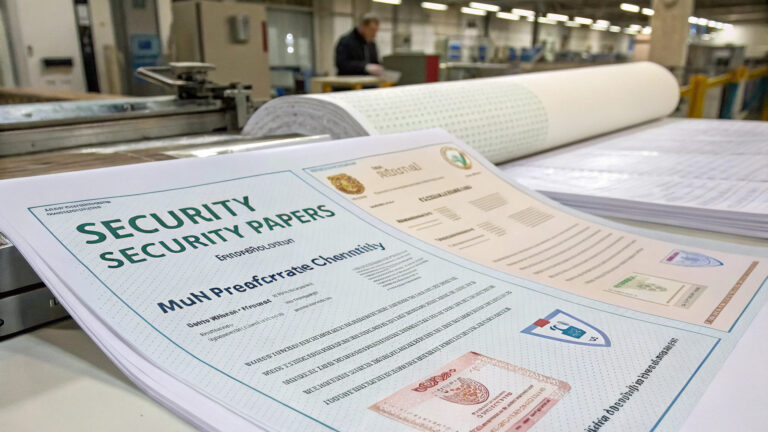
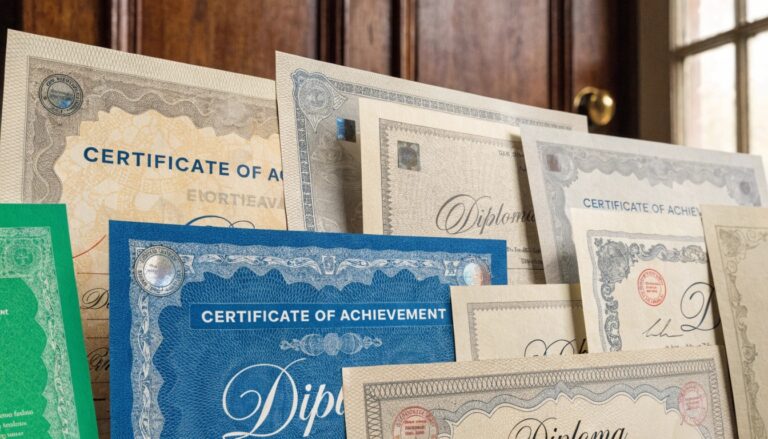
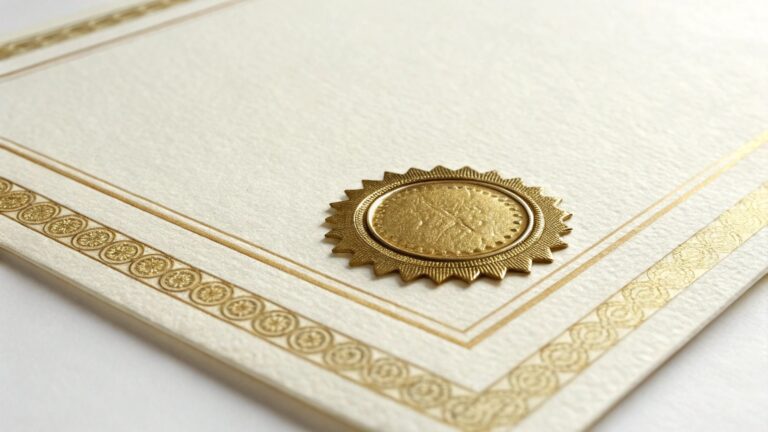
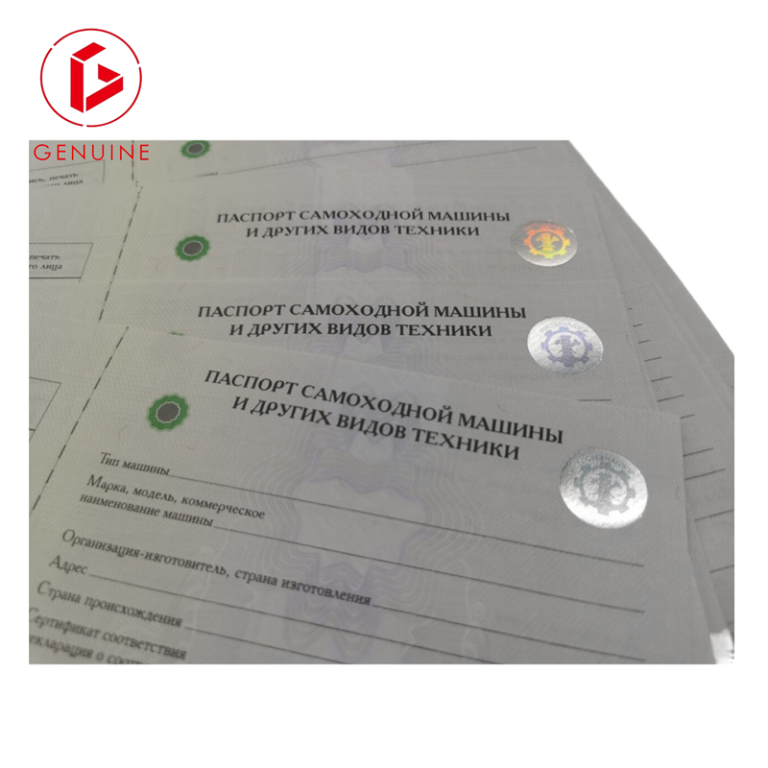
You approved the artwork, wired the deposit, and waited for delivery — only to find that the “currency paper” you bought is glorified stationery that tears, yellows, and feels like office copy stock. For certificates, vouchers, or secure documents, that failure is not merely cosmetic: it undermines the very trust your document is meant to carry. This guide shows B2B buyers where to buy currency paper that is genuinely security-grade, how to separate it from retail imitation, and exactly what to demand from a supplier before you commit.
For professional B2B work, buy currency paper directly from a specialized security-paper manufacturer — not a consumer marketplace. Retail platforms sell “money-like” hobby sheets; they cannot supply the 75% cotton / 25% linen substrate, custom watermarks, or embedded security threads that make a document defensible. The composition is not a marketing detail — the U.S. Bureau of Engraving & Printing documents that banknote paper is a cotton-linen textile, chosen because long fibers survive circulation that would destroy wood-pulp sheets.
Why Currency Paper Is a Textile, Not Stationery
Most buyers assume currency paper is just heavy white paper. It is not — it is a textile blend, typically 75% cotton and 25% linen. That distinction drives every performance characteristic you care about.

- Durability: wood-pulp paper tears and yellows; cotton-linen stock withstands repeated folding, friction, and environmental stress for decades.
- The “snap”: that crisp sound a new note makes comes from the linen content. Without it, certificates and vouchers feel like photocopies — and low perceived value invites tampering.
- Security integration: long cotton fibers accept embedded watermarks and threads far better than short wood fibers, which is why security printers specify cotton-linen worldwide.
If a supplier cannot state the fiber composition on the spec sheet, treat that as a red flag. For deeper background on specification, see our guide to specifying security paper for certificates and diplomas.
The Real Risk of Retail Marketplaces for B2B Buyers
Amazon and eBay are convenient for one-off hobby projects. For procurement they are a liability, for three concrete reasons.

- Zero genuine customization. A marketplace seller cannot weave your company logo into a cylinder-mould watermark or embed a custom thread — those are papermaking-stage processes, not print-on-top effects.
- “Security theater.” Retail sheets rely on generic UV fibers that counterfeiters can buy off the shelf. Decorative features that anyone can replicate are not authentication.
- Inconsistent supply. A 10,000-sheet program needs identical stock across every batch. Marketplace sellers routinely change source lots, leaving you with mismatched paper mid-run.
This is the core trade-off: a lower unit price up front against batch inconsistency and no chain of custody. If your document carries monetary or legal value, that trade is rarely worth it.
What Security-Grade Paper Actually Contains
A specialist mill builds protection into the sheet itself. When you source from a professional supplier, these are the features you should be able to specify and verify.

- Cylinder-mould watermarks: variations in fiber thickness created in the wet sheet, visible only against light — not a surface print that can be lifted or photocopied.
- Custom security threads: metallic, holographic, or micro-printed threads woven directly into the paper, with your own markings if required.
- Chemical sensitivities: treatments that react to bleach or solvents, so any attempted wash or alteration leaves an immediate visible trace.

Layer overt and covert features rather than relying on any single one. The international benchmark for document authentication is ISO 12931, which frames how security features should be selected and verified. For a feature-by-feature comparison, see our anti-counterfeit paper technology comparison.
How to Verify a Supplier Before You Wire Funds
Before you commit budget, run this checklist. If any answer is “no” or “I don’t know,” walk away — your document’s integrity is worth more than a cheap quote.

- Fiber composition: demand the exact cotton-to-linen ratio in writing — not a vague “premium paper” claim.
- Feature integration: confirm the watermark is embedded during papermaking, and ask to see a backlit sample.
- Scalability: verify the mill can deliver 100,000+ sheets at consistent GSM, with documented batch-to-batch tolerances.
- Quality system and custody: look for a certified security-printing operation — Intergraf publishes recognized security-printing certification criteria — plus a clear chain-of-custody and anti-diversion process.
Insist on a physical sample from the production line, not a marketing swatch. Our supplier-selection checklist applies the same vetting logic to related security components.
Total Cost of Ownership: Why the Cheapest Sheet Costs More
Unit price is a poor proxy for value. A cheap sheet that fails mid-program triggers reprints, re-encoding, redistribution, and — worst of all — a loss of trust in the document itself. Evaluate cost per accepted document over the full lifecycle, not price per sheet.
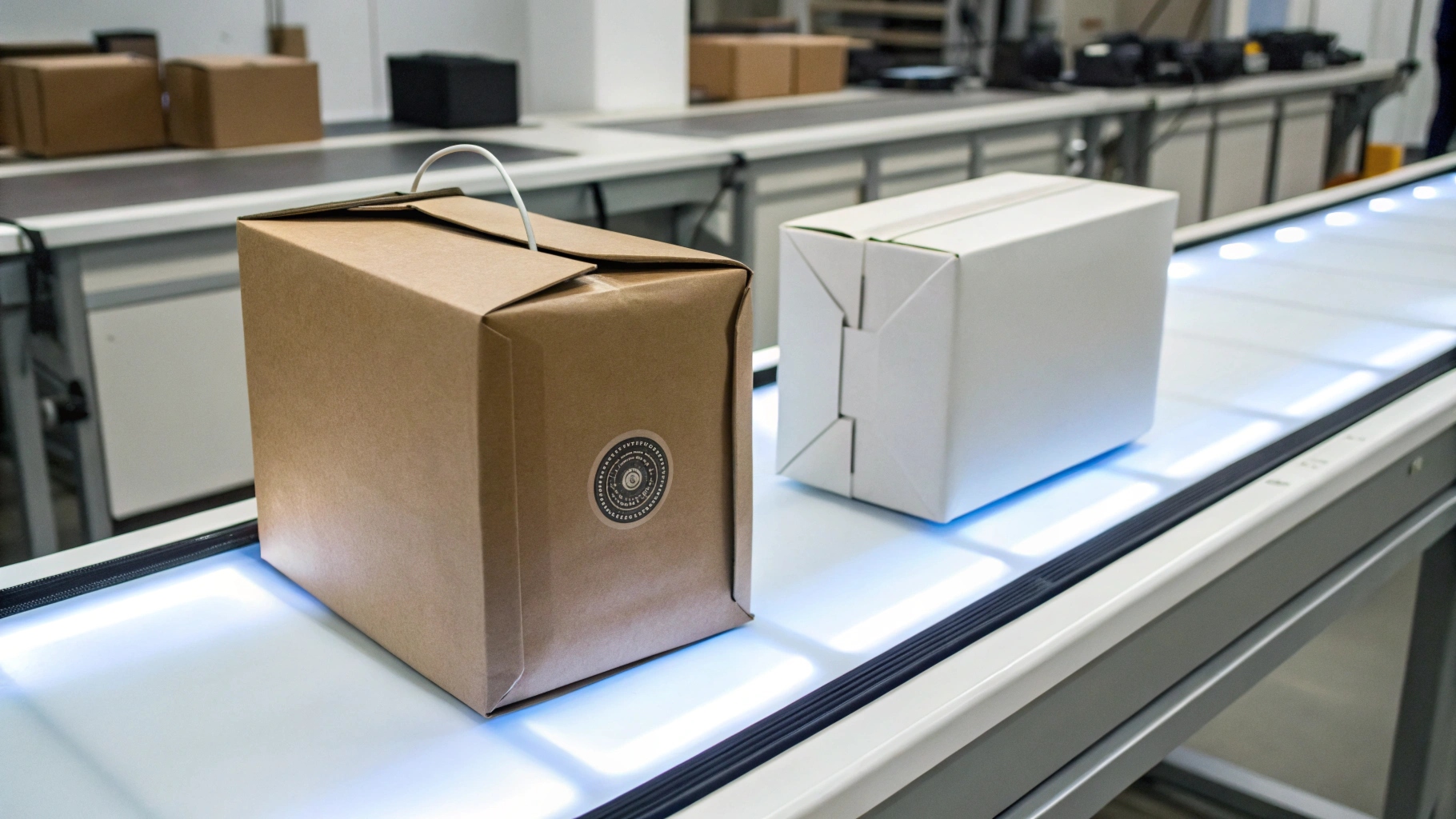
When you factor in rejection rates, downtime, and the reputational cost of a compromised certificate or voucher, a certified substrate with consistent GSM and documented features usually wins on total cost. Ask suppliers for measured tolerances and reference programs — not just a per-sheet quote. Our currency paper buying guide walks through the full sourcing decision.
Frequently Asked Questions
Is it legal to buy cotton currency paper for business documents?
Yes. Cotton-linen security paper is legal to buy, sell, and print on worldwide; governments and institutions use it for certificates, licenses, and high-value documents. The restriction is on reproducing actual banknotes, not on using the substrate for legitimate documents.
Why is cotton used instead of ordinary wood-pulp paper?
Cotton and linen fibers are longer and stronger than wood pulp, so the sheet resists tearing, folding, and yellowing — and it accepts watermarks and threads that wood-pulp paper cannot hold cleanly. That is why central banks have relied on cotton-linen for decades.
Can a supplier embed my company’s logo as a watermark?
Yes. A cylinder-mould watermark is created in the wet sheet, so a specialist mill can produce a custom design or logo. Retail sellers cannot offer this — it requires papermaking equipment, not a desktop printer.
What minimum order quantity should I expect?
MOQ depends on whether features are custom or off-the-shelf. Custom watermarks and threads usually carry higher minimums because the paper machine must be set up for your design; stock security paper starts lower. Ask for both options and a sample run before scaling.
Your Next Step
Choosing where to buy currency paper defines the integrity of your project. Retail sites are fine for play money; for certificates, vouchers, and secure documents you need a partner who understands the science of security. Request a physical sample and a written spec sheet, and compare fiber composition, feature integration, and batch consistency before you commit. Tell us your application, volume, and security requirements — we will recommend a substrate and send samples so you can verify the difference yourself. Contact our team to request samples and a factory-direct quote.