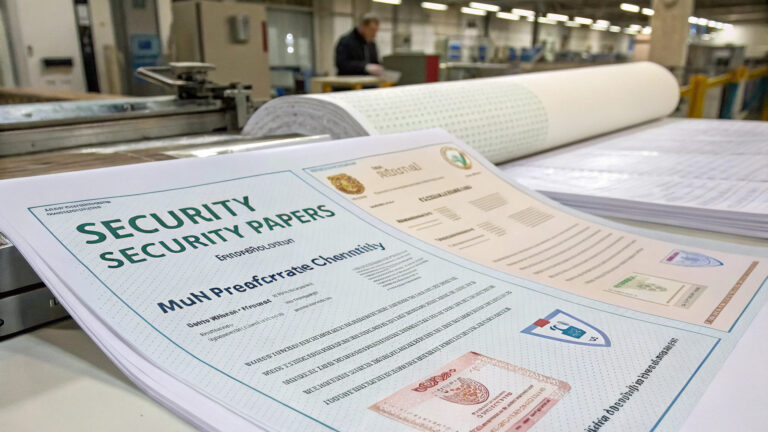
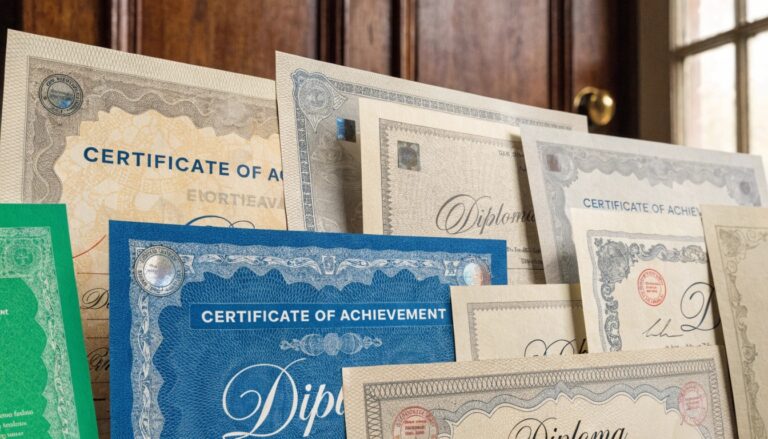
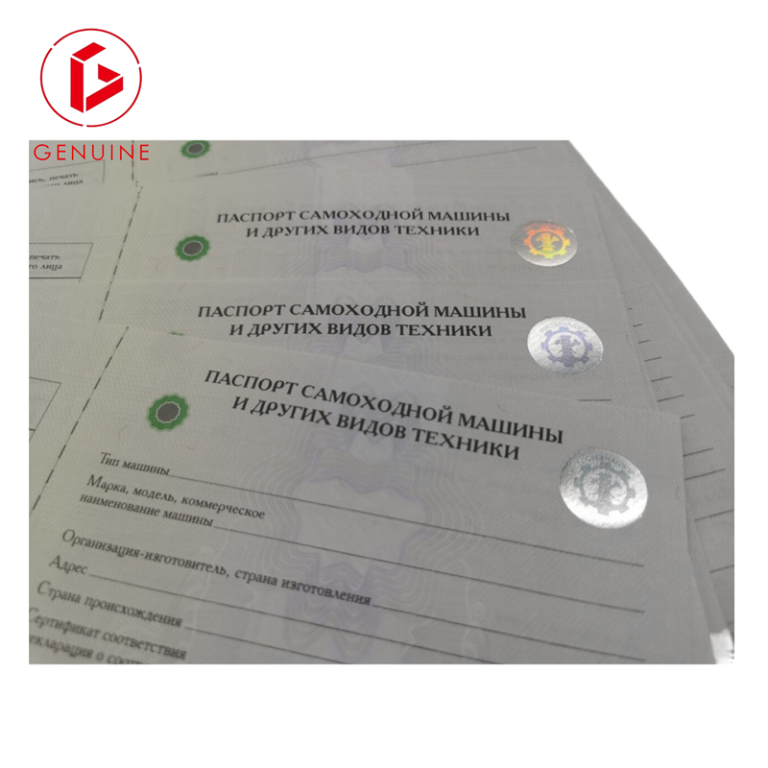
When you need to buy currency paper or any security-grade substrate for certificates, vouchers, or negotiable instruments, the purchase decision is rarely about price per sheet. It is about whether the document will survive years of handling, resist replication, and stand up to scrutiny from inspectors, banks, and counterfeiters. Consumer marketplaces promise speed and low cost — but for security paper, that convenience is exactly where the risk lives.
Retail platforms such as Amazon or eBay are built for one-off, low-stakes purchases. They are not equipped to deliver the substrate integrity, traceability, and customization that a banknote, certificate, or high-value voucher program demands. This guide explains where retail fails, what professional security paper actually contains, and how to vet a supplier you can defend to your compliance team.
Why Consumer Marketplaces Fail Security-Grade Paper
If you are browsing retail sites to buy currency paper, what you are most likely finding is “money-like” bond paper. For a hobby project that may be fine. For a business that issues value-bearing documents, it is a liability. Here is where consumer platforms consistently fall short:
- Zero embedded security. Most retail paper has no real watermark formed inside the fibers and no security thread. A document printed on it can be copied on any office printer.
- No customization. Ask an eBay seller to embed your organization’s logo as a watermark or a color-shifting thread and the answer is no. For B2B issuance, bespoke security marks are a requirement, not a luxury.
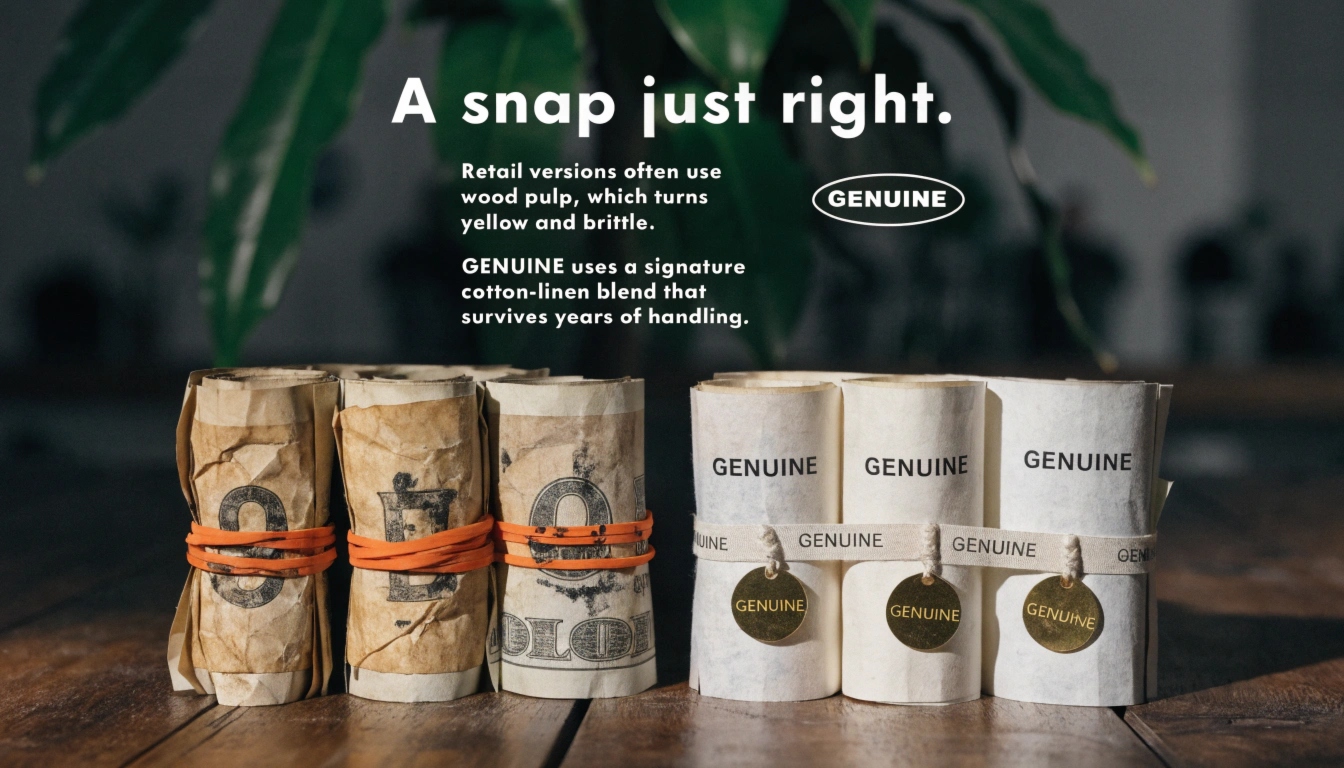
- Wrong substrate. Retail stock is typically wood pulp, which yellows, brittles, and loses its “snap” within months. Professional security paper uses a cotton–linen blend engineered for a decade of handling.
- No chain of custody. Consumer sellers cannot tell you where the pulp came from, who handled it, or whether it was diverted from another use — a non-starter for regulated issuers.
What Professional Currency & Security Paper Actually Contains
The single most important lesson for any procurement manager is this: a genuine security substrate is defined by what is embedded inside the sheet, not by how it looks in a product photo. Professional currency and certificate paper typically integrates several layered defenses:
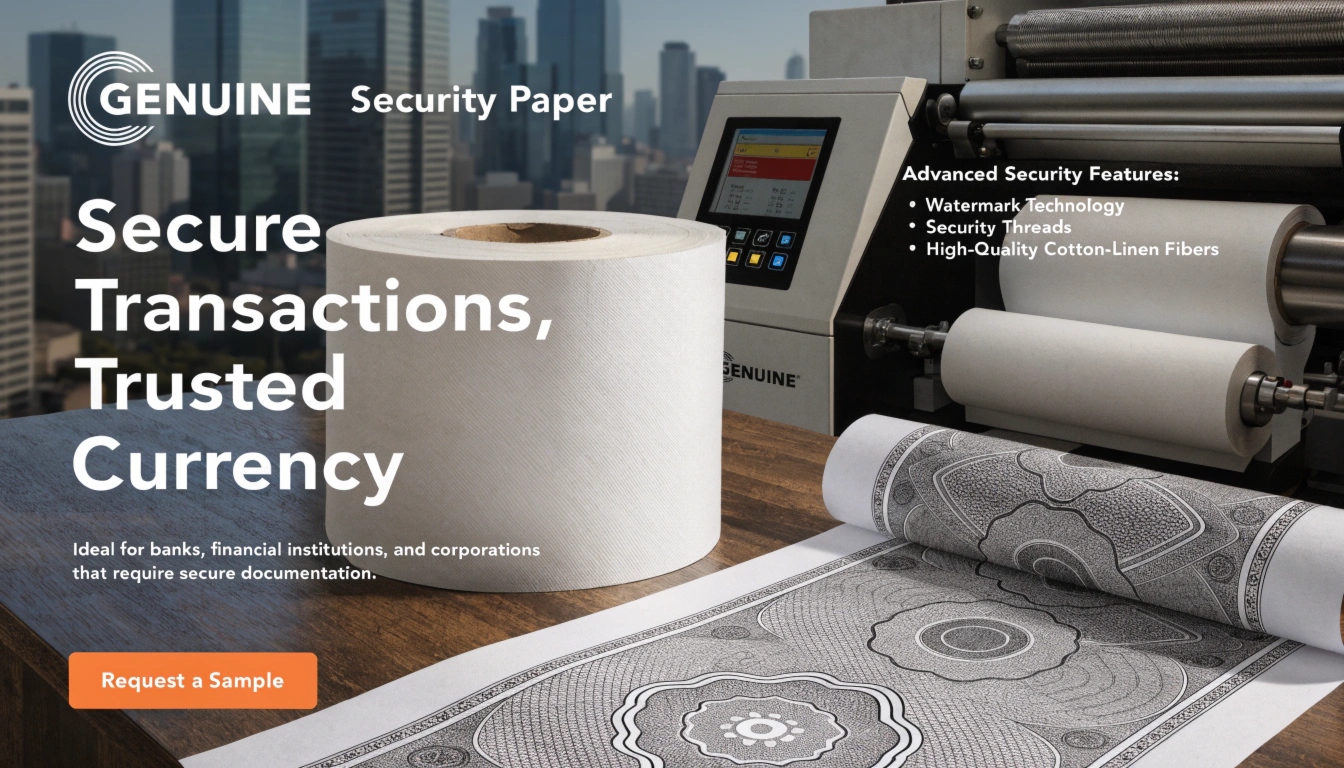
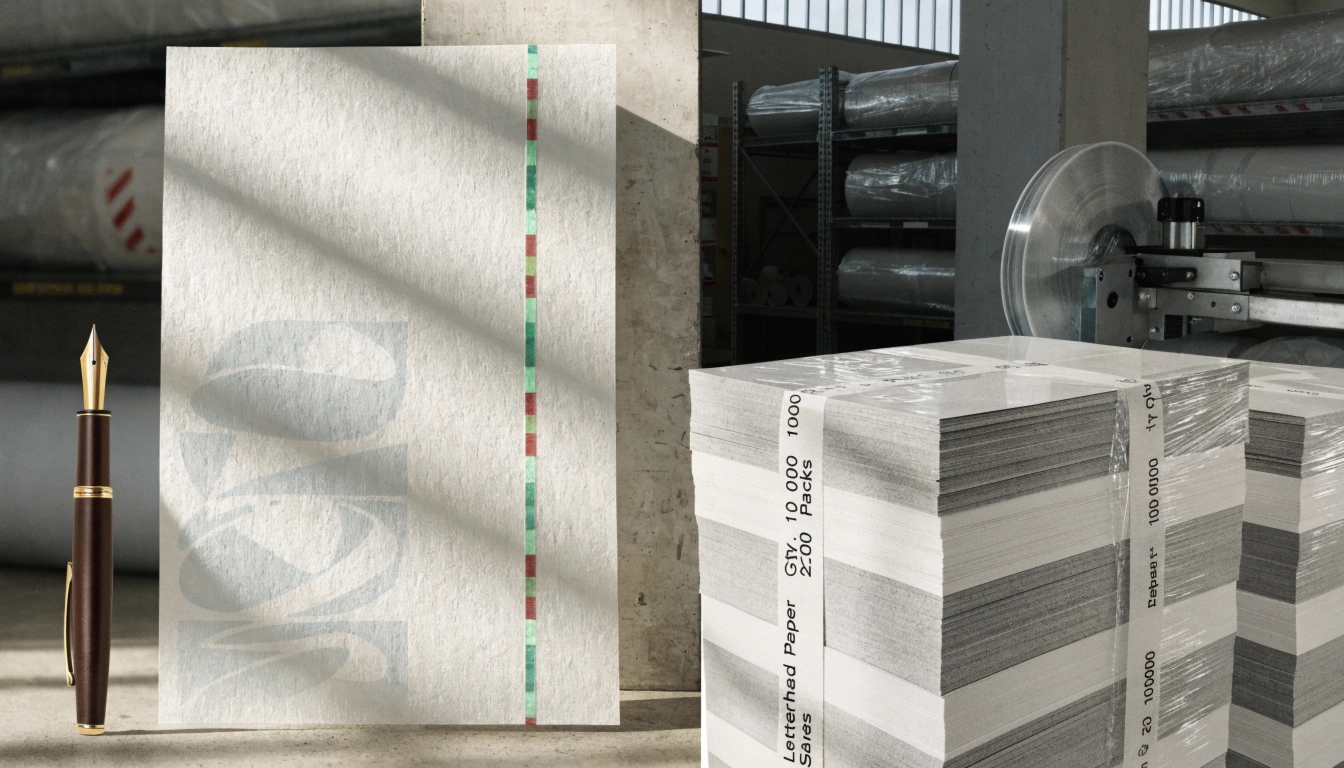
- Laid or molded watermark formed during sheet formation — visible only when held to light.
- Embedded security thread (sometimes color-shifting or microprinted) running through the substrate.
- Cotton–linen fiber blend that gives the crisp tactile “authority” and long-term durability.
- UV-reactive fibers or marking that reveal a defined pattern under ultraviolet light.
These features are what let a banknote, passport, or certificate be authenticated at a glance or under a loupe. Industry bodies such as Intergraf and authentication standards like ISO 12931 exist precisely because “looks like money” provides no protection at all. When you buy currency paper, you are really buying a set of verifiable physical proofs.

Why a Specialized B2B Security Printer Beats Retail
A specialized security printer is not a “premium version” of a retail seller — it is a different category of supplier. When you source through one, you gain capabilities a marketplace cannot offer:
- Tailored security features. Bespoke watermarks, custom security threads, and brand-specific marks integrated into the substrate itself.
- Tactile authority. A correct cotton–linen blend delivers the fibrous texture that signals authenticity to the touch — something consumer stock cannot replicate.
- Batch-to-batch consistency. In a 100,000-unit order, every sheet matches the first — critical when downstream personalization depends on uniform substrate behavior.
- Compliance support. Documentation, traceability, and specifications your auditors will ask for.
For issuers specifying documents beyond the paper itself, our security paper RFQ specification guide walks through the feature-by-feature checklist to put in a request for quotation.
How to Vet and Verify a Security Paper Supplier
Before you commit to any supplier — retail or specialized — request three proofs, and treat silence as a red flag:
- Fiber verification. A documented cotton/linen ratio and substrate composition, not a vague “premium paper” claim.
- UV-reactive samples. Physical samples that show a defined UV pattern under ultraviolet light.
- Customization proofs. Evidence the supplier can embed your brand into the paper, not just print over it.
- Certifications. ISO 9001 quality management and a clear chain of custody. See our supplier due-diligence checklist for the full list.
Total Cost of Ownership: Unit Price vs. Risk
The cheapest sheet is rarely the cheapest decision. If a security document fails — because the substrate yellows, the watermark is absent, or a batch is inconsistent — the real costs are reissuance, recalled instruments, and reputational damage that no per-sheet saving recovers. When you compare anti-counterfeit paper technologies, weigh the cost of a single failure against the unit-price difference. A specialized supplier’s documentation and consistency are what keep that failure probability — and your exposure — low. For background on how central banks treat substrate and security features, the Bank of England’s banknote guidance is a useful reference point.
Frequently Asked Questions
Can I buy currency paper on Amazon or eBay for prototypes?
For an internal mock-up where no real document will circulate, retail “money-like” paper is acceptable. But as soon as a prototype could be mistaken for a genuine instrument — or will be shown to a client or regulator — use proper security substrate. Retail stock has no watermark, no thread, and no chain of custody, so it cannot represent what a real issuance looks or feels like.
What substrate composition should I specify?
For documents intended to last and resist replication, specify a cotton–linen blend (commonly around 25% linen / 75% cotton) with an embedded watermark and security thread. The exact ratio depends on the instrument’s expected lifespan and handling. Our RFQ specification guide breaks down the choices by use case.
How do I verify a supplier’s security claims?
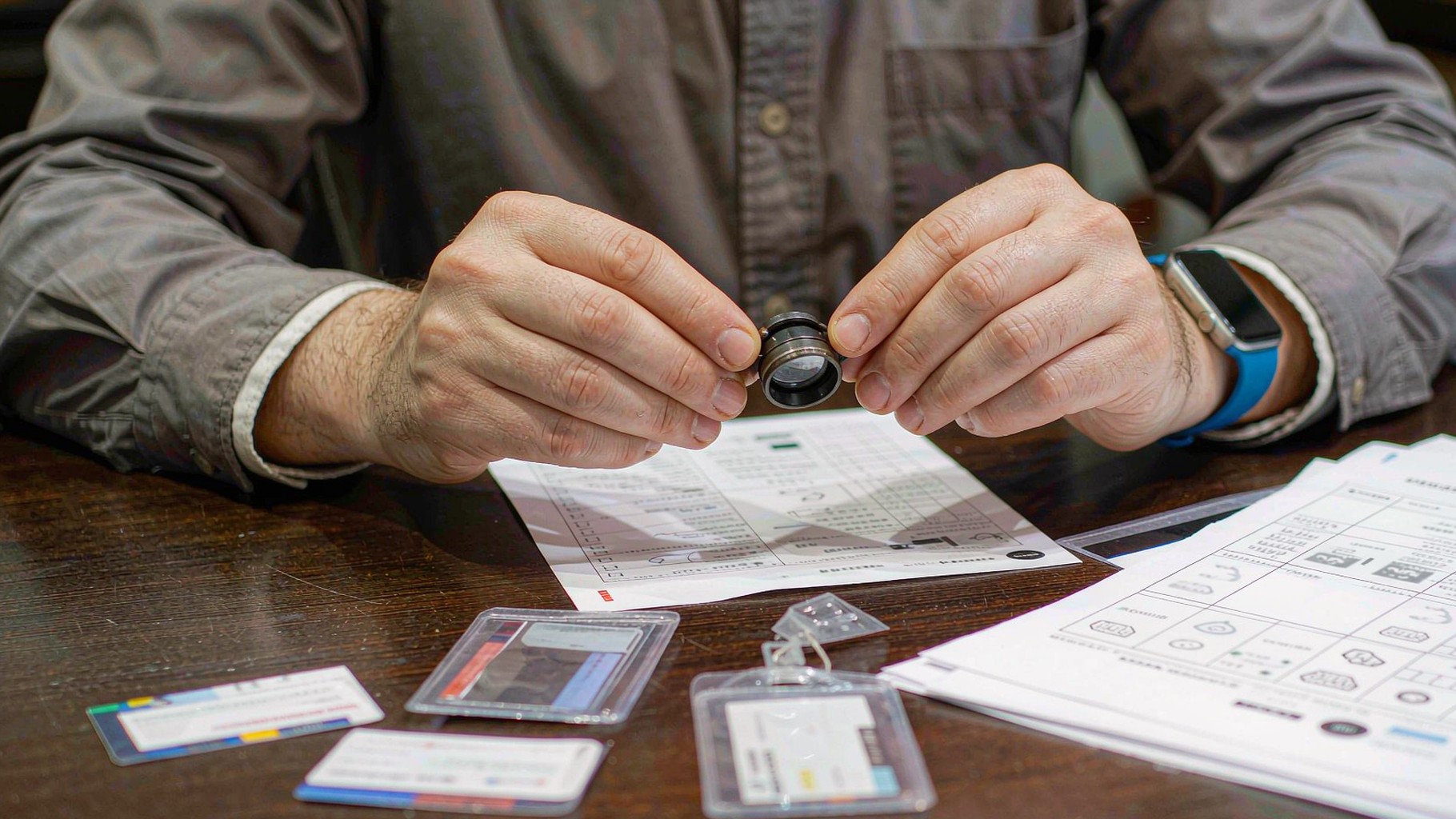
Demand physical samples and test them: hold the sheet to light for the watermark, check the thread under magnification, and expose it to UV. Require ISO 9001 certification and a written chain of custody. If a supplier cannot produce these, that is your answer. The Intergraf framework and ISO 12931 standard describe the authentication expectations serious buyers should hold suppliers to.
Do I need a certificate of analysis for each batch?
For regulated or high-value issuances, yes. A certificate of analysis (CoA) documents substrate composition, security-feature presence, and batch consistency — your defensible proof that every unit meets spec. Specialized printers supply this as standard; retail sellers cannot.
Ready to source security paper you can defend? Tell us your instrument type, expected volume, and required features, and we will return a matched substrate recommendation and physical samples. Contact our team to start a specification conversation.