Choosing a banknote substrate is not a materials trivia question — it is a 10-to-20-year commitment that shapes your counterfeit exposure, your reprint budget, and public trust in every note in circulation. Polymer and cotton both have defensible cases, and the right answer depends on your climate, security threat model, and total cost of ownership rather than on which material “wins” in the abstract. This guide compares them on the criteria that actually drive a currency specification decision.
Durability and Lifespan: What Actually Happens in Circulation
Polymer notes are made from biaxially oriented polypropylene (BOPP), a plastic film that is waterproof, tear-resistant, and stable across a wide temperature range. Independent studies and issuer data consistently put polymer life at roughly two to five times that of cotton paper — Australia’s first polymer series, introduced in 1988, stayed in circulation far longer than the paper notes it replaced. The Reserve Bank of Australia credits the switch with over A$1 billion in savings from reduced counterfeiting and replacement, a figure no unit-price comparison would reveal.
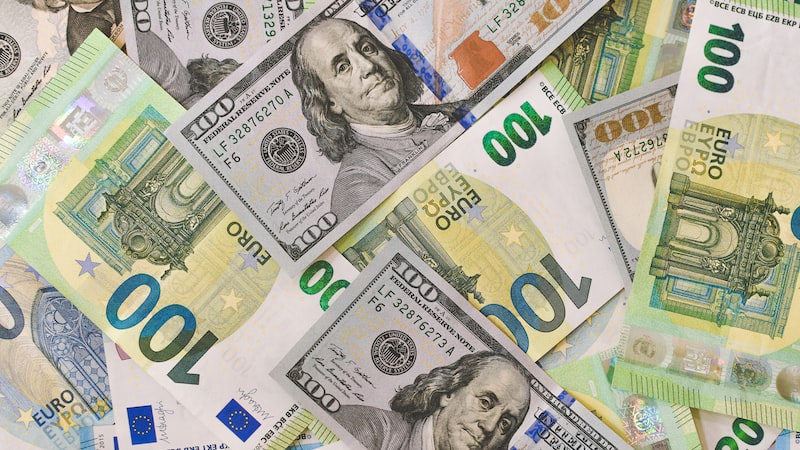
Cotton (rag) paper draws its strength from long cellulose fibres, giving it genuine resistance to folding and abrasion — but it absorbs moisture and degrades faster in humid climates. The US dollar, a cotton-linen blend produced by the Bureau of Engraving & Printing, typically circulates for only about 18 months. In wet, high-throughput environments, polymer’s waterproofness is the single biggest lifecycle lever.
Anti-Counterfeiting Features: What Each Substrate Can Carry

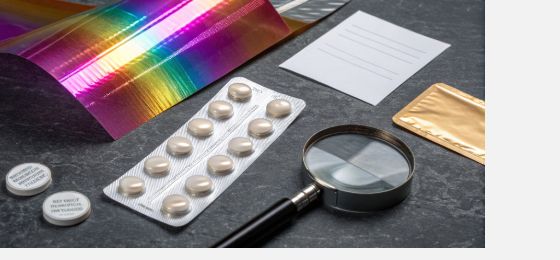
Polymer is a three-dimensional canvas for advanced security. It supports clear windows with embedded holograms, colour-shifting and micro-optic inks, latent images that appear at specific angles, and tactile raised ink for accessible verification. Australia’s current series adds a top-to-bottom window with holographic elements and a rolling colour effect, features the RBA documents in its counterfeiting bulletin. Issuers that migrated report 70–90% lower counterfeit rates; Costa Rica’s polymer 1,000-colón note reportedly saw no successful fakes for a decade.
The manufacturing complexity itself is a deterrent: the specialised film, coating, and window-embedding steps are hard to reproduce outside a state-level facility. When you layer overt public features with machine-readable ones, you raise both the cost and the difficulty of a convincing fake.
Cotton’s Classic Defences — and Why They’re Under Pressure

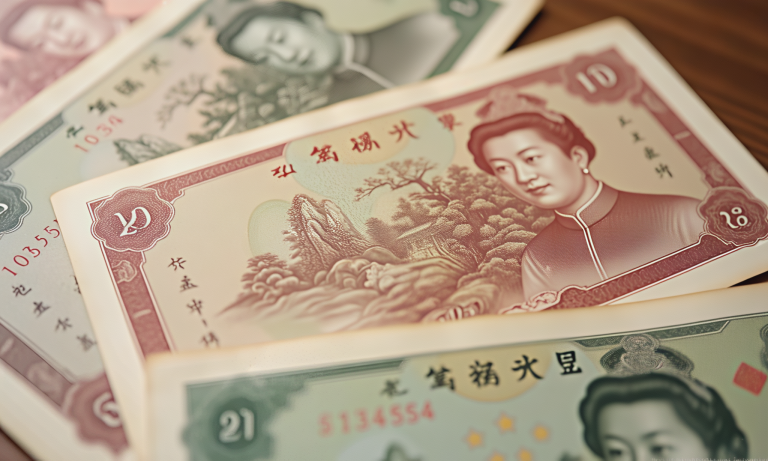
Cotton paper relies on time-tested defences: watermarks formed by fibre-density variation, embedded security threads, and intaglio printing that leaves a distinctive raised texture. These are genuinely useful — a watermark held to light is a fast, equipment-free check the public understands. Our guide to how cotton paper shaped anti-counterfeiting technologies traces that heritage.
The pressure is that commodity scanners and printers now reproduce many of these effects at convincing quality, eroding cotton’s security margin over time. Cotton is not insecure — but on its own it offers fewer high-barrier features than polymer. The most resilient paper-based specifications pair the substrate with upgraded features such as layered anti-counterfeit paper technologies.
Environmental Impact: Biodegradable vs. Recyclable

This is the one area where cotton has a clean narrative advantage. Cotton paper is biodegradable and made from a renewable resource, which resonates with eco-conscious issuers. The caveat is agricultural: conventional cotton is water- and pesticide-intensive, though mills increasingly offer organic cotton and solar-powered production. Polymer, by contrast, is recyclable into plastic products but derived from fossil fuels, and critics cite microplastic risk.
The honest comparison is lifecycle-based: polymer’s longer life means fewer notes manufactured, shipped, and destroyed overall. Ask suppliers for a documented life-cycle assessment and end-of-life pathway rather than accepting a single “green” claim. Hybrid polymer-cotton notes, such as those explored in Canada, are an attempt to capture both sets of benefits.
Total Cost of Ownership: Beyond the Unit Price

Polymer costs 20–30% more per note upfront. That premium is routinely offset by a dramatically lower replacement rate — the Bank of England has estimated long-term savings on the order of 15–20% versus cotton. A procurement decision that compares only press price will systematically favour the more expensive option over the note’s full life.
| Cost factor | Polymer | Cotton |
|---|---|---|
| Unit production cost | 20–30% higher | Lower initial cost |
| Circulation life | 2–5 years | 1–2 years |
| Replacement frequency | Substantially lower | Higher due to wear |
| Counterfeit-driven loss | Lower with layered features | Higher as replication improves |
When you model reprint cycles, logistics, and counterfeit losses together, the cheaper substrate is often the more expensive choice. For guidance on writing measurable acceptance criteria into an RFQ, see how to specify security paper for certificates — the same TCO logic applies.
Public Perception, Usability, and the Hybrid Middle Ground
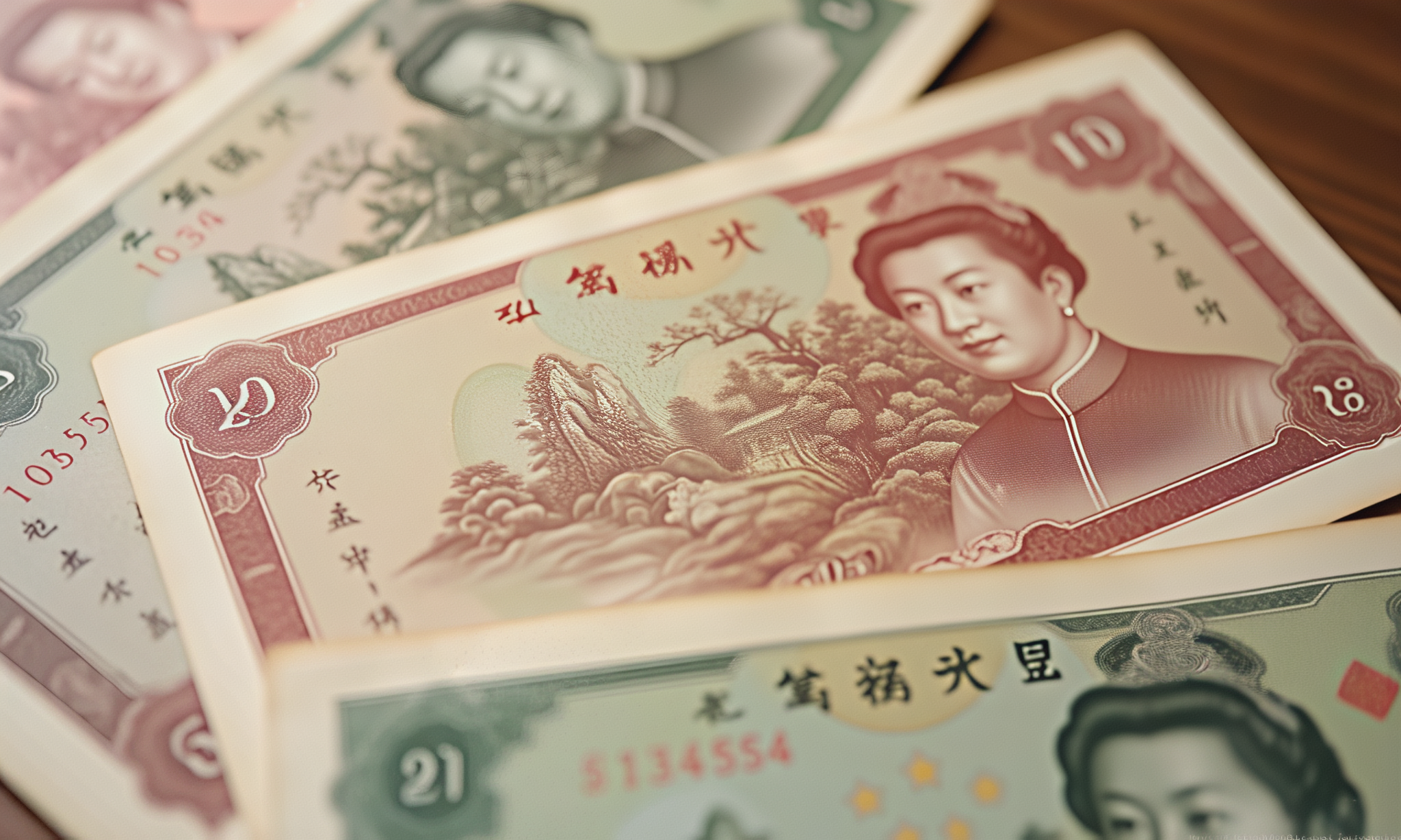
Adoption is not purely technical. Some users dislike polymer’s smoother feel and mistake it for “play money”; cotton’s familiar crispness and distinctive sound carry centuries of trust. That perception matters because a note the public recognises and trusts is a note that circulates and gets checked. Tactile raised ink on polymer narrows this gap.
The forward-looking answer is rarely “pure polymer or pure cotton.” Hybrid constructions and layered feature sets let you tune durability, feel, and sustainability to your own threat model. If holograms are part of that mix, our hologram supplier checklist covers the vetting criteria.
Frequently Asked Questions
Are polymer banknotes really more secure than cotton?
On their own, polymer notes can carry more high-barrier overt features — clear windows, holograms, colour-shifting inks — than paper. But security ultimately comes from the layered system, not the substrate alone. A cotton note with a strong watermark, thread, and intaglio plus machine-readable features can be highly secure; the concern is that those classic features are becoming easier to replicate.
How much longer do polymer notes last?
Two to five times longer is the commonly cited range, depending on climate and denomination handling. Australia’s experience — the first full polymer series in the early 1990s — is the best-documented case, with substantial reductions in both replacement and counterfeiting costs.
Is polymer bad for the environment because it’s plastic?
It is fossil-derived and recyclable rather than biodegradable, which raises legitimate concerns. However, its longer life means fewer notes are produced and discarded over time. The right way to decide is a life-cycle assessment that weighs longevity, end-of-life recycling, and sourcing together.
Can we combine both materials?
Yes. Hybrid polymer-cotton substrates and mixed feature sets are in use and in development, aiming to pair polymer’s durability and barrier features with paper’s familiar feel and biodegradability. It is a practical option when neither pure substrate fits every requirement.
The bottom line: neither substrate wins everywhere. If your priority is circulating life, moisture resistance, and a high security ceiling, polymer usually earns its premium. If biodegradability, tactile tradition, and lower unit cost dominate, upgraded cotton remains competitive. The defensible decision is the one made on total cost and threat model — not on headline claims. To compare real samples, review specs, or model a specification for your programme, talk to our security-printing team.