Why 85% of Global Brands Are Upgrading Anti-Counterfeit Paper in 2025
As a security paper manufacturer supplying central banks and Fortune 500 companies, I’ve witnessed a 300% surge in orders since 2023. With counterfeit goods now constituting 3.3% of global trade (WHO), businesses need hybrid solutions combining physical and digital defenses. Here’s a data-driven breakdown of seven technologies reshaping the anti-fraud landscape.
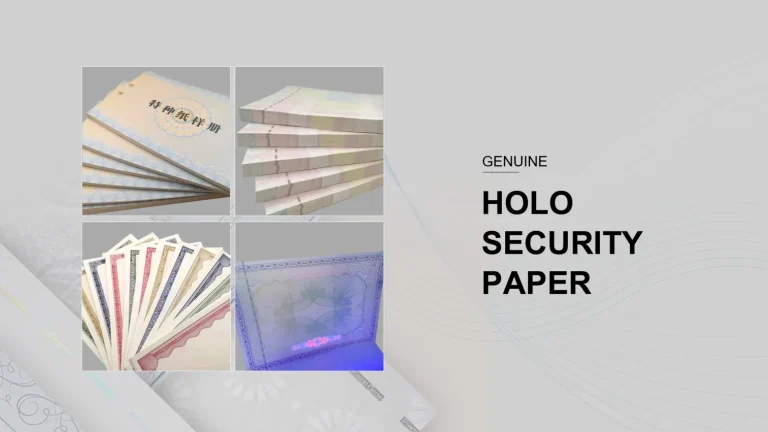
The 2025 anti-counterfeiting paper market features seven core technologies: watermarking (security patterns), windowed security threads (dynamic visuals), laser holography (3D effects), digital verification (blockchain codes), electronic authentication (RFID/NFC), hybrid materials (nano-fibers), and smart inks (color-shifting OVI). Financial documents prioritize dynamic threads + OVI inks, while consumer goods adopt RFID + blockchain tracking .

I. Material-Based Security: Physical Deterrence
1. Watermark Paper
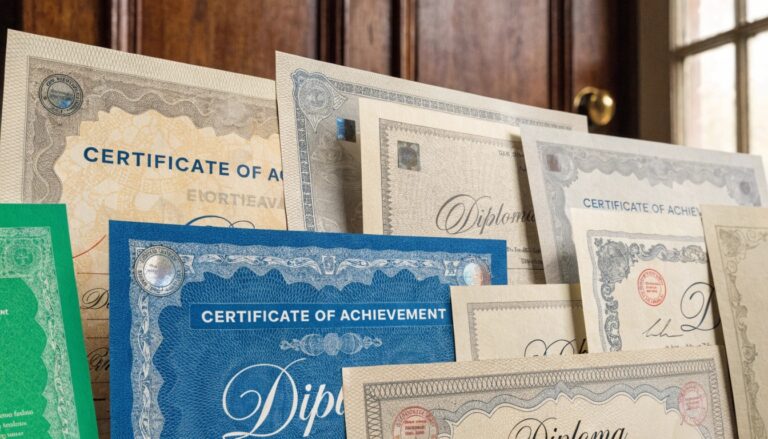
How It Works Embedded during papermaking using cylinder molds to create density variations (e.g., RMB’s Mao Zedong portrait).
Pros
- Instant verification via backlight
- Requires specialized equipment ($2M+ molding machines)
Cons
- Vulnerable to simulated watermarks using translucent inks
Cost adds 0.005–0.02 per sheet. Ideal for certificates/tickets.
2. Windowed Security Threads
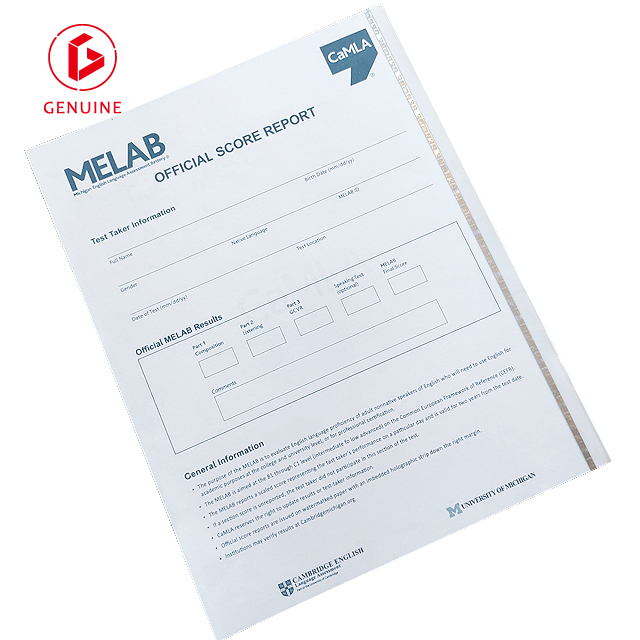
Evolution from fully embedded (1999 RMB) to dynamic “blinking” threads (2025 models).
Types
- Magnetic threads: Machine-readable (ISO 10373-2 compliant)
- Color-shifting threads: Human-verifiable (e.g., RMB’s gold-green transition)
Best For Banknotes, passports. Reduces authentication labor by 40%.
II. Optical Technologies: Visual Authentication
3. Laser Holography
2025 Innovations
- AI-generated moiré patterns
- UV-reactive nano-imprinting (e.g., Zhejiang Jinghua’s 29.69% revenue growth)
Applications
- Luxury packaging (75° viewing angle designs)
- ID cards (multi-layer holograms)
Caution: 31% of holographic labels are replicated via advanced scanners.

4. Optically Variable Ink (OVI)
Mechanism: Color-shifting chiral liquid crystals (e.g., ¥20 RMB numerals).
Production Challenges 15–20µm coating thickness (±1µm tolerance).
Cost 0.03–0.08 per unit. Ideal for high-value documents.
III. Digital-Physical Hybrid Systems
5. Blockchain Verification Codes
Next-Gen Upgrades
- Self-destructing QR codes (3 scans max)
- Timestamped via Alibaba’s Ant Chain model
Risk Alert: 140% surge in database breaches targeting legacy systems.
6. RFID/NFC Embedded Chips
Performance
- 99.99% read accuracy (Pfizer’s vaccine labels)
- Tamper-proof encryption (HID Trusted Tag™)
Cost Barrier 0.15–0.15–0.30 per tag limits mass adoption.

IV. Sector-Specific Solutions
Financial Instruments
Formula: OVI + Dynamic Threads + Microperforation
Case Study: 2025 RMB’s “snake pattern” hologram with transparent window.
Consumer Goods
Budget Option: Laser labels + SMS verification (<$0.01/unit)
Premium Solution: RFID + Tamper-evident ink (e.g., liquor industry).
Pharmaceuticals
Compliance Must-Haves:
NAQPIC-certified holographic films
Blockchain-tracked QR codes.
V. Replicability & Cost Data (2025)
- Traditional Methods: 89% watermark simulation accuracy via AI molds
- Electronic Systems: $12,000+ chip cloning cost
- Market Growth: Security paper sector projected 5.48% CAGR (2025–2033)
Final Insight: Beyond 2025 – Quantum Dots & AI
While 3D embossing (0.3mm depth) enhances tactile security, quantum dot labeling emerges as the next frontier.
One question remains: Can any technology achieve perfect unforgeability, or is continuous innovation our only defense?