The Birth of Secure Currency

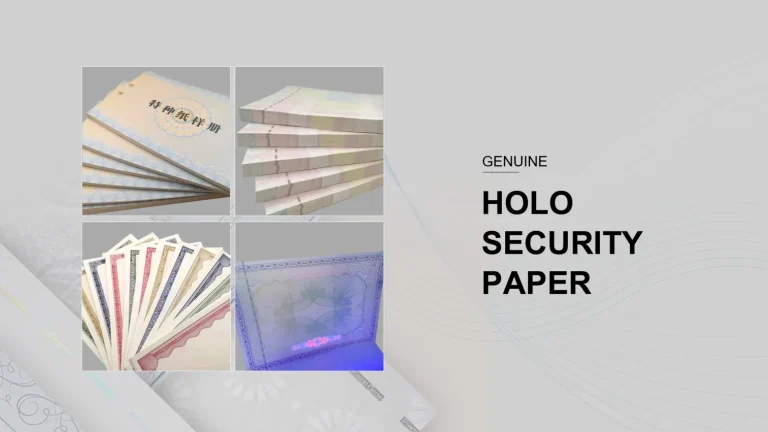
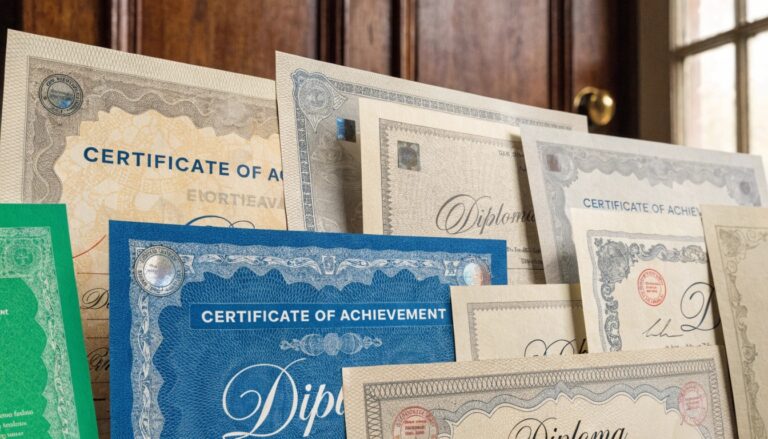
Cotton paper, also known as rag paper, has been the cornerstone of secure document production since the 17th century. Its unique properties—durability, tactile texture, and compatibility with advanced printing techniques—made it indispensable in combating forgery. By integrating features like watermarks, security threads, and UV-reactive fibers, cotton paper laid the foundation for today’s sophisticated anti-counterfeiting technologies.
Key Anti-Counterfeiting Innovations Enabled by Cotton Paper
1. Watermarks: The First Line of Defense
Watermarks, created by varying fiber density during paper production, became a hallmark of cotton paper. These translucent designs (e.g., portraits or symbols) are visible under light but impossible to replicate with standard scanners or copiers. For example, the U.S. dollar’s embedded portrait watermarks and China’s historical use of mulberry-bark watermarks relied on cotton paper’s fiber structure.
Why cotton paper excels:
- Fiber density control allows precise, multi-layered watermarks.
- Long cotton fibers ensure durability, maintaining watermark clarity over time.
2. Security Threads: Weaving Invisible Protection
Cotton paper’s porous texture enabled the seamless integration of security threads—thin metallic or polymer strips embedded during production. These threads can be:
- Magnetic: Detectable with specialized devices.
- Fluorescent: Glow under UV light.
- Microtext-engraved: Visible under magnification.
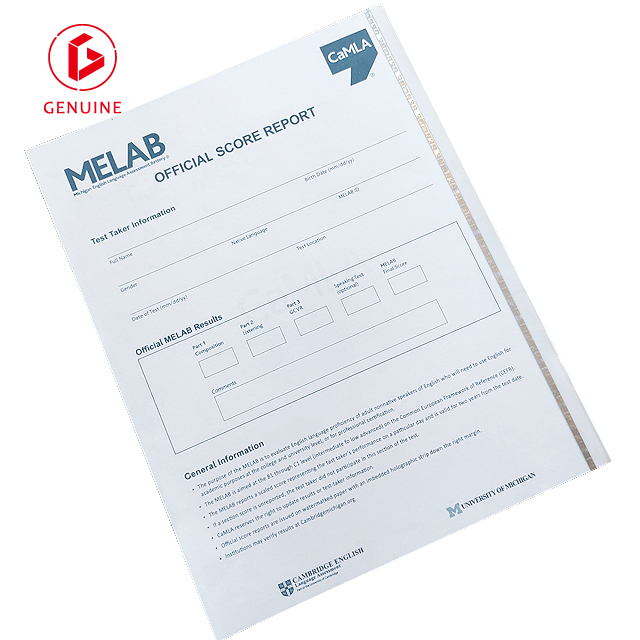
For instance, modern euro banknotes use cotton paper with holographic security threads, while Chinese certificates embed color-shifting threads to deter forgery.
3. Tactile and Visual Authentication
Cotton paper’s natural roughness allows intaglio printing, a technique that creates raised ink textures. This tactile feature, combined with microprinting (tiny text invisible to the naked eye), ensures that counterfeiters cannot replicate the sensory experience of genuine banknotes.
Modern Advancements in Cotton Paper Security
1. Nanotechnology and Hybrid Materials
Recent innovations combine cotton paper with nanoparticles and polymer layers to enhance security:
- Color-shifting inks: Change hues when viewed from different angles.
- Tamper-evident fibers: Break upon unauthorized handling.
- Hybrid notes: Merge cotton’s tactile feel with polymer’s durability (e.g., Canada’s 2018 banknotes).
2. Eco-Friendly and Biodegradable Solutions
Cotton paper’s biodegradability addresses environmental concerns. Brands like Guangzhou Lianlong Paper Industry now produce organic cotton paper with embedded UV-reactive fibers, reducing reliance on non-recyclable polymers.
The Future: Smart Cotton Paper
Emerging technologies are pushing cotton paper into the digital age:
- Blockchain-linked QR codes: Verify authenticity via mobile apps.
- Biometric sensors: Embedded fibers that react to body heat or fingerprints.
- Solar-reactive inks: Visible only under specific light wavelengths.
Internal Links:
External Links (Authority Sources):