A parking gate that does not open is not an IT problem—it is a daily friction your staff, residents, and visitors feel every single time they arrive. The credential you specify for vehicle access decides whether cars glide through or queue at a intercom. This guide helps B2B buyers choose the right parking and vehicle access card for gated sites, fleets, and commercial lots.
Start with the radio: UHF long-range vs HF short-range
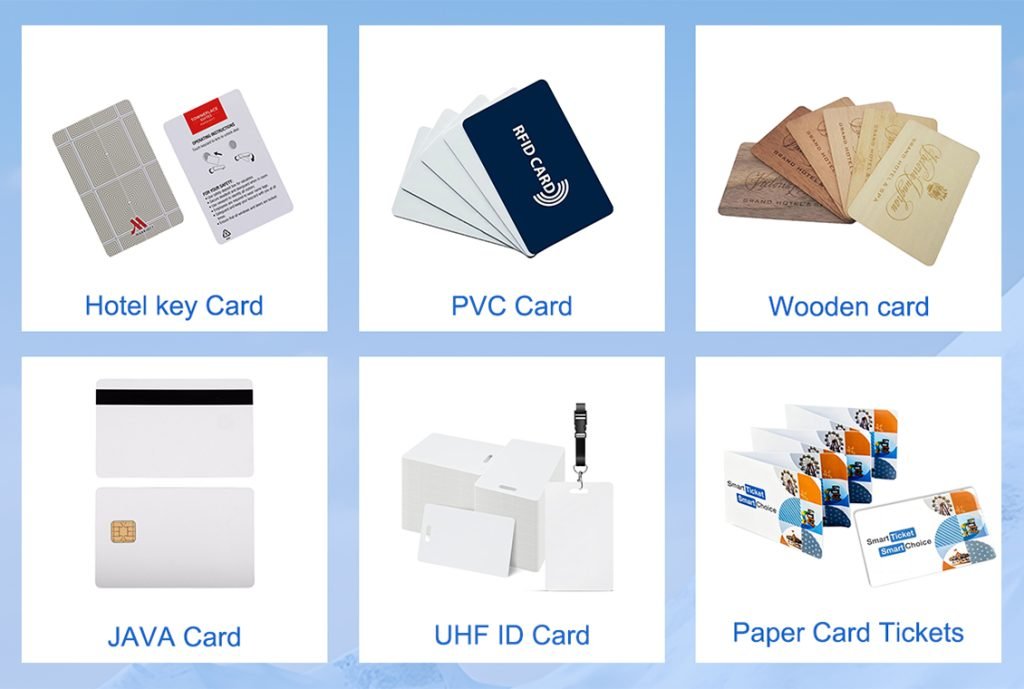
The first decision is the frequency. UHF (860–960 MHz, EPC Gen2 / ISO 18000-6C) reads at several metres—ideal for barrier gates where the driver never stops. HF (13.56 MHz, ISO/IEC 14443) reads at a few centimetres and suits a handheld card presented to a reader. Specify UHF when you want drive-through flow; specify HF when the credential is also a personal ID card carried by hand. Our RFID frequency guide breaks the trade-offs by environment in detail.
Windshield tags vs handheld cards: form factor follows use
A vehicle credential can be a windshield-mounted tag, a sticker on the headlamp, or a card kept in the glovebox. The right form factor is the one the driver will not lose and the reader will reliably see. Windshield tags are passive UHF and read at range without action; handheld cards double as staff ID but require the driver to present them. Decide by flow: a logistics yard wants automatic UHF; a staff car park may be happy with the same HF card used for the door.
Staff, visitors, and fleets need different rules

Do not give every vehicle the same credential. Staff and long-term fleet vehicles warrant durable, re-issuable tags; visitors should get time-limited passes that auto-expire. Mixing them is how abandoned contractor tags become a permanent back-door into your site. Our visitor and contractor badge guide covers the temporary-credential discipline that applies just as much to cars as to people.
Handheld card credentials for mixed sites
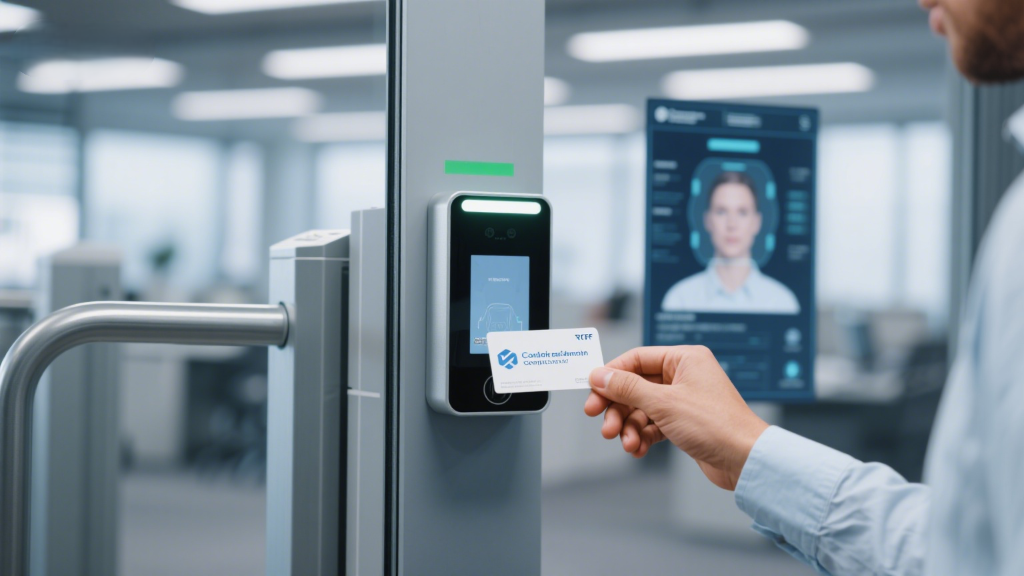
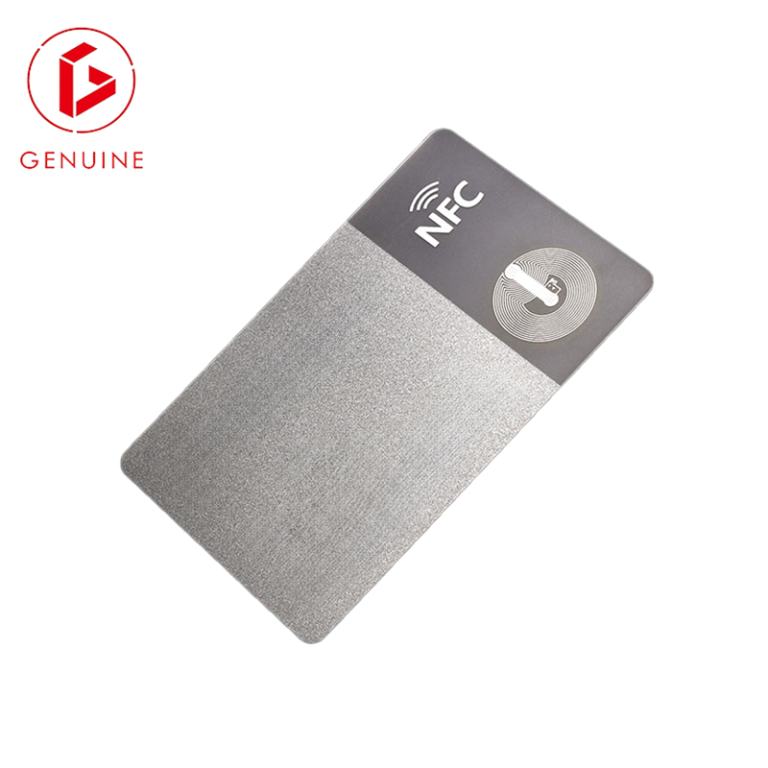
On sites where the same people need building access and a parking space, a dual-purpose HF card keeps one credential in the wallet. The catch is the reader: the gate reader must support the same 13.56 MHz technology as the door. Confirm reader compatibility before you order—mismatched cards are the number-one cause of “the card works inside but not at the gate.” Our RFID vs NFC vs BLE guide explains which interface fits which job.
Durability and the elements
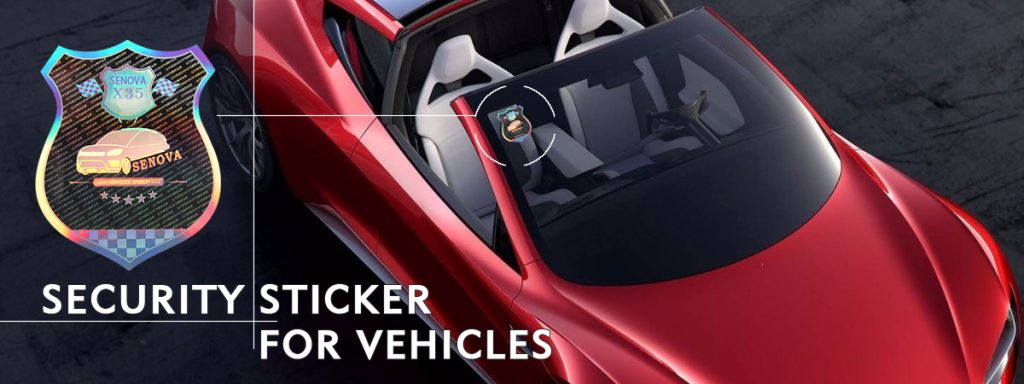
Windshield and headlamp tags live in direct sun, heat, and cold for years. Specify UV-stable, temperature-rated inlays and an adhesive tested for glass and paint. A tag that delaminates in summer or freezes off in winter is a recurring support ticket. For outdoor UHF, also consider radome or encapsulation that survives car washes and pressure washing.
Integration: barrier, ANPR, and the access controller
A tag is useless if the barrier controller or ANPR (automatic number-plate recognition) system does not trust it. Define the integration up front: the reader protocol (Wiegand vs the secure OSDP standard), the whitelist sync to the barrier, and how ANPR and RFID work together (RFID for speed, plate for audit). UHF programmes under the GS1 EPC Gen2 / ISO 18000-6C air interface, and the RAIN RFID Alliance publishes the interoperability guidance buyers should ask suppliers about.
Your parking-access RFQ checklist
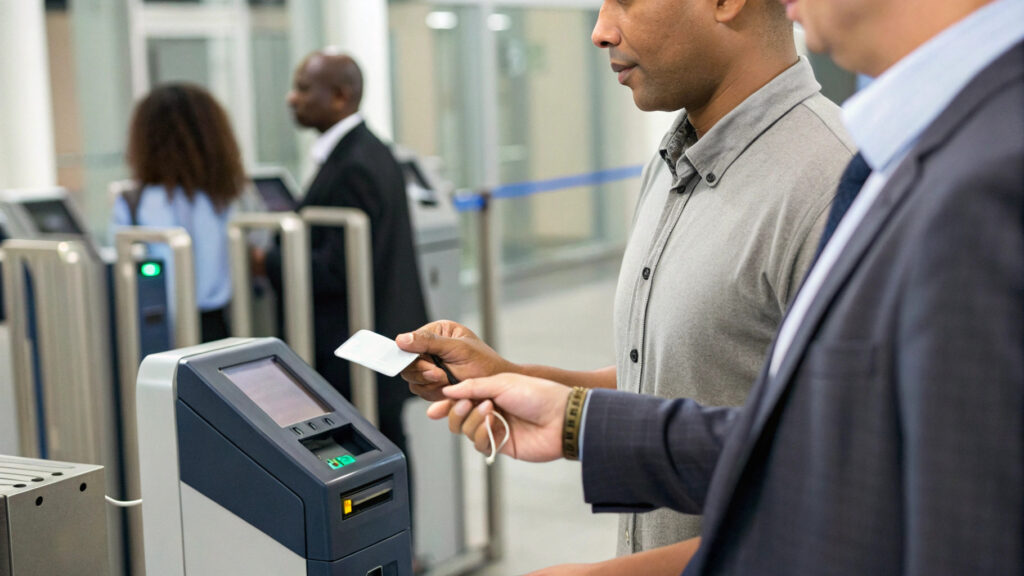
Before you order, put these in the specification:
- Frequency and read range: UHF long-range vs HF handheld, with the actual metres required.
- Form factor: windshield tag, headlamp sticker, or handheld card—matched to driver behaviour.
- Reader compatibility: same technology as existing door readers for dual-purpose cards.
- Durability: UV, temperature, and adhesive spec for outdoor life.
- Integration: Wiegand or OSDP to the controller, ANPR sync, and whitelist management.
- Lifecycle: time-limited visitor passes and a re-issue path for lost tags.
Ask the supplier for a reference install with the same barrier brand you run—a credential proven on paper but untested against your exact controller is a gamble you will pay for in help-desk time. Request samples and a pilot lane before a site-wide rollout.