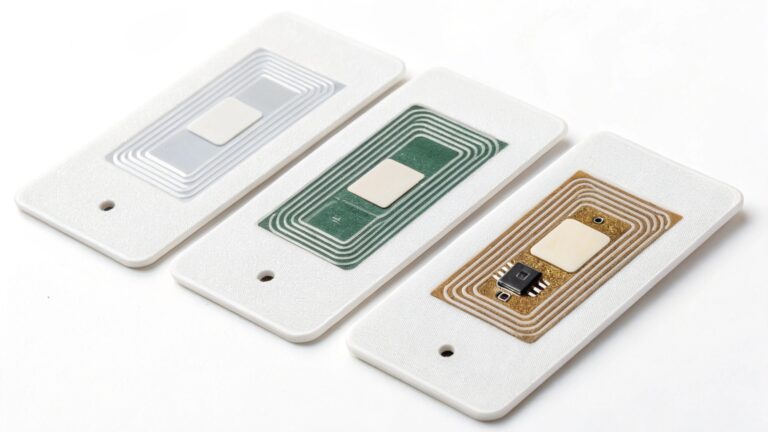
RFID is not one technology. It is three distinct radio bands — Low Frequency (LF, 125–134 kHz), High Frequency (HF, 13.56 MHz), and Ultra-High Frequency (UHF, 860–960 MHz) — each with a different read range, tolerance to materials, and cost profile. Picking the wrong band is the single most expensive mistake a system integrator can make, because it locks in the reader, tag, and antenna architecture before a pilot even starts. This guide maps each band to the jobs it does best so you can specify with confidence.
LF vs HF vs UHF: The Three RFID Bands at a Glance
The fastest way to reason about the bands is a single comparison table. Treat it as a first-pass filter, then read the sections below for the exceptions that break the rules.
| Band | Typical read range | Read speed / bulk | Performs near metal & liquid | Representative use |
|---|---|---|---|---|
| LF (125–134 kHz) | Up to ~10 cm | Slow, one at a time | Excellent | Animal ID, vehicle immobilizers |
| HF (13.56 MHz) | Up to ~1 m | Fast, small groups | Good | Access cards, NFC, libraries |
| UHF (860–960 MHz) | Up to ~12 m | Very fast, hundreds at once | Poor without special tags | Logistics, retail, asset tracking |
Read Range, Speed, and Bulk Reading: Matching Performance to the Job
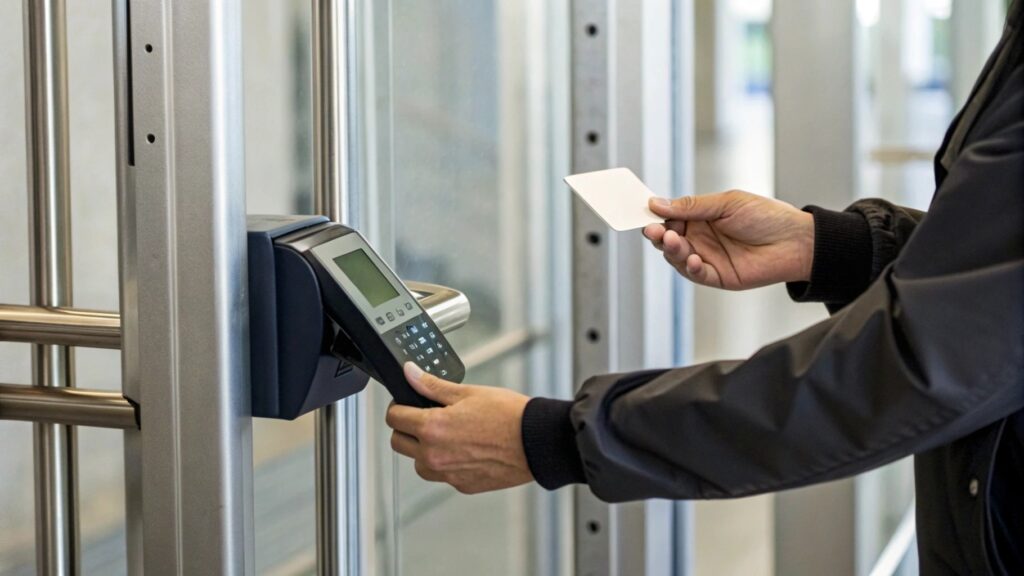
The first question integrators ask is “how far will it read?” but range is only half the story. UHF wins on distance and bulk throughput: a single fixed reader can inventory hundreds of cartons on a pallet in seconds. LF and HF read over centimetres to about a metre, which is exactly what you want when accidental reads across a room would be a security or safety problem. If your workflow needs many tags, fast, at a distance, UHF is the default — provided the environment cooperates (see next section).
Metal, Liquids, and Harsh Environments: Where Frequency Makes or Breaks a Project

This is where pilots quietly fail. UHF signals are absorbed or reflected by water and metal, so a tag on a liquid-filled bottle or a steel asset can drop off entirely. LF and HF are far more forgiving: LF barely notices metal, and HF (especially NFC) reads reliably through liquids and on metal when paired with the right inlay. For laundry, tool tracking on metal, or wet food and pharmaceutical items, choose LF or HF unless you invest in on-metal UHF tags and careful antenna placement.
Frequency by Use Case: Access Control, Logistics, Laundry, and Asset Tracking
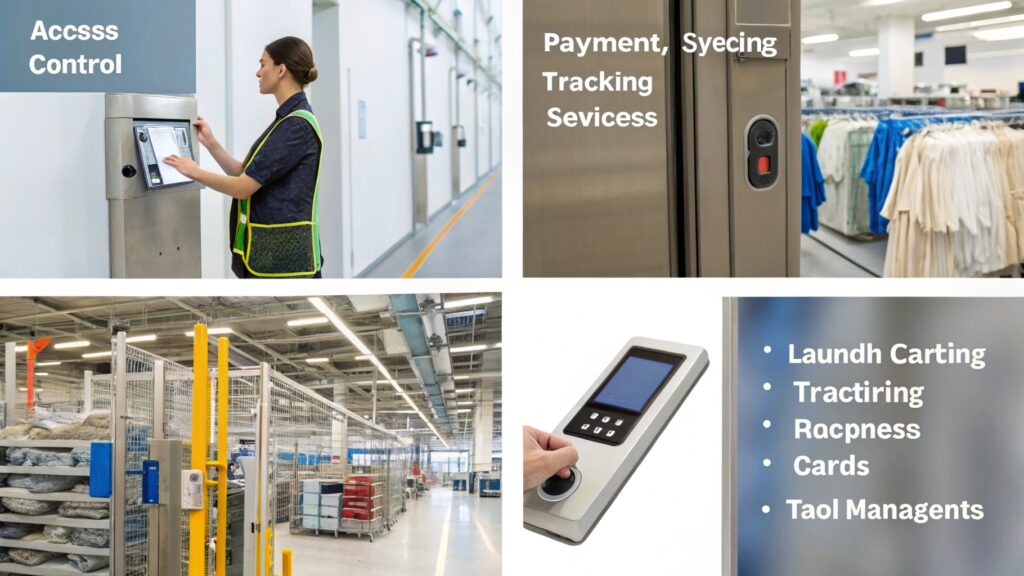
Rather than memorising specs, map your project to a pattern. Access control and payment almost always use HF (13.56 MHz, ISO/IEC 14443 or NFC). Supply-chain, retail, and warehouse inventory run on UHF for speed and range. Laundry and rugged tool tracking favour LF or HF on-metal tags. Embedded item-level authentication — certificates, brand protection, secure cards — sits in HF where tap-to-verify matters. When one project spans several patterns, a dual-frequency strategy is often cheaper than forcing a single band to misbehave.
Standards, Global Regulations, and a Buyer’s Selection Checklist
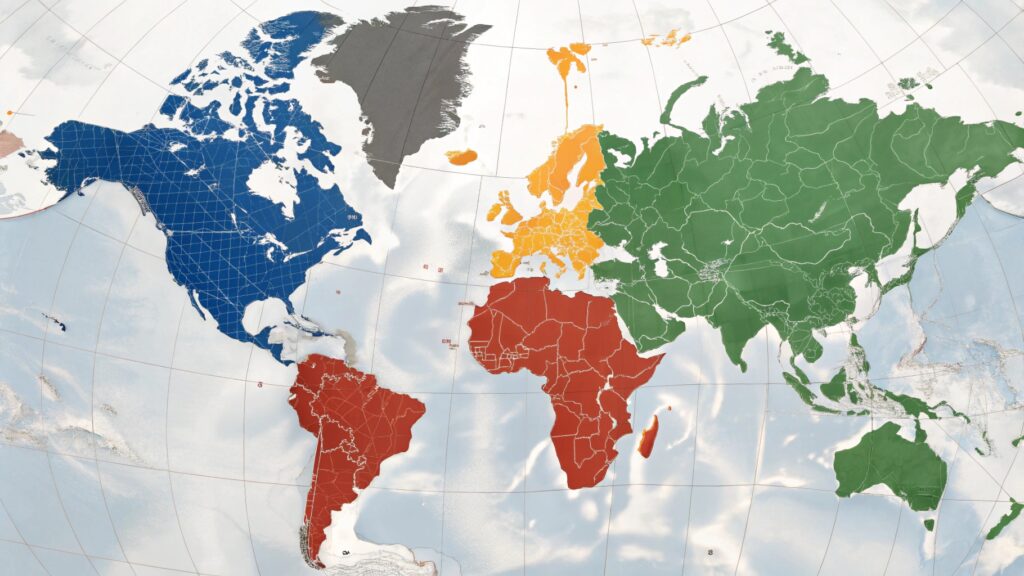
One overlooked risk can strand an entire shipment: UHF frequencies are not global. The allowed band differs by region (e.g. ~902–928 MHz in the Americas vs ~865–868 MHz in Europe under ETSI), so a reader certified for one market may be illegal or ineffective in another. HF and LF are largely region-agnostic, which is why they dominate passports and payment. Spec to ISO/IEC 18000 air-interface standards for interoperability and to GS1 EPC/RFID encoding when you need supply-chain data to flow between trading partners.
Buyer’s checklist before you commit: (1) What is the read range and item count per read? (2) What materials sit between tag and reader? (3) Which region(s) must the system legally operate in? (4) Do you need supply-chain data standards? (5) What is the true per-tag cost at your volume? Answer these and the band usually selects itself.
Frequently Asked Questions
Which RFID frequency is best for inventory?
For pallet and carton-level inventory, UHF is best because of its long range and ability to read hundreds of tags per second. For item-level tracking of liquid or metal goods, HF or on-metal UHF inlays are safer.
Can RFID read through metal and water?
LF and HF read reliably near metal and water; UHF generally cannot without specialised on-metal tags and careful antenna design. This is the main reason laundry and tool-tracking systems avoid plain UHF.
Is UHF legal everywhere?
No. UHF bands vary by region, so a reader built for the Americas may not comply in Europe or Asia. HF and LF are effectively global, which is why they anchor passports and payment cards.
How do I choose between HF and UHF for a new project?
Start from range and throughput: need metres and bulk reads → UHF; need centimetres, tap-to-verify, or tolerance to metal/liquid → HF. Match the band to the dominant use case, then review the RFID procurement guide for supplier vetting.
Conclusion
Frequency choice sets the ceiling for your whole RFID system. Lead with the use case, not the spec sheet: UHF for distance and bulk, HF for tap-and-go and tough materials, LF for the harshest environments. Get the band right and everything downstream — readers, tags, standards compliance — falls into place. For help matching a band to your volume and budget, see our RFID tag buyer’s guide or 2026 RFID pricing breakdown, and contact our team for a specification review.