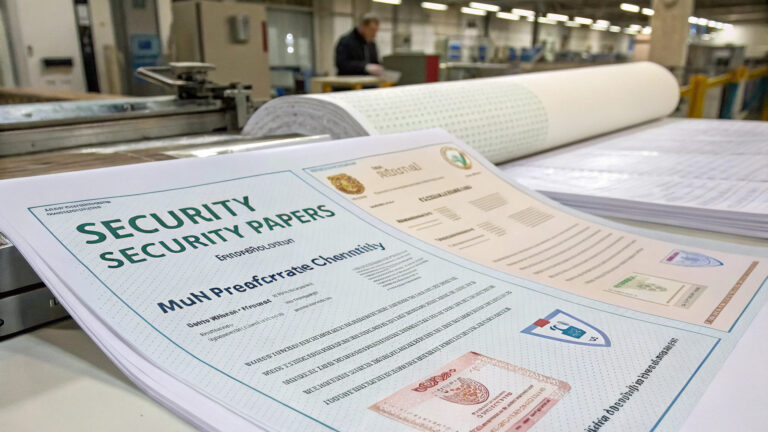
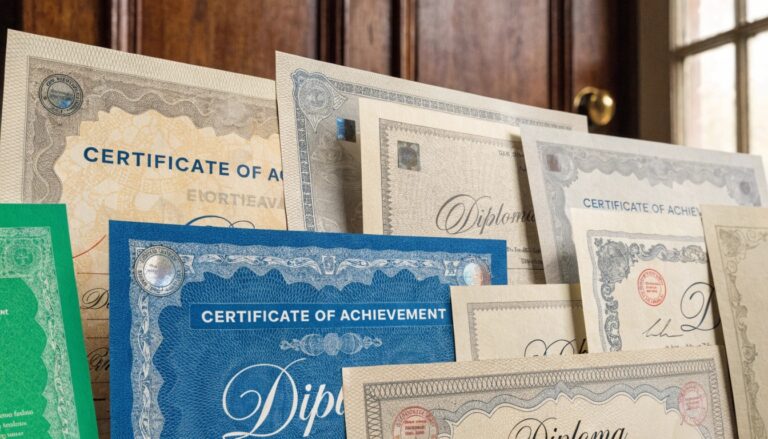
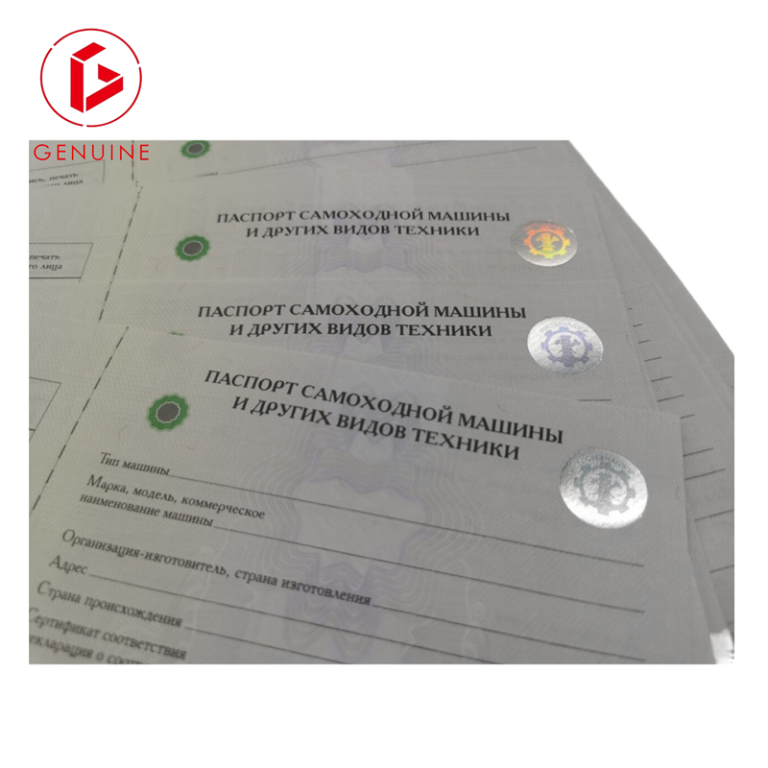
Every passport is only as trustworthy as the sheet it is printed on. For governments and passport-personalization bureaus, the security paper is not a commodity line item—it is the foundation that every watermark, thread, and machine-readable zone depends on. Yet most RFQs still treat it as “just paper.” This guide explains what a buyer should actually specify, which standards are non-negotiable, and how to tell a capable security-paper supplier from a generic converter.
What Makes Security Paper the Backbone of Passport Integrity?

A passport endures years of folding, humidity, UV exposure, and rough handling at border crossings. The substrate has to survive all of that while still revealing its security features on demand. If the base paper is weak, every feature printed on top of it—guilloché patterns, optically variable inks, even the biometric chip—sits on a foundation that can be delaminated, bleached, or substituted.
That is why issuing authorities treat security paper as the first layer of defence, not the last. Get the substrate wrong and no amount of downstream printing will restore trust in the document.
What Actually Goes Into Passport Security Paper?

A genuine passport substrate is engineered, not purchased off the shelf. The elements a buyer should expect to specify include:
- Tonal watermark—a density change in the fibre itself, visible against light and impossible to scan or photocopy faithfully.
- Embedded security thread—a partially exposed, often metallised strip that can carry microtext or a windowed design.
- UV fibres and fluorescent elements—invisible in daylight, revealed only under a controlled blacklight at the control point.
- Guilloché and intaglio printing—fine line work that defeats photographic reproduction.
- Optically variable inks (OVI)—colour that shifts with the viewing angle, used on high-value identity elements.
On modern e-passports, the data page is increasingly a polycarbonate or composite sheet rather than fibrous paper, because the laser-engraved portrait and chip must survive a ten-year life without lifting. Specifying the right substrate for each page of the booklet is a separate, deliberate decision—not a default.
How Security Paper Defeats the Commonest Forgery Methods

Most counterfeit passports fail at the substrate, not the printing. A forger working from a scanned image can reproduce a colour layout; they cannot reproduce a three-dimensional tonal watermark, an embedded windowed thread, or UV-active fibres that only appear under controlled light. Those features force the attacker to source the real substrate—or abandon the attempt.
This is the quiet value of security paper: it moves the hardest part of counterfeiting out of the digital realm, where it is cheap, and back into the physical supply chain, where it is expensive and traceable. A broader look at the feature stack is in our comparison of anti-counterfeit paper technologies.
The Standards You Must Specify Before Signing
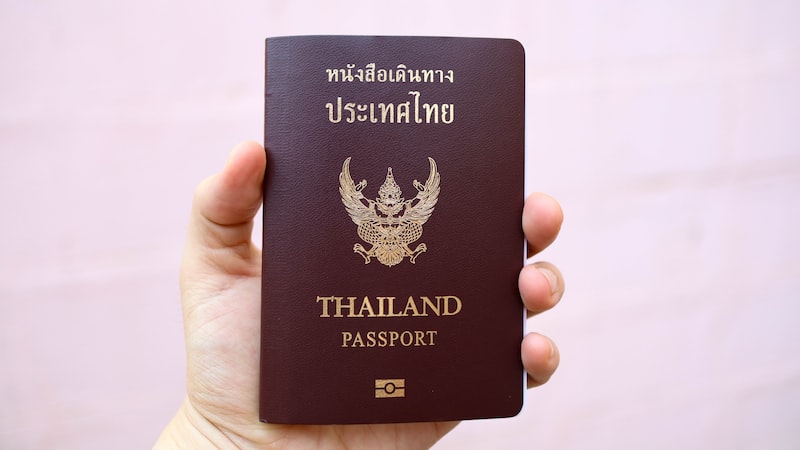
Do not let the supplier decide the baseline. The documents that matter most are:
- ICAO Doc 9303—the global specification for machine-readable travel documents and the reference point for e-passport security. Specify conformance explicitly in the contract.
- ISO/IEC 7810—governs the physical dimensions and tolerances of identity documents, including the data-page card.
- ISO 12931—the general framework for the performance of anti-counterfeiting measures, useful when you need to justify a feature’s cost.
- Intergraf certification—the security-printing industry’s audit scheme for facilities handling high-security documents. A supplier without it is a supply-chain risk you should not accept.
How to Verify a Security Paper Supplier
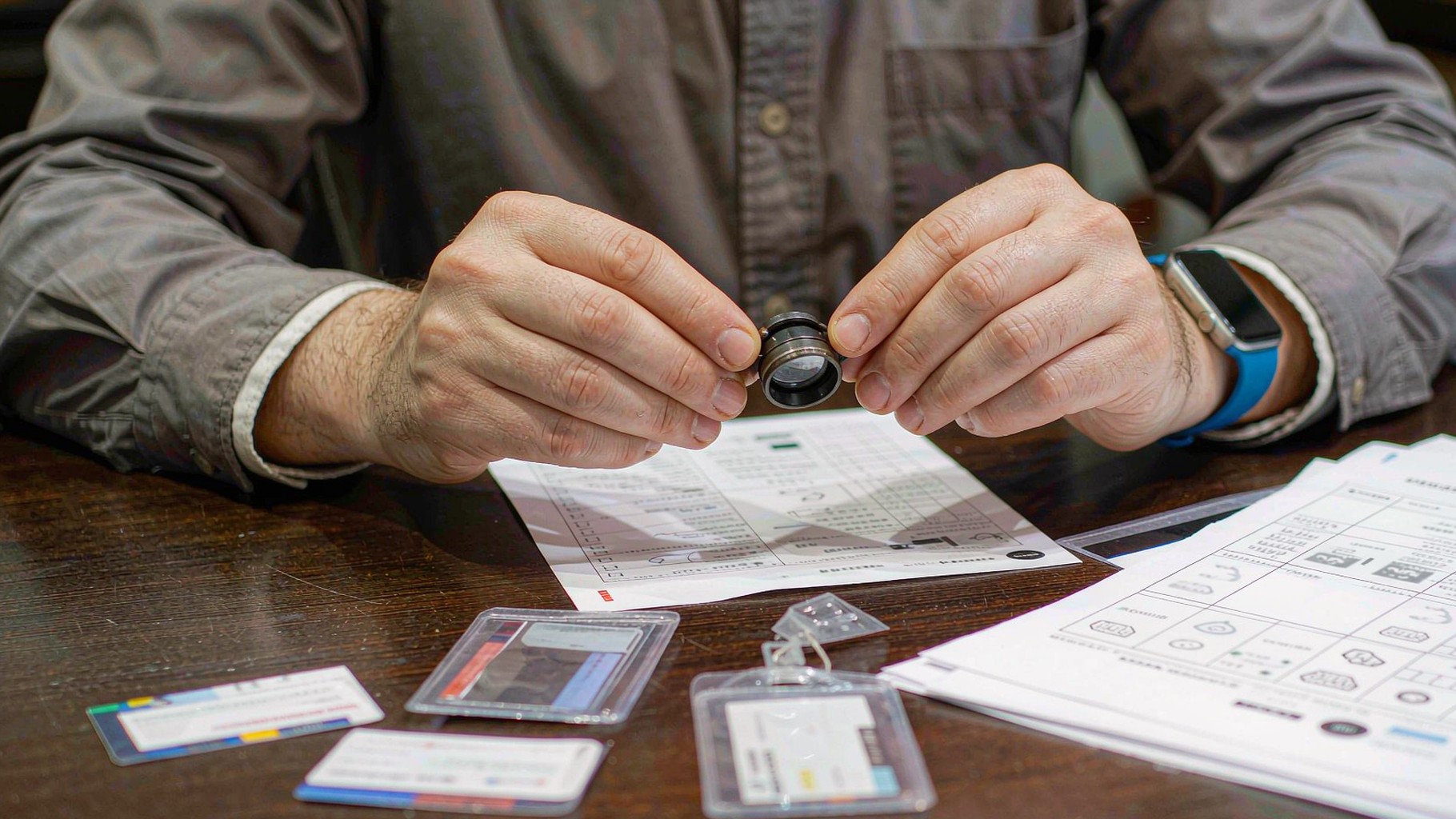
Price per sheet is the last thing to negotiate, not the first. Before issuing an RFQ, verify that the supplier can:
- Show Intergraf or an equivalent security-printing certification for the actual production site—not a sister company.
- Provide audited chain-of-custody from the paper mill to the personalization bureau, so a compromised batch is traceable.
- Demonstrate prior delivery to a government or national-ID program, with references you can contact.
- Guarantee feature consistency across reorder lots—a watermark that drifts between shipments defeats automated verification.
A practical RFQ structure is covered in our security-paper specification guide for certificates and diplomas, and most of the same clauses transfer directly to passports.
The True Cost of Cutting Corners on Passport Substrate

The saving on a cheaper substrate is a fraction of a cent per booklet. The cost of a single accepted forgery—a blocked border, a fraud investigation, a diplomatic incident—dwarfs any substrate saving by orders of magnitude. When you calculate total cost of ownership, the security paper is the cheapest insurance on the document.
Equally, the history of passport security features shows that attackers adapt within months of any static defence. The substrate is the one element hardest for them to replicate at scale, which is exactly why it deserves the strictest specification.
Frequently Asked Questions
Is passport security paper the same as banknote paper?
They share DNA—cotton or rag fibre, watermarks, security threads—but passports are engineered for a longer service life and frequent flexing, while banknotes are built for abrasion and laundering. Treat them as cousins, not equivalents, and specify the passport grade explicitly.
How long must a passport security paper last?
Most issuing authorities design for a ten-year validity, and ICAO-aligned e-passports expect the data page to remain readable and intact across that decade. Specify accelerated ageing tests in the RFQ so the claim is verified, not assumed.
Does ICAO Doc 9303 mandate a specific substrate?
Doc 9303 sets the security and interoperability baseline but leaves material choice to the issuer. In practice, that means you must choose the substrate deliberately and document why it meets the standard—compliance is demonstrated, not automatic.
Can security paper be disposed of or recycled securely?
Off-cuts and rejected sheets are themselves a leak path. A capable supplier runs a controlled destruction or return-to-mill process for all scrap, with documented attestation. Ask for that procedure before you sign; unaccounted scrap is how features reach the grey market.
Get a Specification Review Before You Tender
If you are preparing a passport or national-ID substrate RFQ, the cheapest mistake to avoid is writing the spec too loosely. Send us your draft specification and the threats you most need to defend against, and we will flag the gaps before they become contract language. Start with a specification review conversation—we work with issuing authorities and personalization bureaus on substrate, printing, and chip integration as one programme.