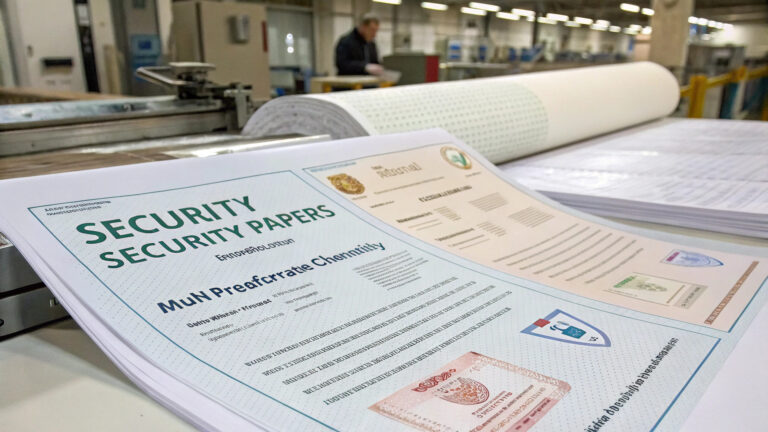
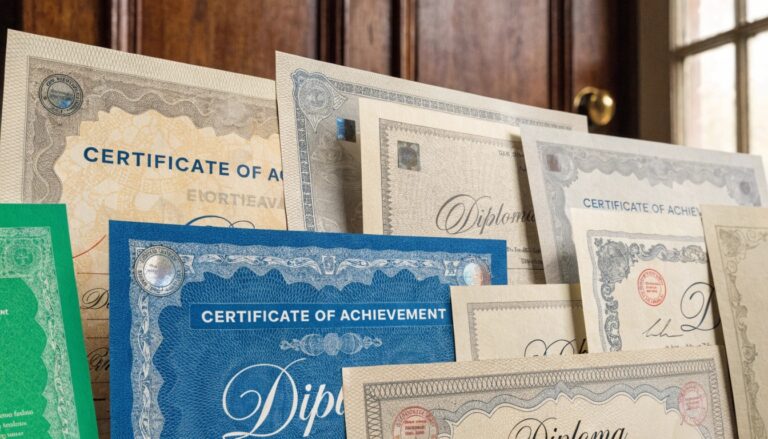
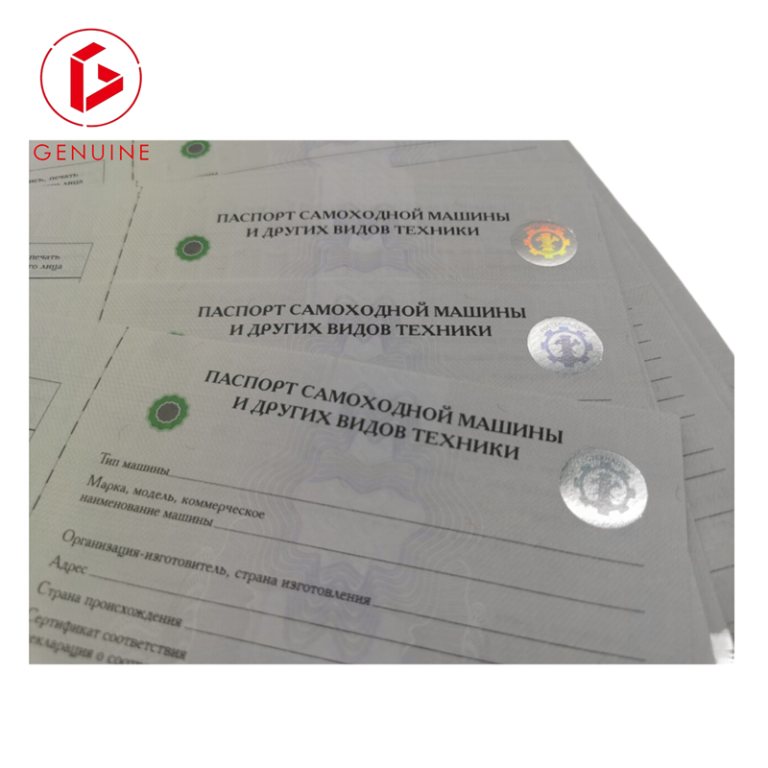
Counterfeit goods quietly drain legitimate brands of revenue every year, and in sectors like pharmaceuticals and automotive parts they put lives at risk. For a B2B buyer the question is no longer “should we protect our products?” but “how do we prove, in seconds, that what left our factory is what the customer actually receives?” A COC anti-counterfeiting certificate (Certificate of Conformity / Certificate of Authenticity) is the document that answers that question — and when it is built on real security-printing features plus an online check, it becomes a working anti-counterfeit system rather than a piece of paper.
What a COC Anti-Counterfeiting Certificate Actually Is
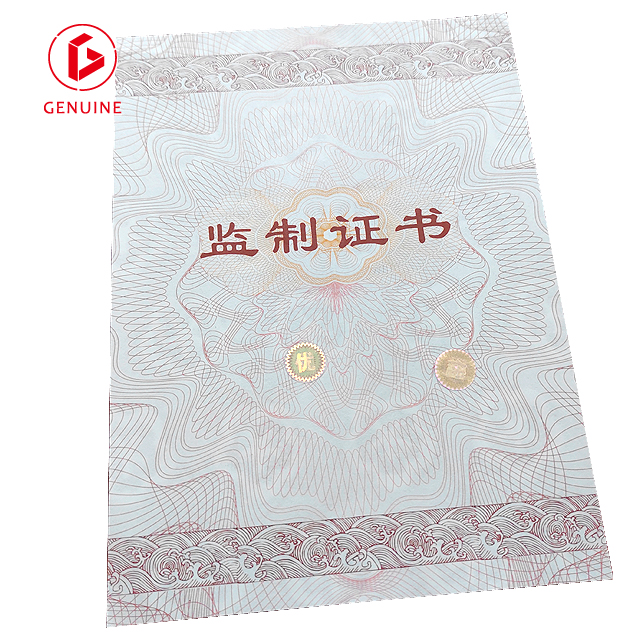
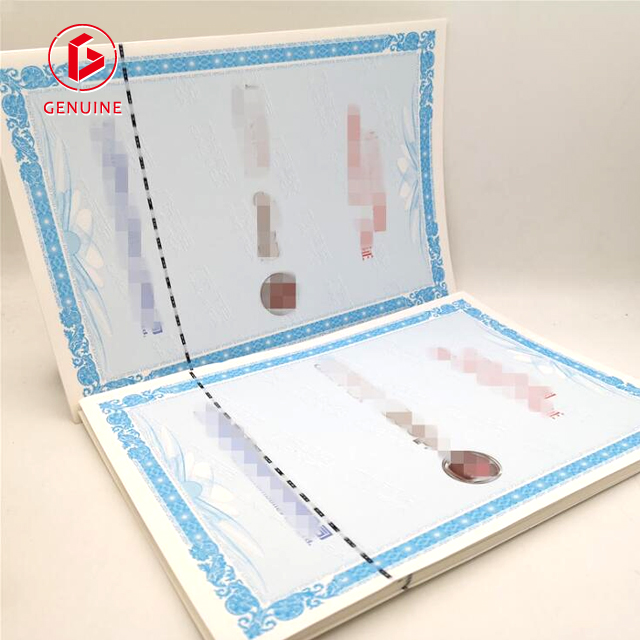
A COC anti-counterfeiting certificate is a printed credential that certifies a specific product, batch, or artwork is genuine and was produced by an authorized source. Unlike a plain Certificate of Conformity that only confirms specification compliance, an anti-counterfeit version adds physical and digital security layers so the document itself cannot be cloned. It typically carries a unique identification code, a visible security feature such as a watermark, security thread, or hologram, and a reference to an online verification record. For the buyer, that means a single scan or code entry confirms the item — not just the paperwork — is authentic. If you are issuing credentials on secure stock, see our guide to customizing certificate paper for businesses.
The Security Features That Make It Tamper-Evident
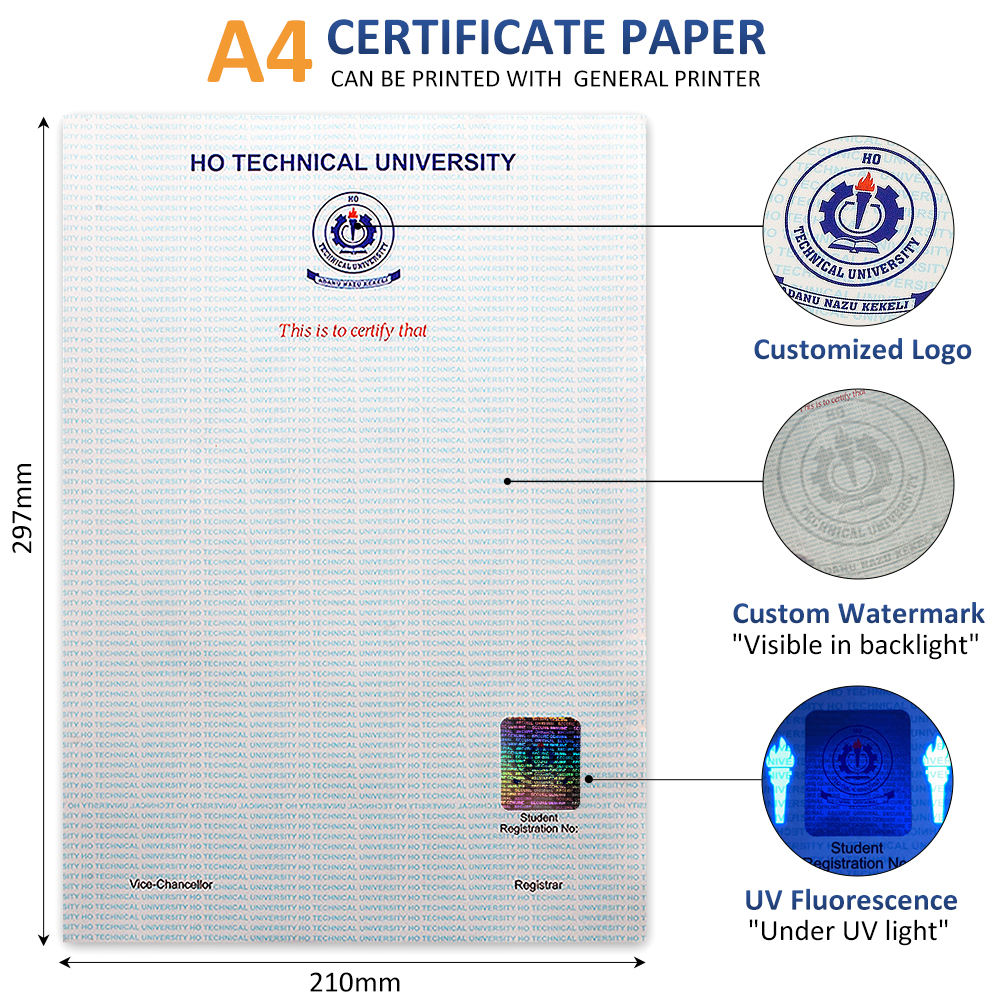
The value of the certificate lives in features a counterfeiter cannot easily reproduce:
- Watermarks and embedded security threads in the substrate make the paper itself hard to source and forge. Learn how a security thread works as an anti-counterfeit control.
- Holographic foil or hot-stamped elements shift color and reveal covert marks under light, giving front-line staff an instant visual check. See the basics of holographic overlays.
- Microtext, guilloché patterns, and UV fibers add layers that survive casual copying and photocopying.
These are the same controls referenced in ISO 14298, the international standard for managing security-printing processes, and they are what separate a genuine credential from a desktop-printed fake. Specifying them up front is far cheaper than chasing fakes after launch.

How the Online Verification Code Closes the Loop
Physical features stop casual forgers; a unique code stops organized ones. Each certificate carries a serial or QR-linked ID tied to a verification database. A buyer, customs officer, or distributor enters the code and sees the matched record — product, batch, issue date, and status. If the code is missing, reused, or returns no match, the item is flagged before it reaches a customer. This closes the loop between the printed document and a live source of truth, and it is the model INTERPOL points to for disrupting counterfeit supply chains at the point of sale.

Where COC Certificates Already Pay Off
The pattern repeats across industries that lose the most to fakes:
- Luxury fashion uses certificates to protect exclusivity and give buyers proof of authenticity at resale. A certificate affixed to the product reassures customers and defends brand equity.
- Pharmaceutical suppliers rely on them so healthcare professionals can verify a medicine before it is dispensed — a direct patient-safety control that also limits liability.
- Electronics and gadget makers show the certificate on devices to prove compliance with safety and quality standards and to block substandard counterfeits.
- Automotive parts carry certificates so authorized dealers install genuine components, not counterfeit failures that cause malfunctions or accidents.
- Fine art and collectibles use Certificates of Authenticity to protect an artist’s legacy and a buyer’s investment through a credential they can trust.


How to Specify and Procure One
Treat the certificate like any other sourced component. In your RFQ, state the substrate (cotton or security paper), the features you need (watermark, thread, hologram), the code format (serial versus QR), and the verification backend (your own or the printer’s). Ask for alignment with ISO 12931 on authentication performance, and request sample proofs before a full run. Most importantly, vet the printer: a secure certificate is only as strong as the facility that prints it. Our anti-counterfeit paper procurement guide walks through the standards and a supplier audit checklist.

Frequently Asked Questions
Is a COC anti-counterfeiting certificate the same as a Certificate of Conformity?
Not exactly. A CoC confirms a product meets specifications; an anti-counterfeit certificate adds security printing and a verification code so the document itself is trustworthy. Many buyers issue both, using the CoC for compliance and the anti-counterfeit certificate for brand protection.
Which security feature gives the best return on investment?
A unique verification code paired with one visible feature (watermark or hologram) covers most B2B cases at the lowest cost. Add UV fibers or security threads only where resale value or regulation demands the extra layer.
Can small batches use anti-counterfeit certificates?
Yes. Digital printing and on-demand serialization make runs of a few hundred units economical. You do not need millions of units to justify a credible certificate program.
How do we vet a secure-printing supplier?
Check for security-printing certifications, ask for a site audit, and request sample proofs. A credible printer will show you their chain-of-custody controls without hesitation — hesitation is itself a red flag.

Next Steps
If counterfeits are eroding your margin or your compliance posture, start with one high-risk SKU and issue a COC anti-counterfeiting certificate for it. We can help you specify the substrate, the security features, and the verification flow — and supply sample proofs so you can see the security layers before you commit. Talk to our secure-printing team to scope your first batch.