Most event teams stop thinking about badge specifications until the doors open. Then a barcode refuses to scan, a badge cracks in the summer heat, or a batch of counterfeit copies shows up at a side entrance — and the cheapest item in the budget becomes the most expensive problem on site. This guide gives procurement teams and event organizers a practical framework for specifying event credential cards that survive high volumes, tight timelines, and real gate conditions.

Why Event Credentials Fail Without a Real Specification
At 50,000-badge scale, “just print badges” is where programs fail. The recurring failure modes are predictable: barcodes with cramped margins slow every gate to a crawl; uncoated stock smudges in rain; cheap PVC warps on a lanyard left in direct sun; and clones of an unsecured design circulate outside the venue. Each failure has a measurable cost — queue delays, unauthorized access, and a poor first impression at the door.
The fix is not expensive; it is a written specification. A credential is both a security device and a brand touchpoint, and it deserves the same discipline you would apply to an employee ID program — a process we cover in detail in our guide to building an ID card issuance program. Deciding material, technology, security, and data handling before artwork is approved separates a smooth gate from a morning of complaints.

What “High-Volume Temporary” Actually Means for Your Spec
Volume changes the production method, and the method changes your lead times. For runs of 500–5,000 badges, digital printing with full variable data is economical and fast. Between 5,000 and 25,000, the efficient route is usually offset pre-printed stock personalized by inkjet or re-transfer — which means the base design must be finalized before personalization can start. Above 25,000 units, factory scheduling, shipping, and on-site staging become part of the spec, not afterthoughts.
Two deadlines dominate every event credential project: artwork approval and the variable-data handover. The variable-data file deadline is the most commonly missed milestone — and it is the one that pushes delivery past load-in day. Lock those two dates in your purchase order, not in a verbal agreement.
Material and Durability Choices for Event Badge Cards
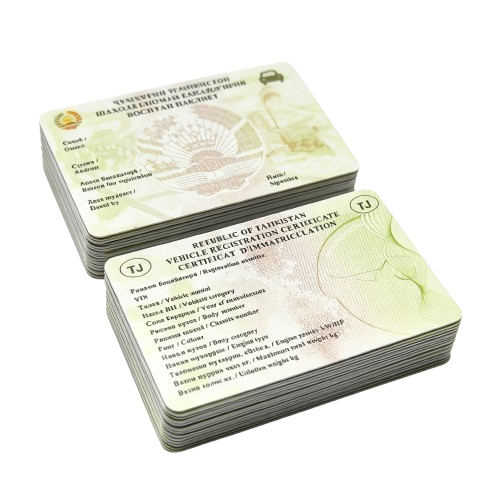
Most event credentials are 0.76 mm CR80 cards — the ID-1 format defined by ISO/IEC 7810 — because that size fits standard badge holders, lanyard punches, and every card printer on the market. Standard PVC is fine for single-day indoor events. For outdoor festivals, multi-day conferences, or tropical venues, upgrade the spec: composite PVC-PET stock resists the heat and humidity that warps plain PVC, and edge-to-edge lamination keeps sweat and rain from delaminating the printed layers.
If your sustainability policy applies to temporary plastic, ask about recycled PVC cores — they print and punch like standard stock. To understand why construction matters, see our explainer on how smart cards are made, which covers inlay, lamination, and chip embedding.

Access Technology: Barcode, QR, RFID, or Magnetic Stripe?
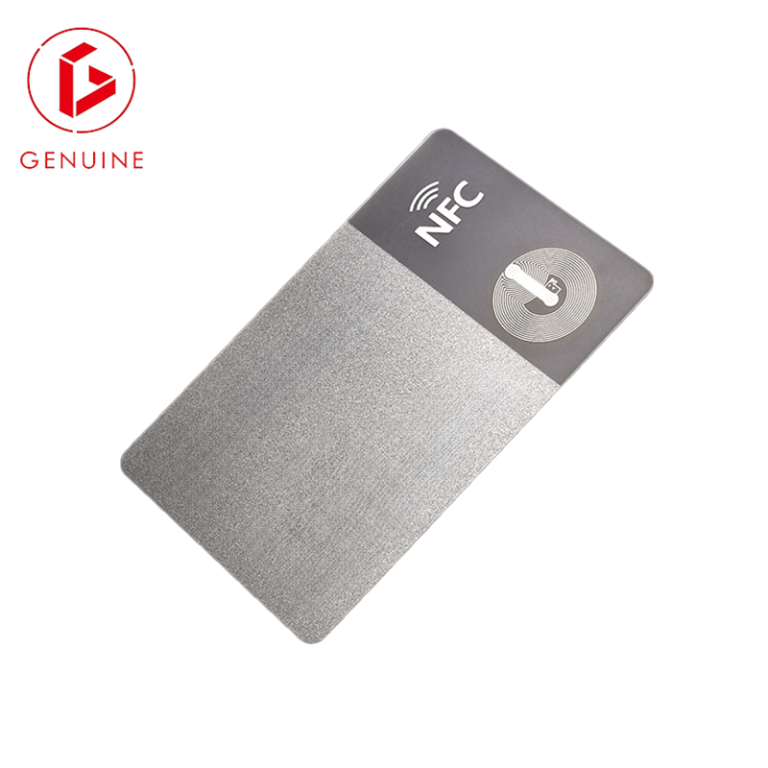
The right technology is the cheapest one that meets your throughput target. A 1D barcode is the lowest-cost option and works well where gates have room for line-of-sight scanning. A QR code adds self-service scanning from phones and integrates naturally with mobile ticketing. For the fastest lanes, contactless RFID/NFC credentials read through pockets and holders, process thousands of attendees per hour, and survive the whole show for reuse — the technology standard behind them is ISO/IEC 14443. Magnetic stripe belongs on this list only when a legacy venue system demands it.
Two economic notes: RFID cards cost more per unit but are reusable across a calendar of shows, which changes the math for recurring events. We compare the wireless options in depth in RFID vs NFC vs BLE: which interface belongs on your card.

Anti-Counterfeiting for Temporary Credentials
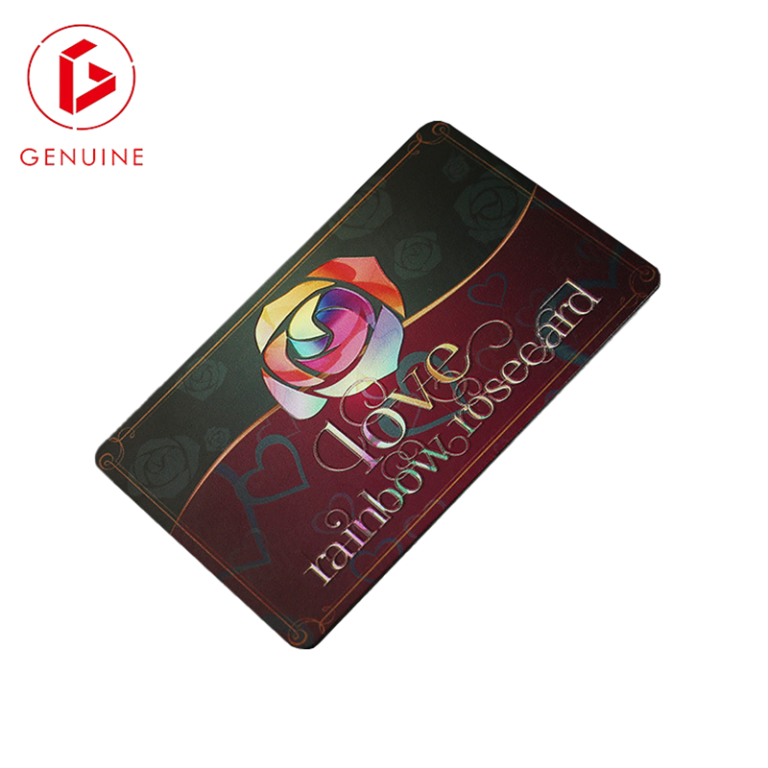
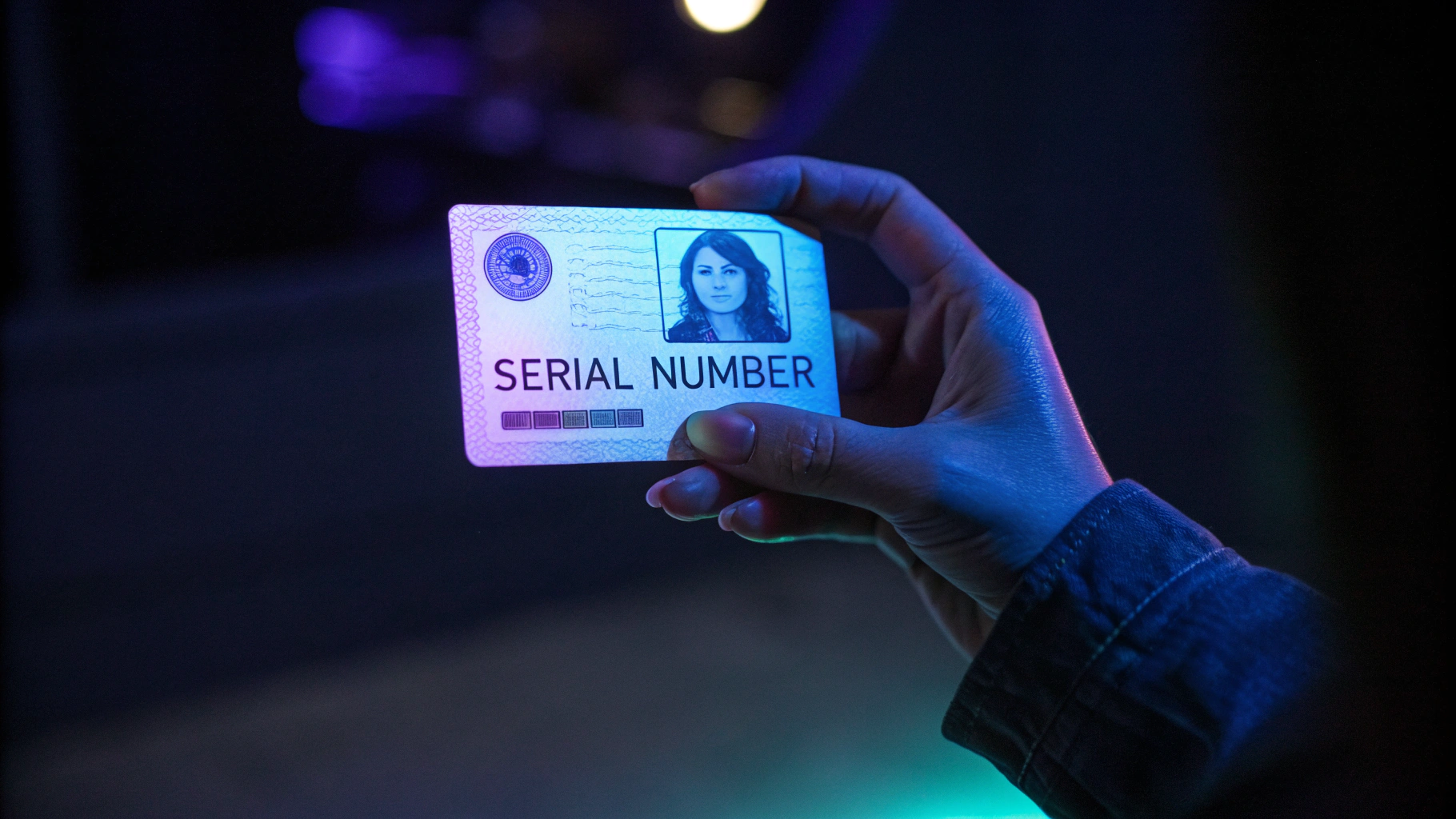
“Temporary” does not mean “unsecured.” A copied VIP or backstage badge grants exactly the access it was designed to prevent, and resale of counterfeit speaker or exhibitor credentials erodes sponsor trust. The good news: several effective features cost pennies at volume — a hologram overlay, UV fluorescent ink visible under blacklight, microtext borders, a guilloche background pattern, and color-coded tiers by access level.
You do not need every feature; you need the right two or three for your threat model, applied consistently across every tier. One feature should be non-negotiable: serialize every badge so security teams can trace, revoke, and spot duplicates at the gate. For a deeper menu of options, see our overview of anti-counterfeit ID cards.
Personalization and Data: Printing Thousands of Unique Badges Fast
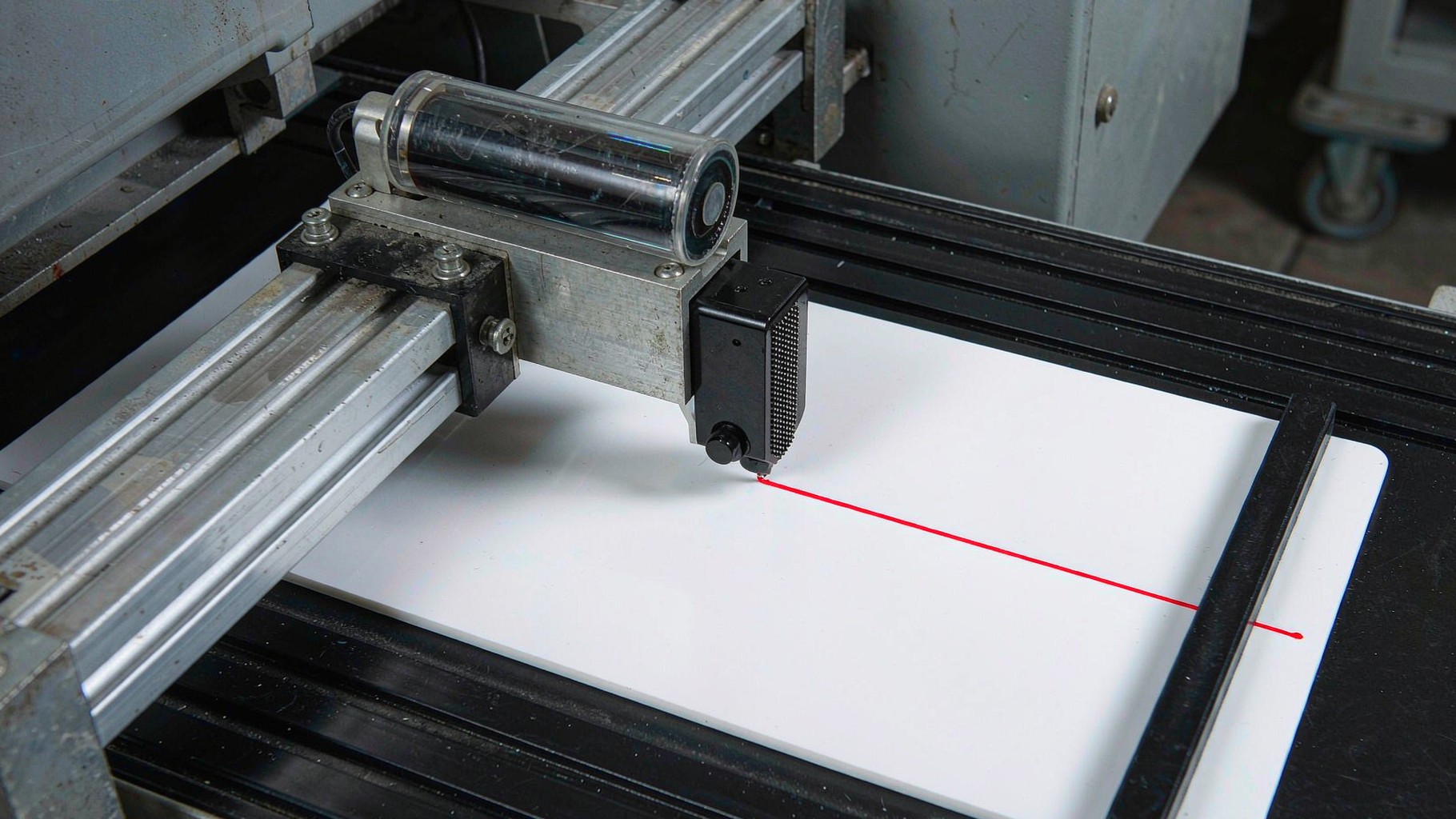
Pre-event personalization beats on-site printing on speed, quality, and security — on-site kits are your fallback, not your plan. Typical variable fields include attendee name, organization, tier, a QR or serial code, and sometimes a photo. RFID badges add a second data layer: chip encoding, done inline at the factory or on arrival.
Data hygiene decides whether this step takes a day or a week. Send a single, locked, proofed file in UTF-8 with agreed field names, and demand one proof round of sample records before the full run. The production methods behind this step are compared in our guide to card personalization methods. Remember also that attendee personal data is regulated: collect only what the badge needs, and process it in line with the GDPR when EU attendees are involved.
Sizing, Layout, and Readability for Fast Gate Scanning
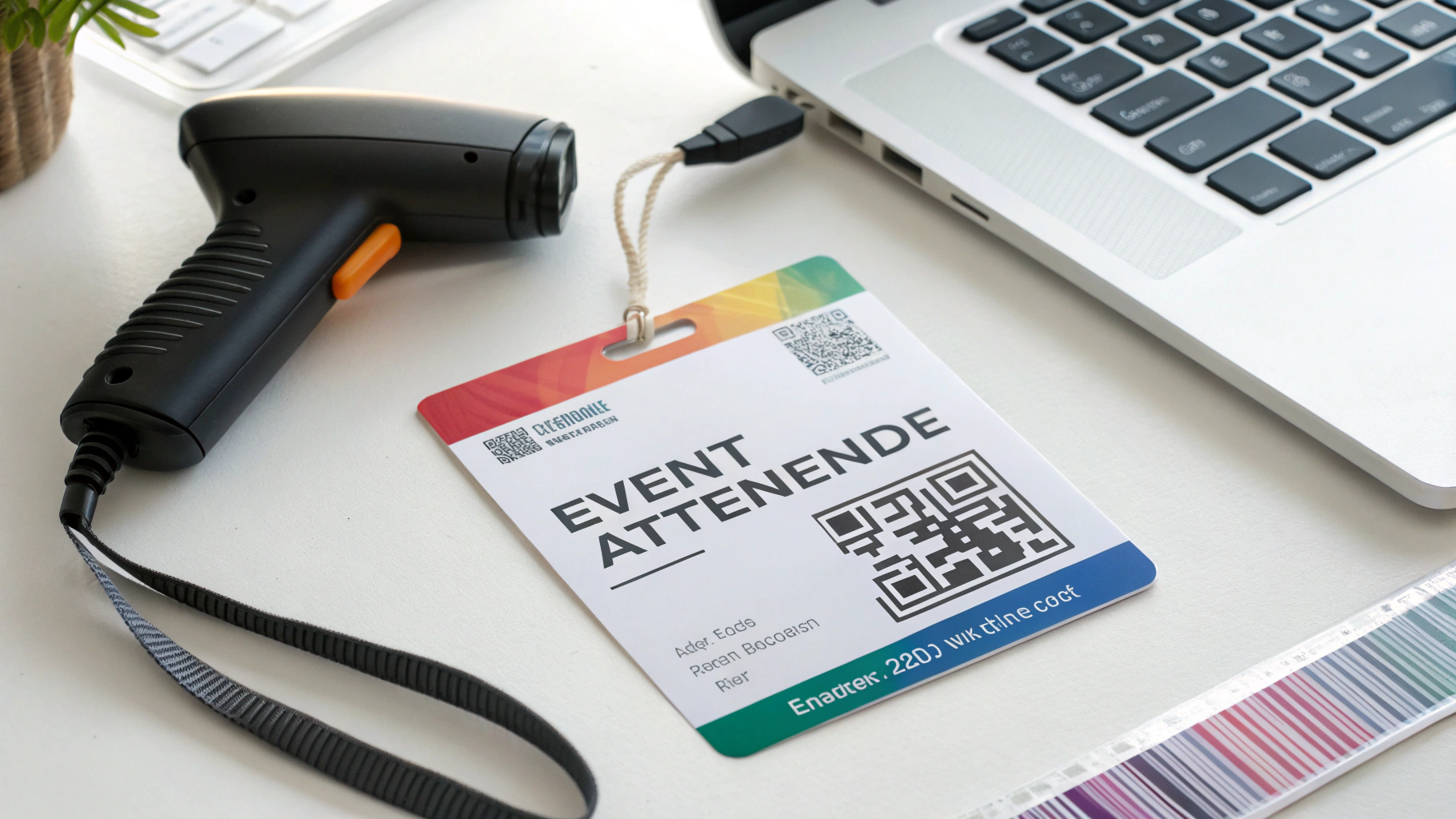
Throughput is decided at the design stage, long before any scanner is unboxed. Three layout rules do most of the work. First, keep the standard ID-1 card size from ISO/IEC 7810 so badges fit every holder, punch, and printer in the ecosystem. Second, respect quiet zones around barcodes and QR codes — the empty margin a scanner needs to lock onto the symbol, as specified in the GS1 barcode standards; a beautiful badge with a cramped code scans slower than a plain one. Third, use color-coded tiers and large tier names so security can sort a crowd at a glance.
Print quality and layout determine gate throughput more than scanner hardware does.
Briefing Your Supplier: An Event Credential Spec Checklist
Hand your supplier a one-page specification and most quality problems disappear before production starts. A complete brief covers:
- Quantity per access tier, plus a contingency percentage for on-site reprints
- Material and thickness (e.g., 0.76 mm CR80 PVC, or composite for outdoor events)
- Access technology and, for RFID, the chip type and encoding specification
- Security features per tier and the serialization scheme
- Variable-data fields, file format, and the data handover deadline
- Packaging: sorted by tier or session, boxed for on-site distribution
- Delivery date, venue or warehouse address, and customs lead time for international shows
Finally, approve a physical sample before the bulk run. A sample proves the material, print quality, and scan reliability you actually specified — not what a catalog page promised. Our walkthrough of requesting and evaluating card samples shows exactly what to test. If you are planning a high-volume event program, contact GENUINE for a quotation and pre-production samples sized to your show.