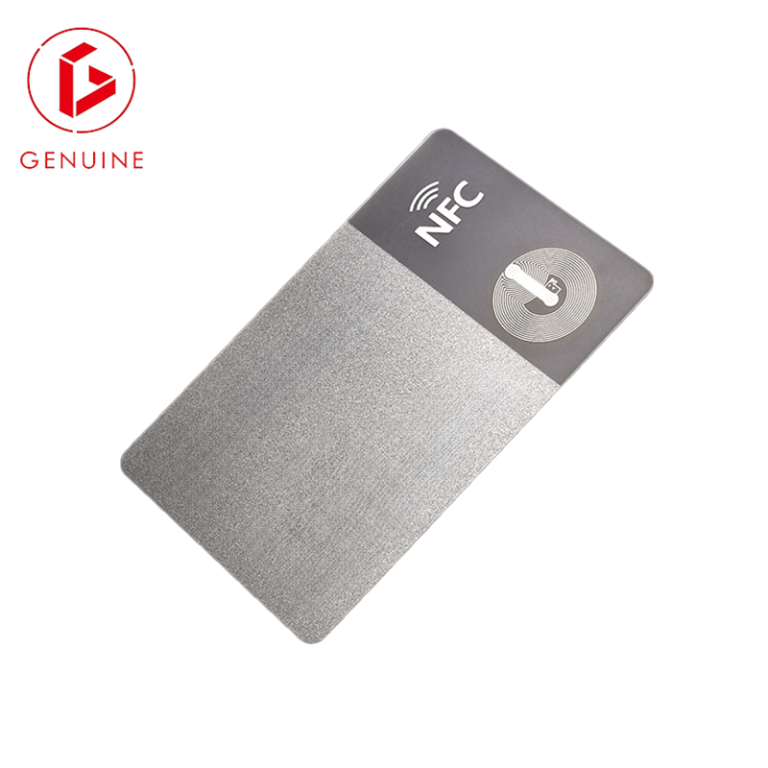
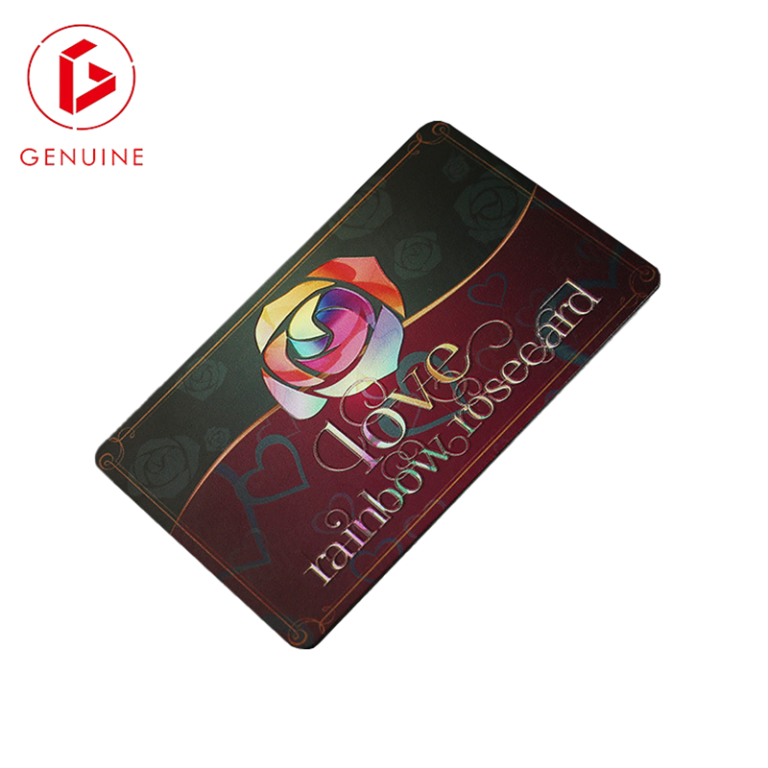
The sample arrived in a padded envelope, the colors match your artwork, and the chip reads on the first tap — so procurement wants a signature on a 50,000-card purchase order. Signing a bulk order on the strength of one good-looking sample is where card programs go wrong. A single hand-picked sample proves almost nothing about the 49,999 cards behind it. What proves something is a structured verification sequence: electrical, mechanical, visual, and environmental — with the results written into your contract. Here is the sequence our factory customers use before committing to volume.
Why a Sample That “Looks Fine” Is Not Enough
Card defects are rarely one-off flaws; they are construction and process problems that repeat across an entire production run. A lamination temperature that is 10 °C too low, or a chip module that was not fully cured, will behave identically in every card of that batch. Catch it at the sample stage and fixing it costs a phone call and a week. Catch it after delivery and it costs a returned shipment, re-personalization or scrap, and — usually the most expensive line item — a missed rollout deadline.
Verification also changes your negotiating position. When you can point to measured read rates, bend-cycle results, and color deltas, you move the conversation from opinions to objective acceptance criteria that survive disputes. And there is a second benefit buyers often miss: the same test data becomes the baseline for your incoming inspection when the bulk shipment arrives, which is why this exercise pairs naturally with a card shipment inspection checklist.

Sample testing is also the last step of a sequence that starts earlier. If you have not yet requested samples, start with our guide to requesting and evaluating card samples before you order, and read how smart cards are manufactured, laminated, and chip-embedded — knowing the process tells you exactly where each defect family comes from.
Build a Sample Kit That Mirrors Your Real Order
A verification program is only as good as the samples it tests. Ask the supplier for a kit that reflects the exact configuration you are buying, not a studio mock-up:
- Blank white stock from the production material (PVC, PETG, or polycarbonate) and thickness you specified.
- A printed card from the production press — offset or digital industrial printing, not an inkjet proof from the prepress room.
- A personalized sample carrying the same personalization method you ordered: laser engraving, dye-sublimation, or retransfer.
- An encoded and initialized chip card, with the file structure or application you will actually deploy.
- The full specification sheet: material, laminate layers, chip model, antenna design, and any security features quoted.
Insist that every sample comes from the production line, not from the sample room. A card made on a different laminator, with a different material lot, tells you nothing definitive about your order. If the supplier cannot produce samples from production conditions, treat that as a finding in itself.

Electrical and Chip Verification: Does It Read Every Time
Electrical verification answers one question with numbers: what fraction of cards read, on your readers, in your conditions? Test 20–50 encoded sample cards on the actual readers and terminals you will deploy — your access controllers, your ticket gates, your printer encoders — not only the supplier’s reference bench. Log the read success rate, the read distance for contactless interface, and the response time. A card that passes on the factory bench can still sit 15% below the read distance your turnstile requires, and you want to discover that now, not after installation.
For contactless products, confirm the card conforms to ISO/IEC 14443 and that the chip model quoted is what is actually inside — ask for a sample to be opened or verify via the chip’s UID family and ATR. For contact-interface cards, check ISO/IEC 7816 electrical behavior and file access. If your program involves cryptographic credentials, validate key injection and mutual authentication with your own middleware before volume production. When a supplier claims a certified chip, ask for the certificate number and look it up yourself on the Common Criteria Portal — certified chips are searchable, and the certificate tells you the exact hardware version and evaluation level.
Mechanical and Durability Testing Against ISO 10373-1
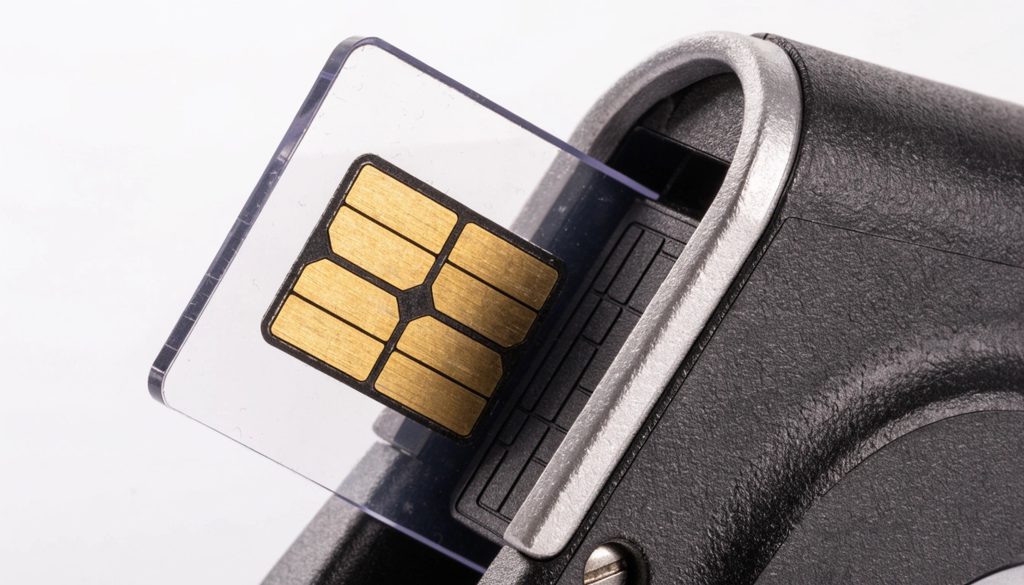
Mechanical stress is where cheap constructions quietly fail. The ISO/IEC JTC 1/SC 17 committee maintains the card test standards, and ISO/IEC 10373-1 is the reference buyers should cite in their acceptance specifications: alternating bend testing, torsion, temperature cycling, and abrasion are all defined there. For most laminated cards, a compliant sample survives roughly 1,000 bend cycles and 1,000 torsion cycles without delamination, module detachment, or read failure, and tolerates temperature cycling between −35 °C and +50 °C. We explain the test methods and how to write them into a contract in our card durability testing guide.
For government or workforce credential programs, durability requirements usually tie to an assurance level rather than a generic spec — NIST SP 800-116 Rev. 1 describes how PIV-style credential assurance maps to card construction and issuance controls. The practical takeaway is the same: if a supplier cannot show bend and torsion results for the exact card construction you are buying, assume field failures and price the replacement program accordingly.
Visual, Print, and Security-Feature Inspection
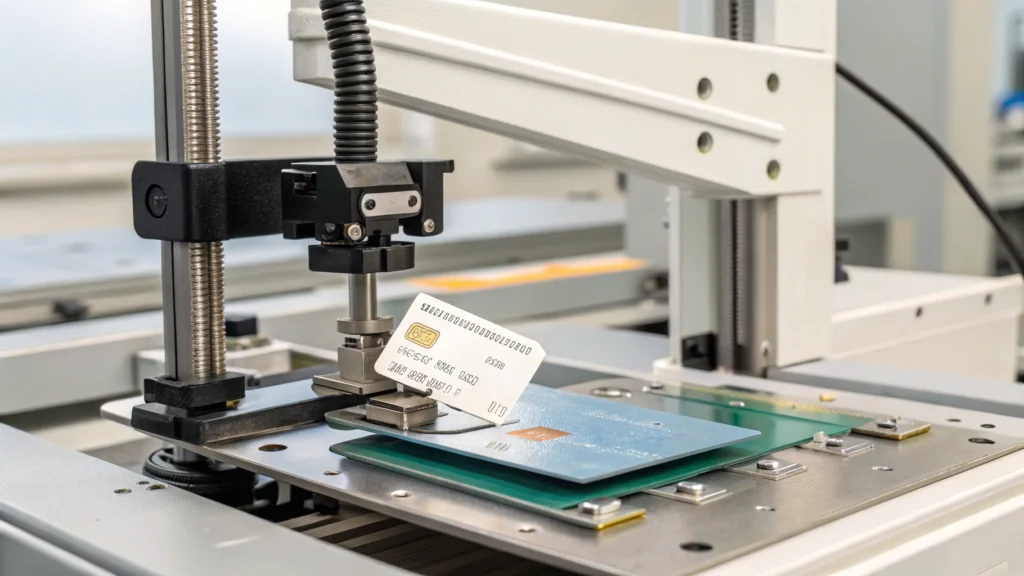
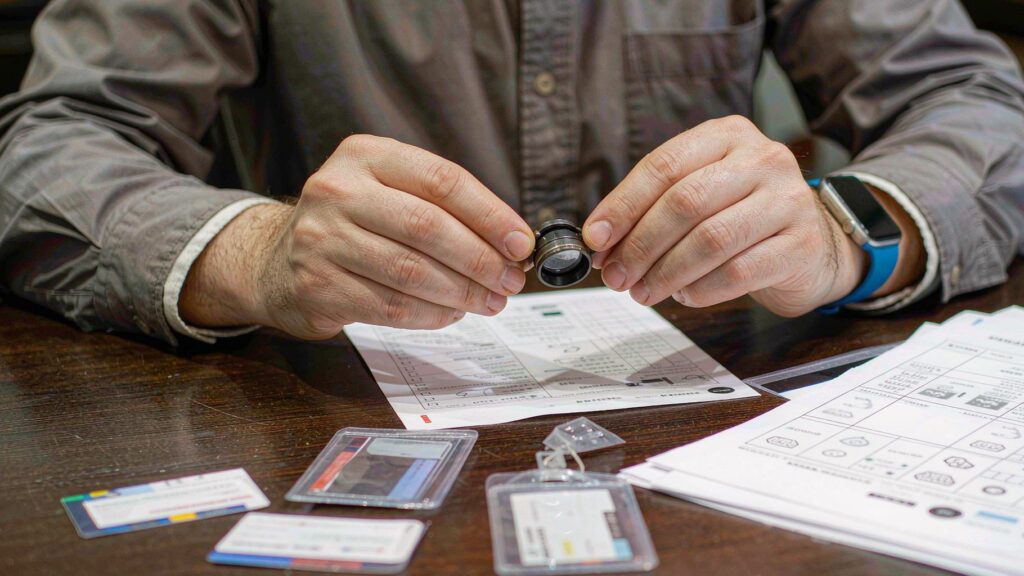
Visual inspection is more than a glance under office lighting. Compare the printed sample against your approved artwork file under standardized light (D65 daylight is the printing-industry norm), and check: color match against your Pantone references, print registration between color layers, edge-to-edge coverage on full-bleed designs, and the alignment of personalization fields. Then verify the security features one by one: microtext under a 10× loupe, UV fluorescent elements under a 365 nm lamp, guilloche patterns, and any holographic overlay or patch. Every feature the supplier quoted should be present, positioned as specified, and reproducible.
Approve the printed sample against the artwork file, never against memory. When feature claims matter to your program’s audit trail, our breakdown of smart card certifications explains what each certificate does and does not prove, so you can weigh supplier claims against documented evidence.
Environmental Stress Tests for Demanding Deployments
Not every card lives in a shirt pocket. Cards carried in vehicles, worn on lanyards outdoors, wiped down with sanitizers in healthcare settings, or used in industrial facilities face UV exposure, humidity, chemicals, and temperature extremes. A sample destined for those conditions should be tested for them: UV exposure (color fade and material brittleness), humidity cycling (lamination bond and print stability), chemical wipe resistance (hand sanitizer is the usual culprit for surface damage), and — for outdoor deployments — the low and high temperature limits of the specific construction. Exposure tests are simple to run: a week on a windowsill or in a sanitizing solution tells you more than any datasheet.
Environmental verification is also where you validate the features that protect the card over its life, not just at first issue — UV security marks, for example, must remain detectable after months of sunlight, not only on the day of inspection.

Turn Test Results Into Contract Acceptance Criteria
Test data only protects you if it is written into the order. Three mechanisms do that:
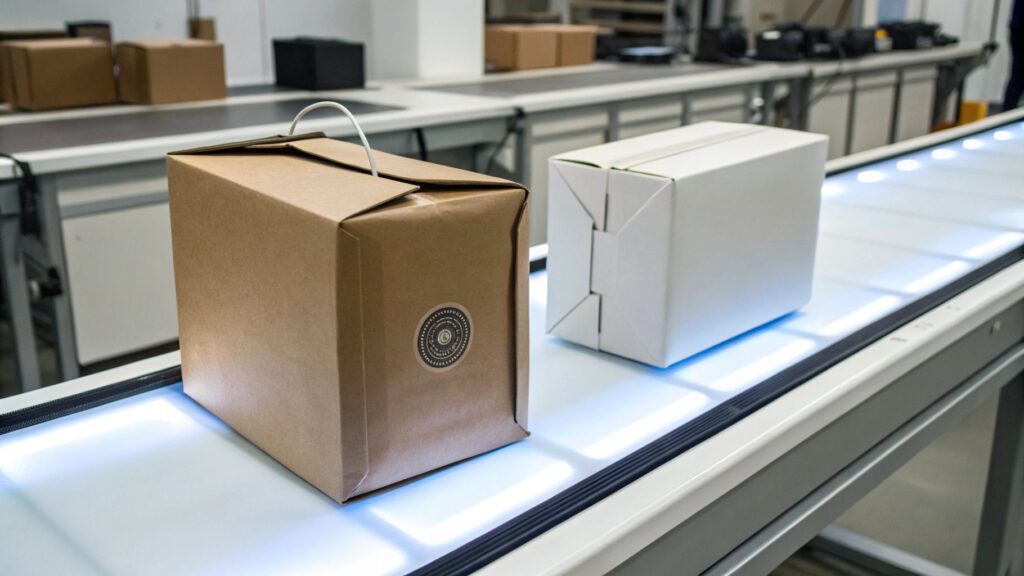
- A golden sample — one verified sample sealed and signed by both parties, retained as the contractual reference for material, print, chip, and construction. Any bulk shipment is judged against it.
- AQL acceptance criteria — define incoming inspection using AQL acceptance sampling (ISO 2859-1), with defect classes: critical (unreadable chip, wrong UID range), major (delamination, color out of tolerance), minor (cosmetic blemishes). Specify the AQL level per class and what happens when a lot fails it.
- A rejection and remedy clause — replacement, credit, or rework, plus who pays return freight. Without this paragraph, a failed shipment is a negotiation instead of a procedure.
The golden sample is the cheapest insurance policy in card procurement. Combined with defined AQL thresholds, it converts “the cards look different” from a subjective argument into a documented, testable comparison — the same side-by-side logic you will use during receiving inspection.
Before you sign the next bulk order, run the sequence: verify the sample kit matches your real configuration, test it electrically on your own readers, demand ISO 10373-1-style mechanical results, inspect print and security features against the artwork, stress it for your environment, and write the results into acceptance criteria. If you want samples pulled from our production line — with the material, chip, and personalization configuration you intend to order — request card samples from our team and we will put the specification in writing.