If you have ever approved an ID card budget on the strength of a per-card quote, you already know how the story tends to go: the printer arrives, the cards look great, and then the ribbons, software seats, enrollment hours, and replacement runs start landing on your desk. The visible purchase—plastic and a printer—is rarely more than a third of what a credential program actually costs over three years. This guide breaks ID card program cost down into every layer that matters, so you can build a total cost of ownership (TCO) model that survives contact with reality.
Why Most ID Card Budgets Come Up Short
Most budget worksheets stop at the two line items a vendor can quote in an email: blank cards and a printer. Everything that happens after the first box of cards—consumables, licensing, staff time, reissues—gets absorbed into “miscellaneous” until year two, when the program either asks for more money or quietly degrades.

The pattern is predictable. A card that costs $0.30 to print can carry $3–$5 of fully loaded cost before it reaches an employee’s badge holder, once you add ribbon, overlay, software seat, and the minutes of skilled labor behind it. Programs that skip this view underfund year two, then scramble when a department expands or a batch of cards fails early.
The fix is not a bigger budget. It is a complete one. Work through the layers below and put a number on each before you commit to hardware or sign a supply agreement.
Card Stock: What Each Card Actually Costs
Material is the most quoted line item and the most misunderstood. In volume, PVC cards typically run $0.10–$0.30 each, composite PET/PVC roughly $0.30–$0.60, and polycarbonate $1.50–$4.00+ where high durability or government-grade construction is required.
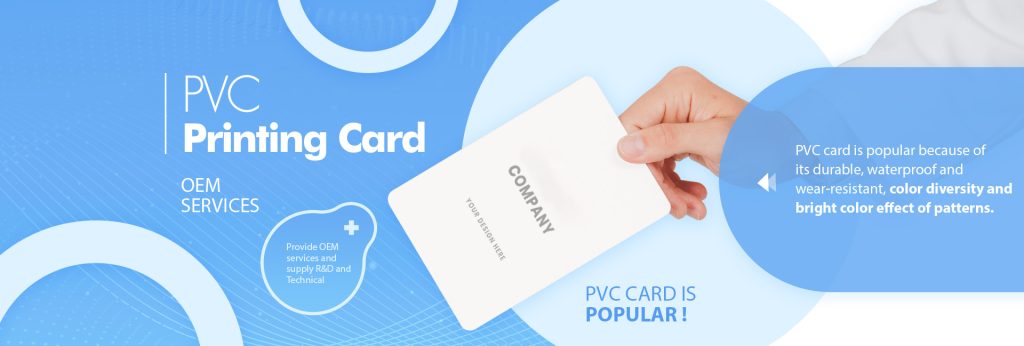
The unit price alone tells you little. A $0.15 PVC card that warps in a wallet or delaminates after a year will cost more in reissues than a $0.50 composite that survives the full credential lifecycle. Match the substrate to service life and environment: lamination, wear testing, and print method all interact with material choice. For a deeper dive on the trade-offs, see our comparison of polycarbonate vs PVC vs PETG for government ID.
Hardware: Printers and Their Real Operating Cost
A desktop dye-sublimation printer might list for $1,500–$3,500; a retransfer unit $3,500–$9,000 or more. But the purchase price is small beside what it costs to run: retransfer printers consume more film per card and print more slowly, yet deliver over-the-edge printing that measurably cuts replacement rates on laminated, high-wear credentials.
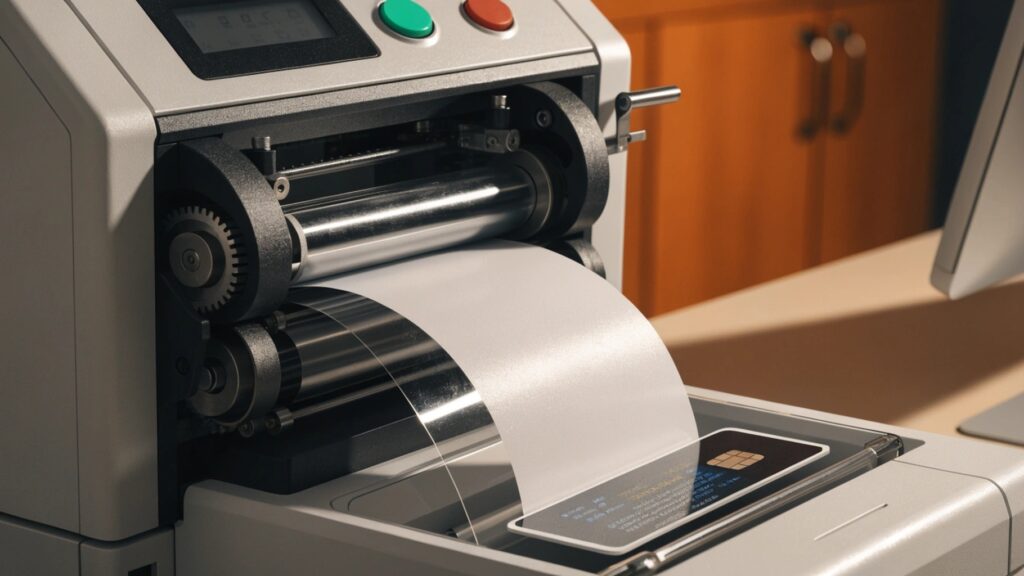
Throughput is the second hidden variable. A 120-cards-per-hour printer that looks fine on paper may need a second unit during onboarding surges, while surplus capacity sits idle the rest of the year. Lease-versus-buy, ribbon yield, and service contracts move the three-year number far more than the sticker. Our card printer buying guide walks through the in-house versus outsourced decision line by line—and aligning hardware choices with the architecture guidance published by idmanagement.gov keeps you out of dead-end platforms.
Consumables: Ribbons, Overlays, and Laminates
This is the line that surprises buyers most. A color ribbon for a dye-sub printer covers roughly 250–500 cards but lists at $50–$120 per roll; retransfer film plus color ribbon can add $0.40–$0.90 per card in supplies alone. Add a clear overlay or lamination patch for wear resistance—$0.05–$0.20 per card—and that is usually money well spent if it halves your replacement rate.
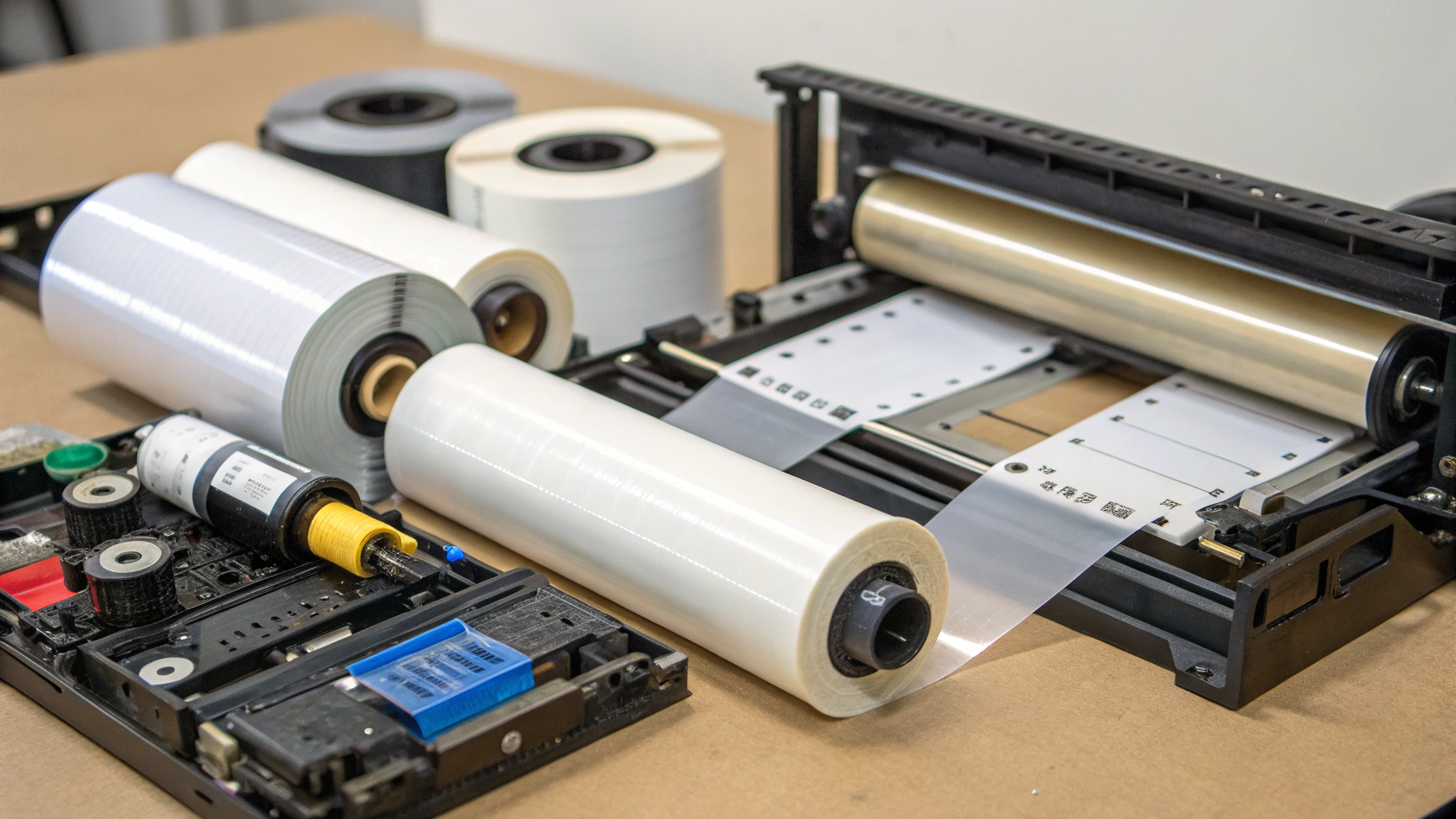
Coverage matters as much as volume: full-bleed designs consume more panel per card than a small logo, and dual-sided printing doubles film use. Track cost per issued card, not cost per ribbon—otherwise the budget will lie to you every quarter.
Software and Middleware: The Licensing Line You Didn’t Plan For
Printing a card is the easy part. Managing the credential securely—encoding chips, syncing with HR, enforcing issuance policy, revoking on exit—is where middleware and credential management systems (CMS) earn their keep, and their licensing often rivals the hardware spend over three years.

Budget for per-seat or per-card licensing, encoding modules for each chip platform, and the integration hours to connect your directory. Designing the program around the lifecycle stages defined in NIST SP 800-116r1 (personal identity verification credential management) reduces vendor lock-in and rework later.
Skipping this line is the fastest route to a program that prints cards but cannot prove who holds them.
Labor: Design, Personalization, and Enrollment Time
The quietest cost is people. Between artwork setup, data mapping, chip encoding, and enrolling the holder, internal personalization commonly consumes 5–15 minutes of skilled labor per card—which at a few thousand cards a year adds up to weeks of staff time. Multiply by your loaded hourly rate and the “free” in-house option stops looking free.
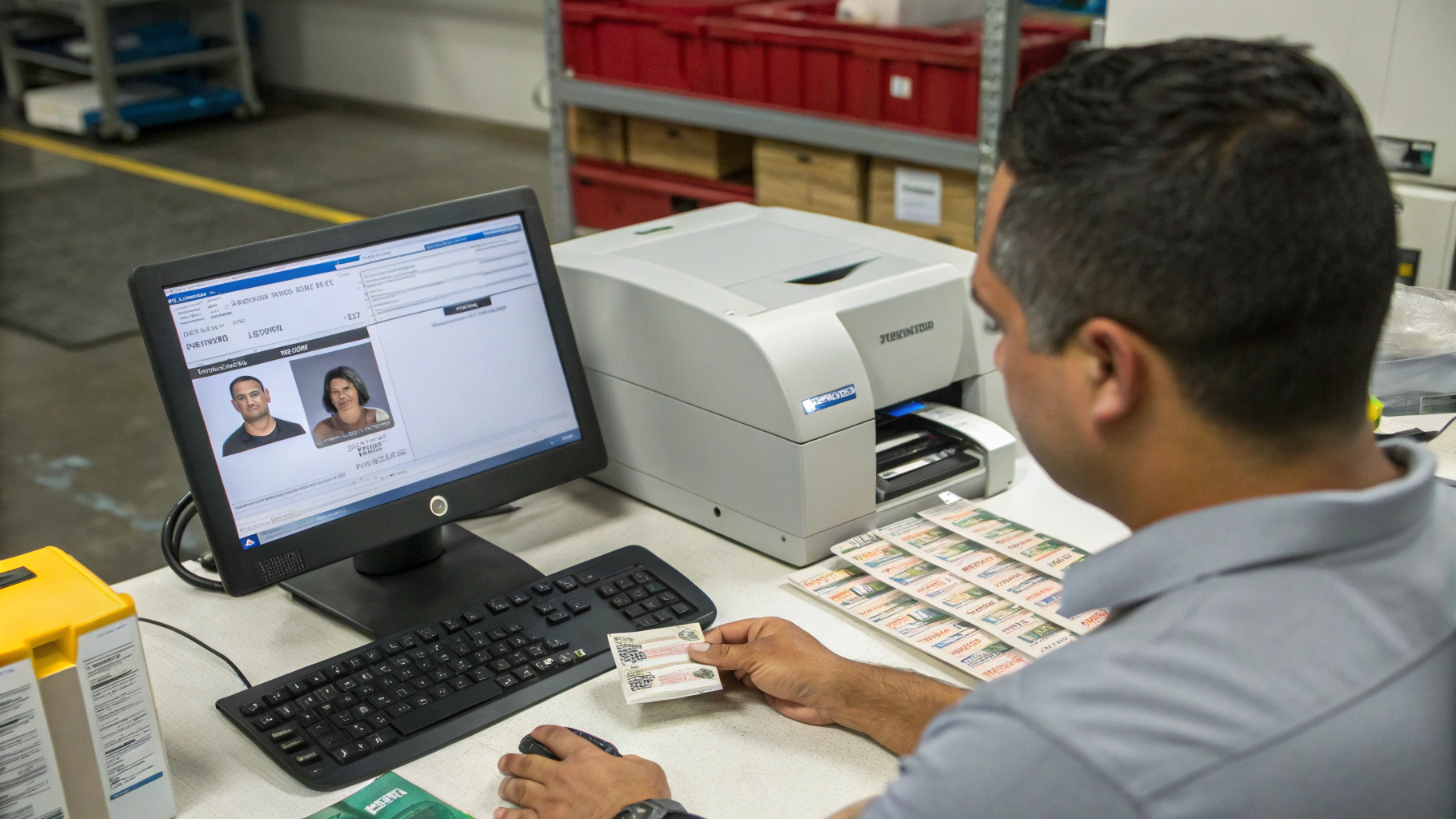
Outsourcing personalization to a card factory converts that variable labor into a predictable per-card fee: you send a structured data file, the factory ships encoded, printed, quality-checked cards. The break-even depends on your volume and churn—our guide to card personalization methods shows where factory fulfillment starts to win.
For chip-level encoding and lifecycle security, the specifications published by GlobalPlatform are the reference most card factories build against.
Replacements and Reissues: The Cost of Churn and Damage
Cards are consumables in disguise. They get lost, demagnetized, laundered, and rendered obsolete by role changes. Many enterprise programs reissue 10–20% of their credential base annually, and every reissue carries the loaded cost of a new card plus revocation labor—plus the security exposure while the old card is still live.
Durable substrates, contactless chips instead of magnetic stripes, and a revocation workflow tied directly to HR off-boarding are the cheapest insurance you can buy. Remember that a lost credential is also a data-protection event: GDPR requires you to manage the personal data bound to lost or stolen credentials responsibly, including timely revocation and audit trails (gdpr-info.eu).
Before committing to any design at volume, order a sample pack and stress-test it—our card sample evaluation guide covers the checks worth running first.
A Simple TCO Worksheet: Bringing It All Together
You do not need a finance team to forecast this. Build a three-year model with the rows below, fill in your real volumes, and you will have a defensible number:
| Cost layer | What to model | Indicative share of 3-year TCO* |
|---|---|---|
| Card stock | Volume × unit price, including reissues | 15–25% |
| Consumables | Ribbons, overlays, laminates per issued card | 15–25% |
| Hardware | Printer(s) amortized plus service contract | 10–20% |
| Software | CMS licensing plus integration hours | 15–30% |
| Labor | Minutes per card × volume × loaded rate | 15–25% |
| Contingency | Surge onboarding, price drift, rework | +15–25% |
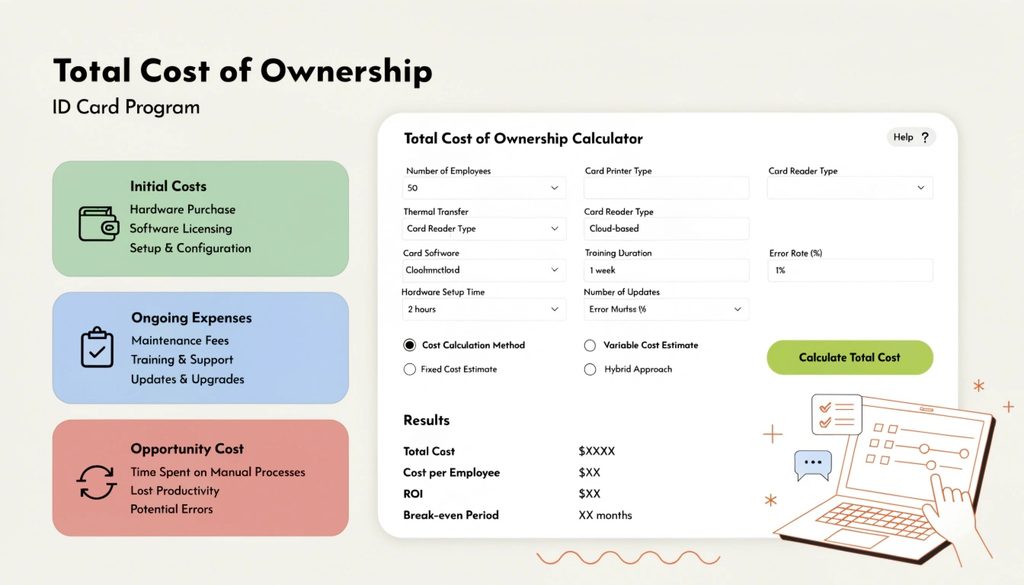
Add a 15–25% contingency for surge onboarding and price drift—programs that skip it almost always overrun. A spreadsheet you can actually fill in beats any vendor’s per-card quote, because it forces the assumptions into the open.
When your model is ready, pressure-test it. Request samples from a shortlist of factories and compare factory-fulfilled pricing against your in-house number—if the gap is within 10–15%, the labor and reissue savings usually tip the balance. Talk to our team for a sample pack and a quotation built around your volumes.