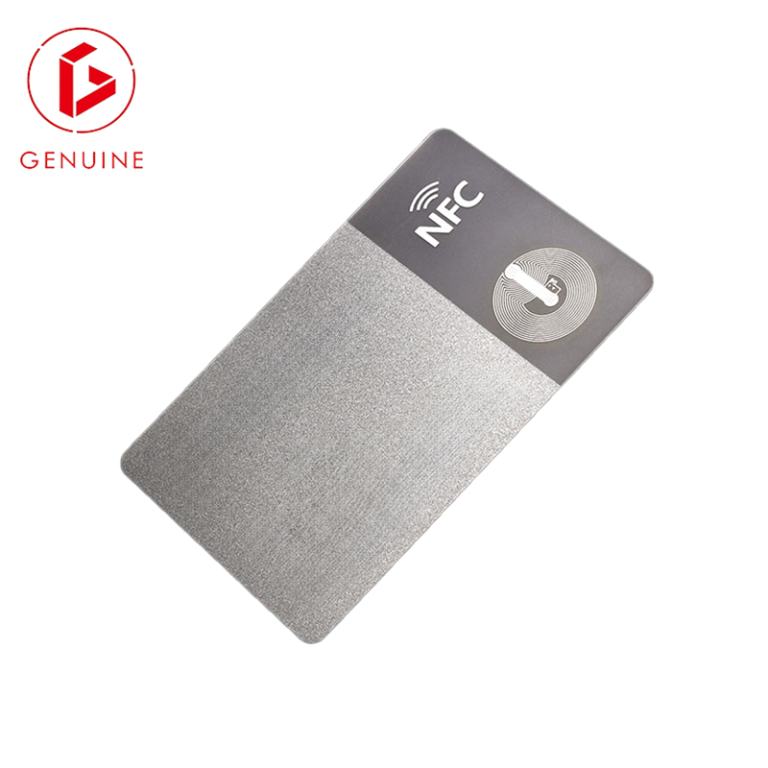
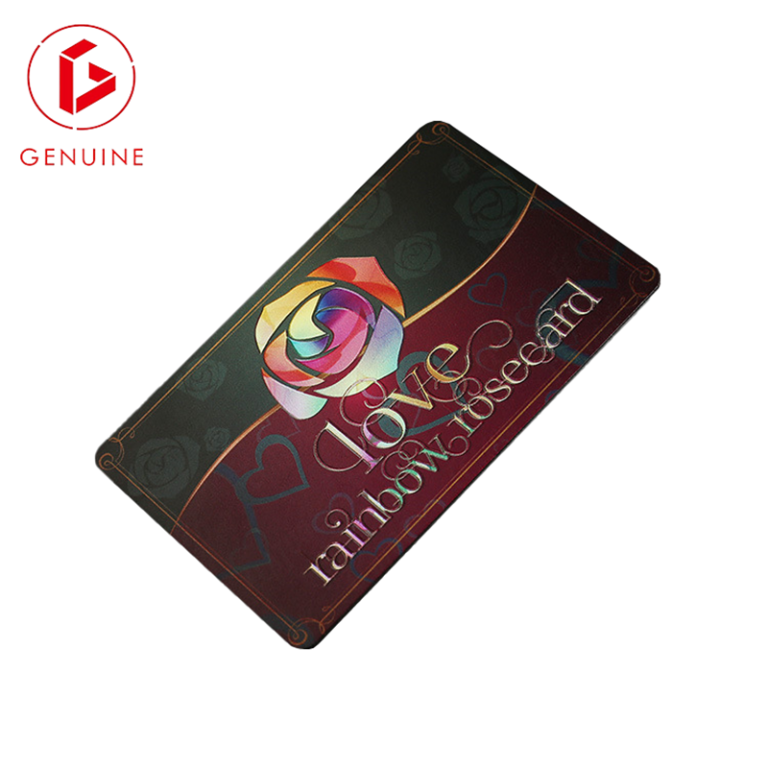
You specify thread counts, linen weight and check-in software—but the one object every guest touches within 30 seconds of arrival is a thin plastic card. A hotel key card is the most-handled, most-abused credential in your entire property, yet it is usually bought on price-per-thousand with almost no specification. When a guest stands at a locked door at 11 pm, the brand promise lives or dies on that card reading first try. This guide walks B2B buyers—hoteliers, resort groups, hospital and campus facilities teams—through choosing RFID and NFC key cards that actually survive daily guest turnover, match your lock hardware, and still carry your brand.
Why the key card is the guest’s first—and most-tested—impression
A room key is not a souvenir; it is a working credential that gets bent, dropped, swiped, demagnetised by a phone, and washed in a pocket. A single card can be inserted and withdrawn dozens of times per stay, then reissued to the next guest within hours. Cheap PVC cracks at the slot notch, the printed logo rubs off after a few cycles, and a warped card jams the reader. The cost of a failed read is not the five-cent card—it is a front-desk call, a walked guest, and a review that mentions “couldn’t get into my room.” Specifying the card body and chip deliberately is the cheapest insurance you can buy for guest experience.
125 kHz vs 13.56 MHz: which frequency your locks actually speak
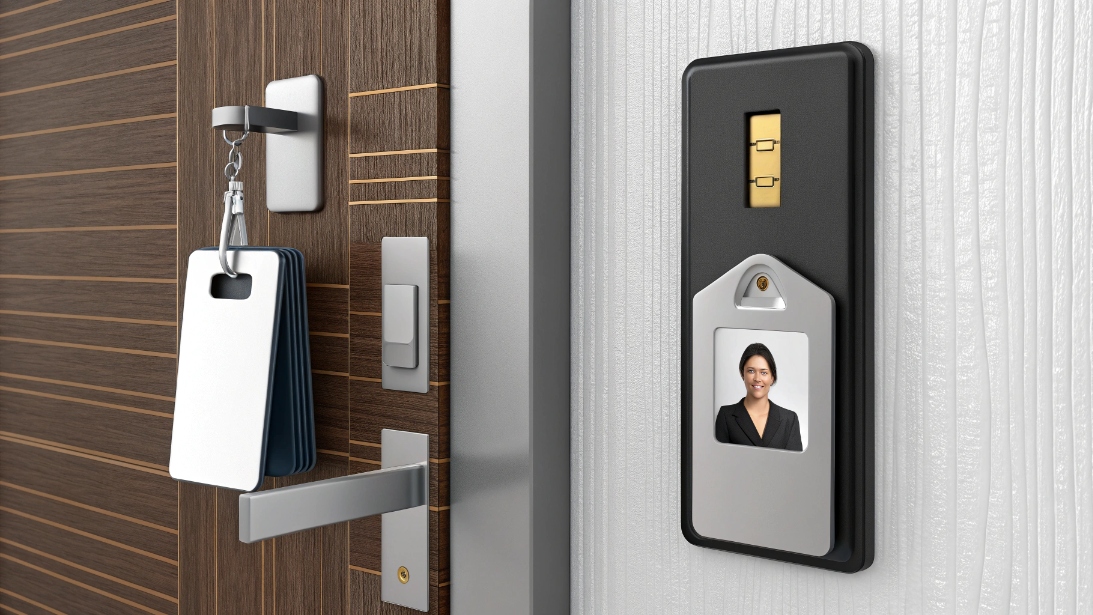
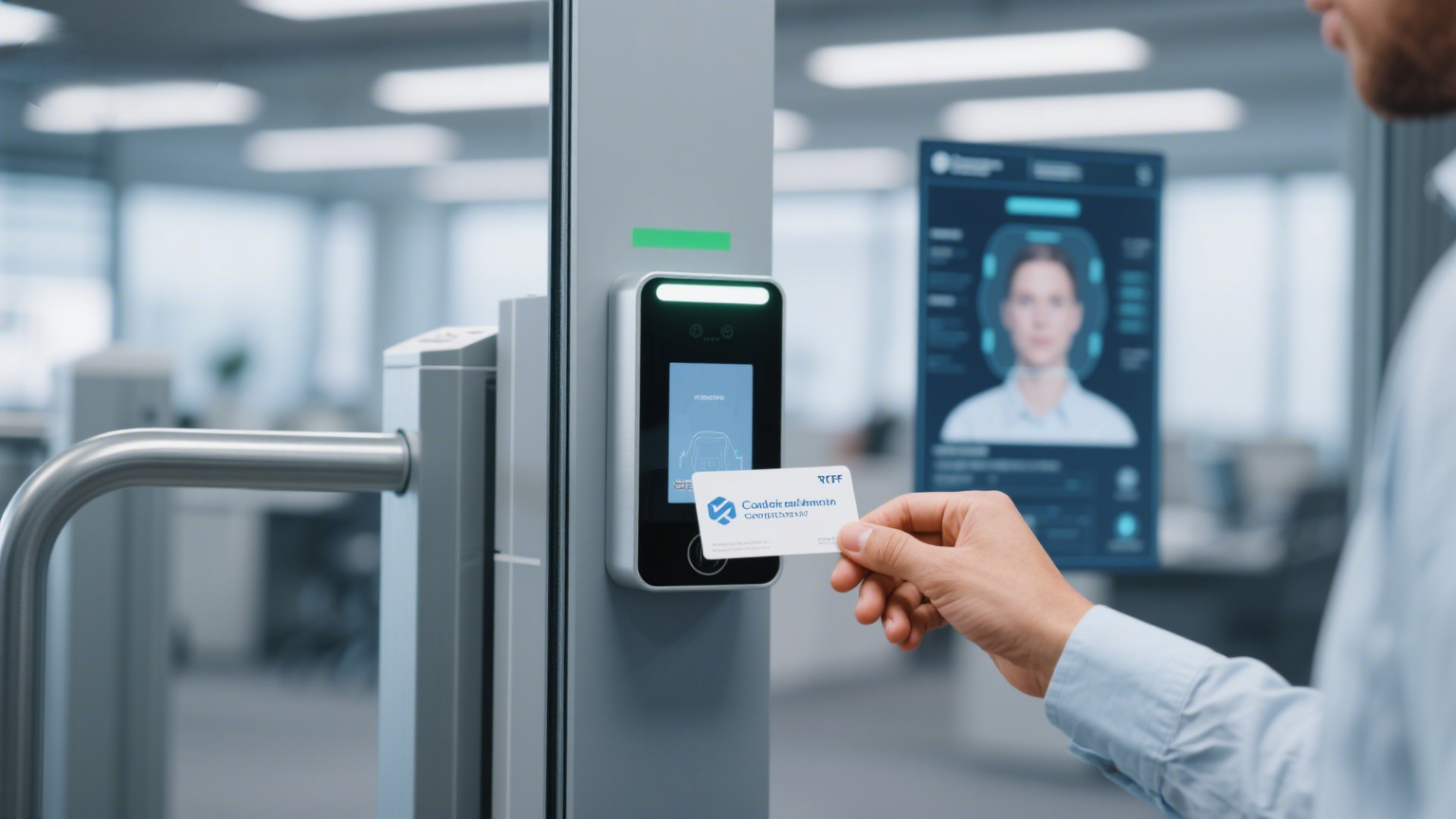
Before you choose a card, you must know what your door locks expect. Most legacy hotel locks read 125 kHz low-frequency (LF) proximity credentials—the HID Prox-style format that has no encryption and is trivially cloneable. Newer locks, and almost all mobile-ready systems, read 13.56 MHz high-frequency (HF) contactless cards built on ISO/IEC 14443. A 13.56 MHz card will not open a 125 kHz lock, and vice versa—this is the single most common mismatch that strands a rollout. Confirm the exact credential family your lock vendor certifies (Saflok, Onity, VingCard/Assa Abloy, Salto and others each publish supported formats) before you brief any supplier. See our explainer on card wireless interfaces for the full RFID/NFC/BLE breakdown.
RFID vs NFC on a hotel key: what the difference means for you
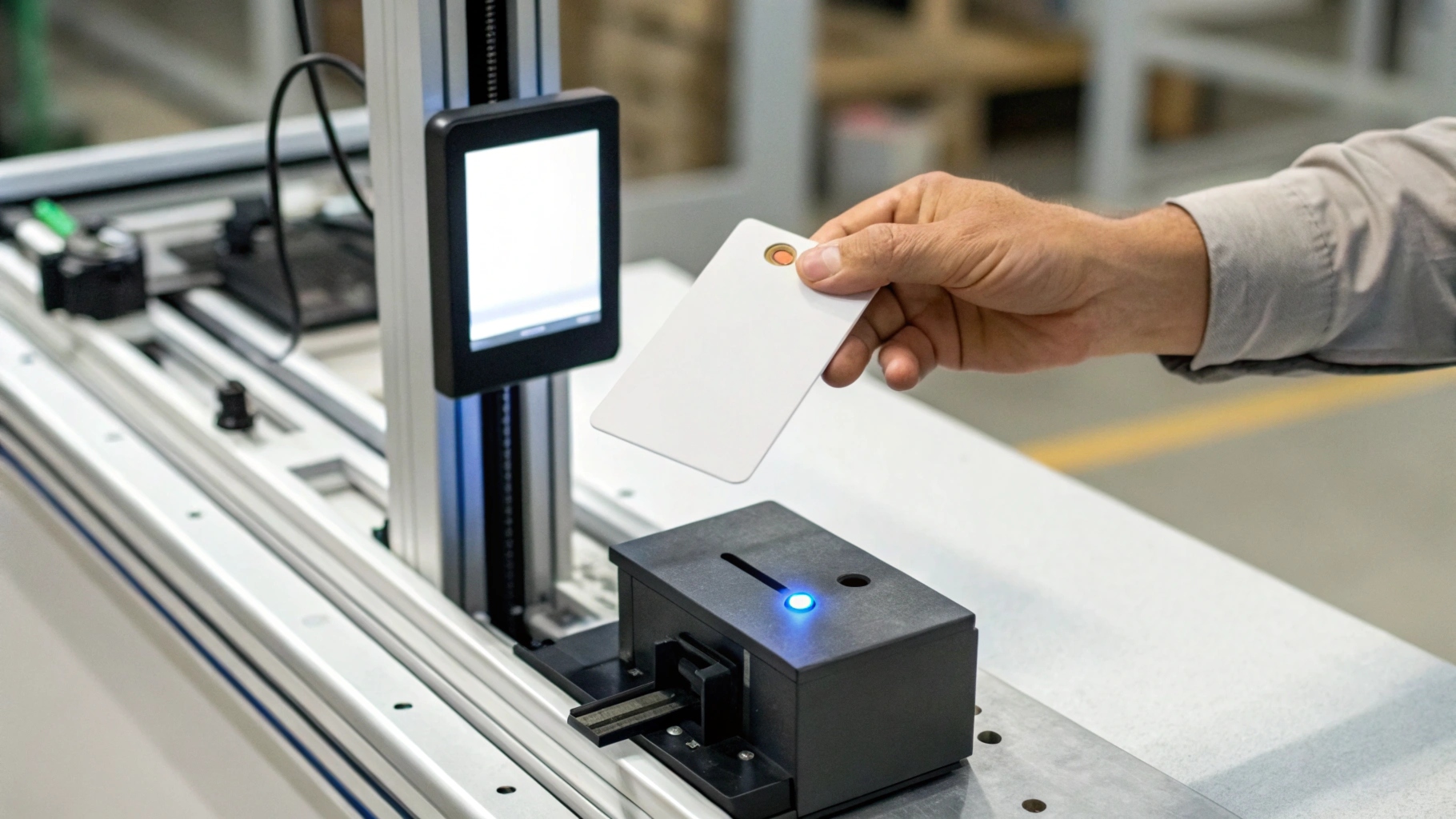
“RFID” is the broad family; NFC (Near Field Communication) is the short-range, standards-based implementation of 13.56 MHz contactless used by ISO/IEC 14443—the same technology in contactless payments and most modern guest cards. For hotels, the practical split is:
- LF 125 kHz prox—lowest cost, longest installed base, but no security; anyone with a low-cost cloner can copy it.
- HF 13.56 MHz (MIFARE, DESFire, NFC)—encrypted options exist (DESFire EV3 with mutual authentication), supports mobile-credential convergence, and reads within a few centimetres, which is exactly the tap-at-the-door distance you want.
If your property is refreshing locks anyway, standardising on 13.56 MHz NFC-class credentials future-proofs you for phone keys and avoids the cloning liability of plain 125 kHz. The NFC Forum maintains the interoperability specifications behind these cards.
Durability for high turnover: material and finish choices
A hotel key lives a hard life. Material choice decides how many check-ins it survives:
- PVC—cheapest; fine for low-turnover staff cards but cracks at the slot punch on high-cycle guest keys.
- Composite (PVC + PETG/PC core)—the sweet spot for guest keys; resists cracking and holds print through hundreds of insertions.
- PETG / Polycarbonate—most durable and heat-stable, used where cards must outlive the season; higher unit cost.
A slot (key-tag) punch immediately weakens the card’s edge—specify reinforced edges or a thicker composite if you punch. A clear protective overlay or lamination layer is what keeps your logo legible after a week of pockets and pool decks. Validate wear the same way you would any card: reference ISO/IEC 10373 test methods and treat a sample’s survival as a procurement gate.
Branding and artwork: turning a disposable card into a keepsake
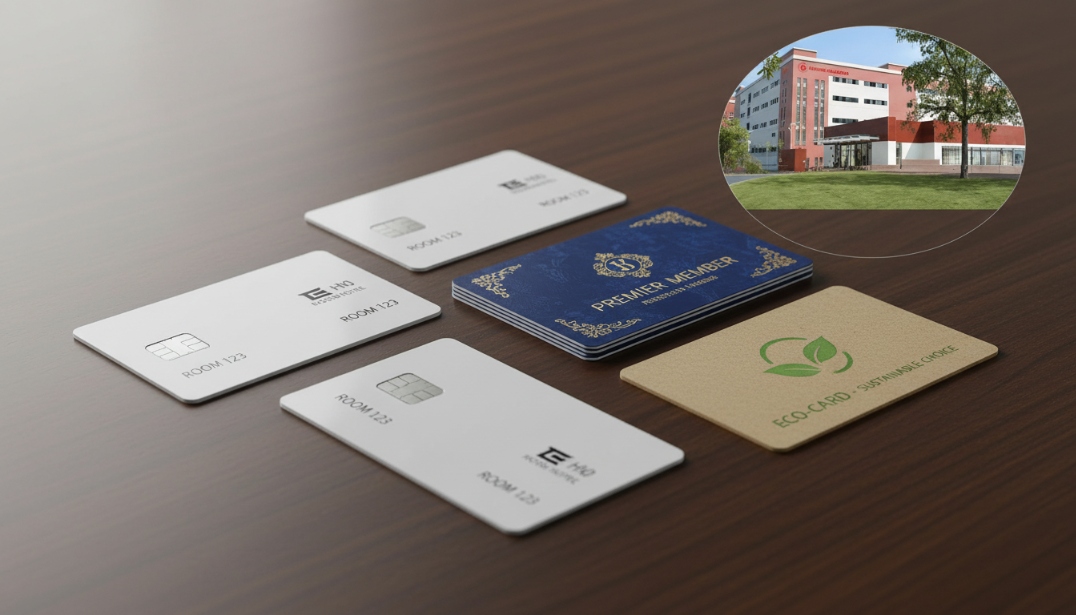
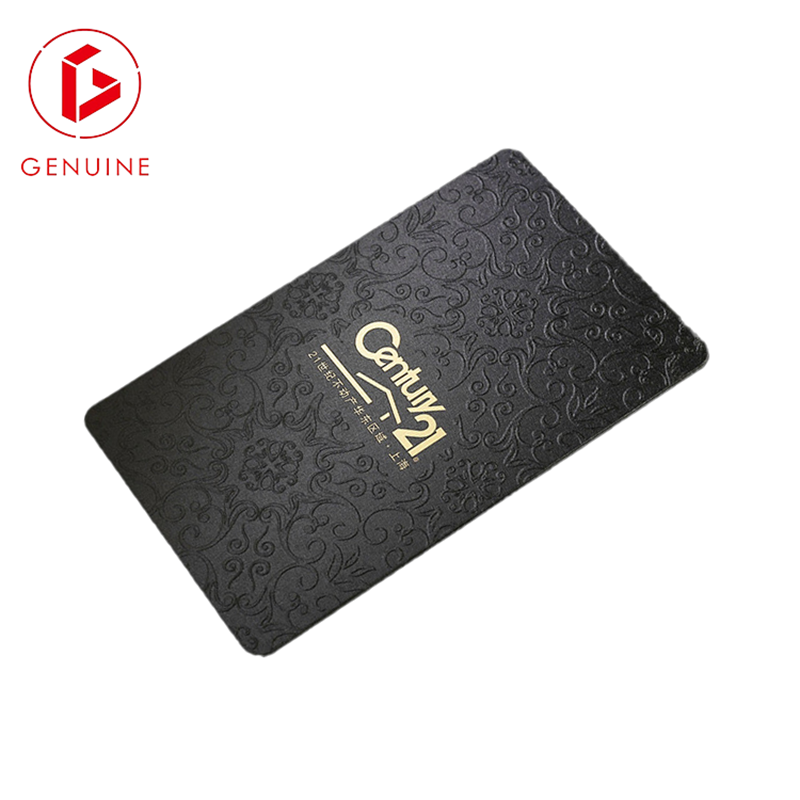
The key card is the one piece of collateral guests keep in their wallet after checkout. Custom printing—property logo, room-art series, local landmarks—turns a throwaway into low-cost, lingering brand exposure. Keep personal or room data off the printed card: the card number should be a token, never a name or room number in clear text. Eco-minded properties can request rPVC or recycled-core bodies without sacrificing read performance. For design that will not bounce back from prepress, follow the same artwork specification discipline you would use for any secure card.
Sourcing and samples: what to specify before you order
A vague “send me hotel key cards” purchase order is how properties end up with the wrong frequency. Lock your RFQ to these fields:
- Frequency & chip—125 kHz (Prox) or 13.56 MHz (specify MIFARE/DESFire/NFC) to match the locks.
- Card size—ID-1 / CR80, 85.6 × 54.0 mm per ISO/IEC 7810; confirm thickness if you punch a slot.
- Body material—PVC, composite, or PETG, with overlay/lamination noted.
- Encoding—pre-encoded to your lock system’s format, or blank for on-site personalisation; see our card encoding guide.
- Finish & MOQ—matte/gloss, spot UV, magnetic stripe or not, and the minimum order that fits your reissue cycle.
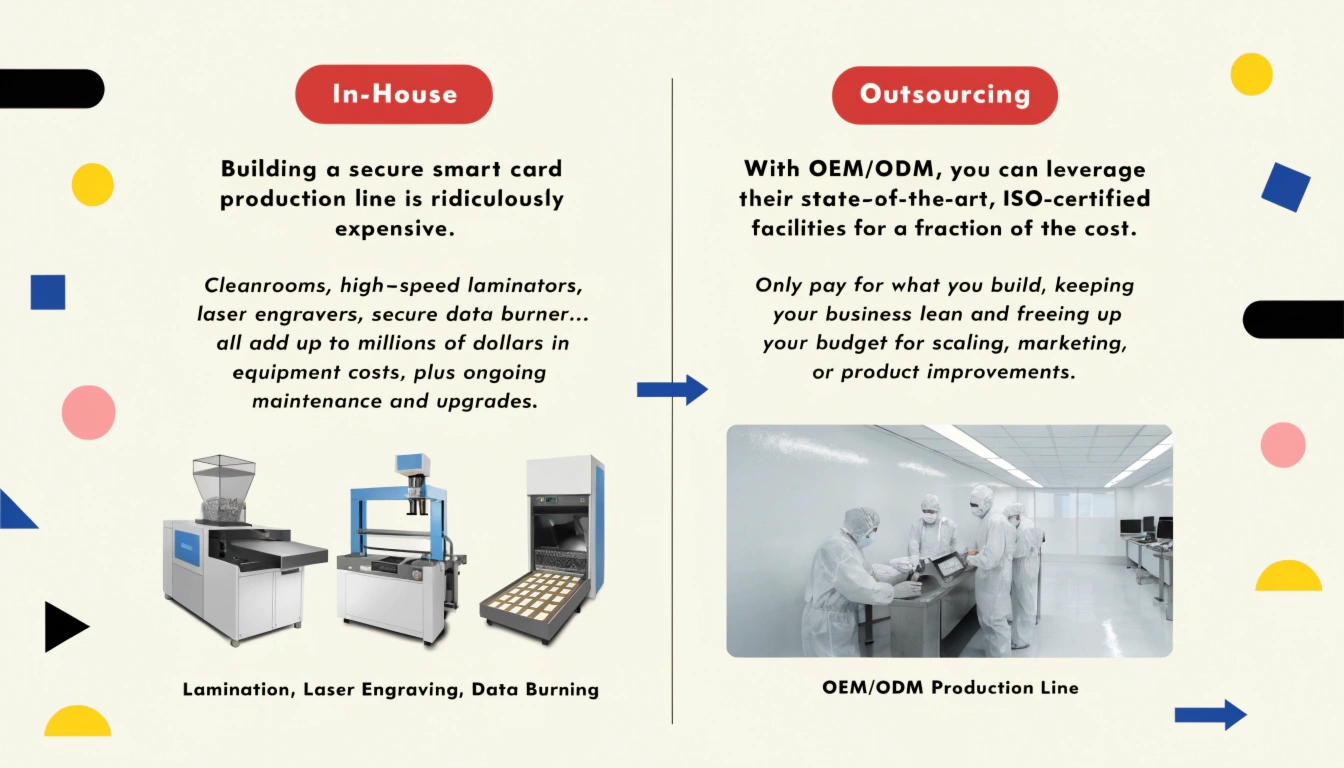
Always request a pre-production sample and approve a golden sample before mass production—the single step that prevents an entire bad batch. Our sample-evaluation checklist walks through exactly what to test on arrival.
Frequently Asked Questions
Can one card work on both 125 kHz and 13.56 MHz locks?
Not natively. A card speaks one frequency per antenna. If your estate mixes old and new locks, you need a dual-frequency or dual-interface card, or you run two card types during the transition. Plan the cutover explicitly rather than assuming interoperability.
Are NFC hotel keys safe from cloning?
Plain 125 kHz prox offers no encryption and is easily copied. 13.56 MHz NFC cards can be clone-resistant when built on a secure element with mutual authentication (for example, DESFire EV3). The card type matters more than the frequency label—specify the security level, not just “NFC.”
Should the room number be printed on the key?
No. Print only a non-sensitive token or nothing. A printed room number turns a lost card into a directed physical-security risk. Issue and revoke credentials so a found card is useless without the system.
How long should a hotel key card last?
A well-made composite or PETG guest key should survive dozens of insertions across multiple stays; cheap PVC often fails within a single high-cycle stay at the slot notch. Treat durability as a sourced specification, not a hope.
Can I use the same supplier for staff, vendor and guest cards?
Yes, and it simplifies encoding and inventory. Align everyone on one frequency and one encoding scheme so a vendor badge and a guest key share the same reader backbone—see our guidance on visitor and contractor credentials.
Get a specification that fits your locks
The right hotel key card is the one your locks actually read, your guests can’t break, and your brand is happy to hand out. Tell us your lock model and volumes and we will return a matched, sampled, encode-ready specification—contact our card team to start.