Counterfeit goods are no longer a fringe problem. The OECD estimates that trade in fake products reached up to 3.3% of global trade — roughly $464 billion in 2019 alone (OECD). For procurement and brand-protection teams, the real challenge in 2024 is not whether to act, but how to choose technologies that actually hold up. This guide cuts through the buzzwords around AI authentication, quantum-resistant encryption and smart RFID, and shows what to specify when you brief a security-printing partner.
Why 2024 Is the Inflection Point for Anti-Counterfeit Investment
Three forces are converging at once. Regulators are pushing verifiable traceability rather than static holograms. Consumers now expect to verify a product’s origin with a phone scan in seconds. And the market for anti-counterfeit packaging and authentication keeps climbing past the $100 billion mark — which means more vendors, more claims, and more noise to filter.
The real risk is lock-in to a single clever feature a counterfeiter reverse-engineers in eighteen months. The winning strategy is layered, standards-based, and upgradeable. The sections below map each 2024 trend to a concrete procurement decision you can act on.
Electronic Certificates Are Replacing Paper Labels
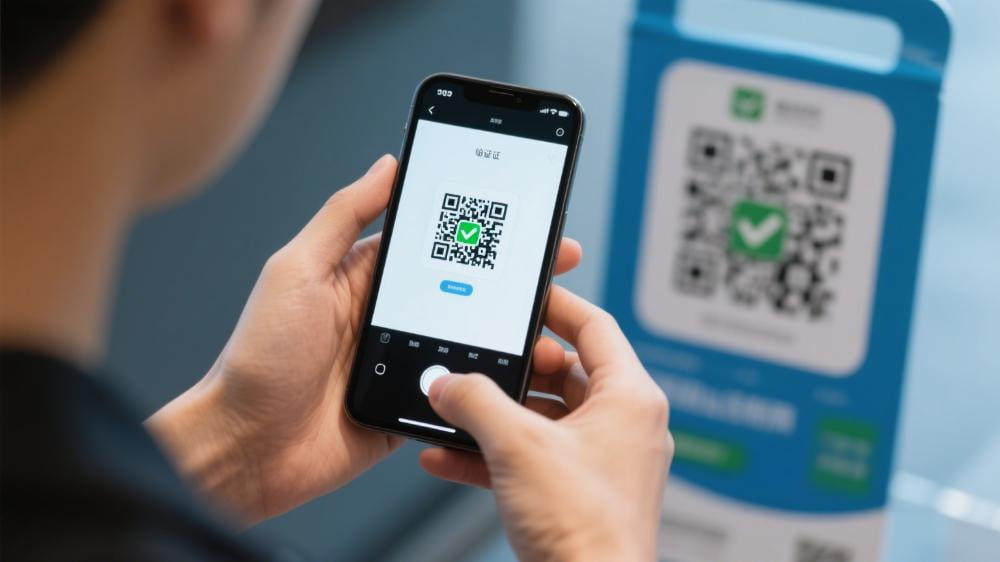
Traditional paper certificates and adhesive labels are cheap to copy and impossible to audit. Electronic certificates — a unique digital identity carried by a QR code, NFC tag or blockchain token — close that gap. When a buyer scans, they see origin, batch number and logistics history pulled from a system the counterfeiter cannot forge dynamically.
How it works in practice:
- Each unit or batch receives a unique digital ID at the point of manufacture.
- The consumer or inspector scans to verify origin, batch and chain-of-custody in real time.
- Because the credential is dynamic, a copied label fails verification instead of passing.
For a deeper look at the substrate technologies that pair with digital credentials, see our 2025 anti-counterfeit paper technology comparison.
AI Authentication Reaches Production-Grade Accuracy
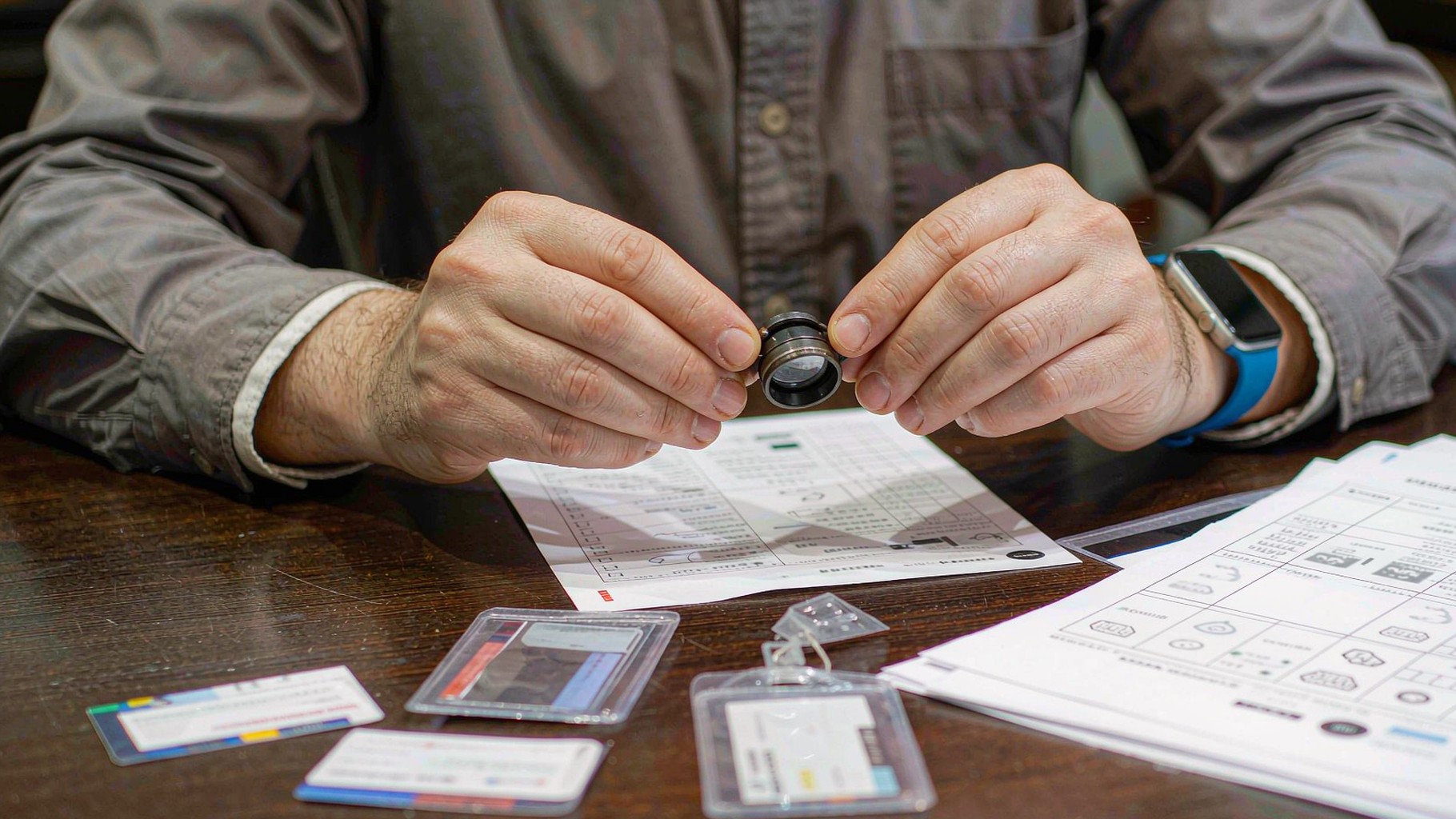
The leap in 2024 is not “AI” as a label, but machine-vision authentication that reads microscopic substrate features — fibres, guilloché, micro-text and print texture at sub-0.1 mm scale — to create a fingerprint no two documents share. Field systems now flag fakes with production-grade accuracy above 99% and improve as they see more samples.
What that means for your operation:
- Real-time interdiction: an item sold outside its authorised market triggers an alert before the sale completes.
- Line integration: inspection sits on the production line alongside printers and coders, not in a separate lab.
- Self-learning: detection sharpens with every batch, so counterfeiter drift is caught early.
The performance bar for these solutions is documented in ISO 12931, the standard that defines how authentication performance should be measured and proven.
Quantum-Resistant Encryption Is the Next Frontier

Quantum computing threatens the public-key encryption that protects most track-and-trace databases. Forward-looking programmes are already migrating to post-quantum algorithms standardised by NIST in 2024 (ML-KEM, derived from CRYSTALS-Kyber) (NIST). You do not need a quantum computer to be exposed — you need to stop shipping credentials a future attacker can decrypt retroactively.
At the physical layer, quantum-dot tags that glow under UV light add a covert marker that costs a counterfeiter millions to reproduce convincingly. They are not a substitute for cryptography, but they raise the cost of attack at the product itself.
Smart RFID Tags Add Self-Destruct and Traceability
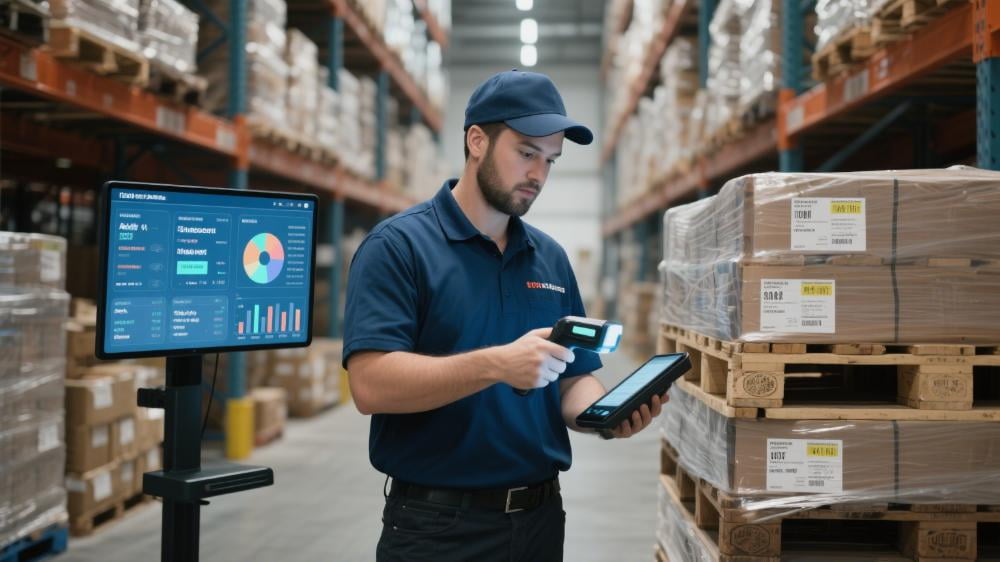
RFID has moved from pallet tracking to tamper-evident, item-level authentication. Modern tags support self-destruct mechanisms — a broken antenna or torn substrate disables the chip — and feed a live record of where a product has been. That turns a static label into a queryable supply-chain history.
For procurement teams, the decision is less about the chip and more about frequency and a partner who encodes your data right the first time. Our RFID tag procurement guide walks through MOQ, encoding and pilot steps, and GS1 standards keep that data interoperable across retailers.
Specify a 3-Layer Anti-Counterfeit Substrate

The most durable protection is built into the material, not stuck on top. Brief your supplier around three layers:
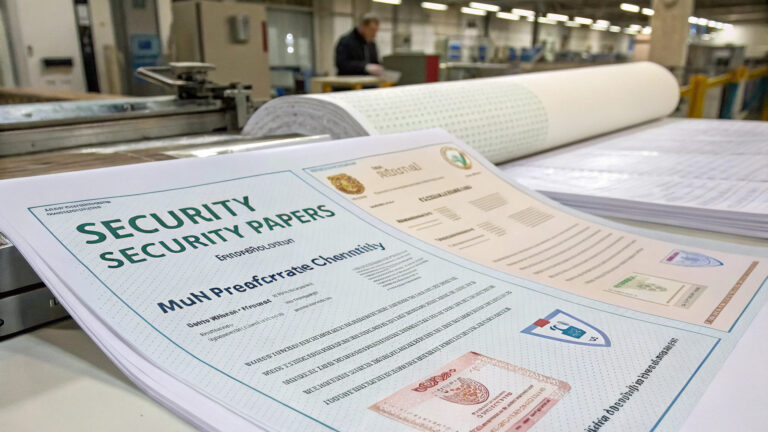
- Substrate: security paper or polycarbonate with an embedded watermark and security thread — visible, hard to reproduce, and the foundation everything else sits on.
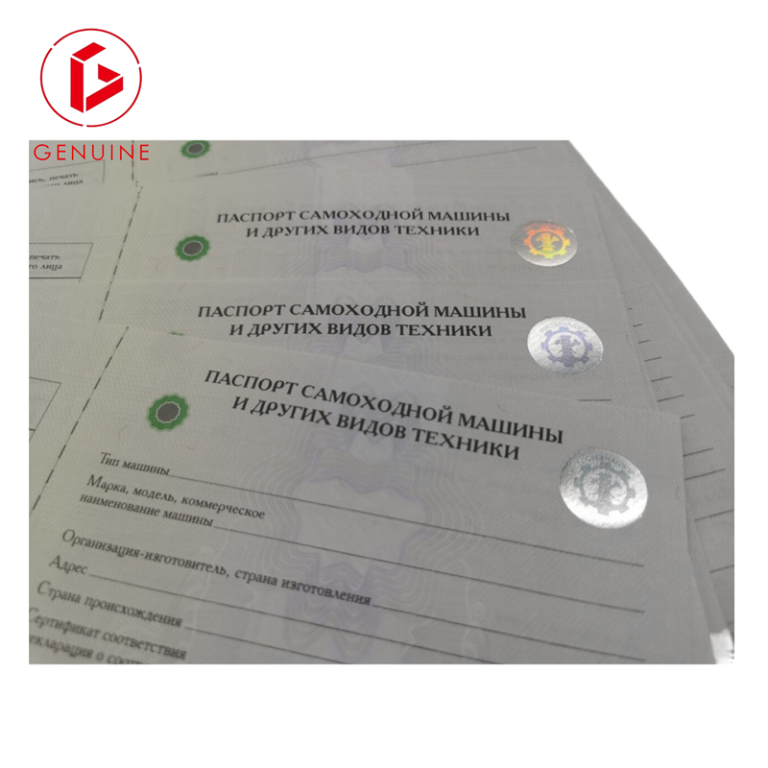
- Overt features: colour-shift ink, holograms and registered guilloché that anyone can check by eye.
- Covert features: UV fibres, micro-text and AI-readable texture that only your verification system can confirm.
Our security-paper specification guide gives you an RFQ-ready checklist for exactly these layers, so a supplier cannot quietly downgrade the substrate to cut cost.
How to Future-Proof Your Anti-Counterfeit Procurement

Unupgradeable technology becomes a liability. Insist on modular, upgradeable systems — digital credentials that can rotate keys, features you can add without reissuing every unit, and vendor-neutral data formats.
Two checks protect your budget:
- Verify the claim, not the brochure. Ask for ISO 12931 test data and a side-by-side genuine-versus-fake demonstration before signing.
- Avoid single-feature lock-in. A layered, standards-based spec is cheaper to evolve than a proprietary black box.
Our hologram supplier checklist applies the same verification discipline to overt features and their vendors.
Frequently Asked Questions
What is the difference between AI authentication and blockchain tracking?
AI authentication proves a physical item is genuine by reading its unique material fingerprint. A blockchain (or any ledger) records the journey of a credential. They solve different problems: one is a sensor, the other is a memory. The strongest programmes use both — AI at the item, a ledger for the chain of custody.
Are quantum-dot tags practical for high-volume products?
Today they are best suited to high-value or high-risk items where the cost of a single fake is large. As volumes rise and processes mature, the unit cost falls. Treat them as a covert layer for your most-targeted SKUs, not a blanket solution for every unit.
Which anti-counterfeit technology delivers the best return on investment?
There is no single winner. The highest ROI comes from layering a strong substrate with one digital credential and one verification step your customers actually use. Over-engineering with five features nobody verifies wastes budget and complicates the buyer experience.
How do I verify a supplier’s anti-counterfeit claims?
Request ISO 12931 performance data, insist on a live genuine-versus-fake demonstration, and confirm the solution is standards-based (GS1 for data, NIST-aligned cryptography for security). A credible supplier welcomes this scrutiny; one that deflects it is a risk.
Ready to brief a layered, upgradeable anti-counterfeit programme? Tell us your product, volume and threat model and we will return a substrate-and-credential specification with sample options. Request a consultation →