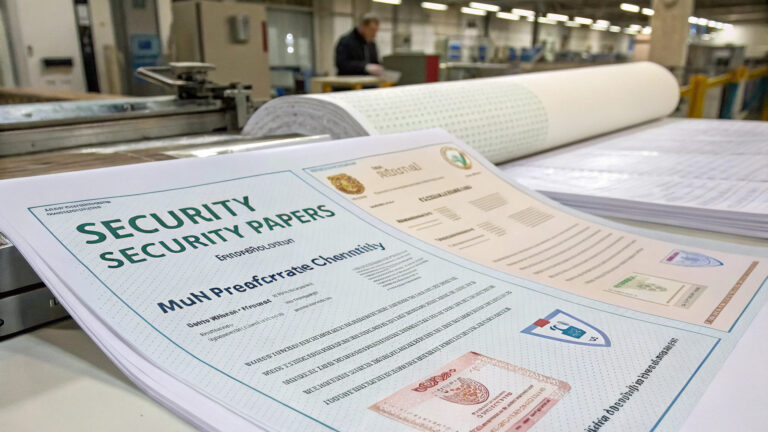
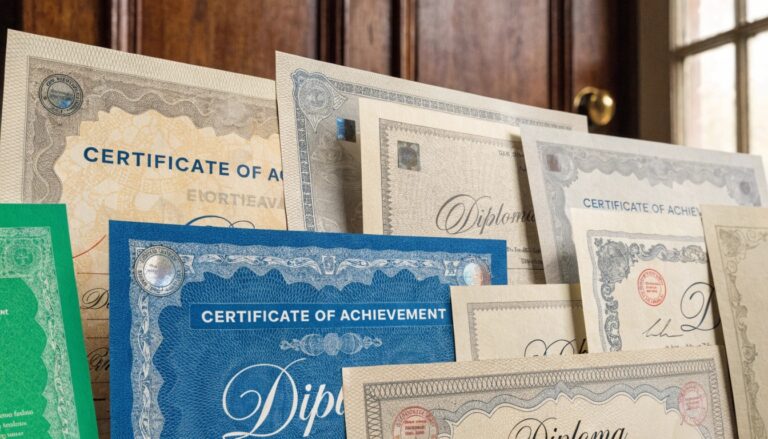
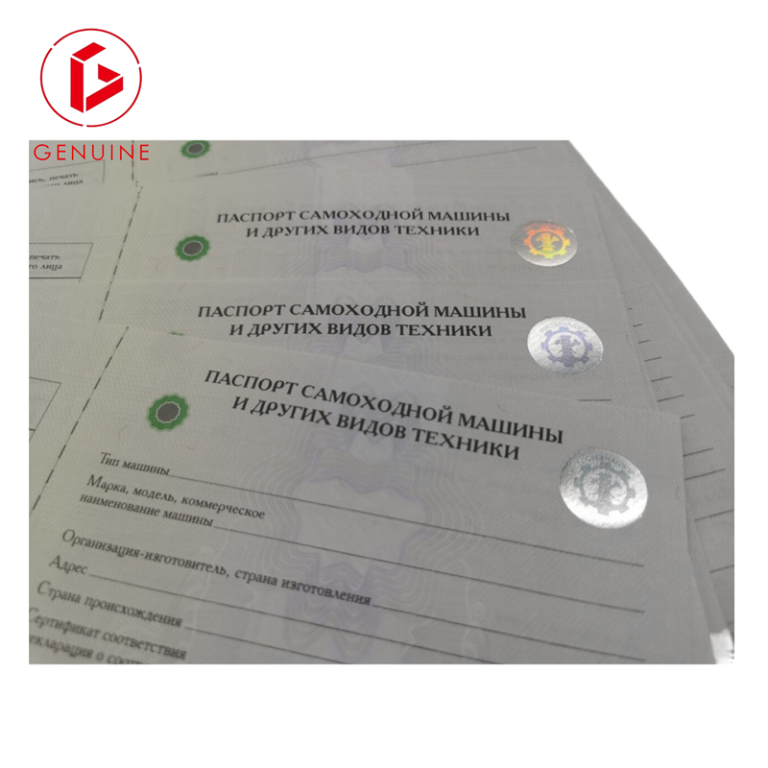
Counterfeiting is no longer a fringe problem. Trade in fake and pirated goods is estimated at 3.3% of global trade (OECD), and for buyers of certificates and banknotes, one copied document can trigger recalls, fines and brand damage. If you specify or purchase security paper in 2025, the question is no longer “should we add protection?” but “which layer of protection matches our risk and budget?” This guide compares seven technologies you can specify today — with the real costs and the weaknesses buyers overlook.
Why Global Brands Are Upgrading Anti-Counterfeit Paper in 2025

The upgrade wave is driven by risk, not fashion. We have seen order volumes climb sharply since 2023 because a counterfeit incident today is a recall, a compliance breach and a trust deficit that compounds across future contracts. Anti-counterfeit features are now core procurement criteria, not optional line items.
Upgrading pays back three ways. First, lower recall exposure because fakes are caught before they reach the channel. Second, faster field authentication — distributors and customers verify without lab equipment. Third, a defensible audit trail for regulators and insurers. The seven technologies below let you build that defense as a stack of physical and digital layers, not a single point of failure.
Material-Based Security — Watermark Paper and Security Threads

These are the oldest and still the most cost-effective deterrents because they are embedded at the papermaking stage. Watermark paper is formed with cylinder moulds that vary fiber density to render a portrait, logo or pattern visible only when backlit. It adds roughly $0.005–$0.02 per sheet and needs specialized mould equipment (often $2M+ per machine). The catch: simulated watermarks and AI-generated moulds now reach up to 89% visual similarity, so watermarking alone is a deterrent, not a verdict.
Windowed security threads have evolved from embedded strips to dynamic, “blinking” features on 2025 models. Two families matter: magnetic threads (machine-readable, ISO/IEC 10373-2) and color-shifting threads anyone can verify by tilting. In banknote and passport programs they cut manual authentication labor by around 40%. For certificates and high-value documents, pairing a watermark with a thread gives a human and a machine check in one sheet.
Optical Technologies — Laser Holography and Optically Variable Ink

Laser holography in 2025 leans on AI-generated moiré and UV-reactive nano-imprinting, so a label shifts and reveals hidden layers as you tilt it. The honest limitation: around 31% of holographic labels are still replicated by advanced scanners, so a hologram should signal authenticity, not prove it alone.
Optically Variable Ink (OVI) uses color-shifting chiral liquid crystals — the kind that flip tone as you tilt the note or label. Production is demanding (a 15–20µm coating at ±1µm tolerance), costing about $0.03–$0.08 per unit and suiting high-value documents. Before shortlisting a supplier, read our hologram sticker supplier checklist for the checks that separate a master-origin hologram from a scanned copy.
Digital-Physical Hybrids — Blockchain Codes and RFID/NFC

The newest layer binds the physical item to a digital record. Blockchain-anchored QR codes support self-destructing scans and tamper-evident timestamps, so a code used once cannot be cloned onto later fakes.
RFID/NFC embedded chips deliver 99.99% read accuracy with tamper-proof encryption that makes cloning uneconomic. The barrier is unit cost — typically $0.15–$0.30 per tag — which limits mass adoption to high-value goods. If your program is weighing tags against printed features, our RFID tag buyers guide breaks down frequency choice, MOQ and total cost of ownership.
How to Choose by Sector
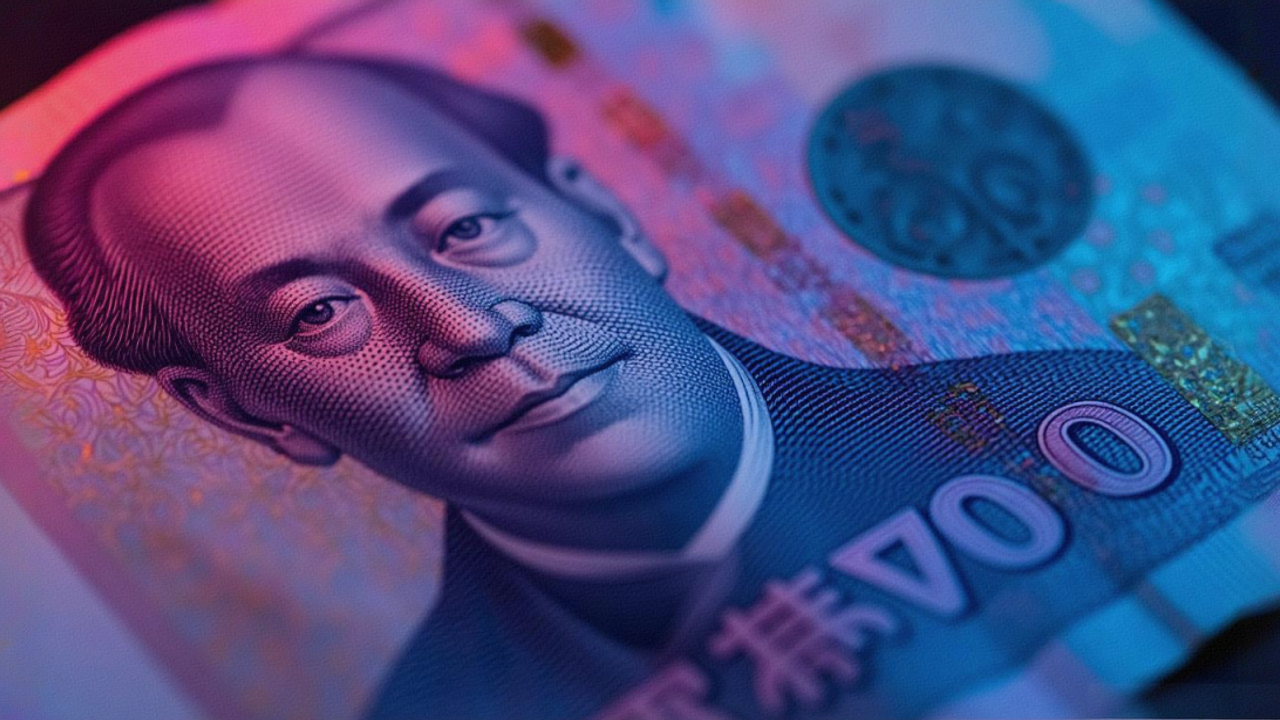
Choose the best stack for your threat model:
- Financial instruments — combine OVI ink, dynamic security threads and microperforation; the banknote playbook for any negotiable document.
- Consumer goods — a budget build uses laser labels plus SMS verification under $0.01 per unit; a premium build layers RFID with tamper-evident ink (the spirits-industry approach).
- Pharmaceuticals — treat serialization and track-and-trace QR codes as non-negotiable compliance, paired with certified holographic films. The right substrate is covered in our certificate security paper guide.
Replicability and Cost — What Buyers Actually Pay in 2025
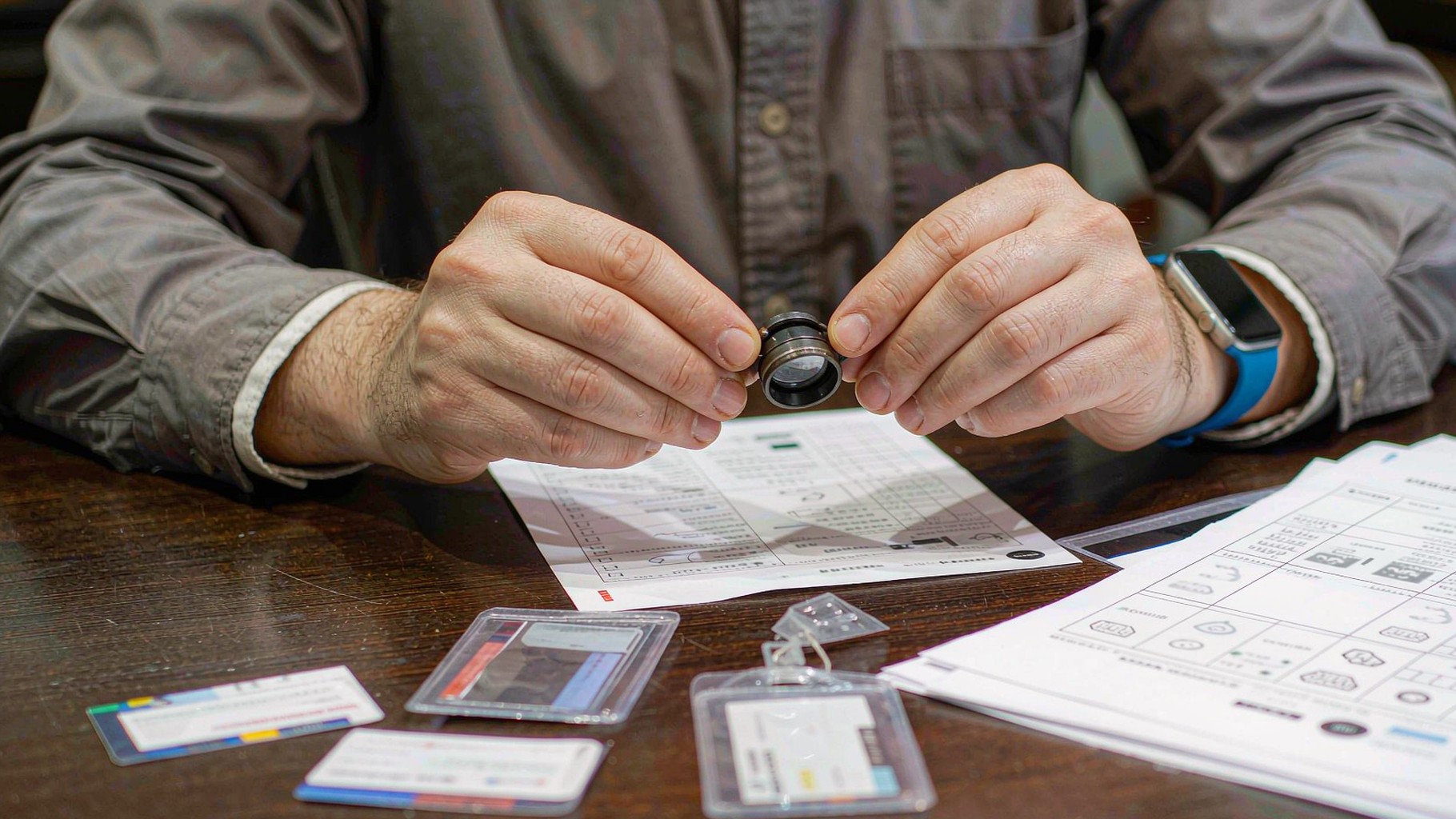
Unit price is the easiest number to compare and the worst one to decide on. The meaningful figure is total cost of ownership: the printed feature and the inspection it requires. Two data points frame the trade-off. Traditional watermark simulation now reaches up to 89% accuracy with AI-assisted moulds, whereas cloning an electronic system realistically costs $12,000+ per attempt — which is why digital layers raise the attacker’s cost fastest. The sector is projected at a 5.48% CAGR from 2025 to 2033, a signal of sustained buyer investment.
When you evaluate a solution, benchmark it against ISO 12931, the international performance criteria for product authentication. A feature your auditors cannot sign off on is a cost, not a protection; bodies such as Intergraf also publish supplier-vetting guidance.
Beyond 2025 — Quantum Dots and AI

Quantum-dot labeling promises machine-readable, unclonable optical signatures, while AI-generated moiré and 3D embossing (around 0.3mm depth) add tactile and dynamic cues that defeat photography-based copying. The lesson for buyers: no single technology is permanently unforgeable — the durable advantage comes from layering features and refreshing them on a planned cycle.
Frequently Asked Questions
Which anti-counterfeit paper technology is best for certificates?
For most certificates, start with a watermark plus a windowed security thread, then add OVI ink or a serialized QR for higher-value issues. That gives a backlit human check and a digital trail — the full feature set is in our certificate security paper guide.
How much does secure paper add to my unit cost?
A watermark layer adds $0.005–$0.02 per sheet, OVI ink about $0.03–$0.08 per unit, and an RFID/NFC tag $0.15–$0.30. Budget laser-label plus SMS builds stay under $0.01 per unit. Weigh these against recall and compliance risk, not the printed price alone.
Can RFID/NFC tags be cloned?
Cloning a properly encrypted tag is economically irrational — attempts cost $12,000 or more — but the bigger risk is a weak backend database. Choose tamper-proof, encrypted tags with a secure verification service; see our RFID tag buyers guide.
How do I verify a security paper supplier’s claims?
Ask for independent certification, request samples under UV and backlight, and confirm credentials through bodies such as Intergraf. Validate any feature against ISO 12931 so it works in the field.
Choosing the right anti-counterfeit stack is a sourcing decision, not a design exercise. Talk to our security paper team for a sample kit matched to your sector and a written specification you can take to procurement.