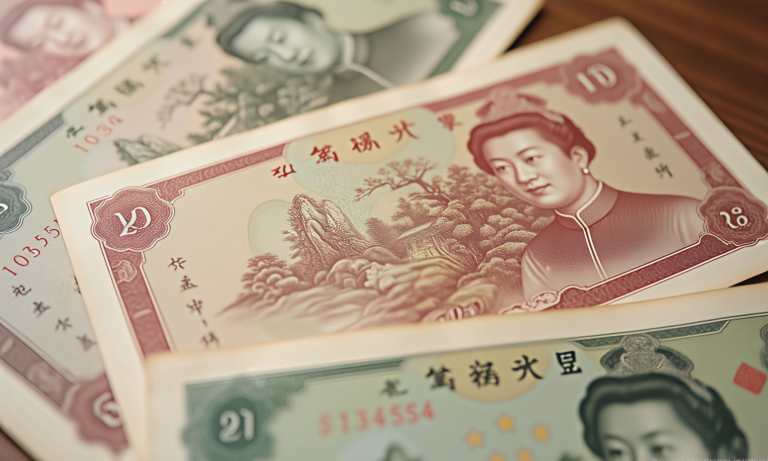
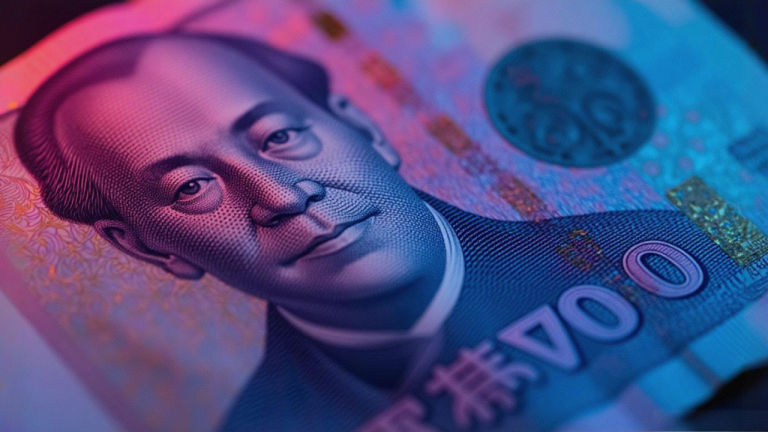
Quick answer: Currency evolved through four broad stages — barter, commodity money (like salt, shells, and cattle), metal coinage, and finally paper money, which first appeared in 7th-century China and matured into the government-issued “jiaozi” of the Song Dynasty. Modern banknotes are the direct descendants of that innovation, printed on durable cotton-rag paper and layered with anti-counterfeiting features that turn a simple promise of value into a trusted, hard-to-forge instrument.
From Barter to Banknotes: A 3,000-Year Journey
Money is one of humanity’s oldest technologies, and like any technology it has been through several complete redesigns. Before coins or notes existed, trade relied on barter — swapping a sack of grain for a pair of sandals. It worked in small communities but broke down at scale, because it required a “double coincidence of wants”: both traders had to want exactly what the other offered, at the same moment.
To solve that friction, societies adopted commodity money — widely desired goods that everyone would accept: salt, cowrie shells, cattle, and eventually precious metals. Metal was the breakthrough. It was durable, divisible, and portable, which led directly to standardized coinage in Lydia (modern Turkey) around 600 BCE. For over a thousand years, coins were the height of monetary technology — until paper changed everything.
Why Paper Money Was Revolutionary
Coins had a fatal flaw for large-scale commerce: they were heavy. Moving the value of a warehouse of goods meant hauling a cart of metal. Paper money solved this by separating value from weight — a lightweight note could represent a fortune, backed by the issuer’s promise to redeem it. That single idea unlocked long-distance trade, banking, and eventually the modern economy.
The Birth of Paper Money in China
The history of paper money began in 7th-century China during the Tang Dynasty, where merchants used silk and mulberry-bark notes to avoid transporting strings of heavy copper coins. By the Song Dynasty (960–1279 CE), these private receipts evolved into government-issued “jiaozi” — the world’s first state-backed paper currency, complete with official seals and printed designs to deter forgery.

Crucially, the Song government paired paper money with early anti-counterfeiting measures — intricate woodblock artwork, multiple color inks, and severe legal penalties for forgers. This is the earliest example of a principle that still governs currency today: a note is only as trustworthy as it is hard to fake.
Key Milestones in the Spread of Paper Currency
- 13th Century: Marco Polo documented China’s paper money system in The Travels of Marco Polo, astonishing European readers who could not imagine paper carrying real value.
- 17th Century: Europe adopted linen-cotton paper for banknotes, pioneered by Sweden’s Stockholms Banco in 1661 — the first European bank to issue printed notes.
- 18th–19th Century: National banks in England, France, and the United States standardized paper currency. U.S. “greenbacks,” printed on cotton-rag paper, financed the Civil War.
- 20th Century: Cotton-based security paper became the global standard, and watermarks, security threads, and intaglio printing turned banknotes into sophisticated anti-forgery devices.
Why Cotton Paper Became the Currency Standard
As paper money spread, issuers quickly learned that not all paper is equal. Ordinary wood-pulp paper wears out fast and is easy to imitate. Cotton and cotton-linen paper won out for three enduring reasons:
- Durability: Long cotton fibers survive years of folding, moisture, and circulation, far outlasting silk or wood-pulp alternatives.
- Security: The fiber structure allows manufacturers to embed watermarks and security threads directly into the sheet — features that are nearly impossible to photocopy.
- Tactile trust: The distinctive crisp “feel” of cotton paper lets the public authenticate a note by touch, a low-tech check that still catches most casual fakes.
To understand the material science behind this choice, see our detailed guide to cotton paper in currency printing, and our overview of how modern banknotes stay secure.
From Ancient Notes to Modern Security
The evolution has not stopped. Today’s banknotes build on the Song Dynasty’s core insight — combine an authentic substrate with hard-to-copy visual features — but layer in technologies the emperors never imagined: color-shifting inks, microprinting, UV-reactive elements, and even blockchain-linked serial verification. One feature that traces its lineage back centuries is the embedded metallic strip; learn more in our explainer on what a security thread is and how it works.
For organizations that print certificates, vouchers, or branded documents, the same logic applies: choosing the right secure substrate and features is the foundation of trust. Our security paper procurement guide walks buyers through the standards and supplier checks that matter.
Frequently Asked Questions
Where was paper money first invented?
Paper money originated in China. Merchant receipts appeared during the Tang Dynasty (7th century), and the first true government-issued paper currency — the “jiaozi” — was introduced during the Song Dynasty around the 11th century.
Why did societies move from barter to money?
Barter required a “double coincidence of wants” — both parties needing exactly what the other offered. Commodity money and later coins and paper removed that friction by providing a universally accepted medium of exchange, store of value, and unit of account.
Why are banknotes printed on cotton paper rather than ordinary paper?
Cotton fibers are longer and stronger than wood pulp, so they last through years of circulation and can host embedded watermarks and security threads. They also give banknotes their signature crisp texture, which helps the public detect fakes by feel.
What was the first paper currency in Europe?
Sweden’s Stockholms Banco issued Europe’s first printed banknotes in 1661, using linen-cotton paper — a model soon copied by national banks across the continent.
Partner with a Security Printing Specialist
The story of currency is ultimately a story about trust — and trust is engineered into the paper itself. Whether you are producing certificates, secure labels, or brand-protection documents, the right substrate and anti-counterfeiting features make all the difference. Explore our COC anti-counterfeiting certificates or contact Genuine Printing for a tailored recommendation.