Discover how hologram ID card films are revolutionizing security protection, merging cutting-edge technology with robust safety features for the future.
The Importance of Security in Identification
In an increasingly digital and interconnected world, the importance of secure identification has never been more paramount. Whether it is for accessing restricted areas, verifying personal identity, or ensuring the authenticity of products, the need for robust and reliable identification methods is essential. Traditional identification methods, such as plastic ID cards and paper documents, are becoming increasingly vulnerable to sophisticated counterfeiting techniques. As a result, the demand for more advanced and secure identification solutions is on the rise.
Security breaches can have devastating consequences, ranging from financial losses to threats to personal safety. In environments where security is critical, such as airports, government buildings, and corporate offices, the ability to authenticate identity quickly and accurately is crucial. The failure to do so can result in unauthorized access, data breaches, and other security incidents that can compromise the safety and integrity of the organization.
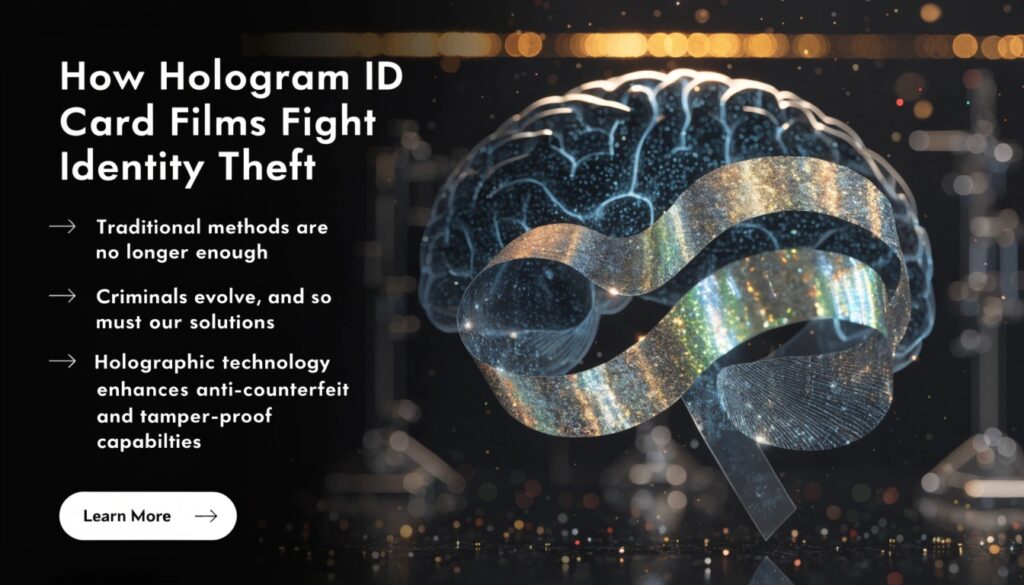
Furthermore, the rise of identity theft and fraud has highlighted the need for more secure identification methods. Criminals are constantly evolving their tactics, making it imperative for security solutions to stay ahead of the curve. Traditional methods are no longer sufficient to protect against these threats, leading to the development of more advanced technologies, such as hologram ID card films, that offer enhanced security features and greater protection against counterfeiting and tampering.
How Hologram ID Card Films Work
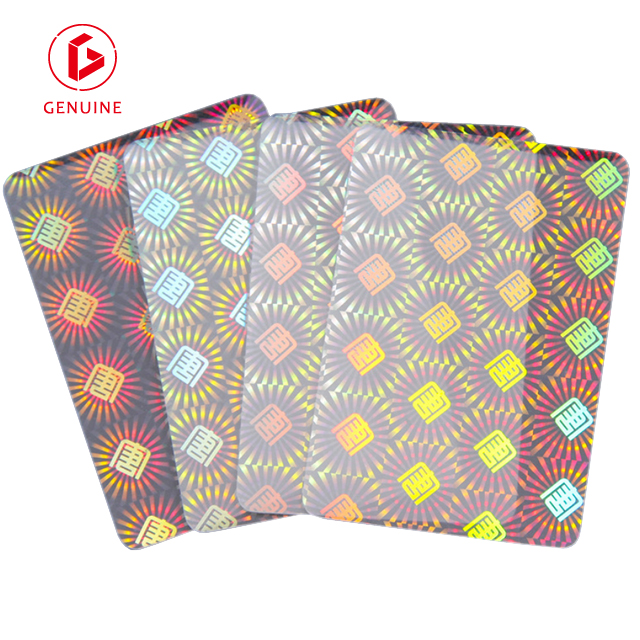
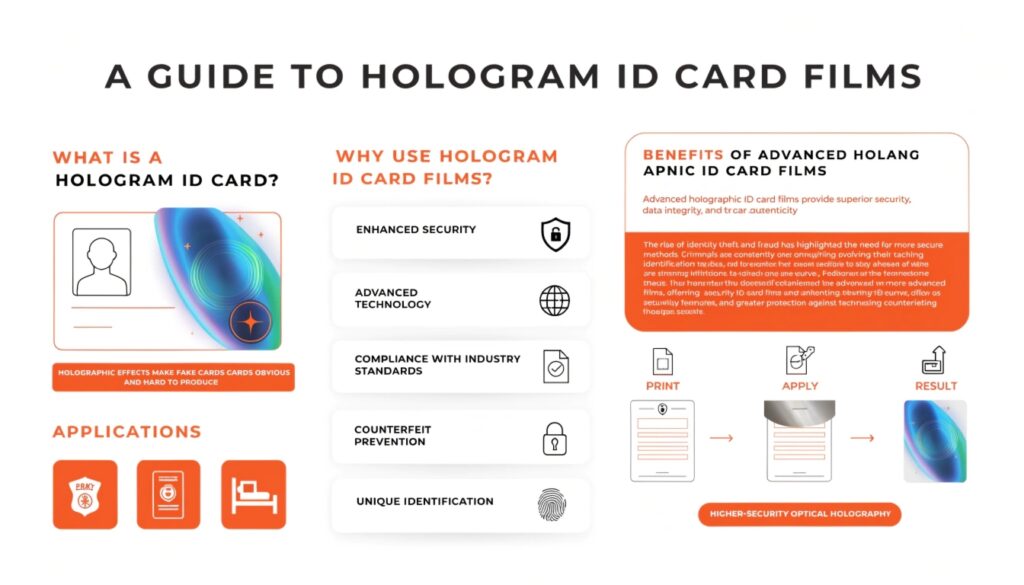
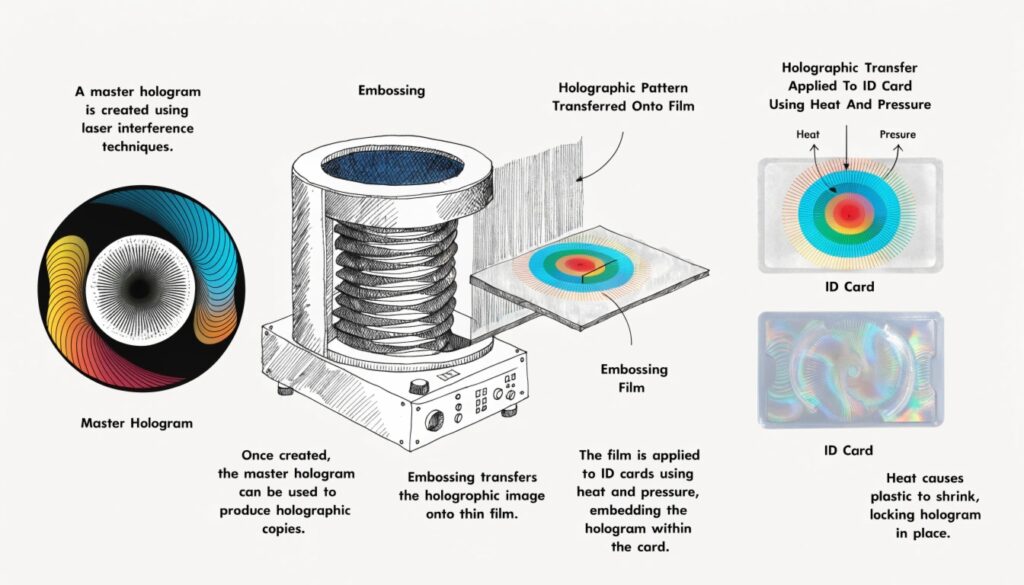
Hologram ID card films represent a significant advancement in the field of secure identification. These films utilize holographic technology to create images and patterns that are difficult to replicate, providing a high level of security and authenticity. The process begins with the creation of a master hologram, which is a three-dimensional image recorded using laser technology. This master hologram is then used to produce copies, which are applied to ID cards and other identification documents.
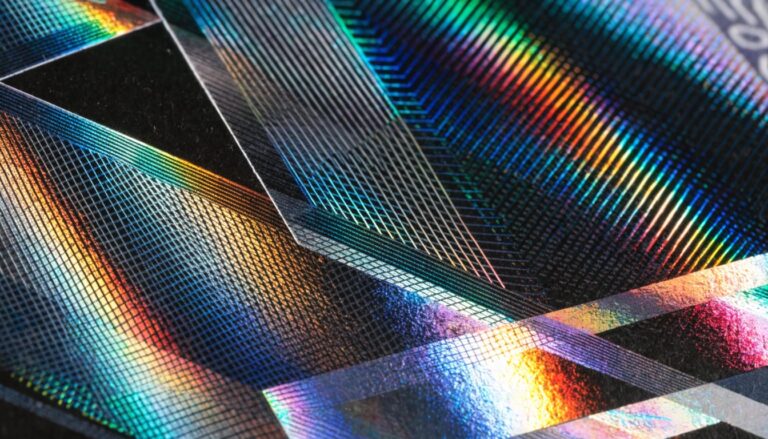
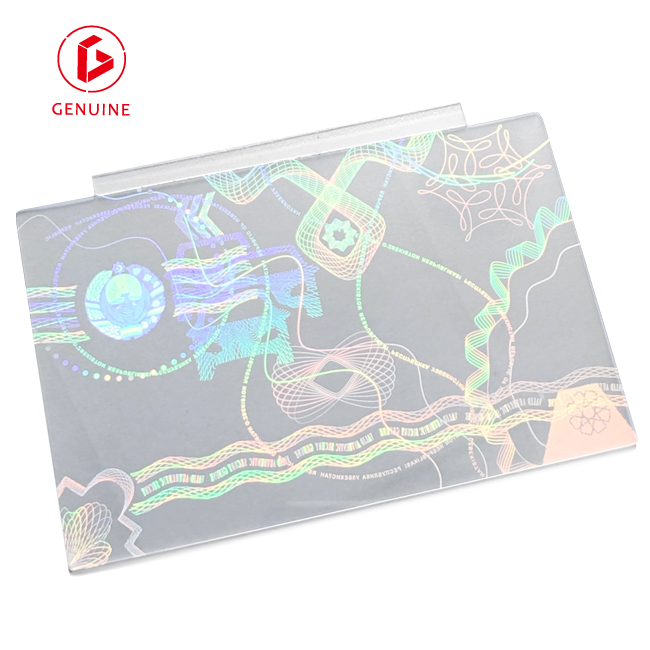
When light interacts with the hologram, it creates a three-dimensional effect that is visually striking and difficult to duplicate. The holographic images can include a variety of security features, such as microtext, guilloché patterns, and color-shifting elements, which add an additional layer of protection against counterfeiting. These features are not only visually appealing but also serve as a deterrent to potential forgers, as replicating them requires sophisticated equipment and expertise.
In addition to their visual characteristics, hologram ID card films can also incorporate machine-readable elements, such as barcodes and QR codes, which can be scanned to verify the authenticity of the ID card. These elements can be integrated seamlessly into the hologram, providing a combination of visual and digital security that is difficult to compromise. This dual-layer approach ensures that even if the visual aspects of the hologram are replicated, the digital elements remain secure and verifiable.
Advantages of Hologram ID Card Films over Traditional Methods
One of the primary advantages of hologram ID card films over traditional identification methods is their enhanced security features. The complexity of holographic images makes them extremely difficult to replicate, providing a higher level of protection against counterfeiting and tampering. Traditional methods, such as printed images and laminated cards, are relatively easy to duplicate with modern printing technology, making them vulnerable to fraud and unauthorized access.
Hologram ID card films also offer greater durability and longevity compared to traditional methods. The holographic images are embedded within the card, making them resistant to wear and tear. This ensures that the security features remain intact and effective over the lifespan of the card, reducing the need for frequent replacements and enhancing the overall cost-effectiveness of the solution.
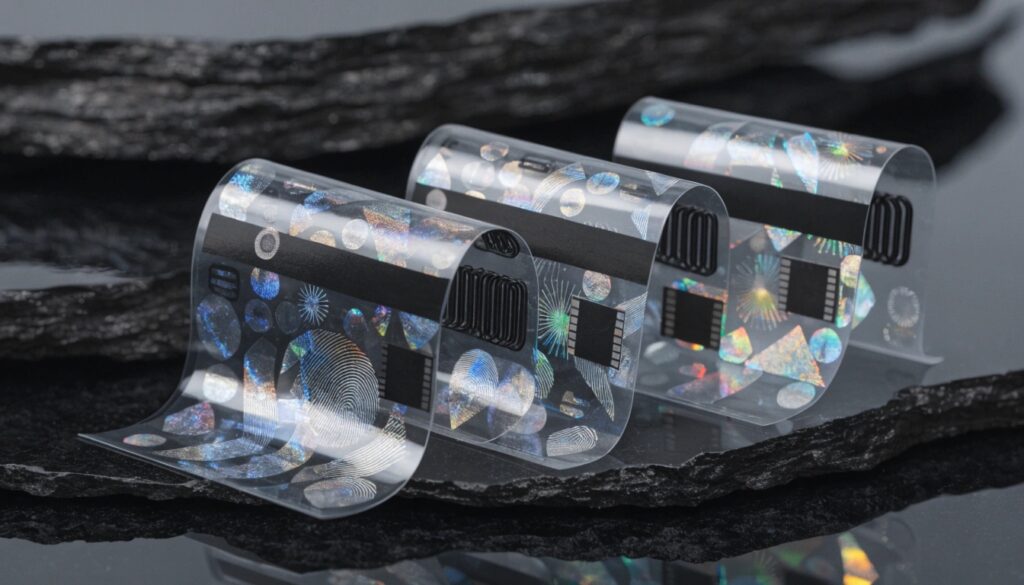
Another significant advantage is the ability to integrate multiple security features into a single hologram. In addition to the visual elements, hologram ID card films can incorporate machine-readable components, such as RFID chips and magnetic stripes, providing a comprehensive security solution that combines visual, physical, and digital authentication. This multi-layered approach enhances the overall security of the identification process, making it more difficult for unauthorized individuals to gain access or replicate the ID card.
Applications of Hologram ID Card Films in Various Industries
The versatility and security features of hologram ID card films make them suitable for a wide range of applications across various industries. One of the most common uses is in government-issued identification documents, such as passports, driver’s licenses, and national ID cards. These documents require a high level of security to prevent forgery and ensure the authenticity of the holder’s identity. Hologram ID card films provide the necessary protection, making it difficult for counterfeiters to replicate these critical documents.
In the corporate sector, hologram ID card films are used for employee identification cards, access control badges, and visitor passes. These cards not only help in verifying the identity of employees and visitors but also play a crucial role in maintaining the security of the premises. By incorporating holographic security features, organizations can ensure that only authorized individuals have access to sensitive areas, reducing the risk of unauthorized entry and potential security breaches.
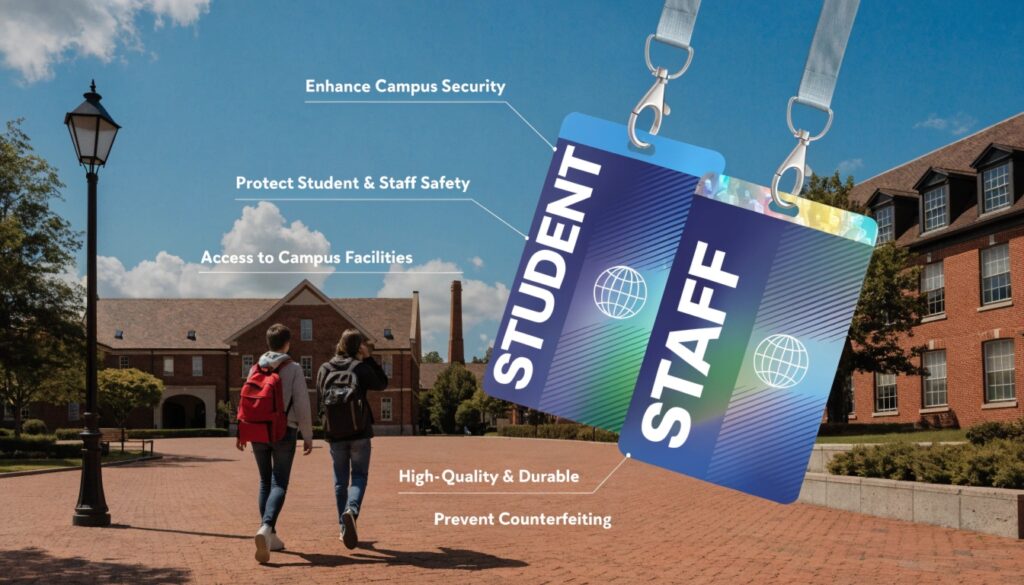
Educational institutions also benefit from the use of hologram ID card films for student and staff identification cards. These cards are essential for accessing campus facilities, such as libraries, laboratories, and dormitories. By using holographic technology, schools and universities can enhance the security of their campuses and protect the safety of their students and staff. Additionally, the durability of hologram ID cards ensures that they can withstand the rigors of daily use, making them a practical and cost-effective solution for educational institutions.
The Technology Behind Hologram ID Card Films
The technology behind hologram ID card films is both fascinating and complex, involving the use of advanced optics and laser technology. The process begins with the creation of a master hologram, which is a three-dimensional image recorded on a photosensitive material using laser light. This master hologram serves as the template for producing multiple copies, which are then applied to ID cards and other identification documents.
The creation of the master hologram involves the use of a laser beam that is split into two separate beams: the reference beam and the object beam. The reference beam illuminates the photosensitive material directly, while the object beam is reflected off the object being recorded and then onto the photosensitive material. The interference pattern created by the interaction of these two beams forms the holographic image, capturing the three-dimensional details of the object.
Once the master hologram is created, it can be used to produce holographic copies through a process known as embossing. In this process, the master hologram is pressed onto a thin film of plastic or other material, transferring the holographic image onto the film. The film is then applied to ID cards using heat and pressure, embedding the holographic image within the card. This ensures that the holographic security features are durable and resistant to tampering, providing a high level of protection against counterfeiting.
Challenges and Limitations of Hologram ID Card Films
Despite their numerous advantages, hologram ID card films are not without their challenges and limitations. One of the primary challenges is the cost associated with producing and implementing holographic security features. The creation of master holograms and the embossing process require specialized equipment and expertise, which can be expensive. This can be a barrier for smaller organizations and institutions with limited budgets, making it difficult for them to adopt holographic technology for their identification needs.
Another limitation is the potential for wear and damage to the holographic film over time. While hologram ID card films are designed to be durable, they are not completely immune to wear and tear. Prolonged exposure to harsh environmental conditions, such as extreme temperatures and humidity, can cause the holographic film to degrade, reducing its effectiveness as a security feature. Additionally, physical damage to the card, such as scratches and bends, can also compromise the integrity of the holographic image.
Furthermore, while hologram ID card films provide a high level of security, they are not foolproof. Sophisticated counterfeiters with access to advanced technology may still be able to replicate holographic images, albeit with significant effort and resources. This underscores the importance of continuous innovation and improvement in holographic technology to stay ahead of potential threats. Organizations must also implement additional security measures, such as regular audits and monitoring, to ensure the ongoing effectiveness of their identification systems.

Future Trends in Hologram Technology
As technology continues to evolve, so does the potential for advancements in hologram technology. One of the most promising trends is the development of more sophisticated and complex holographic images that are even harder to replicate. Researchers are exploring the use of nanotechnology and advanced materials to create holograms with higher resolution and greater detail, enhancing their security features and making them more resistant to counterfeiting.
Another exciting trend is the integration of hologram technology with other forms of digital security, such as blockchain and biometric authentication. By combining holographic security features with digital verification methods, organizations can create a multi-layered security system that is both robust and versatile. This approach not only enhances the overall security of identification documents but also provides a seamless and efficient user experience.
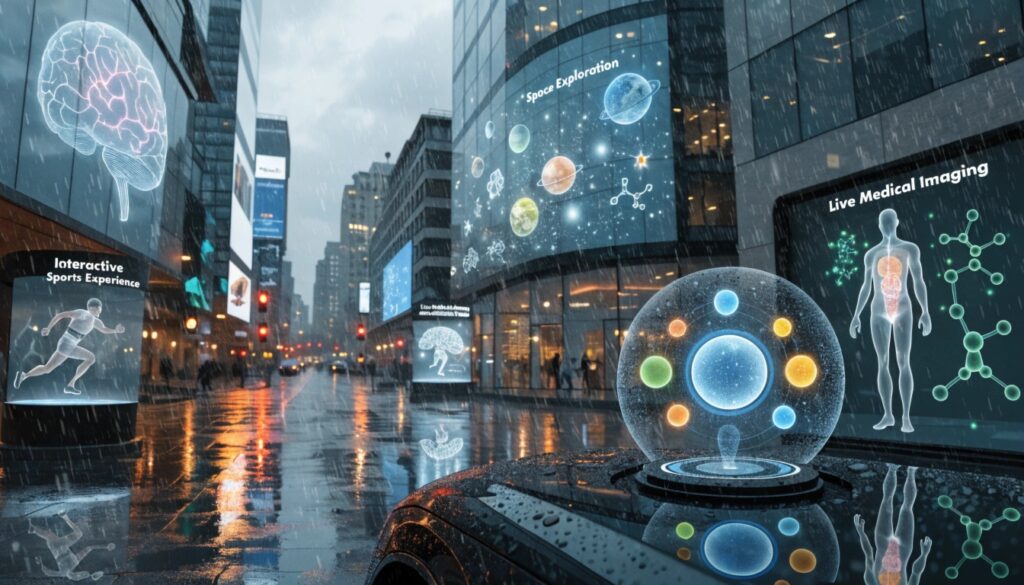
Additionally, the use of hologram technology is expanding beyond traditional identification methods to include new and innovative applications. For example, holographic projections and displays are being used in fields such as entertainment, education, and healthcare to create immersive and interactive experiences. As the technology continues to advance, we can expect to see even more creative and impactful uses of holograms in various industries.
Case Studies: Successful Implementation of Hologram ID Cards
Several organizations and institutions have successfully implemented hologram ID cards to enhance their security and streamline their identification processes. One notable example is the use of hologram ID cards in the banking industry. Banks and financial institutions require a high level of security to protect sensitive customer information and prevent fraud. By incorporating holographic security features into their ID cards, banks can ensure the authenticity of the cardholder and reduce the risk of unauthorized access to accounts and financial transactions.
Another successful implementation can be seen in the transportation sector, particularly in airports and other high-security travel hubs. Airports use hologram ID cards for staff identification and access control, ensuring that only authorized personnel have access to restricted areas such as runways and baggage handling zones. This not only enhances the overall security of the airport but also improves operational efficiency by streamlining the identification process for staff and security personnel.
Educational institutions have also benefited from the use of hologram ID cards. Many universities and colleges have adopted holographic technology for student and staff ID cards, providing a secure and reliable means of identification. This has helped to improve campus security, reduce the risk of unauthorized access to facilities, and streamline administrative processes such as library checkouts and meal plan management. The success of these implementations demonstrates the versatility and effectiveness of hologram ID cards in various settings.

Conclusion: Embracing Hologram Technology for Enhanced Security
In conclusion, hologram ID card films represent a significant advancement in the field of secure identification, offering enhanced protection against counterfeiting and unauthorized access. The complexity and sophistication of holographic images make them a powerful deterrent to potential forgers, while their durability and versatility make them suitable for a wide range of applications across various industries. As technology continues to evolve, we can expect to see even more innovative and impactful uses of hologram technology in the future.
Despite the challenges and limitations associated with hologram ID card films, the benefits they offer in terms of security and reliability far outweigh the drawbacks. Organizations and institutions that prioritize security and seek to protect their assets and personnel should consider adopting holographic technology as part of their identification processes. By embracing hologram technology, they can enhance their overall security posture and stay ahead of potential threats.
As we look to the future, the continued development and integration of hologram technology with other digital security measures will further enhance its effectiveness and versatility. The potential for new and innovative applications is vast, and the impact of hologram technology on security and identification will only continue to grow. By staying at the forefront of these advancements, organizations can ensure that they are well-equipped to navigate the ever-evolving landscape of security challenges and protect their most valuable assets.