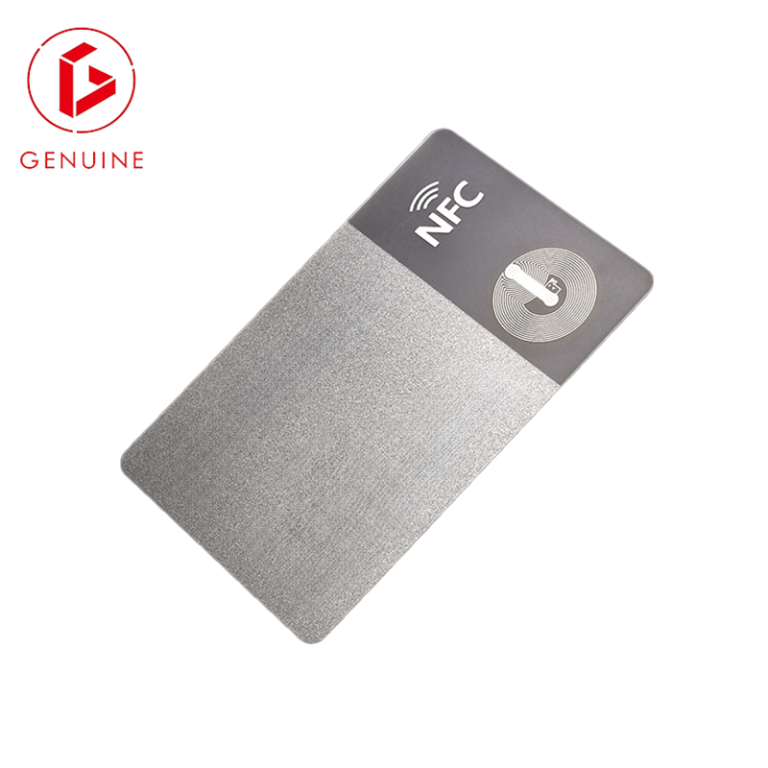
A lost or damaged card feels trivial — until you multiply it across a 2,000-person workforce that quietly replaces credentials every few months. Reissue is the recurring, often unbudgeted cost of any physical-access or ID program, and most organizations never measure it. This guide breaks down where replacement money actually goes and gives security and facilities buyers a practical workflow to get that spend under control — without weakening security or slowing down the people who depend on their cards.

Why reissue costs quietly drain your security budget
Replacement spend stays invisible in most budgets because it hides inside “IT support” or “facilities.” But every lost card triggers a chain: a helpdesk ticket, identity verification, a replacement card that must be printed or encoded, shipping, and the productive time the employee loses while waiting for access. Industry benchmarks put the fully-loaded cost of a single replacement anywhere from a few dollars for a plain PVC badge to $15–$25 once helpdesk labor, shipping, and downtime are included — and that multiplier repeats every time a card goes missing. For a mid-size organization replacing even 5% of its credentials each year, the annual run-rate is often five figures. The first step to controlling it is simply to measure it, which most programs never do.

The five cost drivers behind every replacement card
Almost every reissue bill comes from the same five line items:
- Card unit cost — the blank plus printing and encoding; higher for dual-interface, polycarbonate, or hologram cards.
- Labor — helpdesk or security-staff time to verify identity, issue, and test the new card.
- Shipping and rush fees — emergency couriers when access cannot wait.
- Lost productivity — the employee blocked from a building, printer, or system until reissued.
- Compliance and re-activation — re-enrolling credentials in PACS/SSO, and, for lost cards, the risk work of confirming no unauthorized access occurred.
When you itemize them, the physical card is usually the cheapest part — which reframes the whole buying decision toward process, not plastic. For the full cost picture, see our breakdown of the true cost of an ID card program. NIST SP 800-116r1 frames credential lifecycle management inside physical access control systems and is a useful reference when specifying the workflow.

Write a replacement card policy before the first card is lost
A written policy is the cheapest control you can deploy. It should specify who is eligible to request a replacement, what identity proof is required, approval tiers, any replacement fee, and the standard turnaround. Decide in advance whether lost cards are charged back — a small fee dramatically cuts “lost card” reports that are really “I want a spare.” The policy must also state the security default: a lost card is assumed compromised and must be revoked immediately, not just reissued — a principle reflected in credential-revocation guidance such as NIST SP 800-63B, and in breach-notification obligations under GDPR Article 33 when a lost card could expose personal data. Pair the policy with the compliance checklist in our smart card certifications guide so procurement and security speak the same language.

Self-service vs helpdesk reissue — where each pays off
Two models dominate. Helpdesk or IT-ticket reissue is secure and auditable but scales poorly and carries the highest labor cost per card — appropriate for low-volume, high-assurance programs. Self-service reissue — enrollment kiosks, mobile-credential reactivation, or pre-authorized temporary cards — pushes cost and wait time toward zero for the user, at the price of stronger upfront design and tighter identity verification. The right mix is usually hybrid: self-service for routine reissues, helpdesk hold for suspicious or high-privilege cases. Match the model to your volume, because at scale, labor is the deciding line item.

Temporary vs permanent replacement credentials
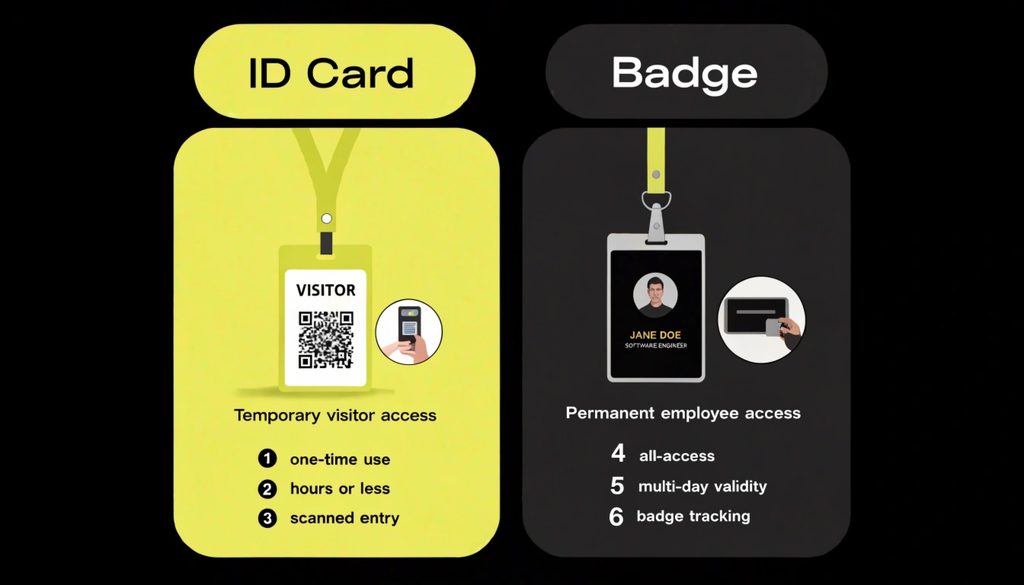
Do not issue a full permanent card the moment one goes missing. A temporary or bridge credential — a limited-life badge or a reactivated mobile credential — restores access in minutes and buys time for proper verification and production of the permanent card. Set the temporary card to expire automatically and log every issue so nothing lingers. This protects both security (no orphaned permanent cards) and budget (no rush production for cards that may turn up). Reserve permanent reissue for confirmed, verified losses.
Buffer stock — the cheapest insurance against rush fees
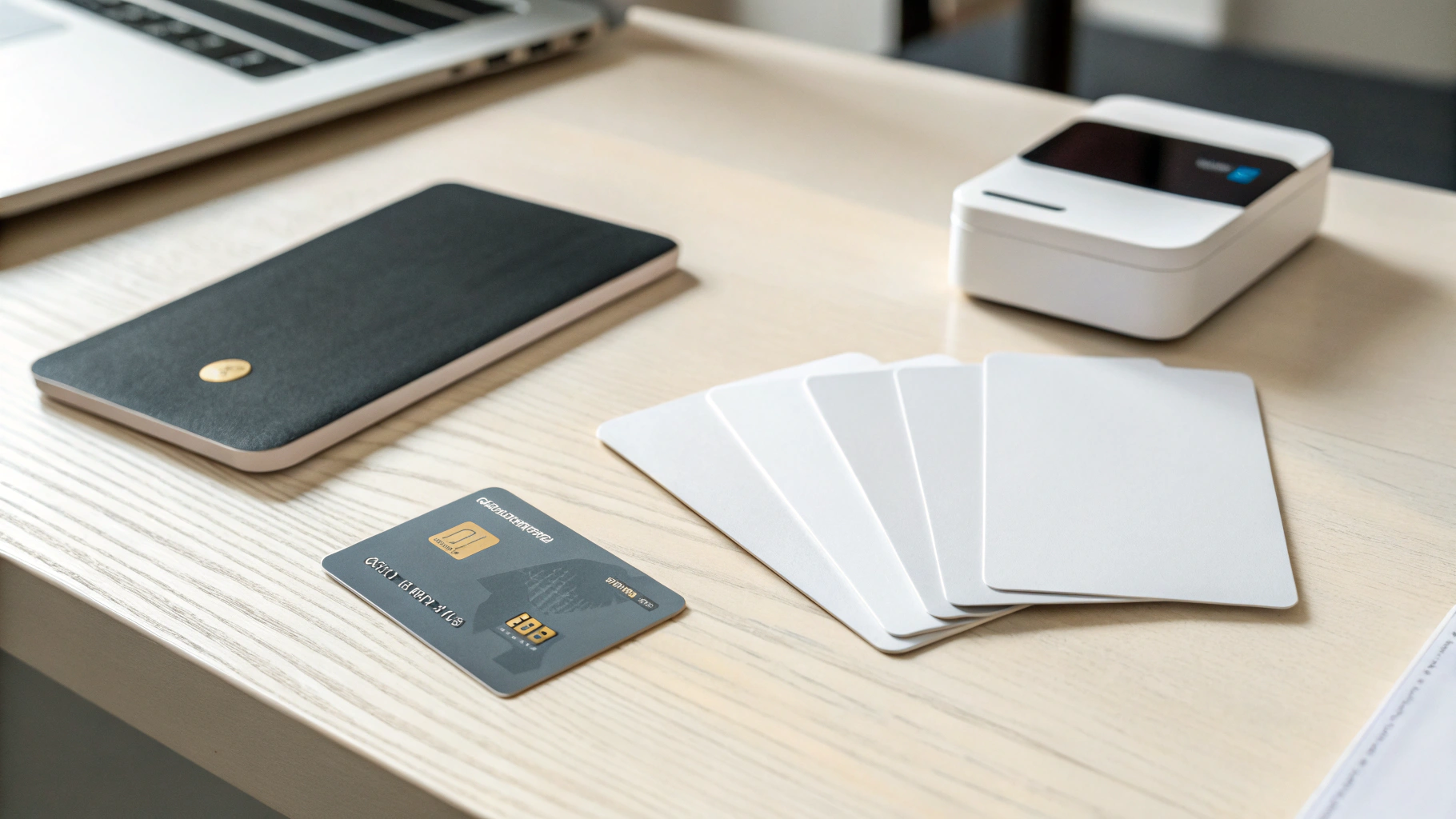
Rush production and emergency couriers are where reissue budgets blow up. The fix is mundane: hold a buffer of pre-personalized or blank cards sized to your historical loss rate. A simple safety-stock formula — average monthly replacements × lead time (in months) × a service-level factor — tells you how many to keep. Pre-encoded blanks let you personalize on demand and avoid minimum-order penalties, which also smooths production scheduling with your factory. The carrying cost of a few dozen cards is a rounding error next to a single emergency shipment. Ordering samples first lets you validate the blanks before committing to buffer stock.
Durable card materials cut damage-driven reissues
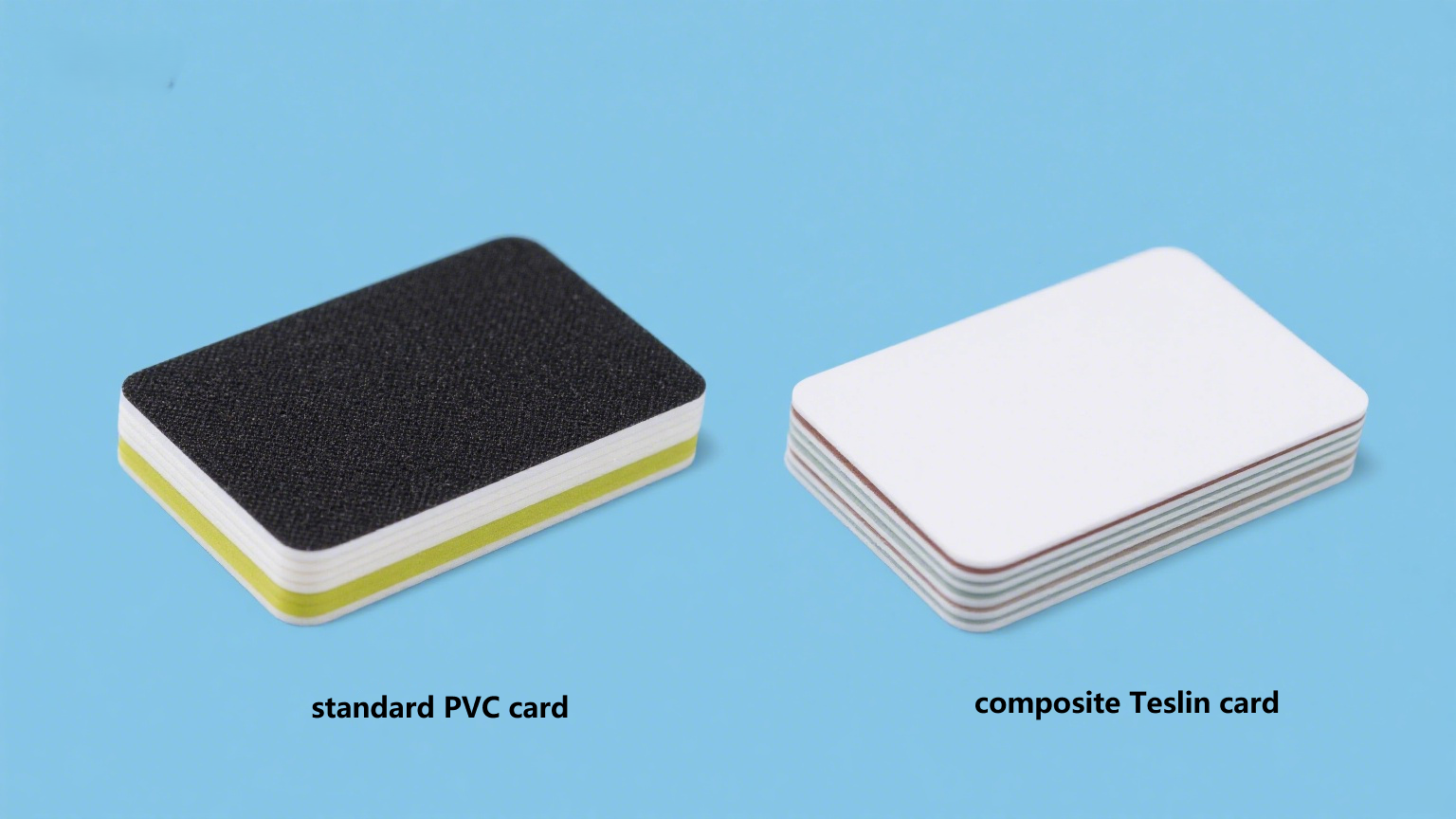
Many “lost” cards are actually damaged — cracked PVC, delaminated prints, failed chips from daily wear. Specifying the right material attacks the largest preventable chunk of reissue volume. Polycarbonate (PC) cards outlast PVC by years under bending, heat, and abrasion, and laser-engraved personalization will not peel. For high-turnover or outdoor use, the higher unit cost is paid back in fewer replacements. Align material choice to the ISO/IEC 7810 form factor and the durability profile your environment needs; the ISO/IEC 24789 service-life methodology is what vendors use to characterize expected life. Our material comparison for government and enterprise programs walks through PVC, PETG, and PC trade-offs in detail.
Measure, audit, and shrink reissue spend over time
You cannot cut what you do not track. Capture, per reissue: reason (lost, damaged, or name change), cost, and turnaround, then report monthly. Serialization and numbering make this trivial — every card traces to a record, so loss patterns surface (one department? one card reader that demagnetizes cards?). Set a reissue-rate KPI and a visible budget line so the cost stops hiding. Programs that measure typically find 20–40% of reissues are preventable through better materials, buffer stock, or a small replacement fee — real savings that compound year over year.

Frequently asked questions about card reissue
- Should I charge employees for lost cards? A modest fee (or a free-first, paid-after policy) sharply reduces frivolous “lost” reports and funds the reissue process — but pair it with a clear exception for verified theft or damage.
- How much buffer stock is enough? Start with average monthly replacements × supplier lead time × 1.5, then tune the factor from your actual loss data.
- Are mobile credentials a replacement for plastic reissue? They remove the plastic cost but still need a revocation and reactivation workflow; treat them as one reissue channel, not the only one.
Ready to put a reissue workflow in place? Contact our team to request a free sample pack of durable PVC and polycarbonate cards, or discuss dual-interface and pre-encoded options that fit your access system.