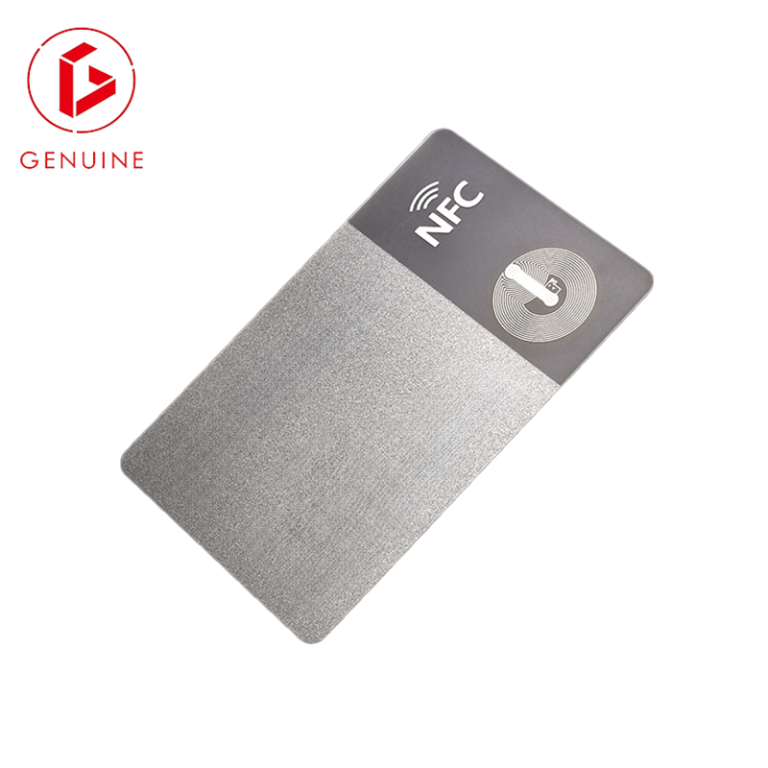
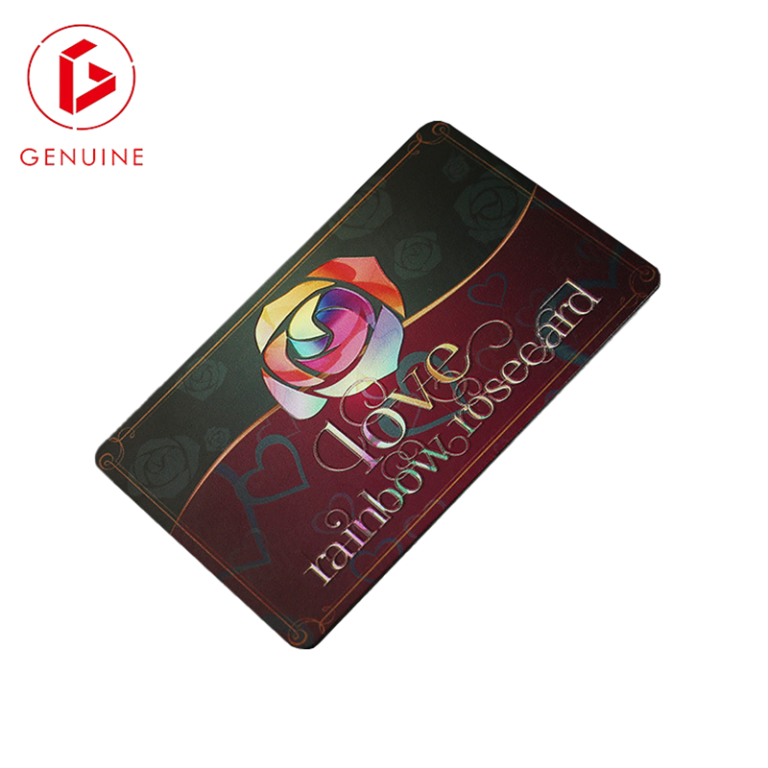
A card that cracks at the corner, peels apart at the edge, or stops reading after a few months in a wallet is not a cosmetic nuisance—it is a reissue cost, a helpdesk ticket, and a quiet hit to the credibility of whoever issued it. Most of those failures are decided long before the card ships, in two places buyers almost never ask about: the lamination structure and the edge seal. This guide explains, in buyer terms, how those choices turn into cards that survive years of daily abuse—or quietly fall apart in the field—and gives you a practical checklist to write into your next RFQ.
Why Cards Fail in the Field: Cracks, Delamination, and Edge Wear

Field failures show up in three familiar ways. Cracks usually appear at the corners or around the milled chip cavity, where repeated bending exceeds the material’s elastic limit. Delamination is worse: the layers separate, almost always starting at a corner and working inward, and once moisture gets between the layers the card curls and will no longer seat in a reader. Surface and edge wear is the slow killer—print fades, a barcode loses contrast, and the edge frays from pocket abrasion. None of these are random bad luck. They trace back to three structural decisions: how strongly the layers are bonded, how hard the outer overlay is, and whether the edge was ever sealed.
The baseline is set by the standard itself. ISO/IEC 7810 requires a minimum inter-layer bond strength of 2 lbf/in; below that threshold, the risk of delamination rises sharply during both personalization and field use (ISO/IEC 7810). A barcode does not need to vanish to fail, either—once the black bars soften toward grey and the quiet zones pick up abrasion haze, scanner confidence drops and the card becomes functionally dead to a reader long before a human notices (HID / Fargo bond-strength guidance).
Anatomy of a Card: Core, Print Layer, and Protective Overlay

A smart card is a laminated sandwich, not a single slab of plastic. From top to bottom the typical stack is: a clear protective overlay (with a UV-resistant coating) → the print layer (design, text, security features) → the core (the rigid substrate that also houses the antenna for contactless cards) → the inlay (antenna coil plus chip module) → mirror layers on the back. Understanding this stack matters because the overlay is the only part the world ever touches, and it determines abrasion resistance and UV stability.
Lamination is what fuses these layers under heat and pressure, and the quality of that bond is what keeps the card intact across its intended 5–10 year service life. It is also where the chip lives: a precision-milled cavity holds the contact module, bonded flush to meet the mechanical specs in ISO/IEC 7816-1. A weak bond here means the module can pop or the corner can crack around it. For the full manufacturing walk-through—inlay, lamination, and chip embedding—see our guide on how smart cards are made.
Lamination Finish Matters: Gloss, Matte, and Frosted Overlays

The finish you choose changes how abuse shows up. Gloss surfaces look sharp and wipe clean but reveal every scratch; matte or frosted finishes hide fingerprints and light wear, which is why they dominate employee and access cards. Finish is mostly cosmetic, though—what really protects the printed data is what sits under it.
The bigger lever is the personalization method. Direct-to-card (DTC) printing presses a ribbon straight onto the card surface, leaving an unprotected border and placing any barcode or QR code directly in the abrasion zone. Retransfer (reverse transfer) prints the image onto a clear film that is then bonded over the card, so the barcode or QR code sits beneath a protective layer—contrast survives daily scanning, and the image runs edge to edge. For cards that must keep scanning for years, retransfer is the more defensible choice. Overlay grade matters too: durable overlays are rated for thousands of abrasion cycles versus a few hundred for standard grades, so specifying a high-durable overlay is cheap insurance for high-handling cards.
The Hidden Weak Point: Edge Sealing and Corner Protection

If you remember one thing from this guide, make it this: most delamination starts at a corner, not in the middle of the card. Corners take the most stress in pockets, wallets, and lanyards, and once a layer lifts there it peels inward. A published laminated-card patent (US 2005/0189066 A1) describes exactly this failure mode and its fix: wrap a clear protective film over the card edge with roughly a 2 mm overlap, bonding front-to-back around the perimeter so no core is exposed (US20050189066A1). That sealed perimeter blocks moisture and stops the peel from ever starting.
Two practical implications for buyers. First, ask for full “over-the-edge” lamination with a sealed perimeter and at least a 2 mm overlap; a “near-the-edge” finish leaves a thin uncoated margin that is the first place failure appears. Second, a larger corner radius helps, because the overlay film seals to itself across a bigger area, strengthening the corner. Neither costs much, and both are invisible until they save you a reissue wave.
Material Choice Sets the Ceiling: PVC, PET-G, and Polycarbonate
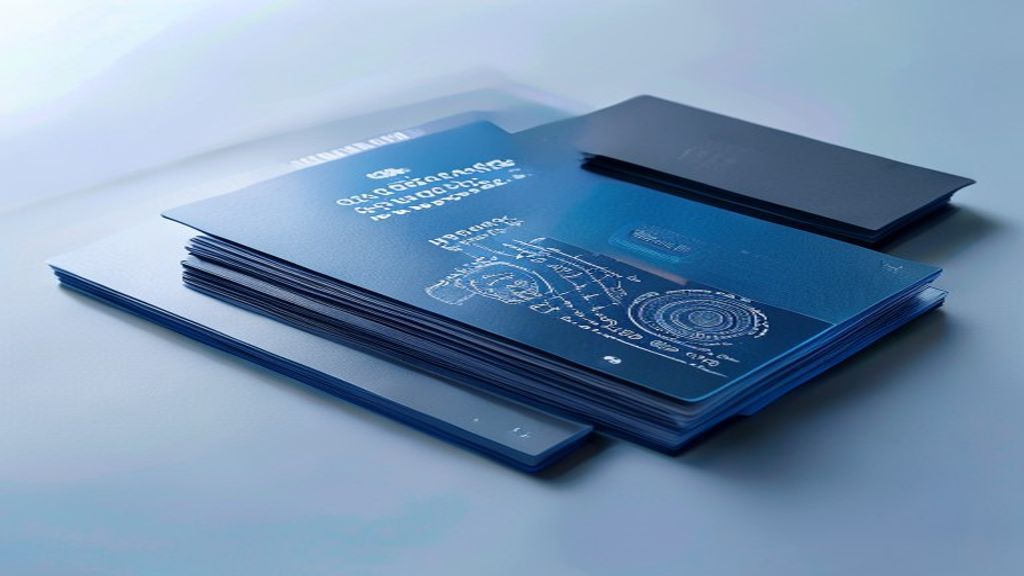
Lamination and sealing decide how long a card lasts; the substrate decides how long it can last. PVC is the cheapest and most printable, but it has the lowest heat and chemical resistance and shows edge wear and warping under heat—fine for short-cycle visitor or event credentials, risky for multi-year programs. PET-G (or a PVC–PET composite) adds a polyester core that raises bending and chemical resistance and holds its shape near heat (think vehicles, wash-down areas); it is the default for multi-year employee and healthcare credentials. Polycarbonate (PC) is the top tier: highest durability, laser-engravable personalization baked inside the body rather than printed on top, and a 10+ year life typical of e-passports and national eID programs—at the highest unit cost.
The buyer’s rule is simple: for cards exposed to disinfectants, outdoor heat, or a 5+ year life, PVC alone is the wrong ceiling—composite or PC is what actually protects your investment. This is especially true in clinical and hospitality settings where constant cleaning accelerates wear on ordinary PVC (our antimicrobial and chemical-resistant card guide).
What to Put in Your RFQ: A Lamination and Sealing Checklist

You do not need to be a materials engineer to specify this correctly—you need a checklist. Copy these lines into your next purchase order:
- Substrate: state PVC / PVC–PET composite / PET-G / PC (and the composite ratio if applicable).
- Thickness: 30 mil (0.76 mm) per ISO/IEC 7810 ID-1; thinner stock flexes more and accelerates every failure mode.
- Overlay: gloss / matte / frosted, and specify a high-durable overlay grade for high-abrasion environments.
- Edge seal: full over-the-edge lamination, sealed perimeter, ≥ 2 mm overlap.
- Bond strength: require ≥ 2 lbf/in inter-layer (ISO/IEC 7810) and ask the supplier for peel-strength test data.
- Personalization: specify retransfer (reverse transfer) when a barcode/QR must survive abrasion.
- Environment: temperature cycling −35 °C to +50 °C without delamination (ISO/IEC 10373), plus chemical resistance if used with disinfectants.
- QA: require a sample plus a durability test report before the full run (see our sample testing guide).
Verify Before You Scale: Durability Testing to ISO/IEC 10373
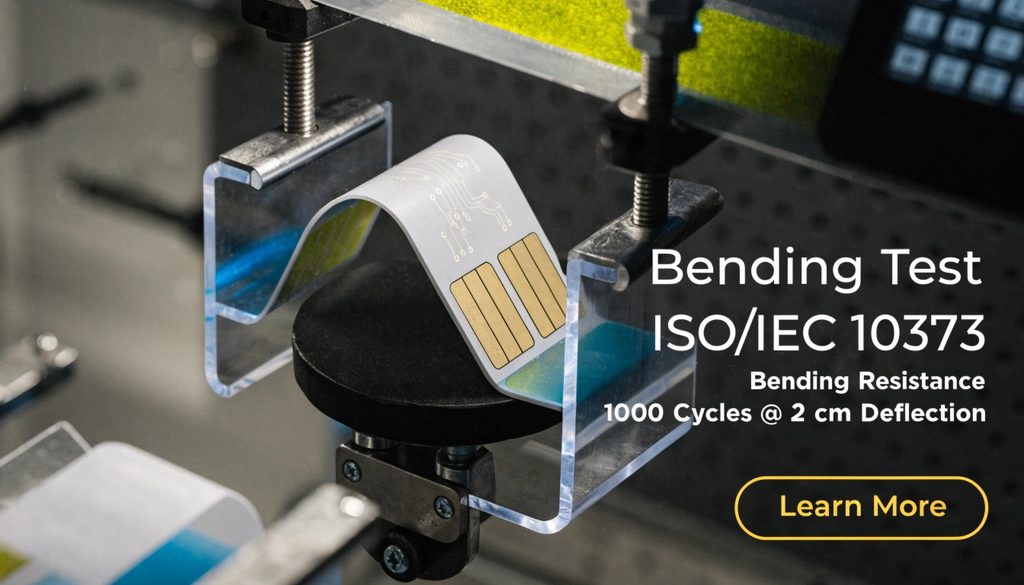
A spec line is only as good as the proof behind it. ISO/IEC 10373 defines the test methods that matter for field life: bending resistance (1000 cycles at 2 cm deflection), torsion, surface abrasion, and chemical resistance (ISO/IEC 10373). The practical move is to put pass/fail criteria in the PO: require the supplier to demonstrate 10373 bending and abrasion results on a pre-production sample before you commit to the full volume. Our deeper guide on writing ISO/IEC 10373 acceptance criteria into your contract walks through the exact clauses.
At minimum, confirm temperature cycling from −35 °C to +50 °C with no delamination or chip detachment. That closes the loop: you specified the lamination and the seal, and now you have evidence the card will actually hold up. For a step-by-step on evaluating the sample itself, see our smart card sample testing checklist.
Frequently Asked Questions
Gloss or matte overlay-which lasts longer?
Durability is driven more by overlay grade and edge seal than by gloss level; matte simply hides wear better cosmetically. Choose finish for look, choose overlay grade and sealing for life.
Is retransfer printing worth the extra cost?
If the card carries a barcode or QR that must keep scanning through daily use, yes—retransfer puts that code under a protective film instead of on the exposed surface.
Can delamination be fixed once it starts?
Not reliably in the field. The only real lever is prevention: a sealed edge and a verified bond strength. The published laminated-card design that seals the perimeter exists precisely to stop the peel before it begins (US20050189066A1).
How long should a staff card last?
Roughly 3–5 years for a composite card, 10+ years for polycarbonate, and often less for PVC alone in harsh use. Match the substrate to the environment, not just the budget.
Choosing the right lamination and edge seal is one of the highest-leverage—and most overlooked—decisions in a card program. If you would like sample cards built to the checklist above, or a second set of eyes on your current specification, our engineering team can prepare a pre-production batch so you can verify bond strength and sealing before you scale.