When you request a quote for “personalized ID cards,” what exactly are you asking for? Many procurement teams use “printing” and “personalization” interchangeably — and that small gap in vocabulary is where budgets, timelines, and ultimately card durability quietly go wrong. Personalization is not just putting a photo on plastic. For a high-security program it means layering a printed image, encoding a chip, and applying tamper-evident security features in one controlled, auditable process. This guide compares the three personalization methods B2B buyers actually specify — dye-sublimation, re-transfer, and laser engraving — so you can match the right process to the right credential and avoid costly re-issues.
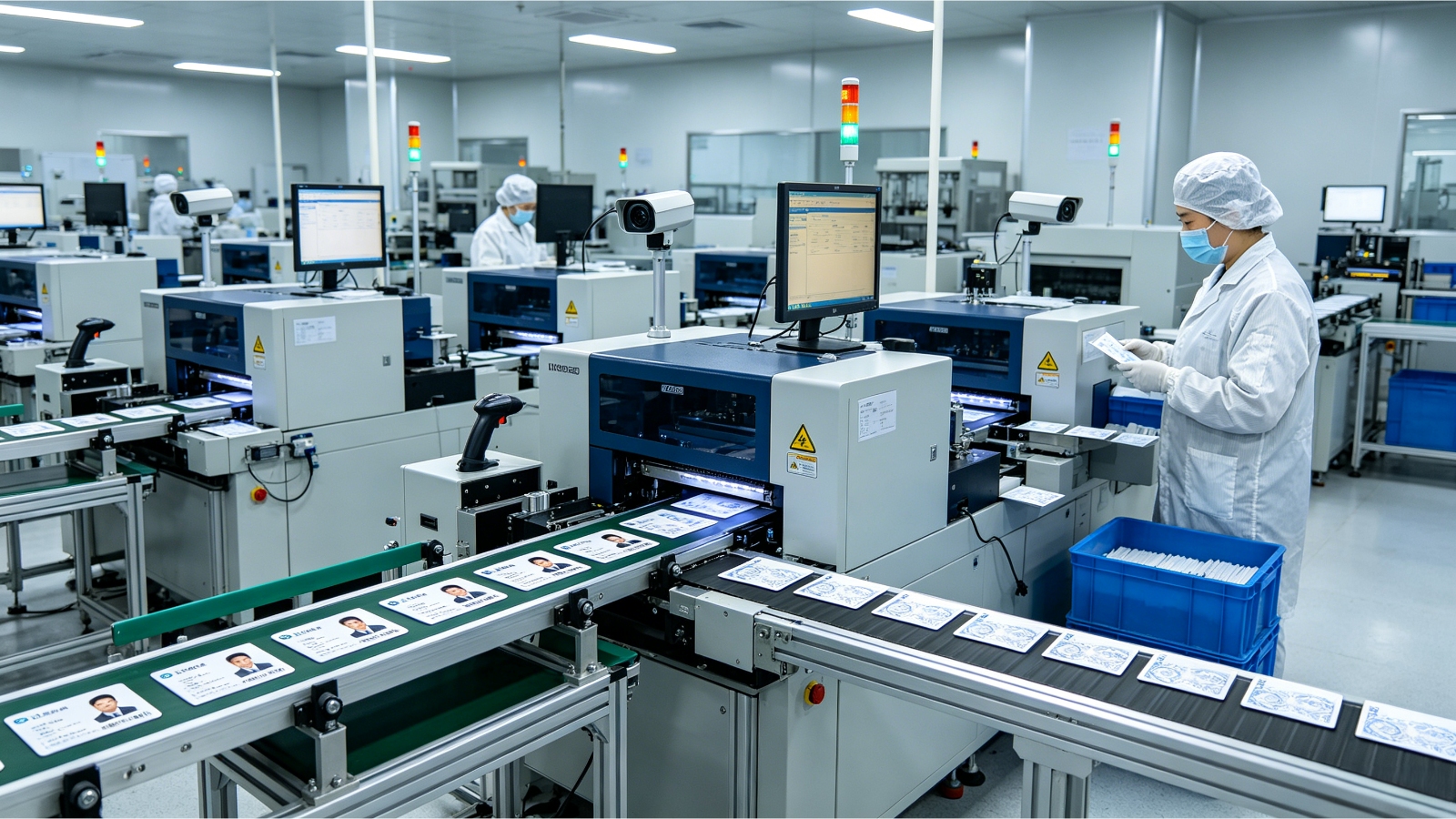
What “Personalization” Actually Means on a Secure Card
Most failures we see in the field trace back to a vague specification. A secure credential is personalized in three distinct layers, and only one of them is what people casually call “printing.” Understanding the distinction is the first step to writing an RFQ a supplier can actually bid against.
- Graphical personalization — the visible layer: photo, name, logo, serial number, and any printed guilloché or microtext.
- Electrical personalization — encoding the contact or contactless chip: UID, file structure, keys, and application data. This is what makes the card “smart.”
- Security personalization — registering a hologram, UV print, laser-engraved tactile elements, or a unique laser window that ties the identity to the body of the card.
If your RFQ only specifies “full-color printing,” you have not specified personalization at all — you have specified the cheapest 20% of the job. The remaining 80% (encoding plus security) is exactly where credential integrity lives. Before comparing printers, read our breakdown of ID card security tiers so you know which layers your program genuinely needs.
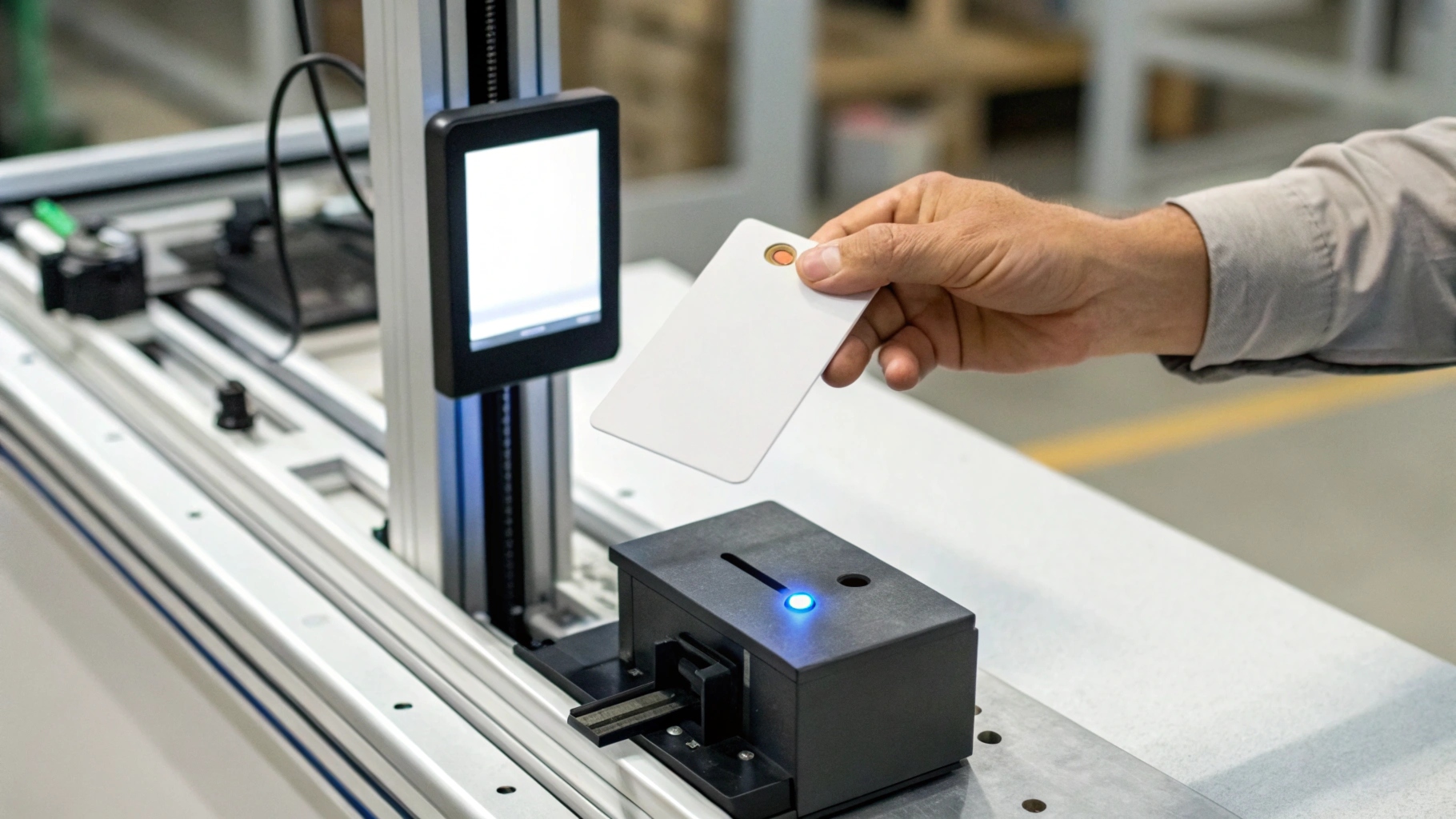
Dye-Sublimation: The Fast, Low-Cost Baseline
Dye-sublimation uses heat to vaporize dye directly into the card’s topcoat — no intermediate film, a single pass, and inexpensive consumables. Throughput is high (desktop units reach roughly 1,000 cards per hour), and the per-card cost is the lowest of the three methods. For short-run visitor badges, membership cards, and low-risk loyalty cards, it is the rational default.
But the trade-offs matter once security enters the picture:
- Edge-to-edge coverage is poor. The thermal head cannot reach the card rim, leaving a bare unprinted border of roughly 2–5 mm. Fine for a centered logo, fatal if your security print must run to the edge.
- Durability is limited. The dye sits in the topcoat, not beneath it. It scratches, fades under UV, and degrades with daily wallet friction. Typical service life is 1–3 years under carry — well below the ISO/IEC 24789-1 service-life classes established for ID credentials.
- Heat stresses the chip. Repeated thermal passes near an embedded contactless module can weaken the antenna bond. On dual-interface smart cards, dye-sub should be qualified per card, never assumed safe.
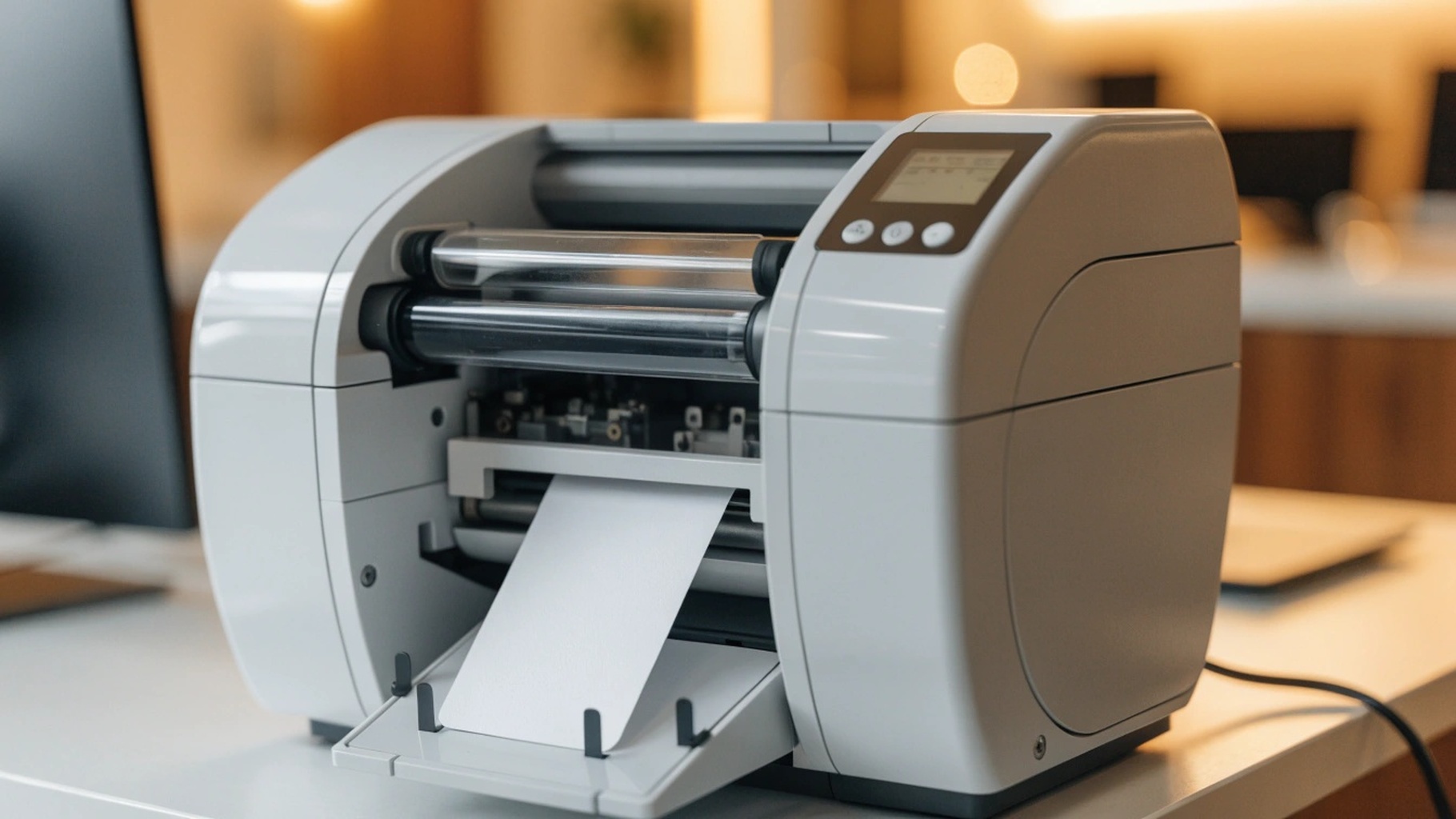
Re-Transfer: The All-Rounder for Smart Cards
Re-transfer (sometimes called reverse-transfer) prints the image onto a clear film, then fuses that film onto the card under heat and pressure. Because the image is applied through film rather than a direct thermal head, it wraps slightly over the edge — true edge-to-edge coverage — and bridges over smart-card bumps and uneven surfaces that would streak a dye-sub print.
Why enterprise and government buyers choose it:
- Edge-to-edge, over-the-edge graphics that survive laminate and overlay registration.
- Better durability: the image is sealed beneath any applied overlay, extending service life to 3–5+ years and aligning with ISO/IEC 24789-1 service-life classes.
- Safer for chips: lower direct thermal stress on the module than dye-sublimation.
- Consumable cost and throughput sit between the other two methods (roughly 150–250 cards per hour) — acceptable for most enterprise and government volumes.
If you are personalizing contactless or dual-interface smart cards at scale and your design reaches the card edge, re-transfer is usually the correct default. Pair it with the right reader strategy using our employee ID card reader-compatibility guide.
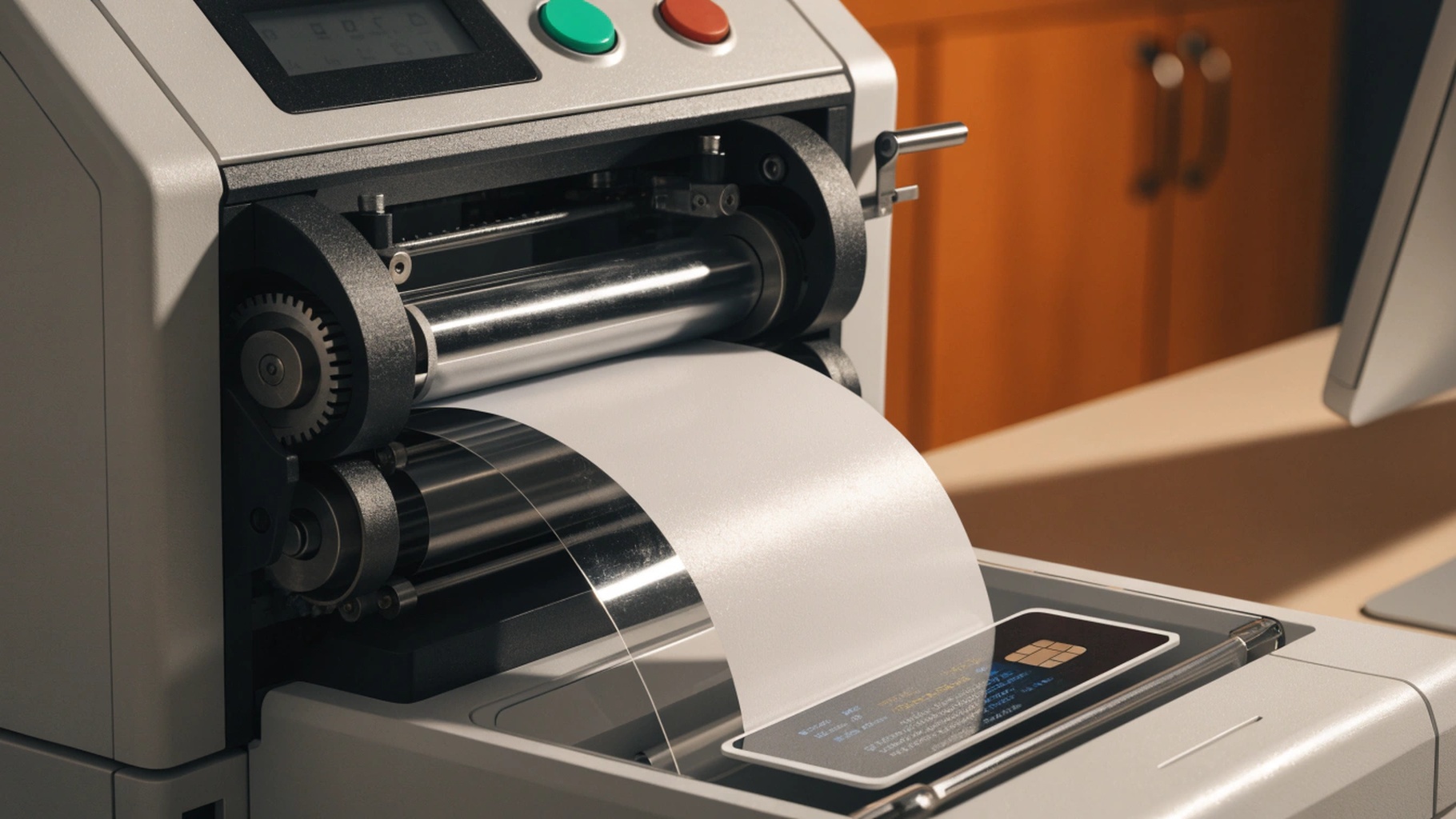
Laser Engraving: Permanent Security for Polycarbonate
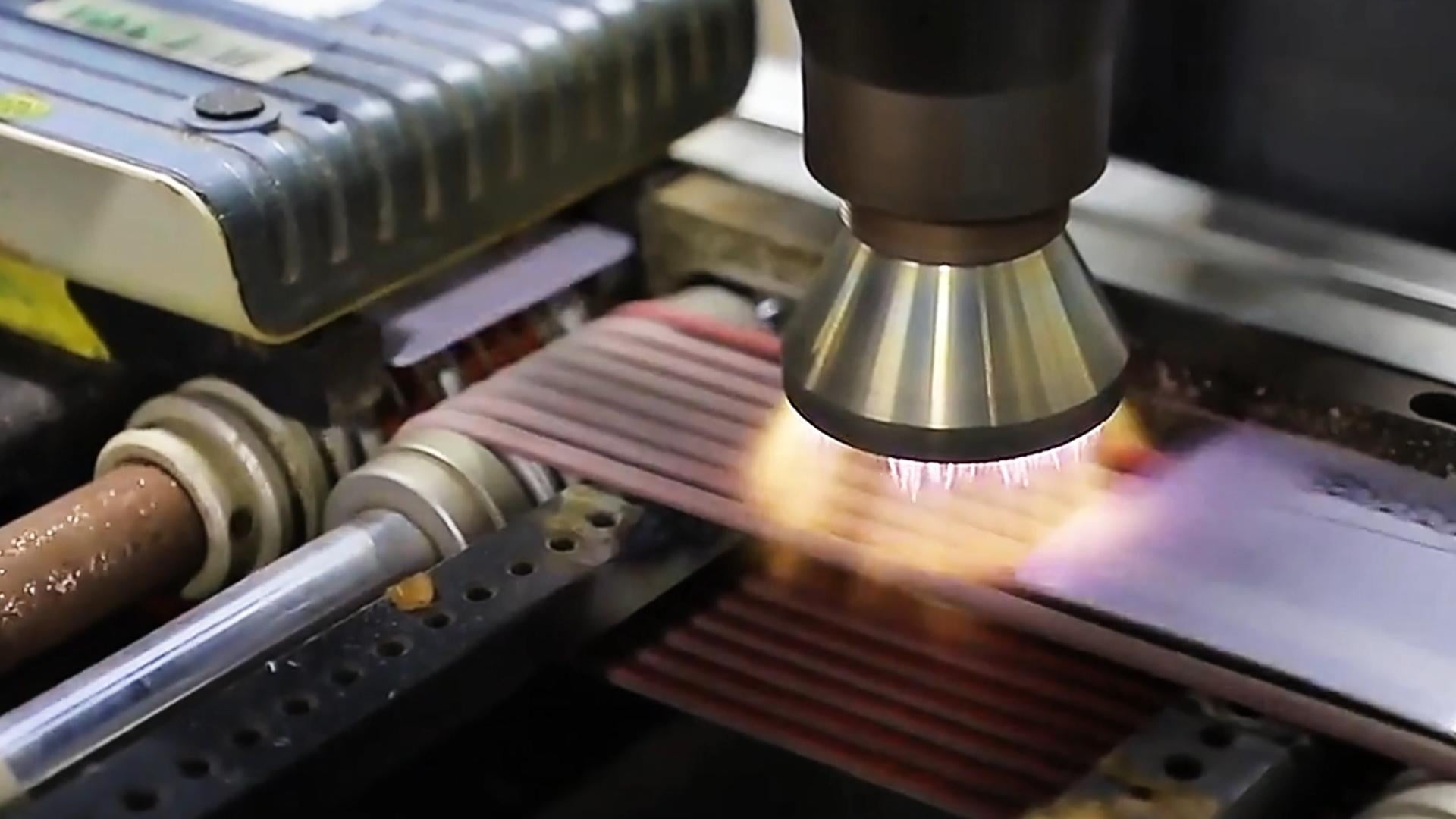
Laser engraving writes personalization directly into the card body using a laser — no ink, no film. On polycarbonate (PC) cards, the laser alters the material itself, producing a tactile, monochrome (often grayscale) image that is physically part of the card. This is the method behind e-passports and national ID documents built to the ICAO 9303 machine-readable travel-document standard and to high-assurance government programs.
Why it wins on security:
- Tamper-evident and permanent. You cannot scratch, peel, or wash off a laser-engraved portrait — any attempt to alter it visibly destroys the card.
- No UV fade, no ink wear — service life tracks the card body itself (10+ years for polycarbonate).
- Enables tactile features (raised characters, laser windows) used for accessibility and for front-line fraud detection.
The constraints are real: laser engraving requires a PC or PET card body — it does not work on standard PVC, which melts rather than ablates. Per-station equipment cost is higher and throughput is lower, and color is limited to grayscale, so laser is typically combined with a printed (re-transfer) layer for color elements. For high-security ID and e-passport-class programs where the credential must outlive the holder’s tenure, laser engraving on polycarbonate is the standard — not an upgrade. Compare the substrates in our polycarbonate vs PVC vs PET-G guide.
Card Personalization Methods Compared: At a Glance
The table below summarizes the decision variables buyers actually weigh. Treat it as a starting filter, not a verdict — your substrate and threat model decide the rest.
| Method | Edge coverage | Durability (service life) | Best card body | Throughput | Relative cost / card | Security level |
|---|---|---|---|---|---|---|
| Dye-sublimation | Border (~2–5 mm unprinted) | 1–3 years | PVC / PET-G | High (~1,000/hr) | $ (lowest) | Low–Medium |
| Re-transfer | Full edge-to-edge | 3–5+ years | PVC / PET-G / Composite | Medium (~200/hr) | $$ | Medium–High |
| Laser engraving | N/A (written into body) | 10+ years (tracks PC) | Polycarbonate / PET | Low–Medium | $$$ | High (tamper-evident) |