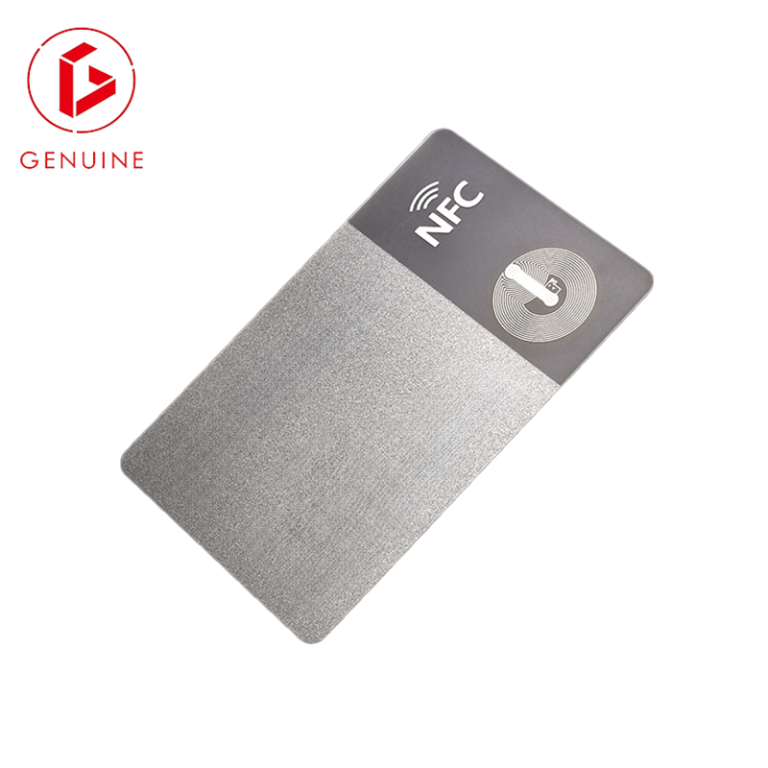
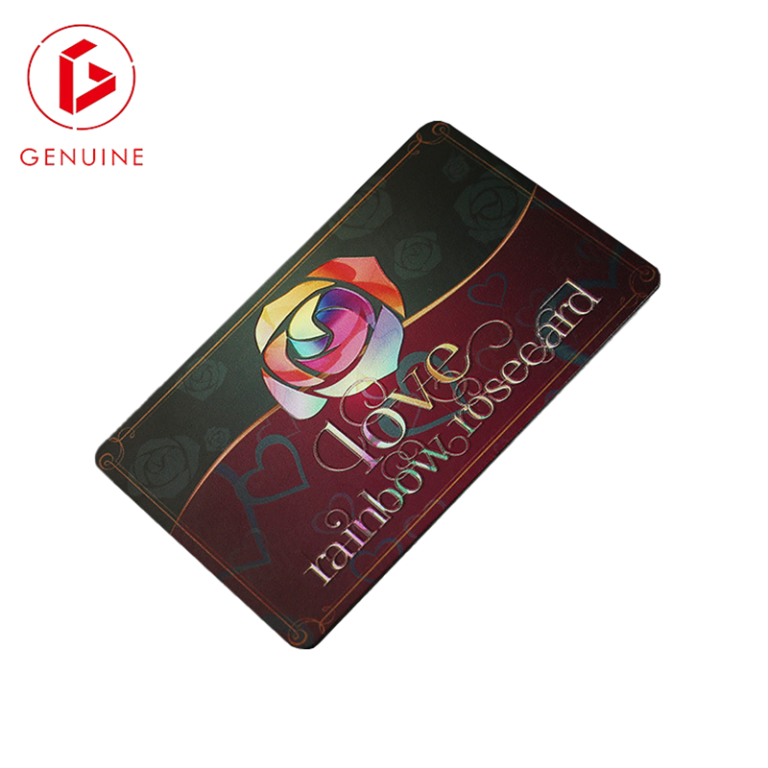
Finding a supplier that delivers truly durable plastic ID cards can be a minefield of flimsy PVC and peeling laminates. If you are tired of replacing cracked staff badges every six months, this guide shows you where to source high-quality, long-lasting ID solutions — and exactly what to demand before you sign.
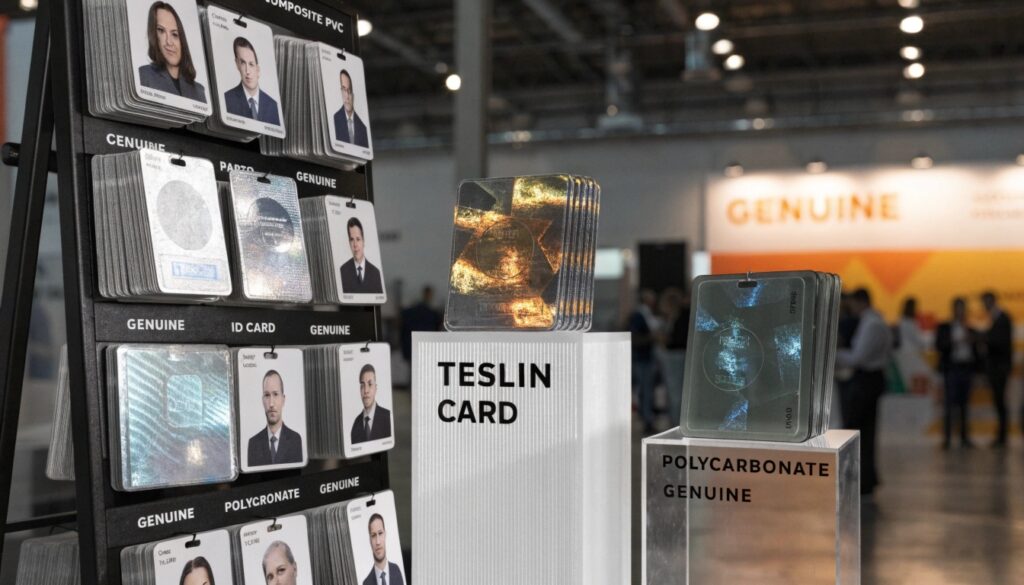
You can find durable plastic ID card suppliers through specialized B2B marketplaces such as Global Sources, industrial printing exhibitions like TRUSTECH and Drupa, or by contacting direct manufacturers such as GENUINE. For maximum durability, look for suppliers offering composite PVC, PETG, or polycarbonate cards rather than standard budget PVC.
Why Durability Is the Only Metric That Matters in B2B Sourcing
Let us be direct: cheap ID cards are a hidden tax on your business. Procurement teams routinely save 10% on the initial unit price, then spend three times that on replacements, re-issuance labor, and express shipping within a single year. A “durable” card must survive daily badge swiping, constant UV exposure at entry points, and the occasional trip through a washing machine without fading, delaminating, or snapping.
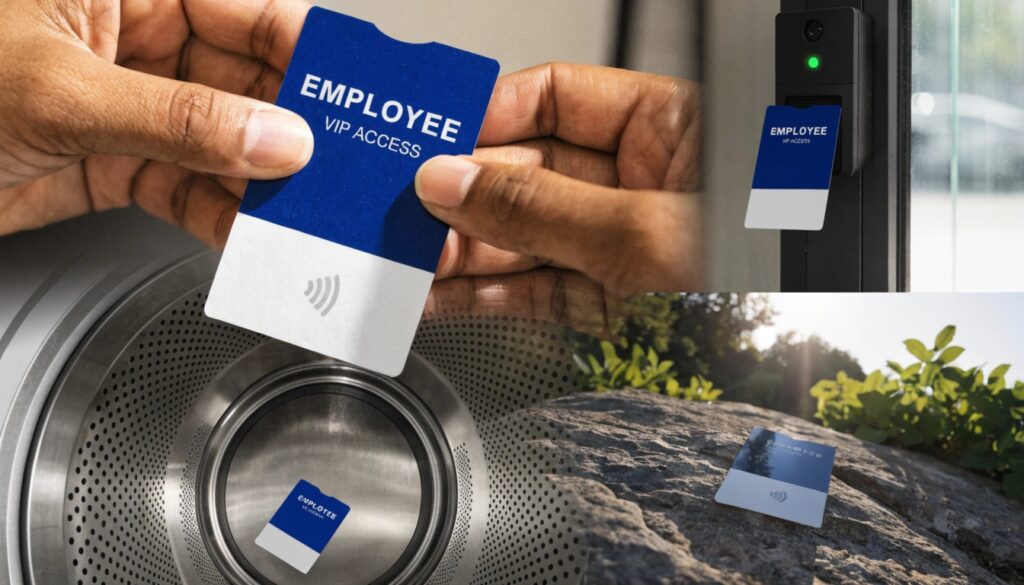
When we talk about durability, the material decision drives everything. The most common failure mode in budget cards is brittle PVC that snaps in cold weather or warps under heat. That is why serious buyers specify composites and engineering-grade polymers instead.
What Actually Makes a Plastic ID Card Durable
Durability is not a marketing word — it is a function of substrate and lamination. Three material tiers dominate the durable end of the market:
- Composite PVC/PET (≈60% PVC / 40% PET) — the practical gold standard for employee badges. The PET fraction stops the card from going brittle in the cold or warping in the heat.
- PETG — a tougher, more chemical-resistant cousin of PET, favored where cards see frequent handling and cleaning.
- Polycarbonate — the government-grade choice, laser-engraved so personalization cannot wear off. Best for high-security and long-life programs.
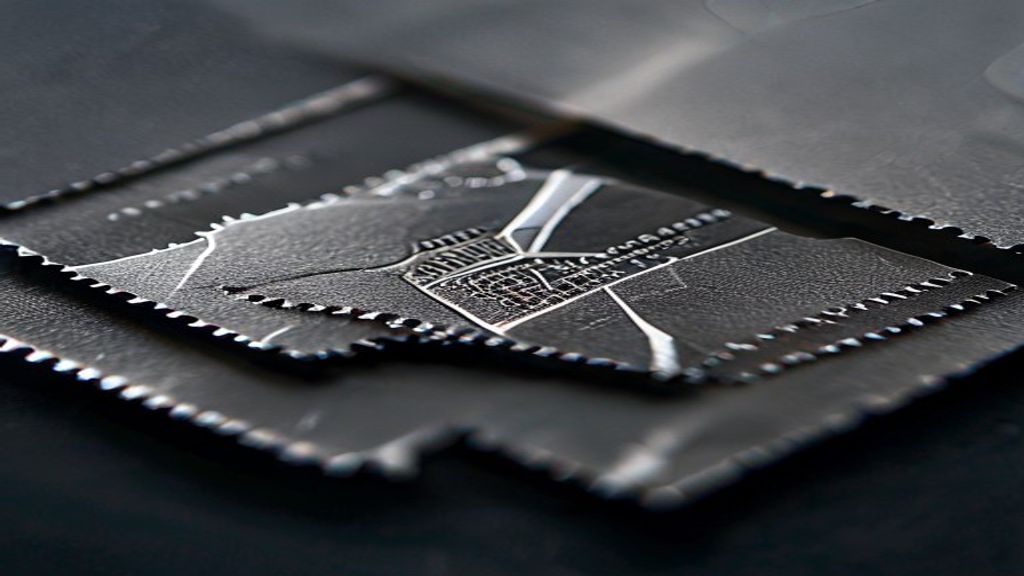
The second half of durability is the topcoat. A UV-curable overlay or thermal overlaminate is what prevents the photo and text from wearing off after months of badge swiping. If you want the full material trade-off, our comparison of polycarbonate vs PVC vs PETG for ID programs breaks down cost, lifespan, and security level for each option.
4 Best Channels to Source High-Quality ID Card Manufacturers
If you are looking for a partner who understands B2B requirements — minimum order quantities, lead times, and rigorous QC — here is where you should look:
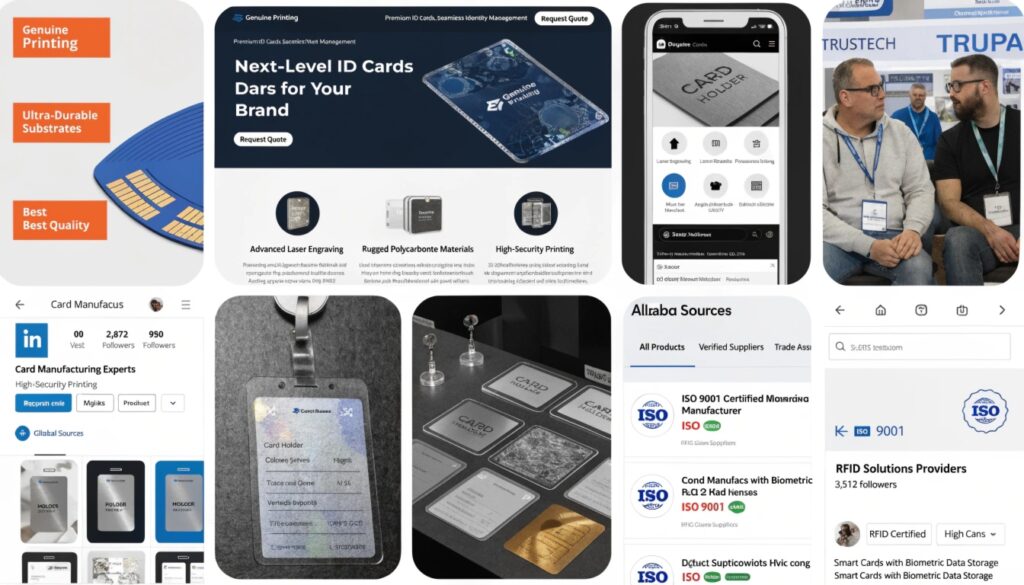
- Direct Manufacturer Websites: Skip the middlemen. Companies such as GENUINE Printing specialize in high-end finishes and durable substrates that generic print shops cannot handle, and they control the production line end to end.
- Global Sources & Alibaba: Use the “Verified Supplier” and “Trade Assurance” filters. Look for manufacturers holding ISO 9001 certification so their “durable” claim is backed by a real quality-management system.
- LinkedIn Proactive Search: Search for “card manufacturing experts” or “RFID solutions providers.” This lets you see a supplier’s factory updates and real-world client base before you ever request a quote.
- Specialized Print Trade Shows: Events like TRUSTECH and Drupa are where serious players showcase the latest in polycarbonate and laser-engraved ID technology — and where you can inspect physical samples face to face.
3 Questions to Ask a Supplier Before You Sign
To separate the professionals from the amateurs, ask these three technical questions — and expect concrete numbers, not adjectives:
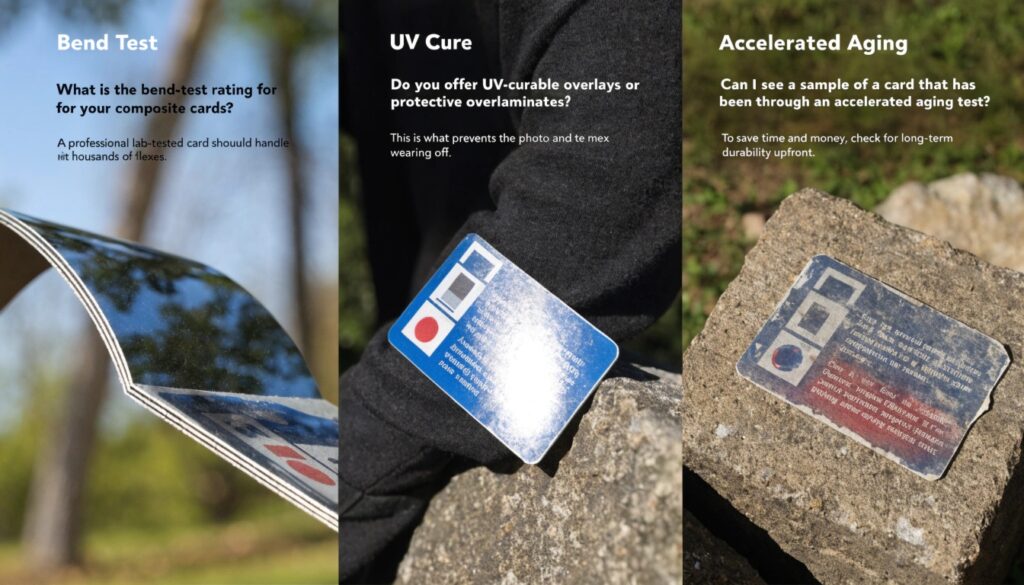
- “What is the bend-test rating for your composite cards?” A professionally lab-tested card should withstand thousands of flex cycles without cracking.
- “Do you offer UV-curable overlays or protective overlaminates?” This is what prevents the photo and text from wearing off at the swipe reader.
- “Can I see a sample that has been through an accelerated aging test?” A supplier confident in durability will show you the before/after, not just a fresh card.
How to Verify a Supplier’s Quality Claims
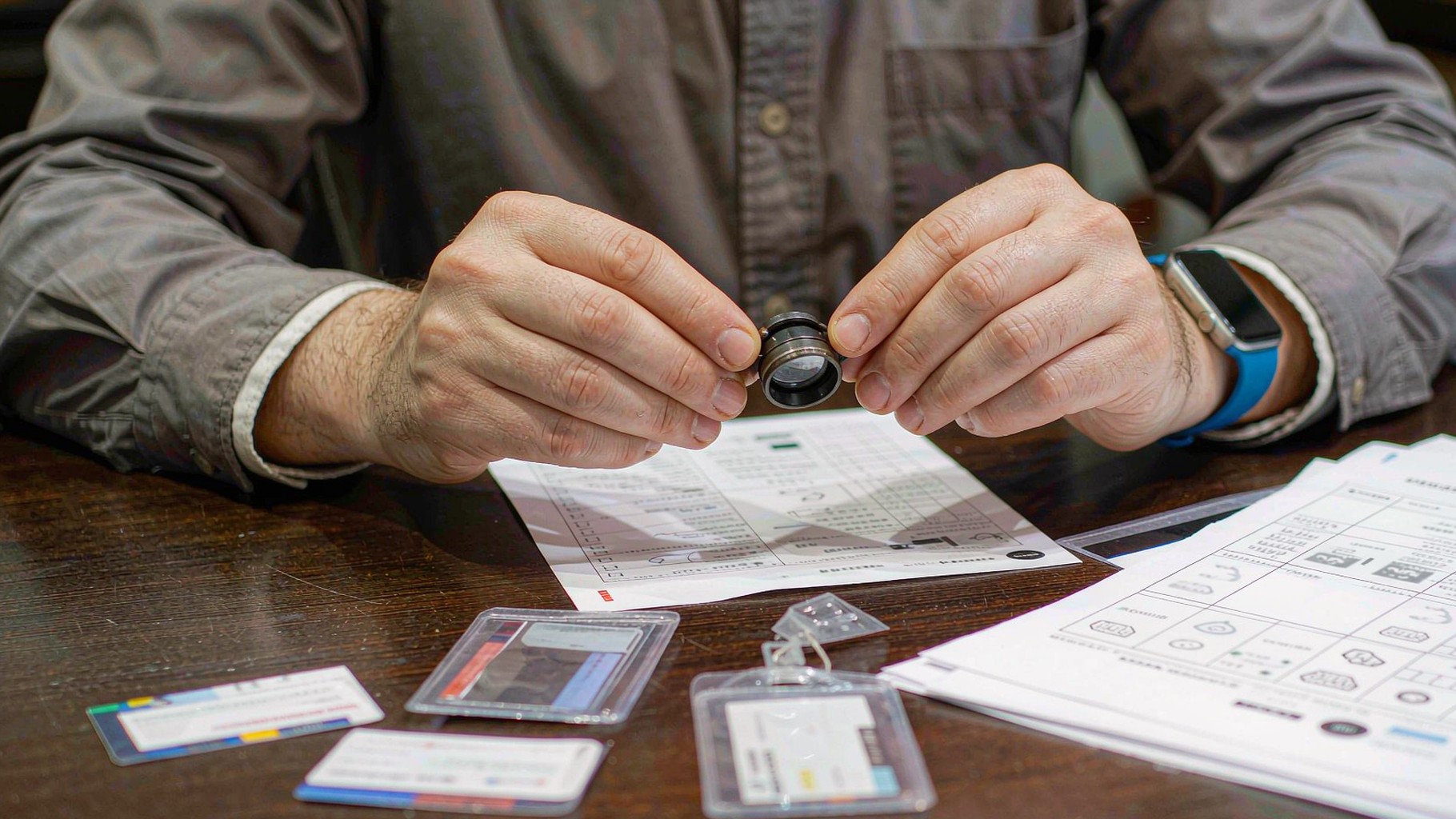
Anyone can put the word “durable” on a website. What protects your budget is independent verification:
- Certifications: Require an active ISO 9001 certificate, and check the card itself against ISO/IEC 7810 dimensions and tolerances so it fits your printers and readers.
- Third-party test reports: Ask for bend, UV, and wash-cycle results from an independent lab rather than the supplier’s own claims.
- Factory audit: For volume programs, a short on-site or video audit of the production line confirms the capability exists. If your cards carry RFID, the chip should also meet ISO/IEC 14443 for contactless performance.
Frequently Asked Questions
What material is best for long-lasting employee ID cards?
For most corporate and industrial sites, composite PVC/PET or PETG delivers the best balance of cost and lifespan — typically years of daily use. Choose polycarbonate when security and a 5–10 year life matter more than unit price, such as government or high-assurance facilities.
Is ordering directly from a factory actually cheaper than a reseller?
Usually, yes — direct sourcing removes one or more markup layers and gives you control over substrate and QC. The caveat is MOQ and lead time. Before deciding, read our ID card best practices guide and weigh total cost of ownership, not just unit price.
How can I test a supplier’s card durability myself?
Order a small sample batch and run three quick checks: a repeated bend test at the short edge, a few days of direct sunlight to spot fading, and a wash-cycle in a pocket. Genuine durable cards pass all three without cracking, delaminating, or losing print.
What certifications should a reliable ID card supplier hold?
At minimum, an active ISO 9001 quality-management certificate and cards built to ISO/IEC 7810 dimensions. For contactless or RFID badges, confirm ISO/IEC 14443 compliance and regional marks such as CE or FCC. These documents are your evidence that “durable” means something.
Conclusion: Source on Material Science, Not Price Tags
Finding the right supplier for durable plastic ID cards comes down to looking beyond the headline price and focusing on material science and manufacturing transparency. By sourcing directly from specialists and demanding composite or polycarbonate substrates with proper overlaminates, you will save your organization time, money, and the recurring headache of constant re-issuance.
Ready to compare real samples against your current badges? Request a durability sample kit from our team, or plan your rollout with our ID card issuance program guide and employee ID card reader-compatibility guide.