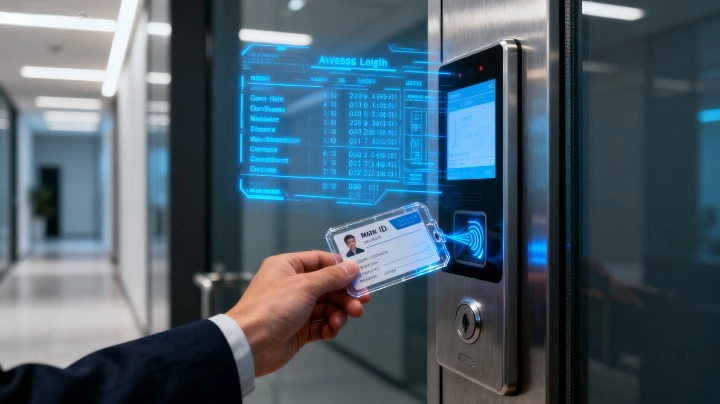
In today’s dynamic work environments, employee ID cards have evolved from simple visual identifiers to sophisticated security tools integral to organizational safety and operational efficiency. With 78% of organizations planning to adopt digital ID solutions by 2025, and the global access control market projected to reach $26.43 billion by 2029, understanding how modern ID systems enhance security is critical. Here’s an in-depth analysis of their transformative role.
1. The Evolution: From Plastic to Digital & Biometric Systems
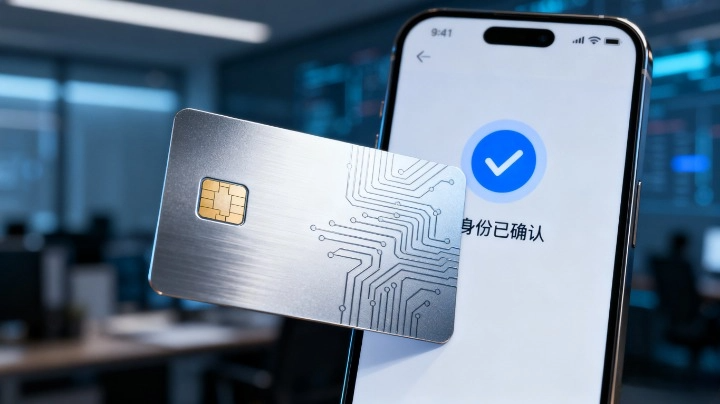
Traditional plastic ID cards are rapidly being replaced by integrated digital solutions combining RFID chips, NFC technology, and biometric authentication. These systems address critical vulnerabilities:
- Real-time monitoring: Digital IDs enable instant deactivation if lost or compromised, reducing unauthorized access risks.
- Multi-layered security: Embedded smart chips support encryption and dynamic data storage, making duplication nearly impossible.
- Biometric integration: Fingerprint or facial recognition paired with ID cards adds a “something you are” security layer, crucial for high-risk facilities.
2. Core Security Benefits of Modern ID Systems
A. Controlled Physical Access
ID cards restrict entry to authorized personnel only, using:
- Role-based permissions: Limit access to sensitive areas (e.g., labs, server rooms) based on employee roles .
- Audit trails: Track entry/exit times and locations, aiding incident investigations .
- Integration with IoT: Smart badges sync with door sensors, alarms, and lighting systems for automated threat responses.
B. Advanced Anti-Tampering Features
Modern cards incorporate bank-grade security printing techniques:
- Holographic overlays: Visibly shift colors when tilted, deterring counterfeiting .
- UV elements: Invisible ink visible only under UV light for secondary verification.
- Microtext & laser engraving: Microscopic text and permanent etching prevent photo substitution .

3. Digital ID Cards: The Future of Access Control
Two-thirds of users now prefer smartphone-based digital IDs over physical cards
3, driven by:
- Seamless authentication: Mobile credentials enable touchless access via Bluetooth or QR codes, reducing physical contact and contamination risks.
- Remote management: IT teams can instantly revoke access or update permissions globally—critical for hybrid workforces.
- Cost efficiency: Organizations report 26% higher profitability post-digital ID adoption by reducing card reissuance and manual monitoring costs.
4. Operational Advantages Beyond Security
ID systems streamline workflows while enhancing safety:
- Time & attendance tracking: Badges with RFID sync with payroll systems, eliminating manual logging errors.
- Visitor management: Temporary digital passes grant limited access to contractors, with automated expiration .
- Brand professionalism: Custom-designed cards reinforce company identity and foster employee belonging.
5. Implementation Best Practices
To maximize ROI:
- Prioritize scalability: Choose cloud-based systems (42% of current market share) for flexible updates.
- Conduct risk audits: Identify high-security zones needing biometric or multi-factor authentication .
- Train employees: 60% of breaches stem from misuse; training ensures protocol compliance .
Conclusion: A Strategic Investment for Future-Proof Security
ID cards are no longer static tokens but dynamic security platforms. As cyber-physical threats grow, integrating digital IDs with biometrics and IoT-driven access control isn’t optional—it’s strategic. Organizations leveraging these tools gain not just enhanced safety, but also operational agility and trust.