Most businesses treat employee ID cards as a procurement afterthought—until a cloned badge opens a side door, a faded pass fails a compliance audit, or a new hire waits three weeks for credentials. A reliable ID card system is not a plastic-and-lanyard expense; it is the access-control backbone that protects people, data, and physical assets while quietly shaping how professional your organization looks to visitors, auditors, and employees.
This guide explains what reliability actually means for B2B buyers, how to match card security to real risk, and how to calculate the total cost beyond the per-card price.
The Hidden Cost of “Good Enough” ID Cards
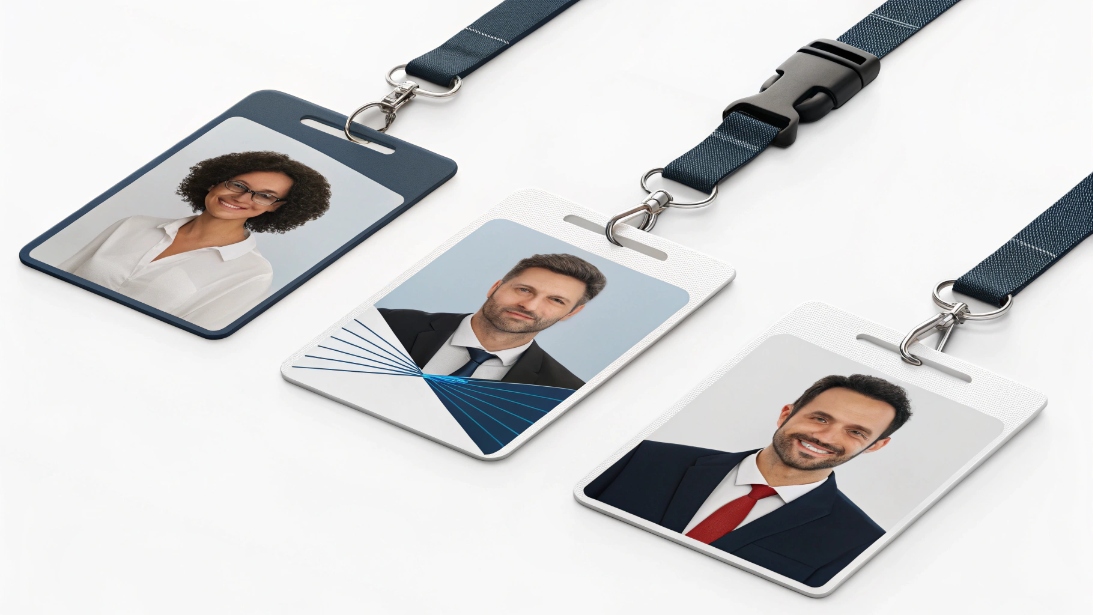
When an ID card system fails, the damage rarely shows up as a single invoice. It surfaces as tailgating incidents, reprinting cycles, help-desk tickets, and audit findings. Research by the UK Centre for the Protection of National Infrastructure consistently lists weak physical credentials as a common entry point for insider threats and social-engineering attacks.
Common failure modes include:
- Cloned or counterfeited cards when visual security features are missing or easy to copy.
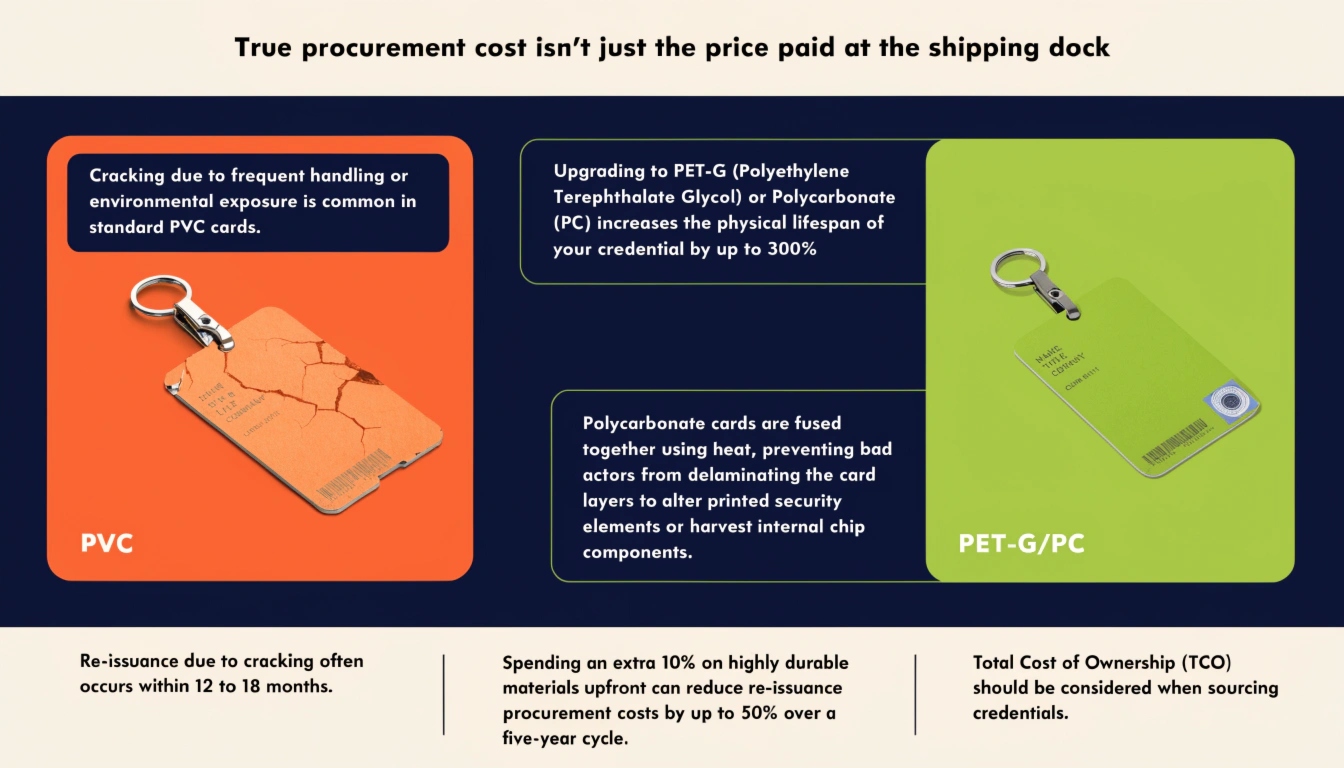
- Lamination separation and cracked corners within 12–18 months on low-grade PVC cards.
- Encoding mismatches between the card chip and the existing access-control reader fleet.
- Delayed reissuance when suppliers cannot match production lead times or small-batch personalization.
Each failure has a cost multiplier: the card itself is cheap; the labor, security exposure, and reputation risk are not. If your current badges are cracking before the next budget cycle, the system is already more expensive than it appears.
What Makes an ID Card System Truly Reliable
Reliability sits at the intersection of four layers. Skimp on one, and the others compensate poorly.
1. Card body and substrate
Standard PVC works for short-life visitor passes. For staff credentials that survive daily flexing, UV exposure, and disinfectant wipes, PET-G or polycarbonate (PC) extends physical lifespan by 200–300% and resists edge cracking. Polycarbonate cards are heat-fused, so bad actors cannot peel layers apart to alter printed data or harvest internal components. The physical dimensions of ID-1 cards are defined by ISO/IEC 7810, which every serious supplier should reference.
2. Credential layer
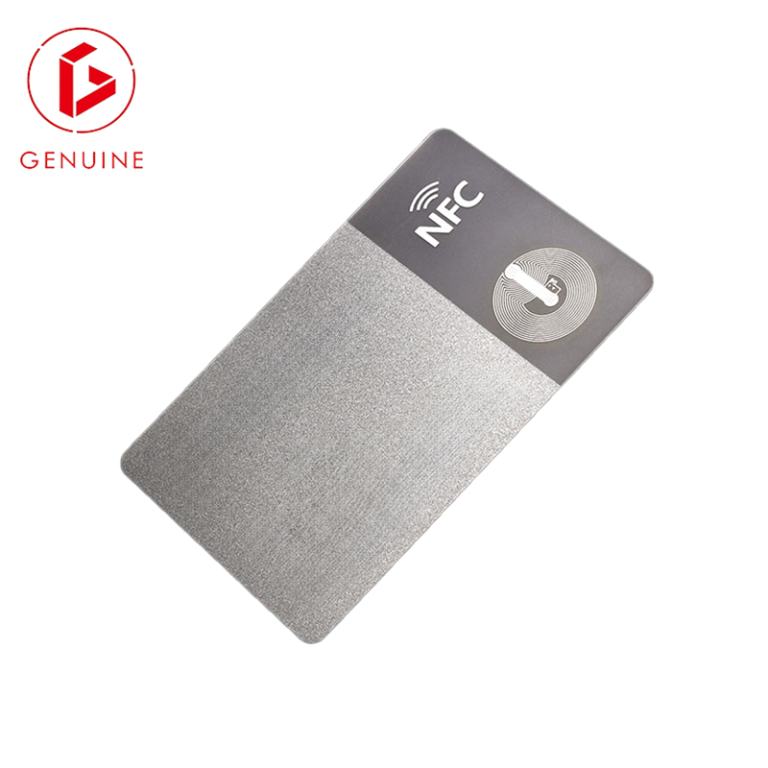
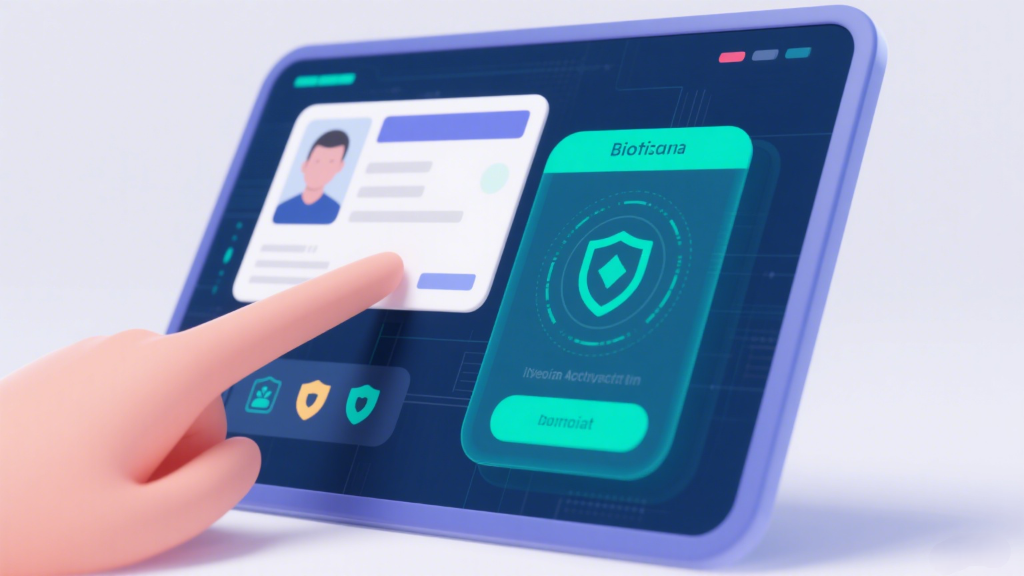
The chip or magnetic credential determines what the card can do. Options range from low-frequency proximity (125 kHz) to high-frequency contactless such as MIFARE Classic, MIFARE DESFire EV3, HID iCLASS SEOS, and NFC. For environments handling sensitive data, DESFire EV3 and SEOS offer encrypted mutual authentication and secure messaging. Match the credential to the reader infrastructure—not the other way around.
3. Visual security features
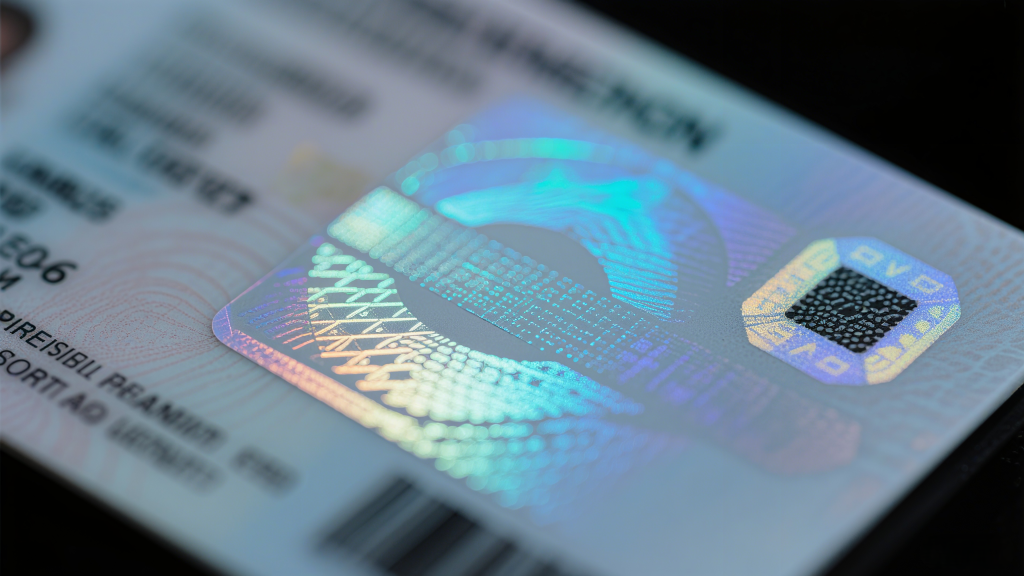
Electronic cloning is one risk; visual impersonation is another. Layered security elements—holographic overlays, microtext, UV-reactive inks, laser-engraved personalization, and guilloche patterns—make casual counterfeiting uneconomical. For government-grade documents, ICAO’s Doc 9303 specifies many of these same optically variable features.
4. Lifecycle and issuance
A reliable supplier supports the full lifecycle: blank-stock management, chip encoding, photo personalization, lanyard or card-holder accessories, reissuance on demand, and secure end-of-life destruction. If onboarding a new employee still requires a two-week overseas reorder, the system is not scaling with your business.
Match Security to Real Risk, Not Hype
Not every organization needs banknote-grade security. Overspending on unused features wastes budget; underspending creates liability. Use this simple risk ladder:
- Low risk (visitor management, short events): PVC card, barcode or QR code, basic photo.
- Medium risk (offices, hotels, schools): PET-G substrate, RFID or NFC, holographic overlay, photo personalization.
- High risk (government, healthcare, R&D, finance): Polycarbonate, DESFire EV3 / iCLASS SEOS, laser engraving, UV and microtext, biometric integration.
The goal is a card that is just secure enough to deter the threats you actually face. For a deeper breakdown of security tiers, see our guide on ID card security tiers.
Count the True Cost of Ownership
Unit price is the wrong metric. A five-year total cost of ownership (TCO) model gives a clearer picture:
TCO = (unit price × headcount × expected reissues) + encoding/setup fees + shipping + administrative labor + lost-productivity cost of downtime.
For example, a card that costs 30% more upfront but lasts three years instead of one often costs 40–50% less over five years when reissuance, shipping, and IT handling are included. The same logic applies to credential technology: upgrading from unencrypted proximity to encrypted DESFire prevents a far more expensive access-control retrofit later. We compare these trade-offs in detail in smart card vs traditional card cost benefits.
How to Vet an ID Card Supplier
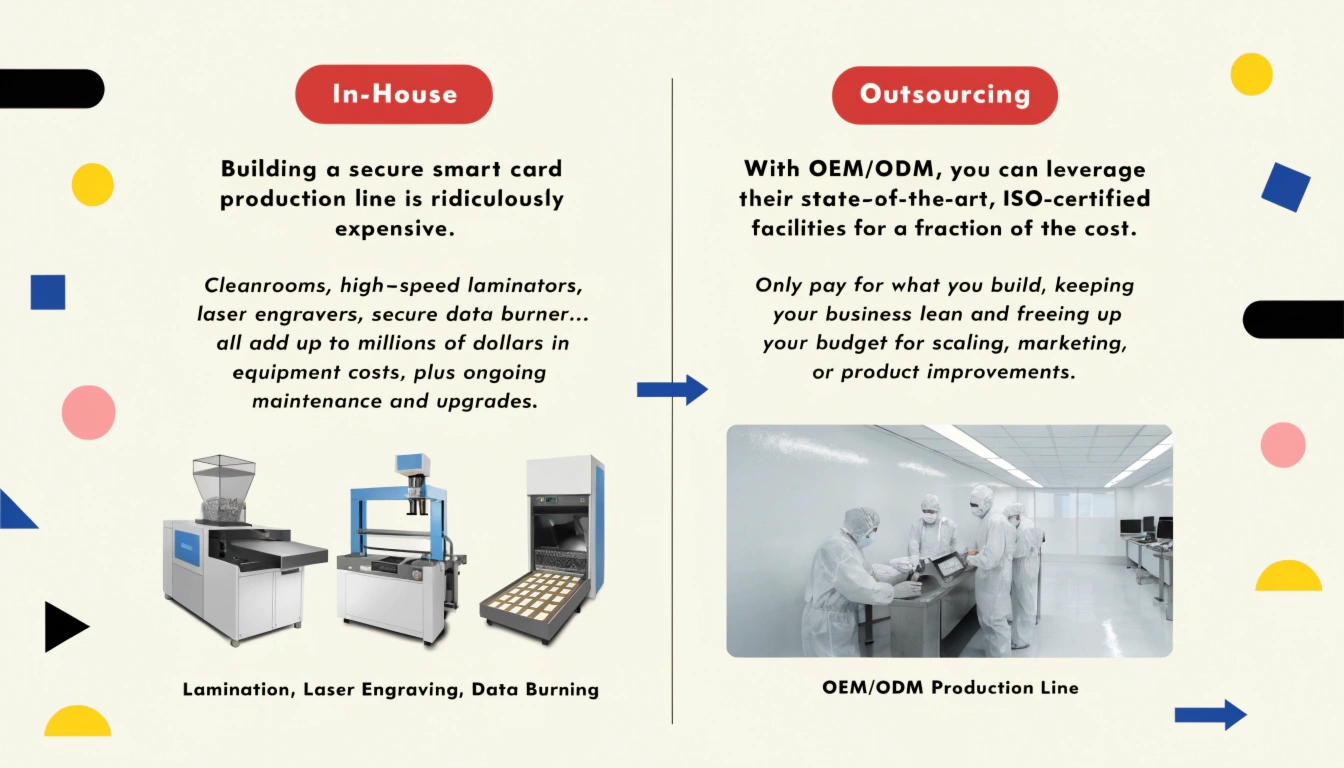
A reliable system depends on a reliable manufacturer. Before placing a bulk order, verify:
- Quality certifications: ISO 9001 for quality management and ISO 14298 for graphic-arts security printing management are strong signals of process discipline.
- Chip and reader compatibility: Ask for sample encoded cards tested against your existing readers and management software.
- Personalization capabilities: Can the supplier laser-engrave, emboss, print UV, and apply holographic overlays in one production run?
- Data security: Look for ISO/IEC 27001-aligned handling of photos and personal data, plus secure key-injection processes.
- Flexibility: Reasonable MOQs, consistent lead times, and the ability to handle reorders without restarting tooling.
For a practical checklist, read choosing a reliable ID card manufacturer for employee badges.
Frequently Asked Questions
How long should a professional employee ID card last?
With normal daily use, a quality PVC card typically lasts 12–24 months. PET-G and polycarbonate cards often last 3–5 years or more, depending on exposure to heat, flexing, and chemicals.
Can one card handle both physical access and logical logins?
Yes. Smart cards with PKI or FIDO2-enabled credentials can unlock doors and authenticate to computers or cloud applications. This convergence is increasingly common in zero-trust security architectures.
Are holographic overlays necessary for every business?
No. They are highly recommended for medium- to high-risk environments where visual impersonation is a concern. For short-term visitor passes, a simple photo and barcode are usually sufficient.
What is the minimum order for custom ID cards?
Factory-direct suppliers often start at 500–1,000 pieces for fully custom cards, while standard-size PVC cards with basic personalization can sometimes be ordered in smaller batches. Match the MOQ to your reissuance cadence, not just your headcount.
Next Step: Build an ID Card System That Scales With You

A reliable ID card system reduces risk, cuts hidden operational costs, and gives employees a credential they are proud to wear. Start by auditing your current failure points, match the card specification to your risk level, and request sample cards encoded for your readers before committing to a bulk order.
Ready to upgrade? Contact our team for a free specification review and sample pack, or explore our guide to choosing the right ID card for your business.