When was the last time your employee ID cards did more than hang around someone’s neck? For most organizations, the answer is “never”—and that’s a missed opportunity. Custom ID cards are not name tags. They are multi-function credentials that can tighten access control, automate attendance, reinforce brand identity, and even save lives during emergencies. The question isn’t whether you can afford to upgrade them. It’s whether you can afford not to.

The Hidden Cost of Generic Badges
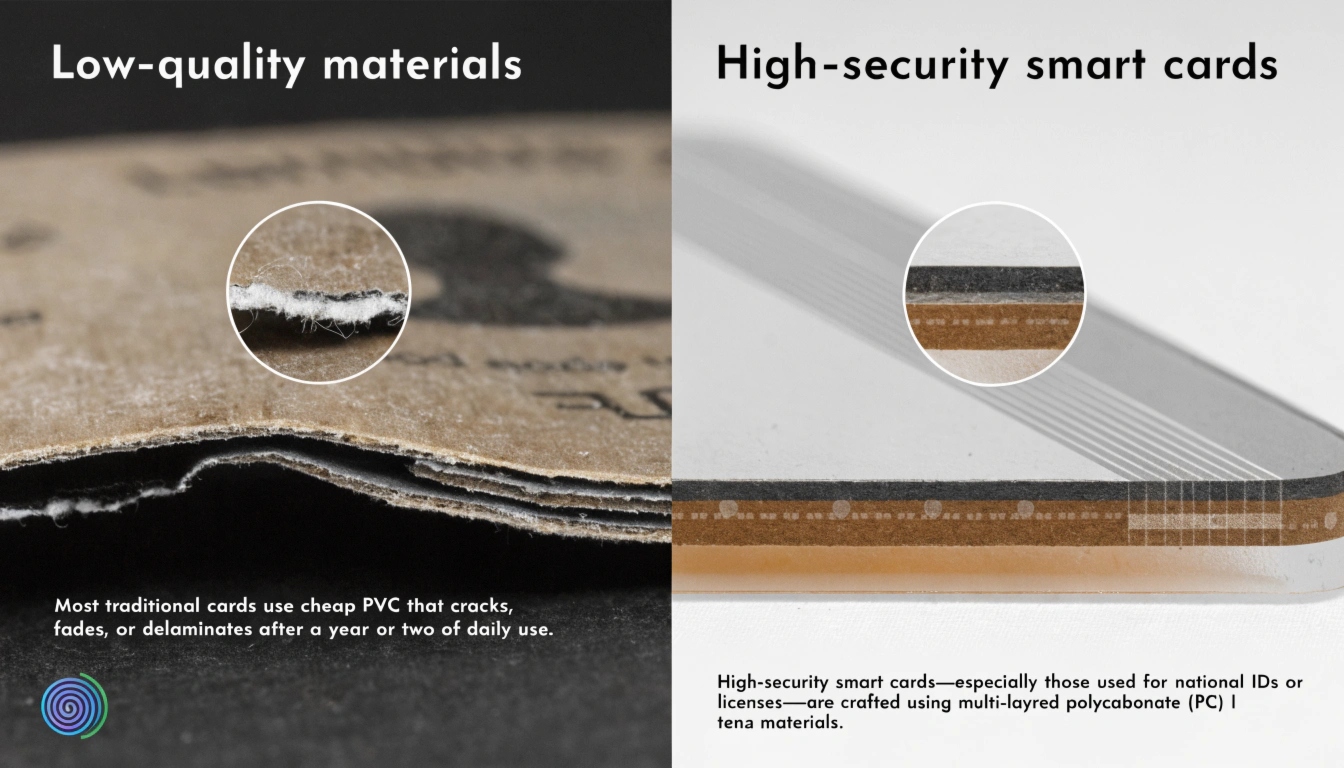
Off-the-shelf PVC badges seem cheap—until you count the real costs. They crack, fade, or delaminate within 12–24 months of daily use, forcing repeated reorders that quietly drain budgets. Worse, generic badges carry no embedded technology, which means your organization still relies on manual sign-in sheets, physical keys, or separate access fobs. Each workaround introduces friction, errors, and security gaps. A custom ID card program consolidates these scattered tools into a single, durable credential that lasts years instead of months—and pays for itself through reduced administrative overhead and fewer security incidents.
Access Control with an Audit Trail
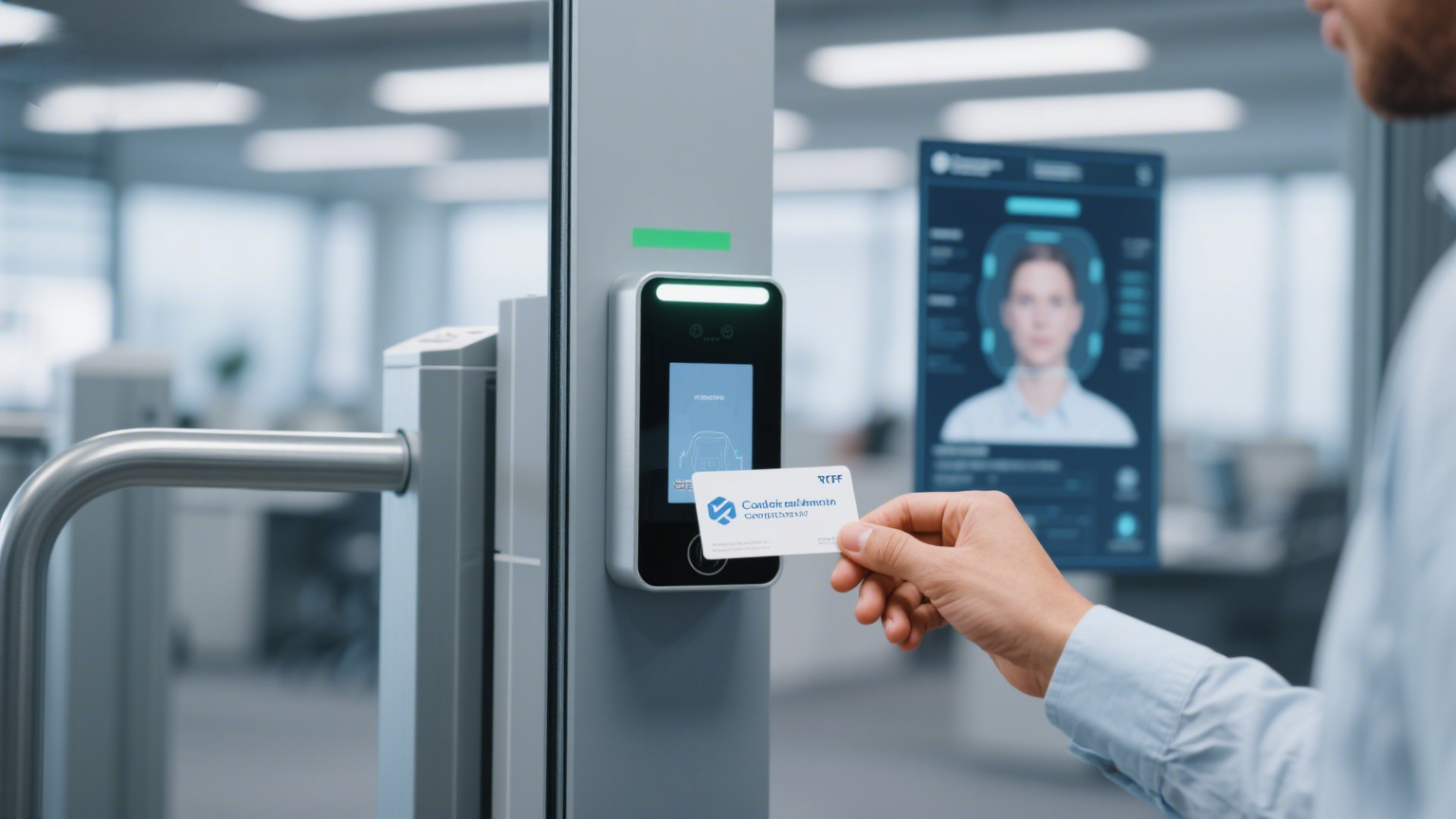
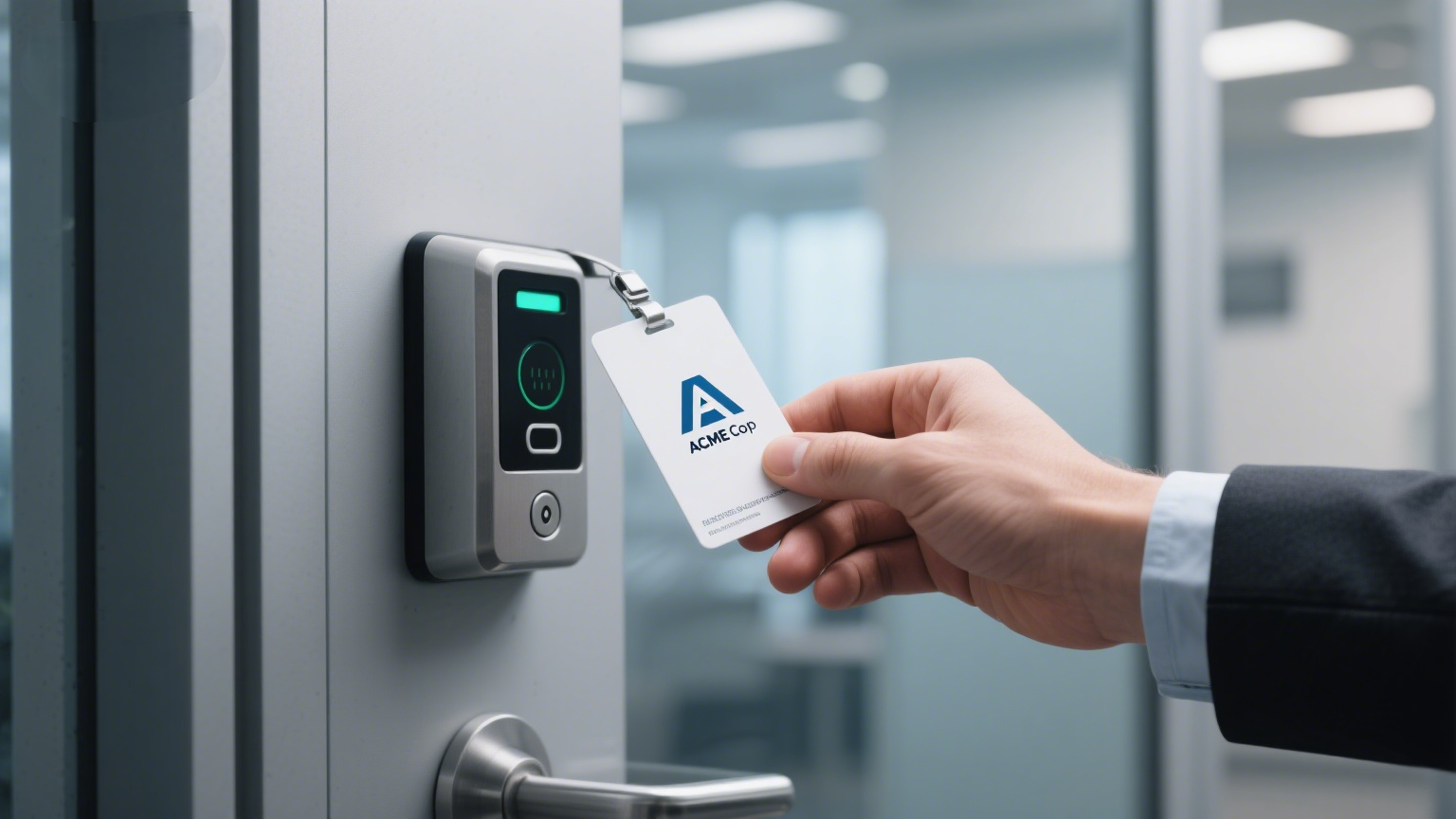
Custom ID cards with RFID, magnetic stripe, or barcode integration turn every badge tap into a logged event. You gain real-time visibility into who entered which area and when—critical for server rooms, inventory warehouses, and any space governed by compliance requirements. Unlike mechanical keys that can be copied without detection, electronic credentials generate an auditable record. If an incident occurs, you can reconstruct movements in minutes rather than guessing. This capability is especially valuable for organizations subject to ISO/IEC 7810 identification standards or sector-specific regulations such as HIPAA (healthcare) or GDPR (data protection), where access accountability is non-negotiable.

One Card Replaces Five Systems
A well-designed custom ID card consolidates functions that currently live on separate devices:
- Time & attendance — RFID or barcode scans at building entrances replace paper timesheets and buddy-punching.
- Cashless payments — Integrated chips enable cafeteria, vending, and parking transactions without carrying wallets.
- Equipment checkout — Laptops, vehicles, and shared tools are assigned to the cardholder automatically.
- Visitor management — Temporary visitor badges integrate with the same reader infrastructure.
- Print/copy control — Secure printing releases only when the authorized card is present at the MFP.
The operational efficiency gain is measurable: facilities using unified credential systems report 15–25% reduction in administrative time spent on access provisioning, attendance disputes, and equipment tracking. For a 500-employee organization, that translates to hundreds of recovered hours per year. For deeper cost analysis comparing smart cards against traditional options, see our guide on smart card vs. traditional card cost benefits.
Brand Trust, Inside and Out
Your employees wear their ID cards every day. That makes them walking brand ambassadors—or walking liabilities, depending on design quality. A professionally printed custom ID card with consistent logo placement, corporate colors, and clean typography signals to clients, partners, and visitors that your organization values precision and professionalism. Hospitality and retail studies consistently show that customers perceive staff wearing polished badges as more trustworthy and service-oriented. Internally, branded credentials foster belonging: when employees carry a well-designed card that reflects their organization’s identity, engagement scores tick upward. It is a low-cost, high-visibility branding channel that works 24/7.
Emergency Readiness: When Seconds Count
During fire drills, medical emergencies, or building evacuations, knowing exactly who is inside—and where—is critical. Custom ID cards can encode emergency contact information, blood type, and allergy data (where privacy policies permit) so first responders have immediate access to life-saving details. More importantly, access log data from card readers provides real-time headcount during evacuations, eliminating the dangerous guesswork of manual roll calls. Organizations that integrate ID card systems with emergency management protocols consistently achieve faster, more accountable evacuations—a capability that OSHA explicitly recommends for workplace safety planning.

Durability and Total Cost of Ownership
Not all card materials age the same. Standard PVC—the material used in most budget badges—becomes brittle under UV exposure, heat, and repeated flexing. Within 18 months, edges crack, surfaces yellow, and embedded mag-stripes fail to read reliably. By contrast, engineered substrates like polycarbonate (PC) composite, PETG, or PVC-PET laminates deliver 3–5 year lifespans with minimal degradation. The upfront cost difference is typically 20–40%, but the TCO calculation favors durability: fewer reorders, less printer wear, lower helpdesk tickets for failed reads, and no embarrassing moments when a VIP visitor sees a peeling badge on your receptionist’s desk. Material selection is the single biggest lever for long-term ID card ROI. To understand which security tier matches your risk profile, review our ID card security tiers breakdown.
Specification Checklist: What Your Cards Must Include
Before ordering, confirm your custom ID card specification covers these essentials:
- High-resolution photo + full legal name — Non-negotiable for visual verification.
- Job title, department, and employee number — Reduces confusion in matrixed orgs and aids directory lookups.
- Durable substrate — PVC for light use; PC composite or PETG for heavy-use/high-security roles.
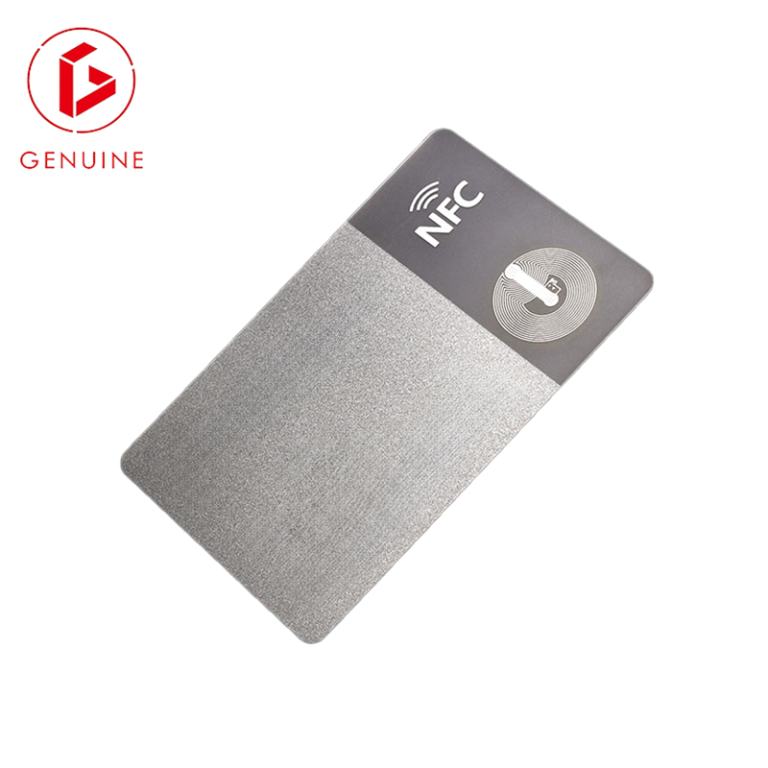
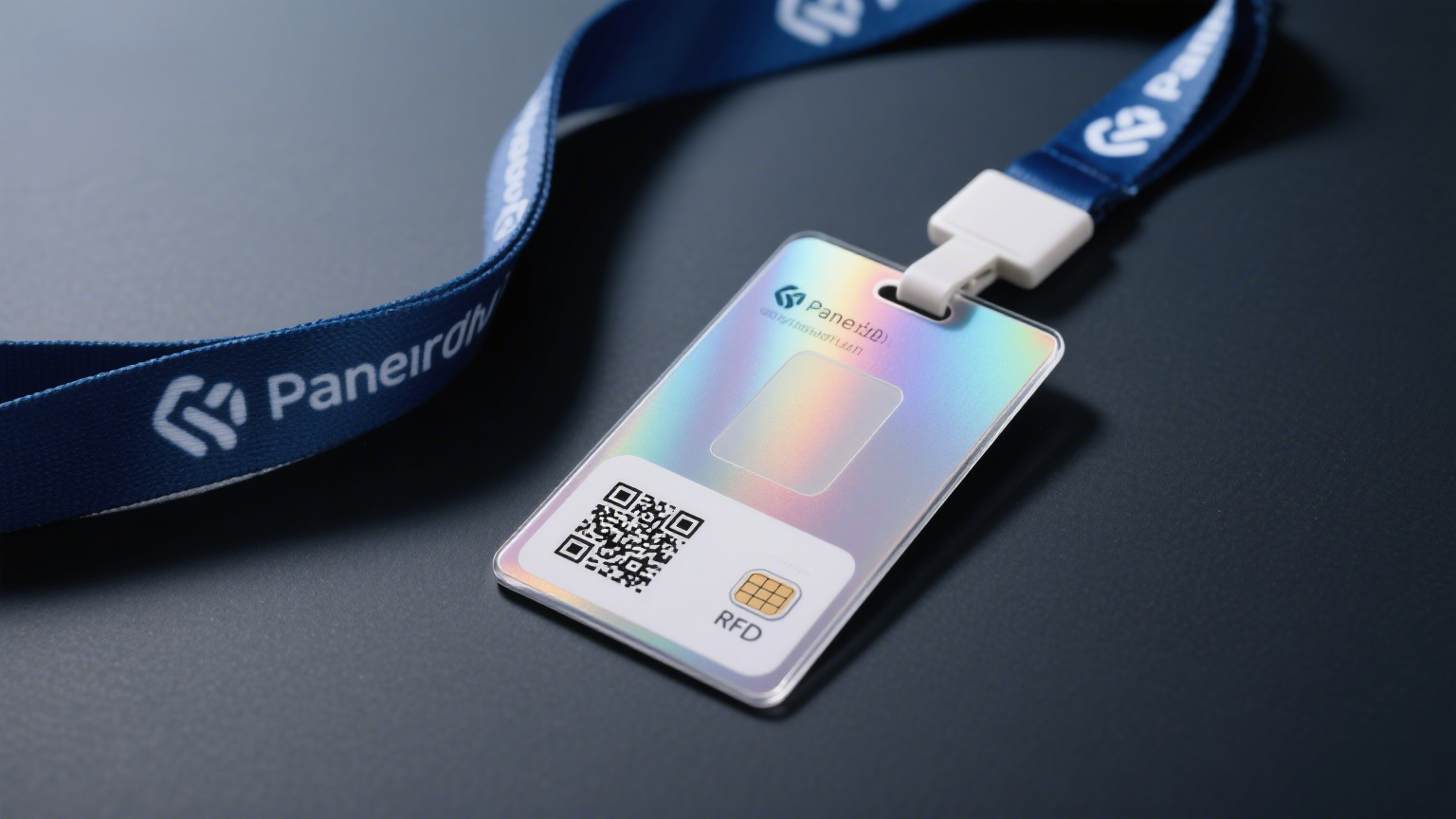
- Embedded technology — Match to your existing readers: RFID (125 kHz HF/NFC), magnetic stripe, barcode, or combinations.
- Holographic overlay or UV print — Adds anti-counterfeiting protection at minimal per-unit cost.
- Lanyard or badge reel option — Consistent branded accessories complete the professional look.
Frequently Asked Questions
How much does a custom ID card program actually cost?
Total program cost depends on three variables: card material (PVC vs. PC composite), embedded technology (barcode-only vs. RFID + mag-stripe), and annual volume. For a 500-employee organization ordering annually with mid-range PVC + RFID, expect $3–$7 per card including printing. Add an initial investment of $500–$2,000 for an ID card printer if you produce in-house, or work with a factory partner for higher volumes at lower unit costs. The ROI typically materializes within 12–18 months through reduced admin time, fewer lost-key replacements, and consolidated access systems.
Can we keep using our existing card readers?
In most cases, yes. Custom ID cards can be encoded to match your current reader technology (frequency, protocol, data format). If you plan to upgrade to newer standards like NFC or DESFire EV2, specify this during design so the card’s embedded chip supports both legacy and future readers—a strategy called “future-proofing.” A qualified manufacturer will audit your existing infrastructure before recommending specifications. For guidance on selecting a manufacturing partner, read our checklist for choosing a reliable ID card manufacturer.
How long do custom ID cards last?
Lifespan is determined primarily by material choice and usage intensity. Standard PVC cards last 12–18 months under daily wear. Composite PVC-PET or PETG cards extend this to 2–3 years. Polycarbonate-based cards—the same material used in national ID cards and driver licenses—can endure 5+ years even with heavy use. Adding a protective overlay (laminate or holographic film) further extends life while adding security features. If your current cards need replacement more than once per year, upgrading material quality alone will likely pay for itself.
What’s the minimum order quantity for custom ID cards?
This varies significantly by supplier. Online print-on-demand services accept orders as low as 10–25 cards but charge premium per-unit rates ($8–$15 each). Factory-direct manufacturers (like Genuine Printing) typically set MOQs at 500–1,000 pieces but offer unit costs 60–80% lower than retail printers plus customization options that print-on-demand cannot match—custom die-cut shapes, embedded electronics, sequential numbering, and holographic overlays. For any ongoing program exceeding 200 cards/year, factory sourcing delivers substantially better TCO.
Next Step: Get a Custom ID Card Sample Pack
The fastest way to evaluate fit, durability, and technology options is to hold actual samples in your hands. Request a complimentary sample pack featuring material swatches, technology demos (RFID, NFC, mag-stripe), and finish options. Compare them side-by-side with your current badges—the difference is immediately visible and tactile.
Ready to upgrade your employee credentials? Contact our team to discuss your requirements, request samples, or get a tailored quote: 👉 Contact Genuine Printing