As a manufacturer with a long history of anti-counterfeiting technology, we face challenges every day. We’ve seen how counterfeit products can damage a brand’s reputation, and we’ve seen how strong anti-counterfeiting measures can protect a company’s future.
I’m writing this article because we firmly believe that proactive protection is far superior to passive damage control. For international procurers and our peers in the B2B sector, understanding and implementing effective supply chain security strategies is paramount. This isn’t just about protecting profits; it’s about maintaining customer trust, adhering to regulations, and building long-term supply chain resilience. And the starting point for all of this is often a seemingly simple yet technologically advanced item—security paper.
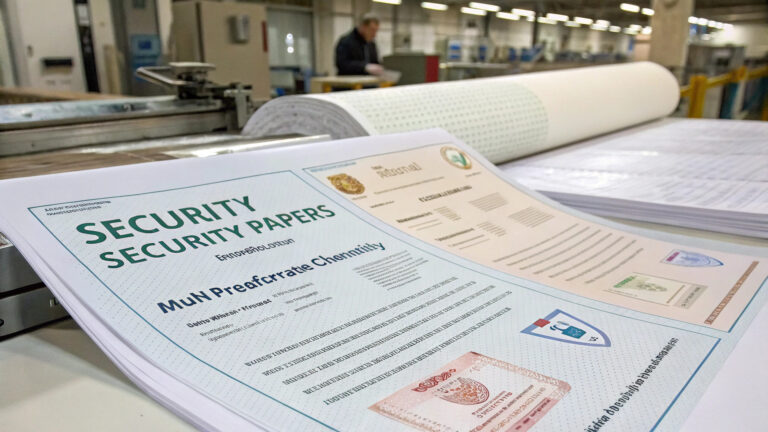
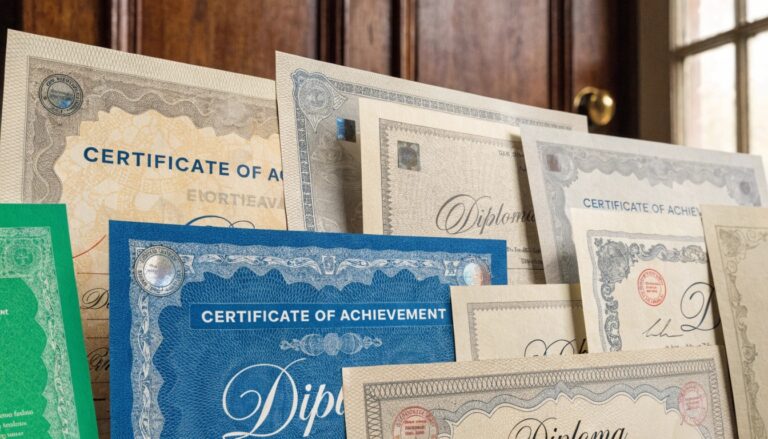
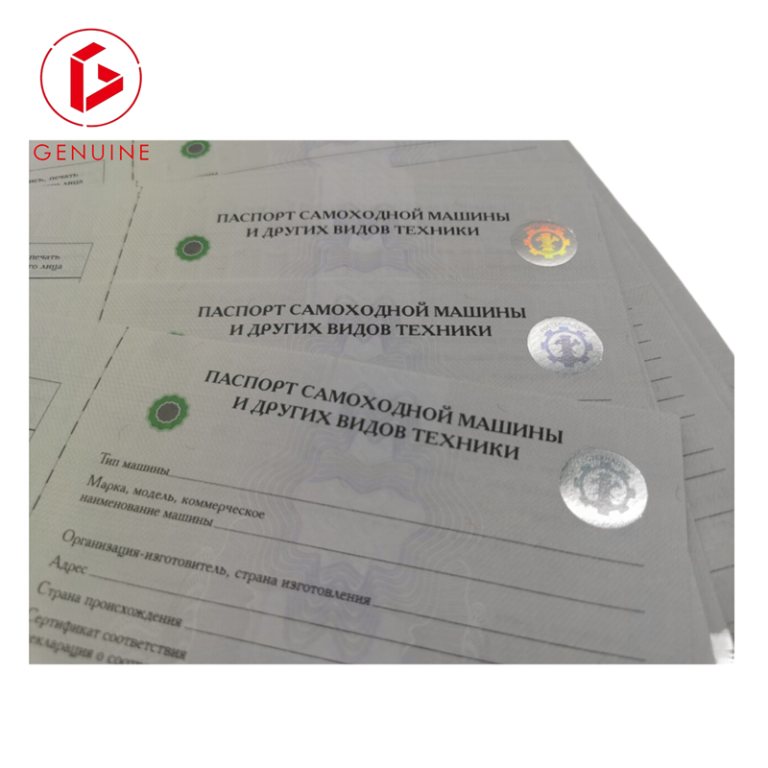
** Security paper provides a critical first line of physical verification for products and documents by integrating multi-layered, difficult-to-replicate physical and chemical security features. It embeds overt, covert, and forensic elements (such as watermarks, security threads, fluorescent fibers, and chemical reactants) directly into the paper substrate, preventing unauthorized duplication and alteration at the source. This not only enhances supply chain security but also effectively mitigates brand and financial risks from counterfeiting, serving as a foundational tool for corporate risk management and compliance assurance. **
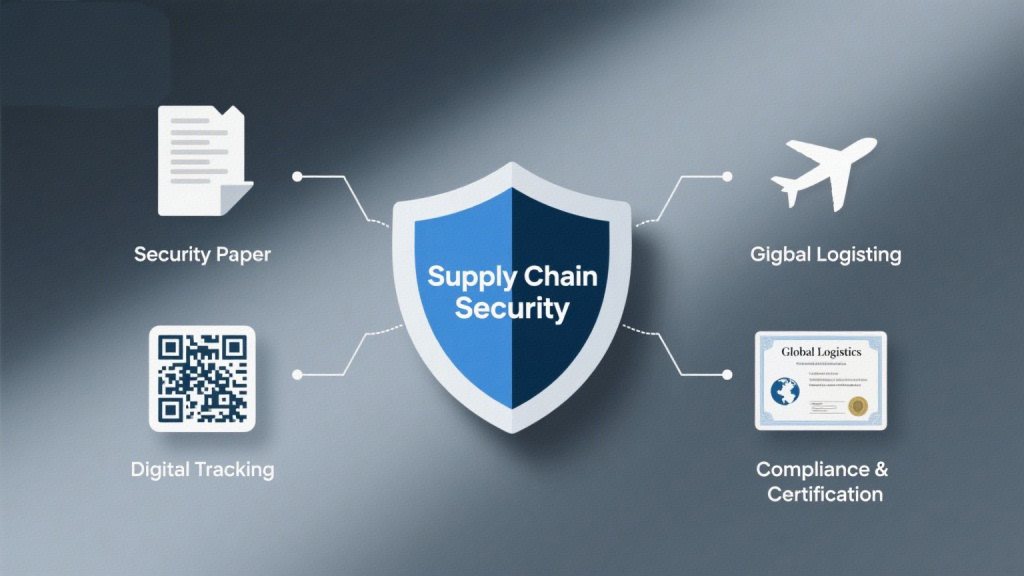
You might ask, “We already have digital track-and-trace systems, why do we still need to invest in the physical layer?” The answer is simple: digital and physical security are not mutually exclusive; they are complementary. A QR code can be copied and applied to a fake package, but what if that package itself is made from inimitable security paper? The defensive line becomes significantly stronger.
The True Cost of Counterfeiting: Far More Than You Think
When businesses calculate losses from counterfeit products, they often focus only on the direct loss of sales. However, this is just the tip of the iceberg. The true Total Cost of Ownership (TCO) is much higher.
- Erosion of Brand Reputation: Once a consumer receives a shoddy counterfeit, the trust they lose is in your brand. This intangible damage is difficult to quantify, but the cost to repair it is enormous.
- Legal and Compliance Risks: In highly regulated industries like pharmaceuticals, tobacco, and alcohol, product compliance is a lifeline. Using materials that cannot guarantee authenticity can lead to massive fines or even the revocation of licenses.
- Supply Chain Disruptions: When fakes are discovered, entire shipments can be seized, leading to severe logistical delays and cost overruns. This directly impacts the stability and predictability of the supply chain.
According to a report by the OECD, the global trade in counterfeit and pirated goods has reached 3.3% of world trade, a staggering figure that reminds us no industry is immune.

Security Paper: More Than Paper, It’s a Technological Barrier
So, how exactly does security paper build this line of defense? It’s not ordinary paper but a platform that integrates multiple anti-counterfeiting technologies. As manufacturers, we can combine different security features like building blocks to meet your specific needs.
- Level 1 Security (Public Recognition): These are features identifiable by the naked eye or simple touch.
- Custom Watermark: Formed during the papermaking process and impossible to replicate with printing. It can be your brand logo or a specific pattern, naturally integrated into the paper fibers.
- Security Thread: Can be fully embedded within the paper or “windowed,” appearing intermittently on the surface. These threads themselves can contain micro-text or color-shifting effects.
- Level 2 Security (Professional Verification): Requires simple tools like a magnifying glass or a UV lamp for verification.
- Fluorescent Fibers/Dots: Invisible in normal light but glow in a specific color under UV light. We can customize the color, length, and density of these fibers.
- Micro-text: Tiny text that requires a magnifying glass to read, with a clarity that standard printers cannot replicate.
- Level 3 Security (Forensic-Level Verification): Detectable only under laboratory conditions with specialized equipment.
- Chemical Reactants: The paper is treated with substances sensitive to specific chemicals (like bleach or solvents). If someone attempts to alter the document, the paper will stain, leaving a permanent mark.
- DNA/Molecular Markers: Unique biological or chemical markers are embedded into the paper pulp, providing the ultimate, court-admissible level of verification.
By combining these features, we create a multi-layered defense system for you. A counterfeiter might be able to mimic one or two features, but to perfectly replicate the entire system, the technical difficulty and cost increase exponentially, thus deterring them.
From “Bulk Purchasing” to “Strategic Partnership”
We understand that for large multinational corporations, the core of bulk purchasing lies in cost-effectiveness and supply stability. However, when it comes to procuring security paper, we advocate for a “strategic partnership” model that transcends the traditional buyer-seller relationship.
We don’t just sell a product; we provide a complete risk management solution. Our team of experts works closely with your supply chain and brand protection teams to:
- Assess Risks: Analyze the most vulnerable links in your supply chain and the primary counterfeit threats.
- Customize Solutions: Design a unique anti-counterfeiting scheme based on your product type, market environment, and budget. For high-end luxury goods, we might recommend a solution that includes DNA tagging; for fast-moving consumer goods, the focus might be on a combination of efficient and easily recognizable Level 1 and 2 features.
- Guarantee Global Supply: We have a global production and logistics network to ensure that no matter where your production bases are, you receive security paper of consistent quality and stable supply. This is crucial for international procurers.
- Support Compliance: Our products and production processes comply with international security printing management systems like ISO 14298:2021, helping you easily meet the compliance requirements of various markets.
Conclusion: Investing in Security is Investing in the Future
Integrating security paper into your supply chain is not an expense; it is a strategic investment. It’s an investment in your brand’s credibility, in your consumers’ trust, and in the long-term stability and growth of your business. In a world full of uncertainty, it provides you with a valuable measure of certainty.
The challenges we face are real, but the solutions are just as accessible. By partnering with a professional security paper manufacturer, you can transform the most vulnerable link in your supply chain into its strongest line of defense.
So, are you ready to review and reinforce your first line of defense?