Quick answer: Cotton (rag) paper remains the dominant substrate for banknotes worldwide because its long natural fibers deliver the durability, tactile feel, and embedded security features—watermarks, security threads, and intaglio relief—that wood-pulp and polymer substrates cannot match at the same cost. Central banks choose it when they need notes that survive years of folding yet stay hard to counterfeit.
Why Central Banks Still Print on Cotton Paper
Currency has traveled a long road—from barter and metal coins to the sophisticated banknotes in your wallet. Europe’s 17th-century shift to linen and cotton paper laid the groundwork for modern money, but the real reason cotton endures is practical: a banknote changes hands hundreds of times a year and must keep its integrity. Cotton substrate is the rare material that is both tough and security-friendly.
Unlike the wood-pulp paper in office printers, cotton rag paper is engineered for a hostile life of folds, damp pockets, and vending-machine scans. That resilience is exactly why reserve banks and security printers keep specifying it. To see how money reached this point, read our guide to the history of paper money.

What Exactly Is Cotton (Rag) Paper?
How Rag Fibers Beat Wood Pulp
Cotton paper—often called rag paper—is made from cotton linters and textile rags rather than crushed trees. The difference is in the fiber. Cotton fibers are long, flexible, and naturally bonded, which creates a sheet that resists tearing, moisture, and abrasion far better than short-fiber wood pulp. For a document expected to last five to ten years in circulation, that matters more than almost any other property.
The Tactile Signature of a Genuine Note
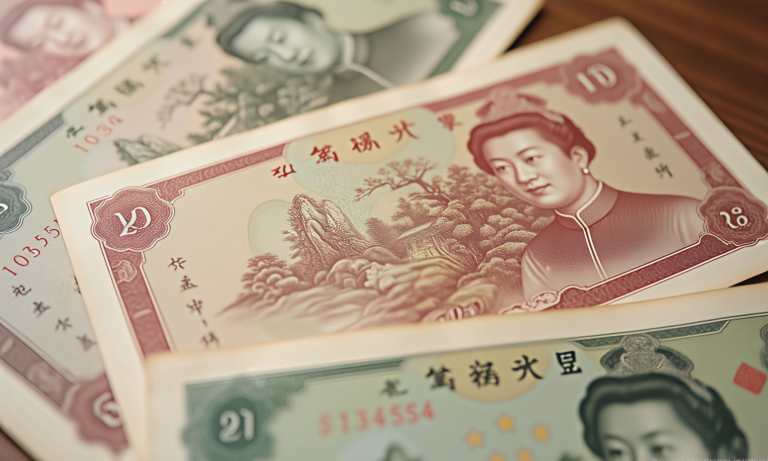
Run a cotton banknote between your fingers and you feel a crisp, slightly raised texture that machines—and people—learn to trust. That tactile “hand” is hard to fake and gives cashiers and citizens a first line of defense against counterfeits. Combined with sharp ink retention, cotton substrate keeps intricate guilloché designs and micro-text legible through years of use.
Security Features Built Into the Substrate
Watermarks, Threads, and Intaglio
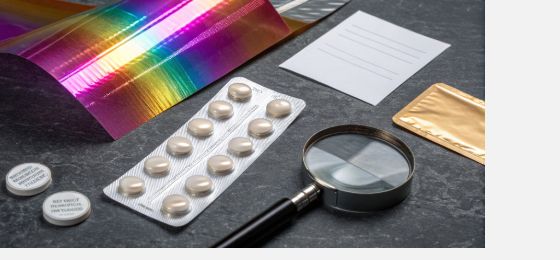
Some of the strongest anti-counterfeiting elements are not printed on top of the paper—they are built into it. Watermarks are formed during sheet making; security threads are embedded as the pulp is laid down; and intaglio printing leaves a raised, tactile relief that photocopiers cannot reproduce. These substrate-level features are why cotton remains central to modern anti-counterfeiting technologies.
UV-Reactive and Color-Shifting Inks
Cotton’s stable surface also carries specialized inks: UV-reactive marks visible only under black light, and optically variable inks that shift color as the note tilts. Because the substrate absorbs and holds these inks cleanly, the security effects stay vivid for the life of the note.
Cotton Paper vs. Polymer Banknotes
Polymer notes have won ground in several countries for their waterproof lifespan, but cotton still leads on cost, feel, and recyclability. The table below summarizes the trade-offs buyers should weigh.
| Feature | Cotton Paper | Polymer |
|---|---|---|
| Durability | Resists tearing, folds easily | Waterproof, longer lifespan |
| Security | Embedded threads, watermarks | Transparent windows, holograms |
| Environmental | Biodegradable | Non-recyclable plastic |
| Cost | Lower production cost | Higher initial investment |
Durability and Handling
Polymer resists water and lasts longer in dirty, humid environments. Cotton folds more naturally and survives the mechanical handling of legacy ATM and sorting equipment without retrofit. For issuers with established cotton lines, switching substrate is a multi-year, capital-intensive project.
Cost and Sustainability Trade-offs
Cotton’s lower unit cost and biodegradable profile appeal to issuers with sustainability mandates, while polymer’s longer life can reduce reprint volume. The right choice depends on circulation conditions, equipment, and national environmental policy.
A Buyer’s Checklist for Sourcing Secure Banknote Paper
Procurement teams should treat substrate as a security purchase, not a commodity. Before signing, verify fiber content and origin, request third-party durability and fold-endurance test reports, confirm embedded security features (watermark, thread, UV), and audit the printer’s chain of custody. Our 2025 anti-counterfeit paper procurement guide breaks down compliance and cost-optimization steps for global buyers, and a dedicated security paper procurement checklist maps the supplier questions that matter most.
- Fiber specification: confirm the minimum cotton/linen rag percentage.
- Security integration: watermark, thread, and intaglio must be specified up front.
- Test data: demand fold, tear, and abrasion lab results.
- Certifications: align with national standards and sustainability goals.
Frequently Asked Questions
Is cotton paper still used in modern banknotes?
Yes. The majority of banknotes in circulation worldwide are still printed on cotton or cotton-linen rag paper. Polymer has grown in market share, but cotton remains the default for many central banks because of its lower cost, familiar handling, and embedded security features.
Why is cotton paper harder to counterfeit than regular paper?
Cotton rag paper is manufactured on specialized security lines and carries built-in features—watermarks, embedded threads, and intaglio relief—that cannot be added after printing. Regular wood-pulp paper lacks these structures and the tactile quality that helps the public spot fakes.
How does cotton paper compare to polymer for banknotes?
Cotton is cheaper to produce, biodegradable, and works with existing equipment, but it is less waterproof and has a shorter lifespan than polymer. Polymer lasts longer in harsh conditions and enables window and hologram features, at a higher upfront cost. The choice is issuer-specific.
What should buyers verify when procuring banknote substrate?
Buyers should verify fiber content, request durability test reports, confirm embedded security features, and audit supplier chain-of-custody and certifications. Treating substrate as a security purchase—rather than a commodity—is the single most important safeguard.
Planning a secure banknote or certificate program? Contact our security-printing team to discuss cotton substrate specifications, embedded features, and compliant procurement for your issue.