When you hold a banknote up to the light, that thin strip running from top to bottom is one of the oldest and most reliable anti-counterfeit features ever devised: the security thread. For procurement, brand, and security teams, it is also one of the cheapest ways to make a document or product genuinely hard to fake. This guide explains what a security thread is, how it protects your assets, the main types available, and exactly how to brief a supplier so you get a thread that actually performs.
What Exactly Is a Security Thread?
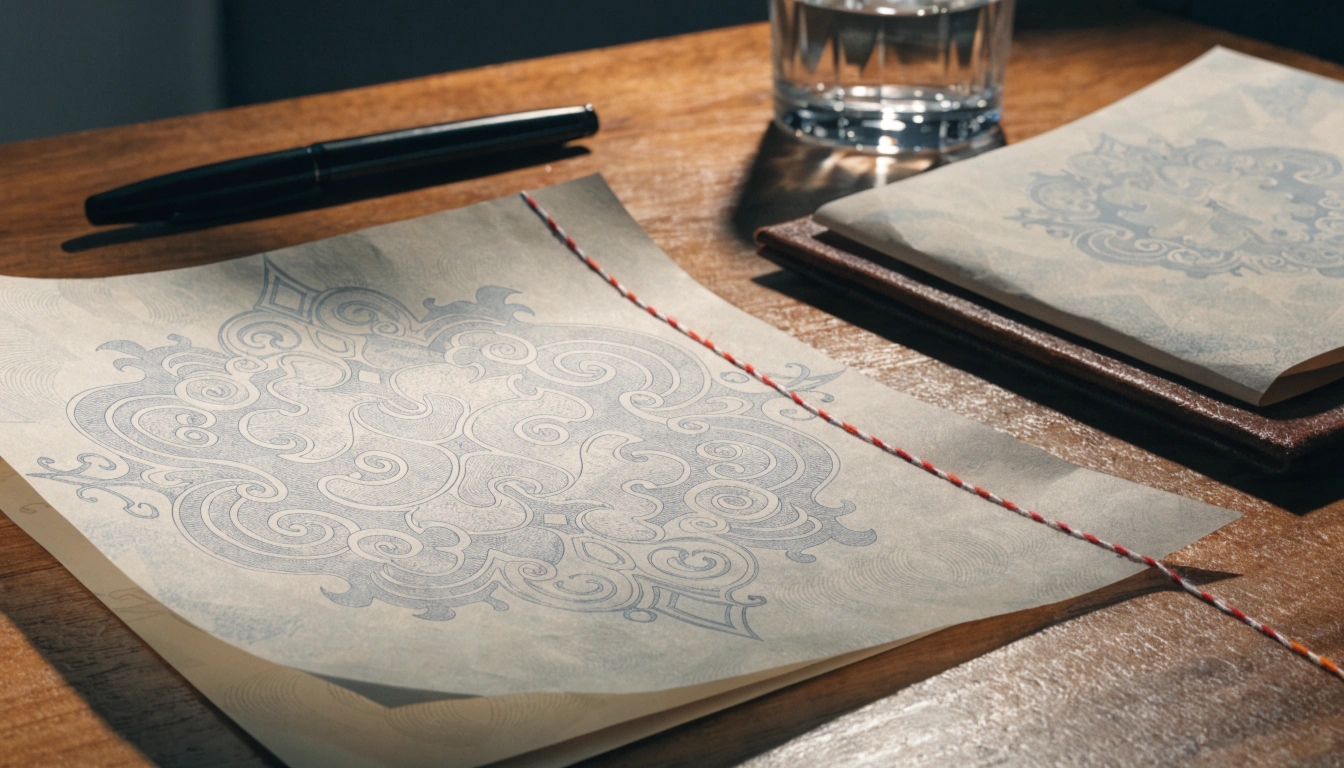
A security thread is a thin strip of material — usually polymer, metal, or foil — that is embedded inside the paper or substrate during manufacturing, not printed on the surface. Because it sits within the fibers, it cannot be scraped off, peeled away, or copied with a commodity printer. Hold the sheet to the light and the thread appears as a continuous line; tilt it and many modern threads shift color or reveal microtext and holograms.
The point that matters most for buyers: the thread is a structural security feature. Its presence, position, and behavior are fixed at the papermaking stage, so it has to be specified up front — you cannot realistically add it later. That is why it is built into cotton paper used in currency printing and 75% cotton 25% linen paper with an embedded security thread from the start.
How a Security Thread Protects Your Documents
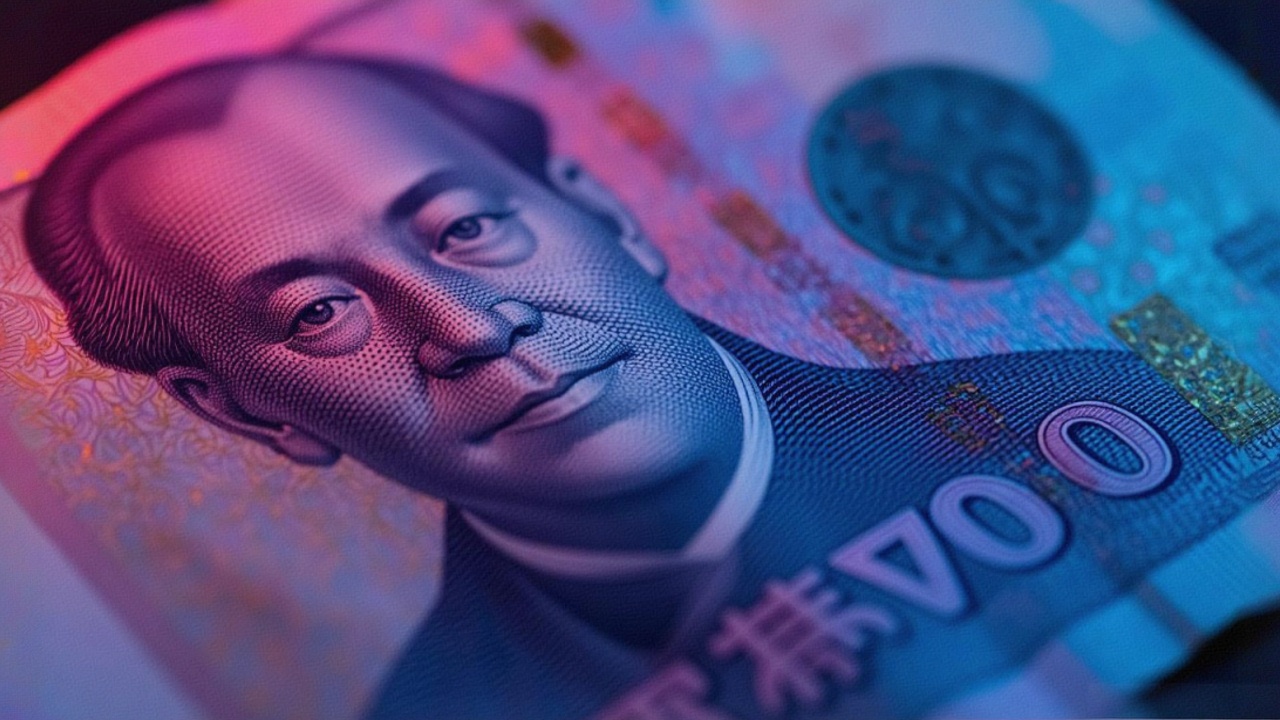
Counterfeiters work with standard printers and scanners. A thread defeats them on three levels:
- Overt (visible): a bright line you can see against the light, often carrying text or a logo — instant authentication for any clerk or citizen.
- Covert (UV / machine-readable): threads that glow under ultraviolet light or respond to a reader, so inspectors confirm authenticity in seconds without special training.
- Forensic: unique serialization or material signatures that survive even sophisticated attacks.
According to INTERPOL, counterfeiting and product fraud are routed through legitimate supply chains at a multi-billion-dollar scale (INTERPOL — Counterfeiting). A thread does not eliminate fraud, but it raises the cost of faking your document high enough that most attackers move on — the same economic logic central banks document for banknote design (see the U.S. Bureau of Engraving and Printing’s security features guide).
The Main Types of Security Threads
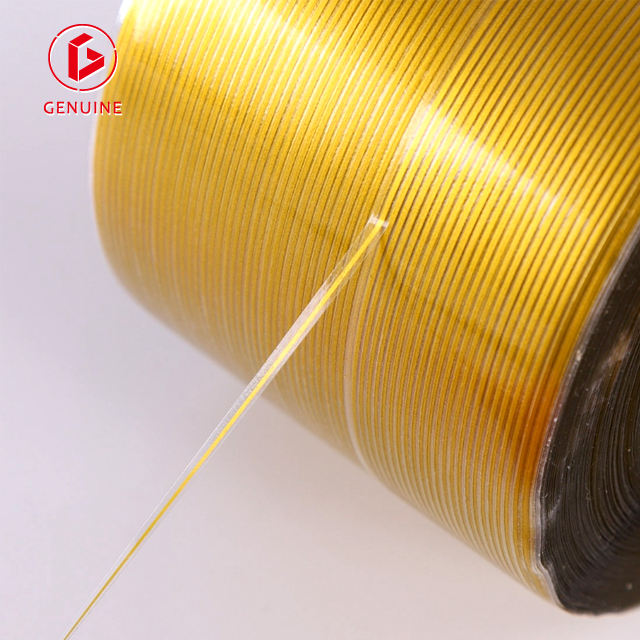
When you brief a supplier, these are the variants you can specify:
- Windowed (partially embedded): appears and disappears along the surface — the classic “dashed” look on many banknotes.
- Fully embedded: a continuous line through the sheet, visible only against light.
- Demetallized: a metal thread with the coating removed in a pattern to spell text or show a logo.
- Color-shifting / optically variable: changes hue as the viewing angle changes — very hard to reproduce.
- Holographic: carries a 3D image visible under light (see our guide to holographic overlays).
- UV / fluorescent and microprinted: invisible in daylight yet glow under UV, or carry text legible only under magnification.
Where Security Threads Are Used
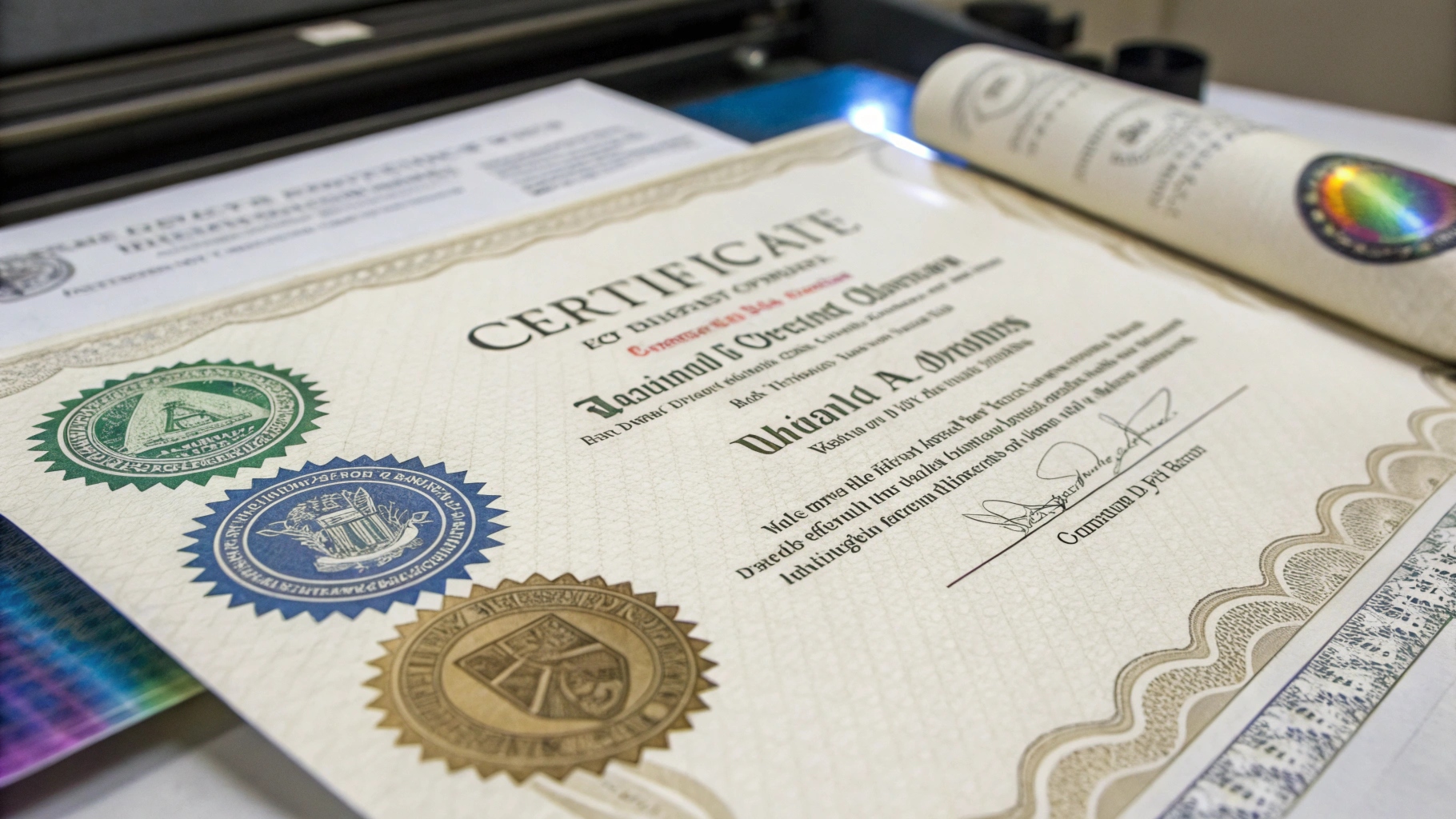
Threads are not only for cash. The same principle protects any document whose value depends on being trusted:
- Banknotes and currency paper — the original and still the largest application.
- Certificates and diplomas — birth, marriage, academic, and share certificates where trust is the product (customizing certificate paper).
- Tax stamps and excise bands — protecting government revenue.
- Brand-protection labels — thread-equipped security paper for warranty cards and spare parts.
- ID documents and visas — often combined with chips and holograms.
How to Specify a Security Thread in Your RFQ
To get a thread that performs, your RFQ should state:
- Substrate — cotton/linen, woodfree, or polymer, and its weight.
- Thread width and position — e.g., 1 mm, one-third from the left edge.
- Feature set — windowed vs. embedded; demetallized text; color-shift; UV glow.
- Compliance — reference the relevant process standard such as ISO 14298 for security printing (ISO 14298).
- Verification method — what your inspectors will use (UV lamp, reader, visual).
Ambiguous specs are the number-one cause of “it looked right but failed inspection” rejects. A short, precise spec sheet saves more money than a long price negotiation.
How to Choose a Supplier That Delivers
A thread is only as good as the mill that embeds it. Vet suppliers on:
- Security accreditation — documented chain-of-custody and process controls (ISO 14298).
- Sampling — they send a physical swatch you can test under UV and light before committing.
- Capacity and lead time — can they hold your spec across repeat orders?
- Auditability — willingness to host a factory audit or share production records.
Request samples early. The cost of a pilot run is trivial next to a recalled certificate batch or a counterfeit incident.
Frequently Asked Questions
Can a security thread be added after the paper is made?
No. Embedding happens on the paper machine; a surface-printed line is a different, far weaker feature. Specify it at the substrate stage.
Are security threads visible without special equipment?
The overt portion is — that is the point. Covert and forensic layers need UV light or a reader, which is what lets trained inspectors confirm authenticity quickly.
Do security threads work on polymer substrates?
Yes. Polymer banknotes use embedded or windowed features too; the mechanics differ, but the principle — a structural, hard-to-replicate element — is the same.
How much do they add to document cost?
Typically a small fraction of total substrate cost, especially at volume. The bigger saving is avoided loss from counterfeiting and rejected batches.
Next Steps
Choosing the right thread is a specification problem, not a guessing game. If you are specifying security paper for banknotes, certificates, or brand-protection documents, our team can help you match thread type, width, and covert features to your risk profile — and ship physical samples so you can verify before you buy. Contact our security-printing team to start an RFQ, or review our guides on cotton paper for currency and linen paper with an embedded thread.