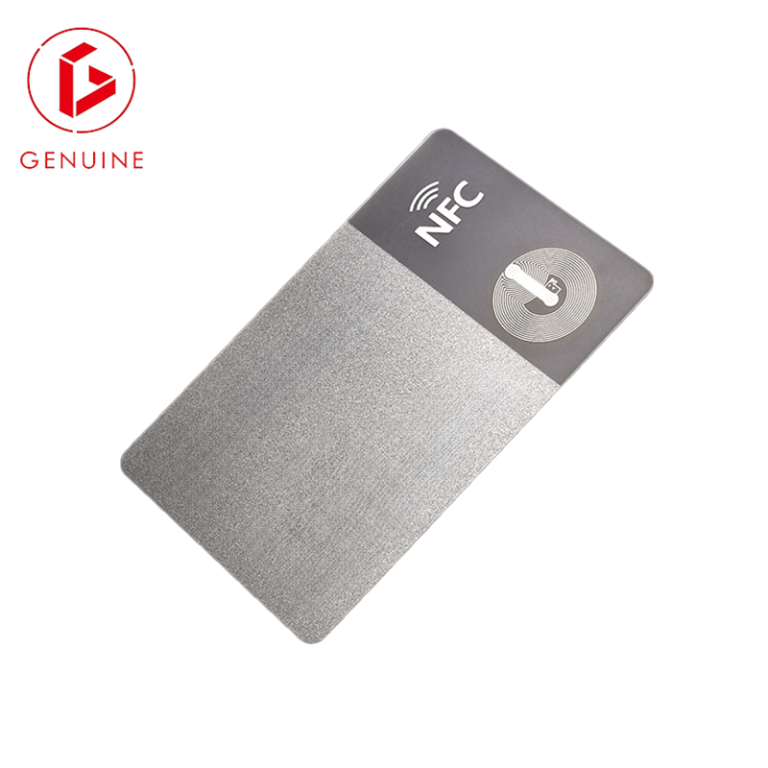
B2B integrators specifying access cards, transit tickets, NFC loyalty tags, or inventory labels often hit the same wall: the chip inside the card matters more than the plastic around it. Pick the wrong silicon and you end up with read failures at turnstiles, phones that cannot tap the tag, or a supply-chain pilot that never scales. NXP’s three HF families—MIFARE, NTAG, and ICODE—cover most of the 13.56 MHz use cases, but each is tuned for different jobs. This guide compares them from a B2B buyer’s perspective: memory, security, read range, and where each family actually wins.
The three chip families, demystified
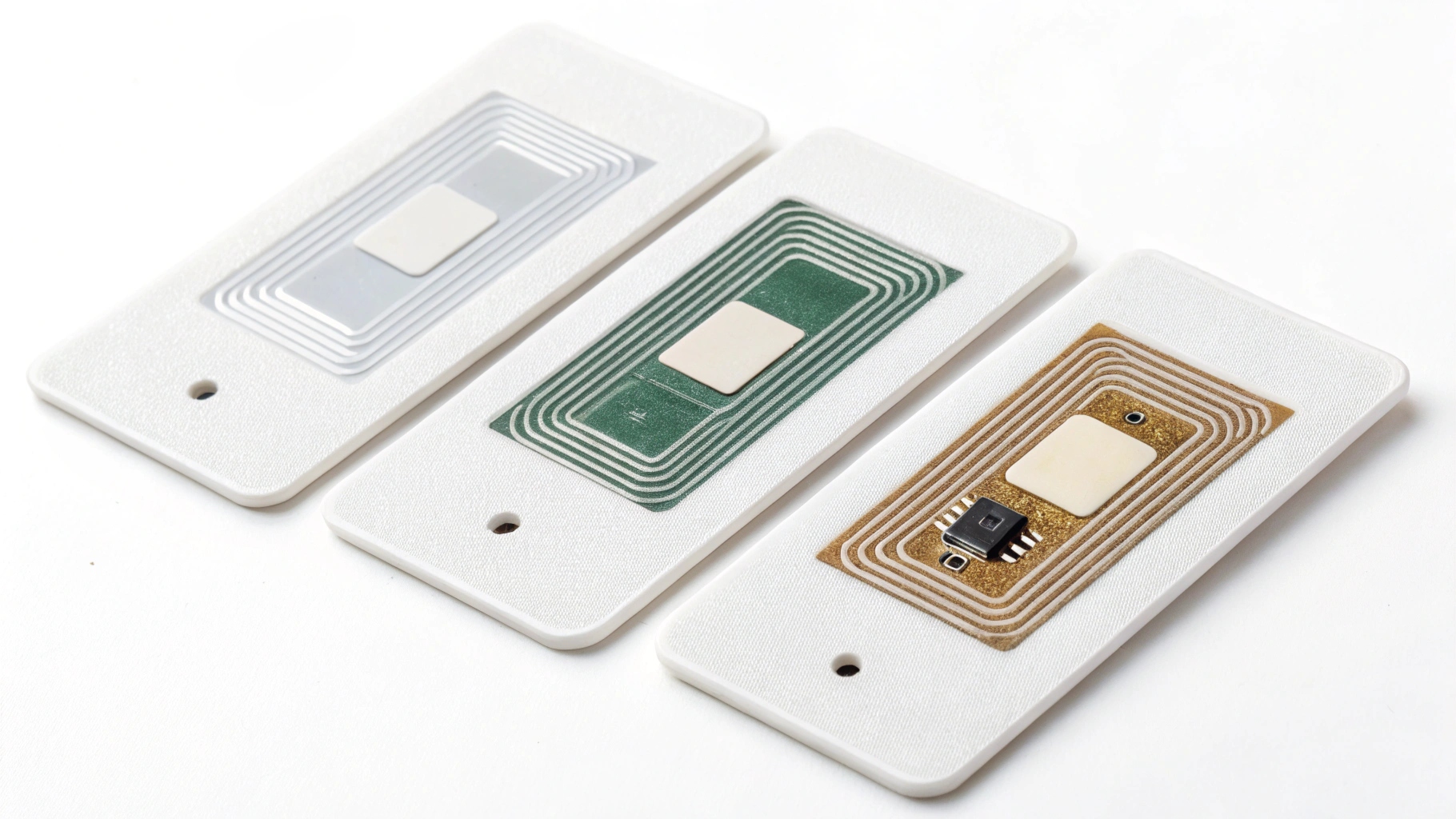
All three families operate at 13.56 MHz, but they are not interchangeable. MIFARE and NTAG both follow ISO/IEC 14443 Type A, while ICODE follows ISO/IEC 15693. That single protocol difference changes the read range, anti-collision behavior, and the kind of reader you need. Think of MIFARE as the secure multi-application family, NTAG as the consumer NFC bridge, and ICODE as the long-range item-tracking family. Our LF vs HF vs UHF guide explains why 13.56 MHz is the right neighborhood for these three, but the chip family is what determines whether your project succeeds on the first reader test.
MIFARE: the access-control and transit workhorse
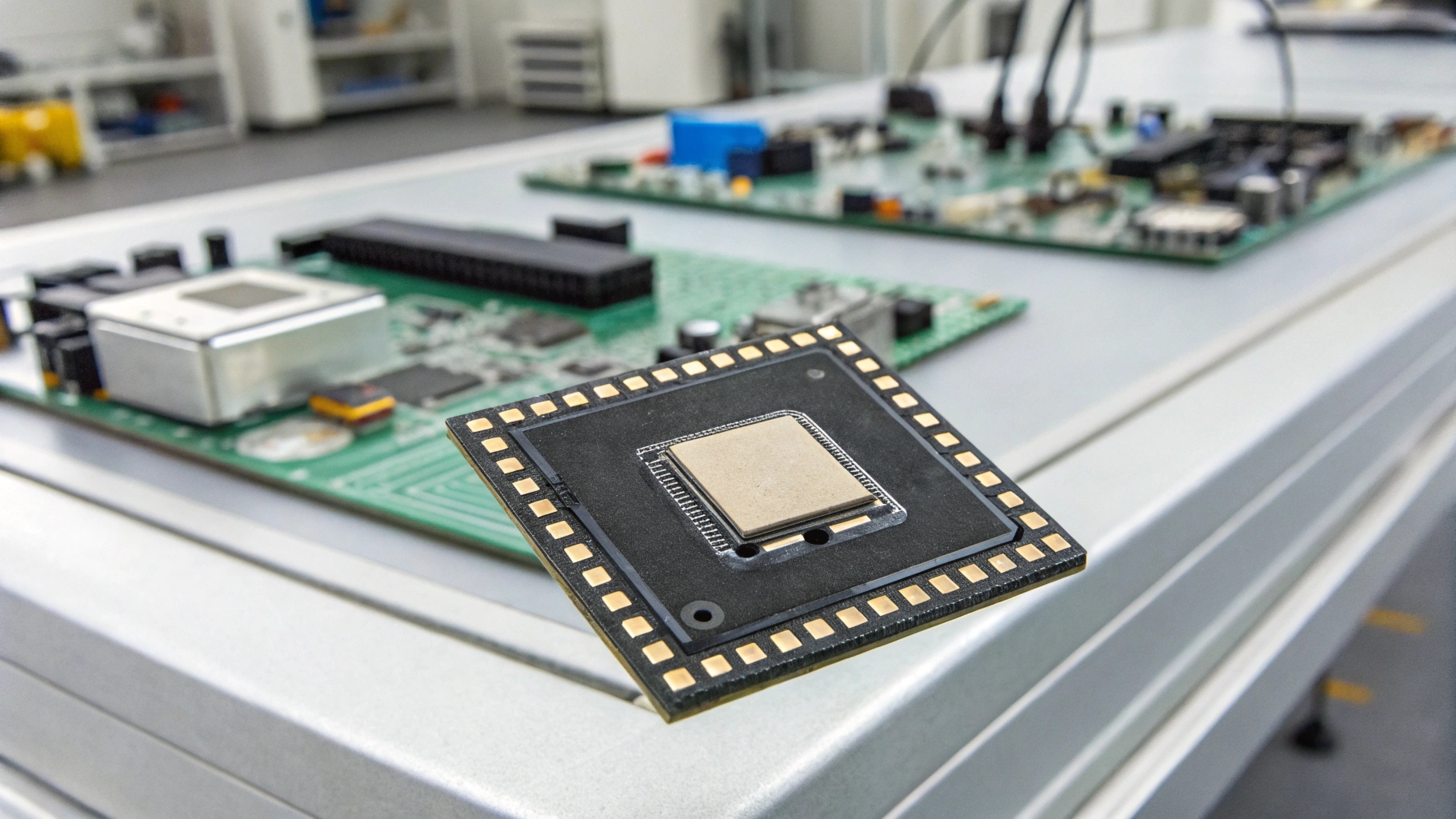
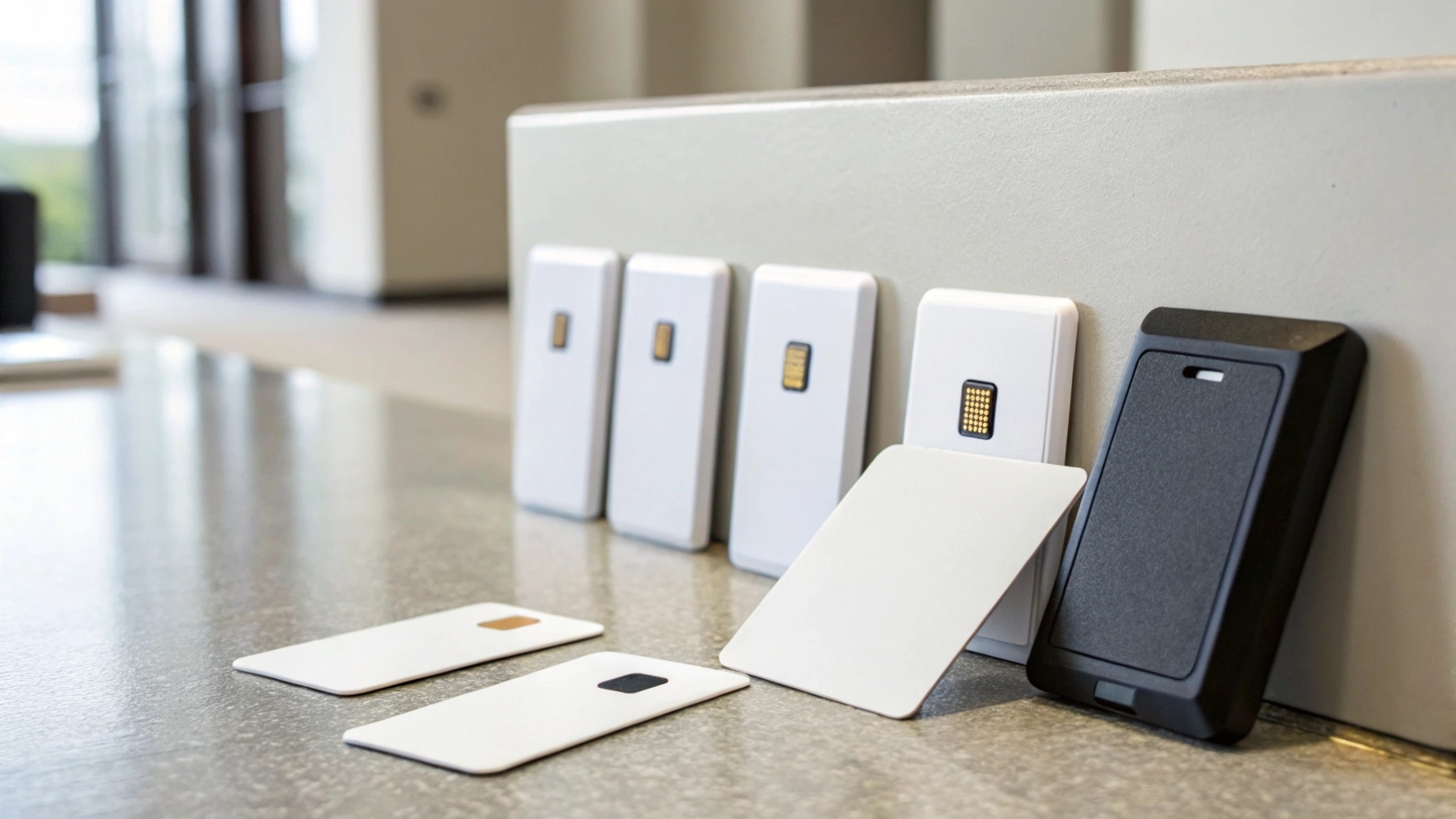
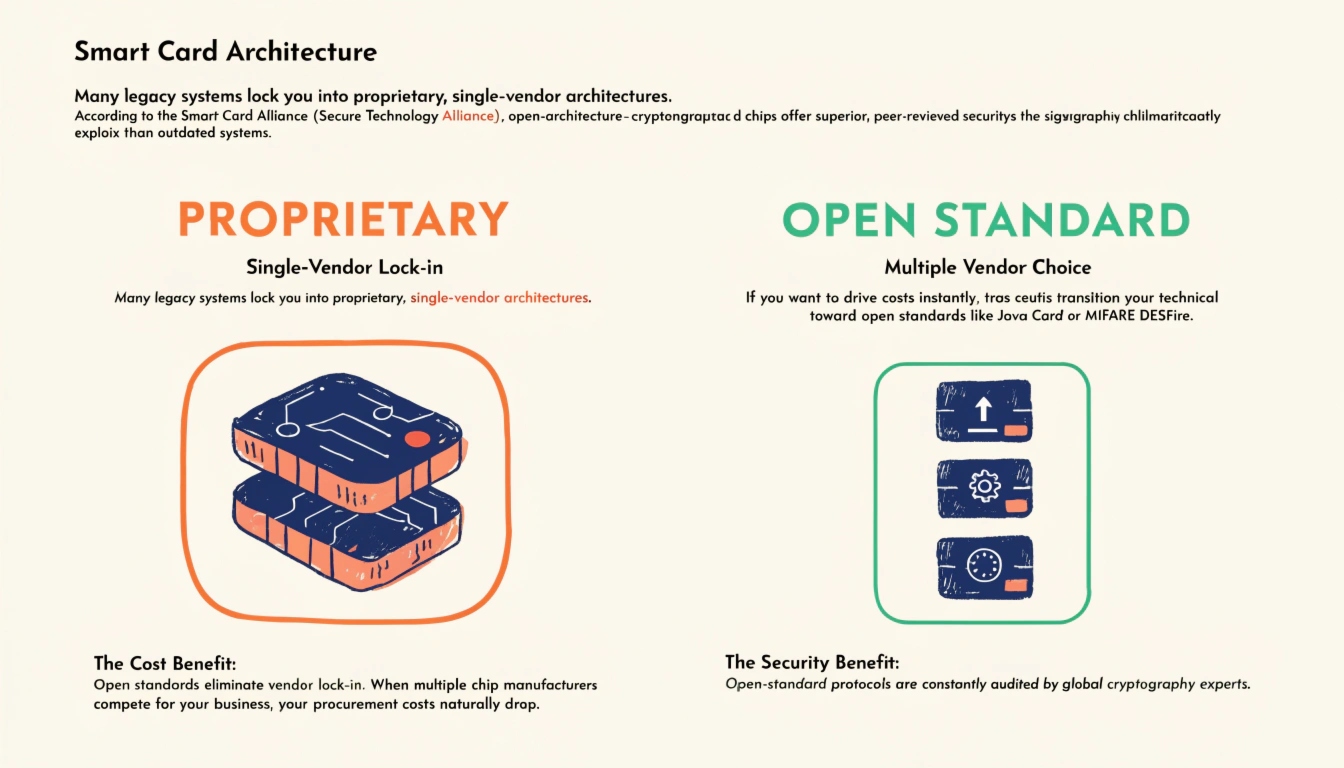
MIFARE is the oldest and most deployed of the three. The family spans MIFARE Classic, MIFARE Plus, and MIFARE DESFire, with DESFire EV3 being the current flagship for high-security projects. It is the family you choose when the reader is controlled by you or your customer, and the card must carry more than a simple identifier.
- Standard: ISO/IEC 14443 Type A.
- Memory: DESFire EV3 scales up to 8 KB, split into applications and files.
- Security: DESFire supports AES and 3DES, with Common Criteria evaluations published for payment and government use cases. Important: MIFARE Classic has known cryptographic weaknesses and should not be specified for new security-sensitive programs. Only use Classic if you are maintaining a legacy install.
- Best for: access control, transit, student/employee IDs, closed-loop payment where the reader is controlled.
If you are evaluating readers alongside cards, verify the reader firmware supports the exact MIFARE variant you plan to deploy. DESFire commands are not backward-compatible with Classic, and a reader that claims “13.56 MHz support” does not automatically mean “DESFire EV3 support.”
NTAG: the NFC bridge to every smartphone
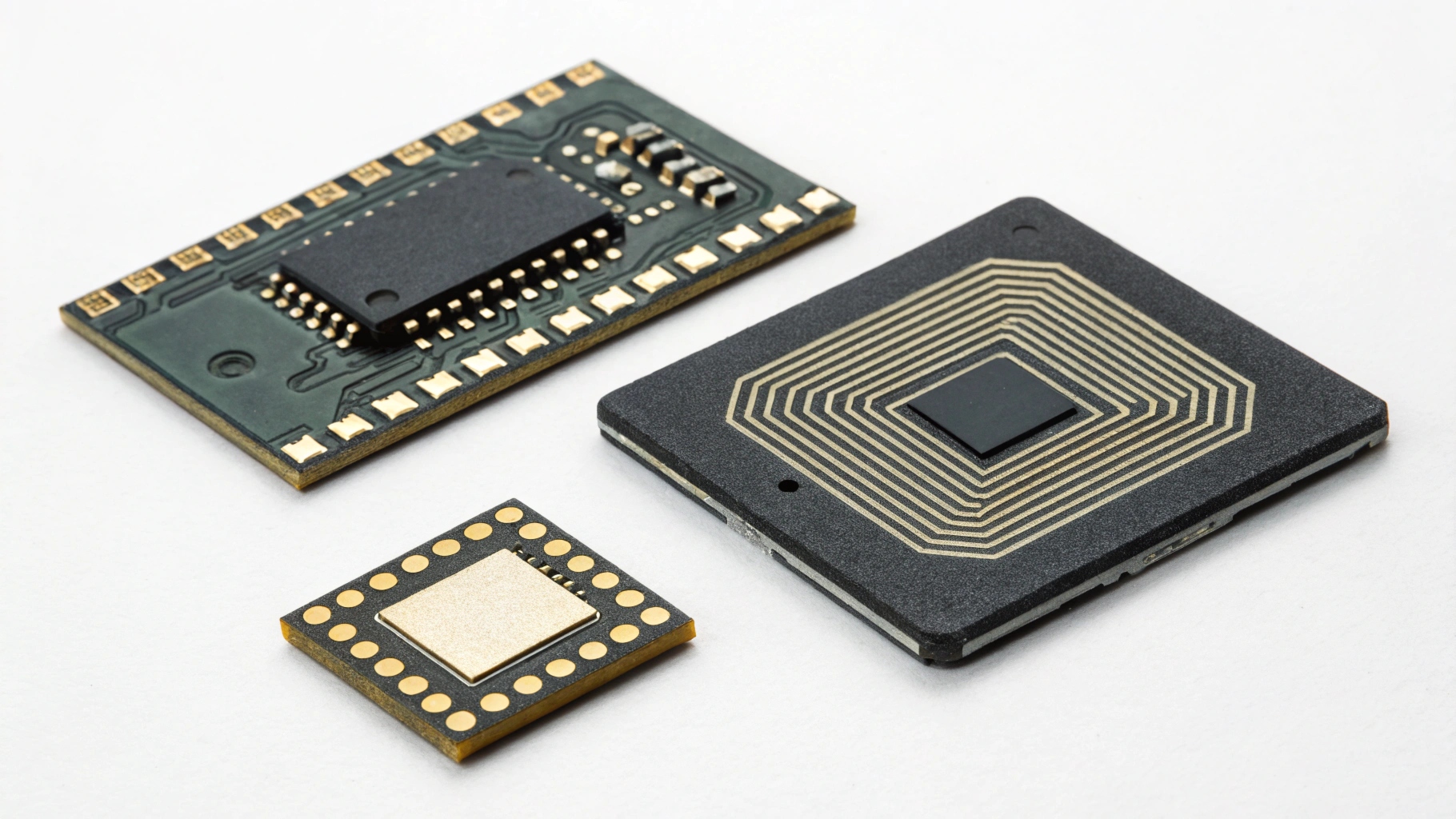
NTAG turns a card or sticker into a consumer touchpoint. It is the chip family you choose when the end user is expected to tap with an iPhone or Android phone. Because it is compatible with the NFC Forum Type 2 specification, phones read it natively without installing a special app.
- Standard: ISO/IEC 14443 Type A, NFC Forum Type 2 (and Type 4 for larger NTAGs).
- Memory: NTAG 213 (144 bytes), NTAG 215 (504 bytes), and NTAG 216 (888 bytes) are the most common sizes. Choose the part number by how much data the tag must carry.
- Security: basic password protection and permanent lock are available, but NTAG is not a secure element. Do not use it as the primary credential for building access or financial payment unless it is only carrying a public URL or token.
- Best for: product authentication, marketing campaigns, WiFi/Bluetooth pairing, loyalty check-ins, and event passes.
The value of NTAG is not raw security; it is frictionless interaction with a device the user already owns. For B2B buyers, that means lower support overhead and faster rollout, but it also means accepting the security limits of a consumer-facing NFC tag.
ICODE: ISO 15693 reach for item-level tracking
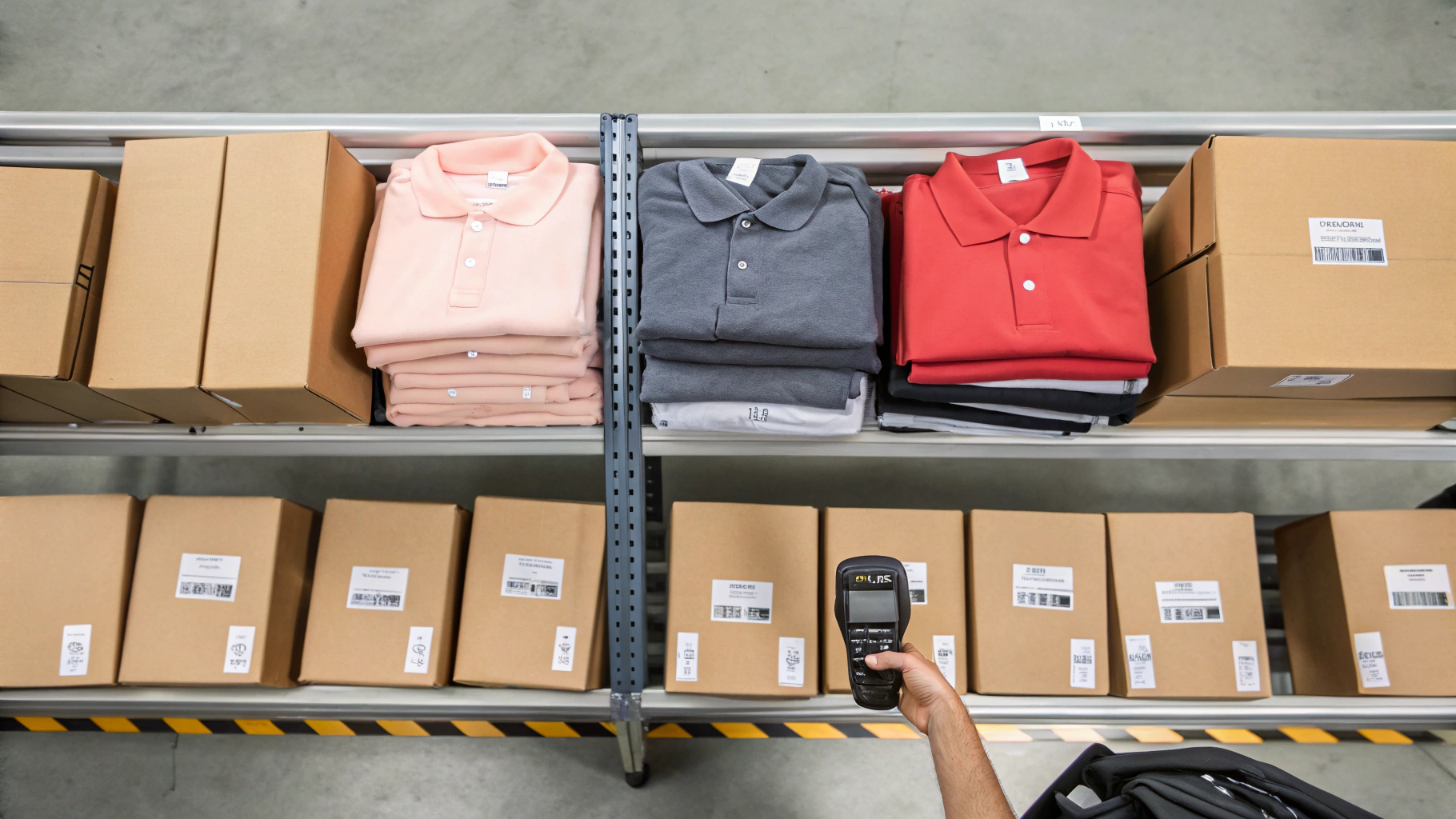
ICODE is the odd one out. It uses ISO/IEC 15693 rather than ISO/IEC 14443, which gives it a longer read range and better anti-collision performance for bulk scanning. The ICODE family includes SLIX, SLIX 2, and ILT variants, each optimized for different memory and range requirements.
- Standard: ISO/IEC 15693.
- Range: typically 30 cm to 1.5 m, depending on reader power and antenna size. That is far beyond what MIFARE or NTAG can offer from a phone.
- Memory: variants range from a few hundred bytes up to roughly 2 KB; choose based on whether you need only an identifier or extra application data.
- Best for: library self-checkout, industrial laundry, apparel item-level tagging, pharma tray tracking, and supply-case counting.
ICODE readers are usually fixed gates or handheld industrial units, not consumer phones. If your workflow relies on staff or customers tapping with a phone, ICODE is the wrong choice.
Memory, security, and read range: a side-by-side view
The table below summarizes the practical differences B2B buyers care about. Treat the read-range numbers as typical; your actual range depends on antenna design, inlay quality, reader power, and environmental interference.
| Feature | MIFARE (DESFire EV3) | NTAG 216 | ICODE (SLIX 2 family) |
|---|---|---|---|
| Standard | ISO/IEC 14443 Type A | ISO/IEC 14443 Type A / NFC Type 2 | ISO/IEC 15693 |
| Typical read range | Up to ~10 cm | Up to ~10 cm | ~30 cm to 1.5 m |
| User memory | Up to 8 KB | 888 bytes | Up to ~2 KB |
| Crypto | AES, 3DES, Common Criteria options | Password / lock only | Password / EAS / privacy mode |
| Primary use | Access, transit, payment, IDs | Consumer tap, URLs, pairing | Inventory, library, apparel |
| Phone-readable? | Reader-controlled, not native | Yes, native NFC | No, specialized reader |
If you are still unsure which column fits your project, our chip selection guide walks through the decision criteria in more detail, including antenna form factor and key-management requirements.
Security and compatibility: what integrators must verify
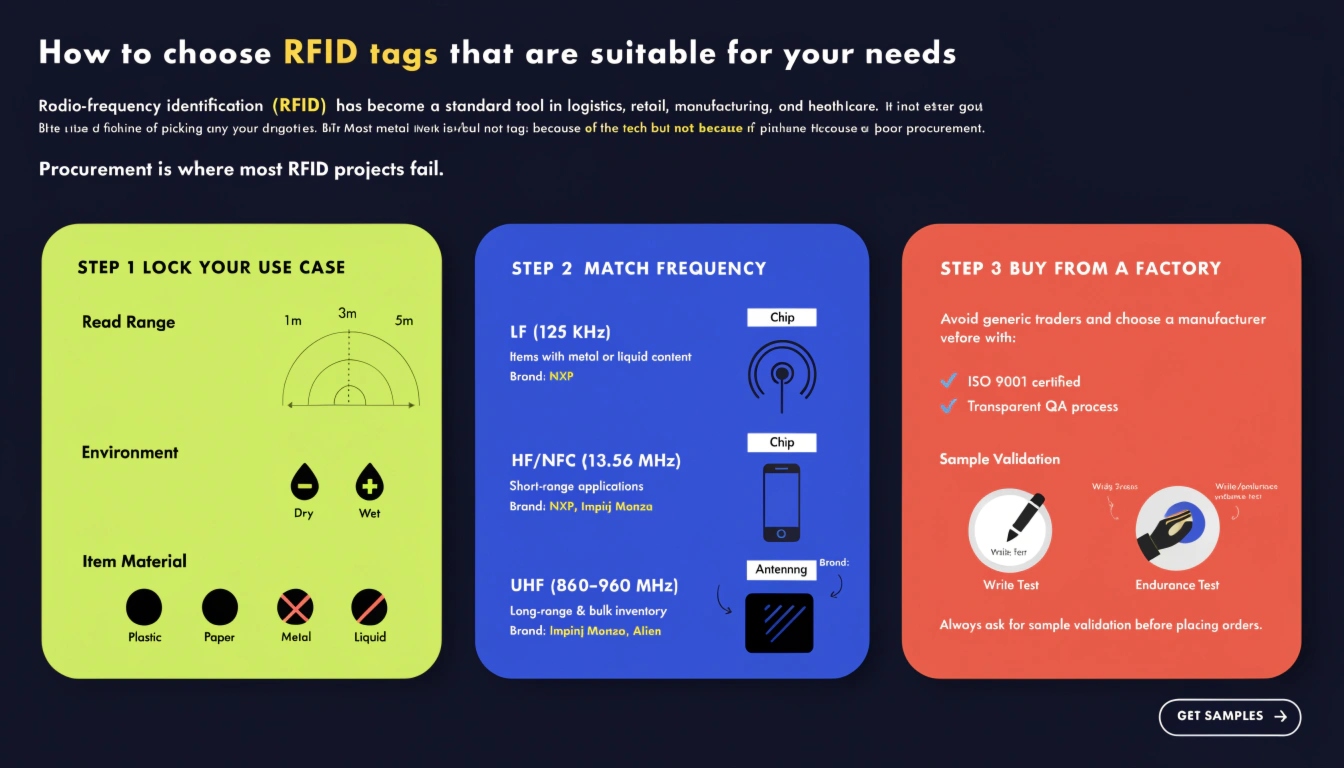
Chip selection is only half the battle. The other half is making the card work in your environment on day one. These four checks prevent the most common integration failures we see.
- Reader firmware: not every 13.56 MHz reader supports all three families. Verify the command set (ISO 14443 vs ISO 15693) and whether the reader supports the specific variant, such as DESFire EV3 or ICODE SLIX 2.
- Key management: for MIFARE DESFire and Plus, plan how keys are diversified and injected. A card supplier can pre-personalize cards, but your system must handle key distribution.
- Antenna tuning: cards, tags, and fobs use different antenna sizes. A chip that works perfectly in a credit-card-sized inlay may fail in a small key fob or wristband. Always test in the final form factor.
- Legacy migration: if you are replacing MIFARE Classic, specify a backward-compatible migration path (often MIFARE Plus in Classic compatibility mode) rather than a hard cut-over that bricks every old reader.
Personalization is where theory meets production. Our smart card manufacturing overview shows how chips are mounted, tested, and encoded before shipment.
Common mistakes when specifying RFID silicon
We see the same specification errors across projects. Avoid these five and you will save a reorder cycle:
- Specifying MIFARE Classic for a new security project. It is a legacy product; new deployments should use DESFire or Plus.
- Using NTAG as a building-access badge without backend authentication. NTAG alone is not tamper-proof.
- Buying ISO 14443 readers and expecting them to read ICODE tags. They will not; ICODE needs ISO 15693 readers.
- Ignoring antenna and form-factor matching. A wristband or key fob needs different tuning than a standard card.
- Treating consumer NFC specs as industrial specs. Phone-readable range and industrial reader range are not the same.
Fix these at specification stage and you avoid the costly loop of replacing cards or readers after deployment. If timing and procurement are also concerns, our RFID MOQ and lead-time guide covers how volume and chip availability affect delivery.
Get the right silicon for your card or tag
Start with the workflow, not the datasheet. If the user taps a phone, lean toward NTAG. If the system controls a secure door or turnstile, MIFARE DESFire is the safer bet. If you need to scan dozens of items at once from a short distance, ICODE is built for that job. The wrong choice is rarely the chip itself; it is a chip-family decision made without considering the reader, antenna, and security model together.
The best way to de-risk the decision is to test real cards in your actual readers and environment. GENUINE supplies sample packs with MIFARE, NTAG, and ICODE cards matched to your antenna and form-factor requirements, plus chip-selection engineering support. Request samples before you commit to volume and avoid the cost of swapping silicon after deployment.