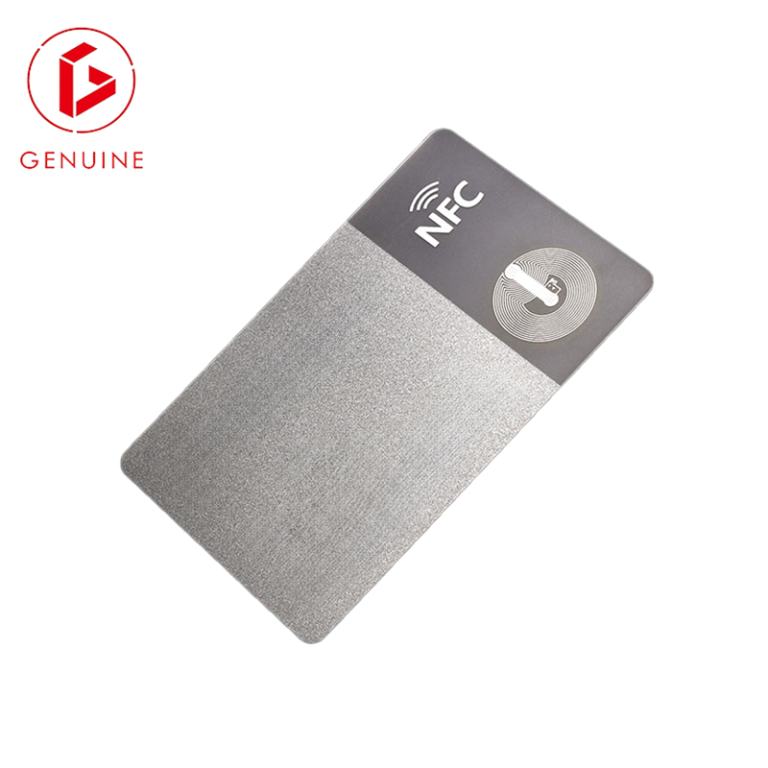
Every payroll run quietly bets on one assumption: that your time and attendance records are accurate. For most B2B operations — factories, warehouses, hospitals, construction sites — that record still starts with a physical card. The question is not whether you need workforce tracking; it is whether the credential you specify actually delivers clean data, survives the gate, and resists the cloning that turns a badge into a buddy-punching loophole. This guide walks procurement and security buyers through choosing time and attendance cards that hold up in the real world, not just in a datasheet.
Start With the Payroll Problem, Not the Plastic
A time and attendance card is only as valuable as the data it feeds downstream. A misread at the gate becomes an overtime error on the paycheck — and under rules like the U.S. Fair Labor Standards Act, inaccurate time capture is a compliance and back-wage liability, not just a nuisance. Before comparing chips, write down what your payroll and HR systems actually consume: a clock-in event, a worker ID, and a timestamp they can trust. Mobile credentials are gaining ground, but many sites still standardize on plastic for rugged environments, shared terminals, and workers who can’t or won’t carry a phone — which is exactly where a well-specified card earns its place. Our comparison of mobile credentials versus physical cards covers when plastic is still the right call.
HF 13.56 MHz vs LF 125 kHz: Pick the Frequency First
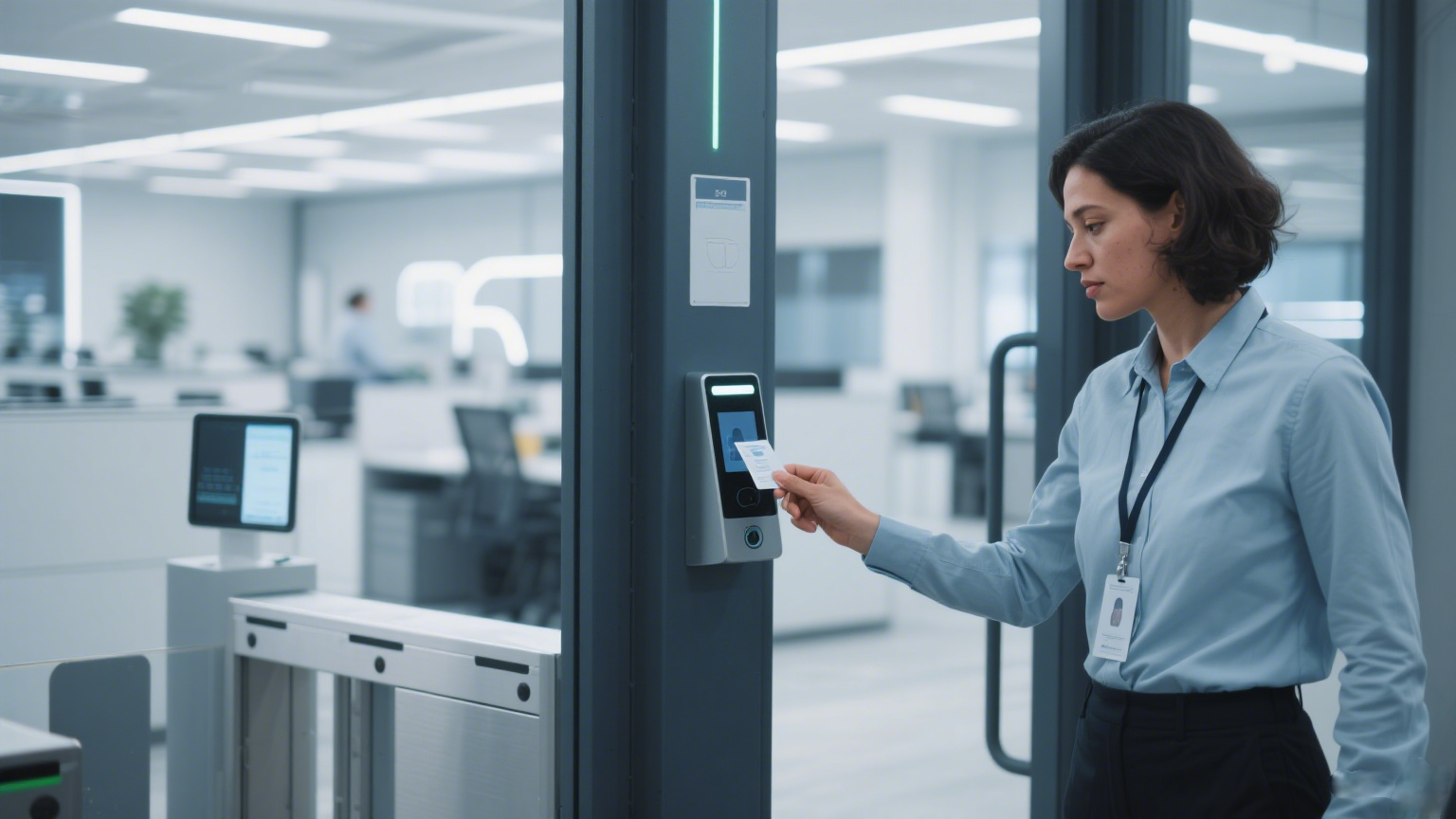
The single biggest decision is the radio frequency. LF (125 kHz) cards are cheap and ubiquitous, but their ID is broadcast in the clear and is trivially cloneable — fine for a parking gate, risky for attendance you pay people by. HF (13.56 MHz), standardized as ISO/IEC 14443, supports mutual authentication, higher data rates, and encrypted sessions, which is why it dominates modern workforce tracking. Unless you are locked to legacy LF readers, specify HF 13.56 MHz for any new rollout in 2026. Our LF vs HF vs UHF frequency selection guide breaks down the trade-offs for integrators deciding between bands.
Contactless, Magnetic Stripe, or Barcode: What Survives the Gate
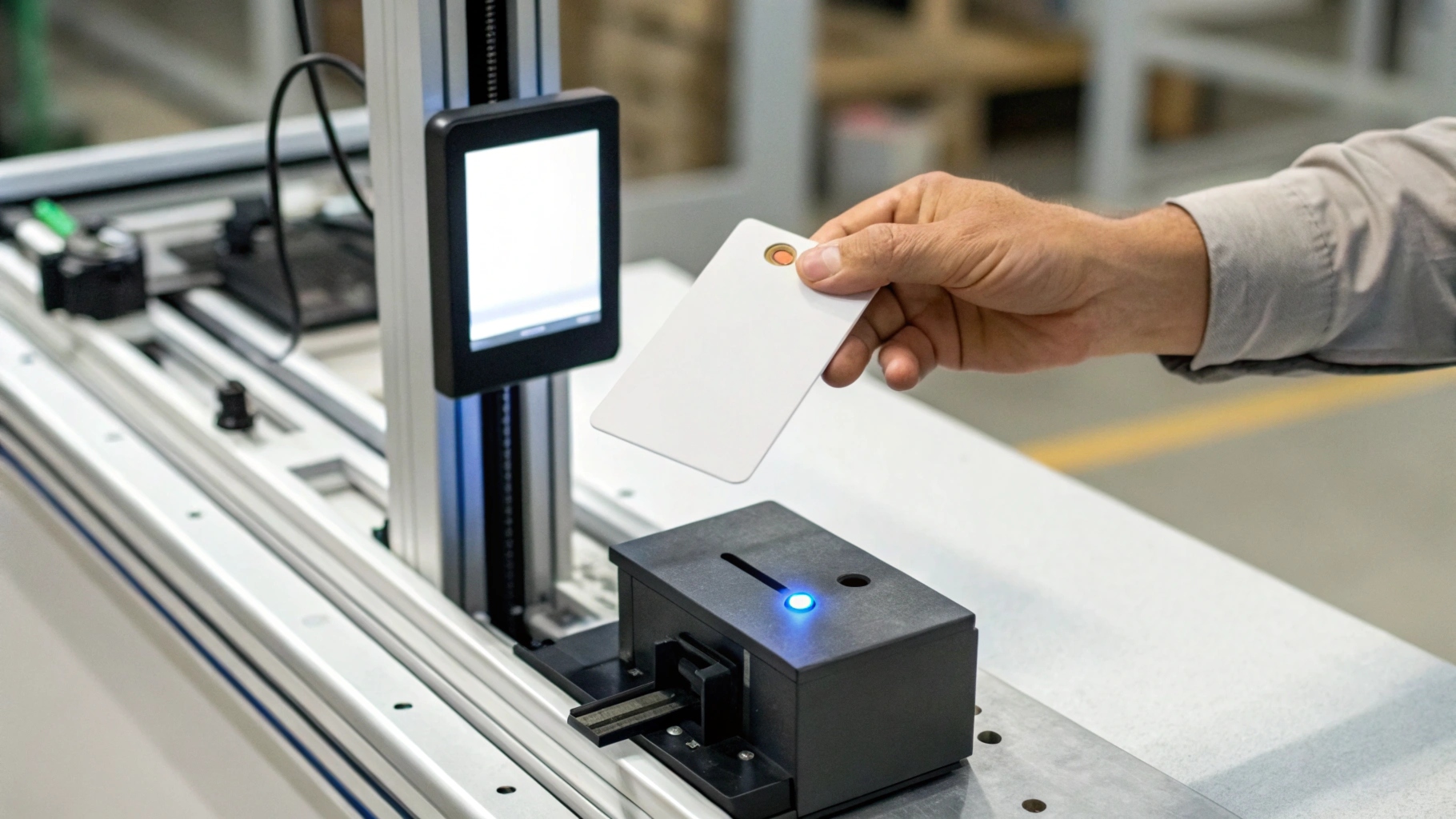
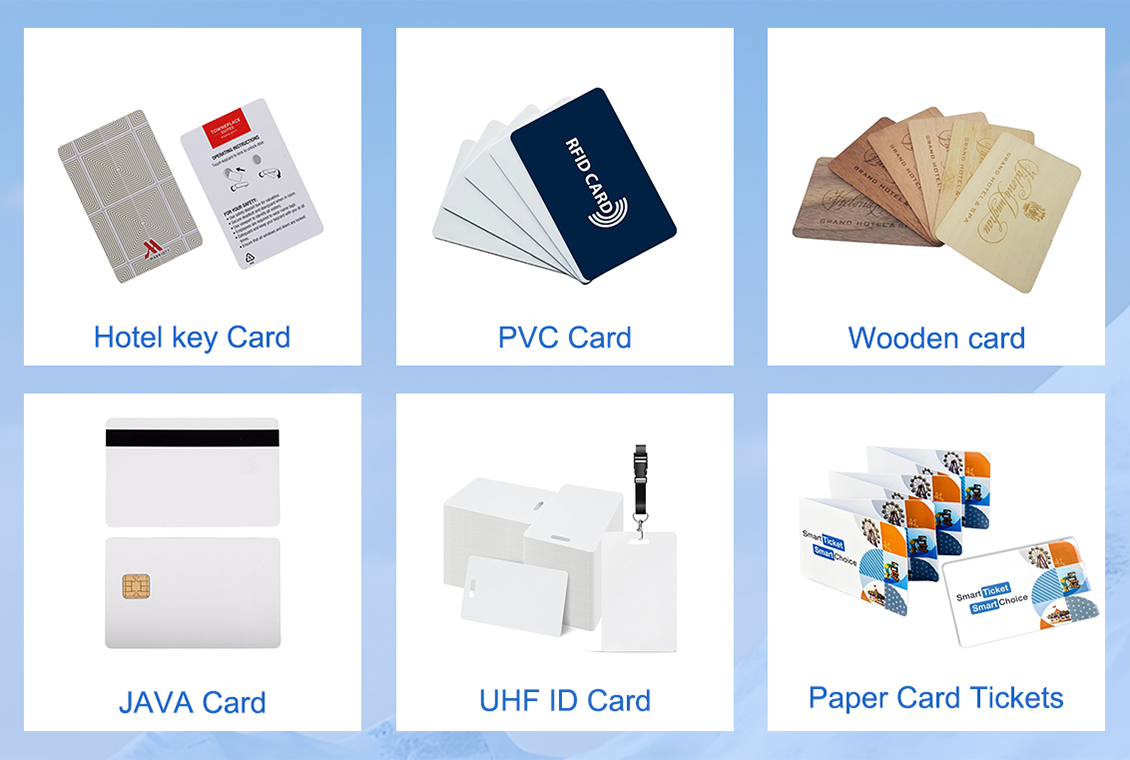
At a busy entrance, the medium matters as much as the chip. Contactless RFID/NFC cards have no swipe or scan surface to wear out and routinely outlast magnetic stripe and barcode media by years in high-traffic gates. Magnetic stripes degrade exactly where they are swiped and demagnetize near phones and badge holders; barcodes scratch and fade. If part of your estate still reads stripes, a hybrid card carries both — but treat the stripe as the fallback, not the primary. Physical cards also remain the right call where phones are banned, in hazardous areas, or for temporary staff who rotate daily.
Durability and Card Life in Real-World Conditions
Durability is a manufacturing decision, not a luck factor. A properly laminated contactless card with a protected inlay typically lasts 3–5 years of daily tapping; a cheap surface-printed card delaminates and loses its chip within months. Material choice (PVC, PET-G, or polycarbonate), edge-to-edge lamination, and a buried antenna all determine life on the floor. Card dimensions follow ISO/IEC 7810 (the ID-1 credit-card size), so any reader tested to that spec will seat your card. Understand how smart cards are actually built — inlay, lamination, chip embedding — before you brief a factory.
Integration Is Where Time Cards Pay Off
The card is a token; the value is the data pipeline — reader to controller to T&A software to payroll, WMS, and HR. Specify open, documented interfaces (OSDP-capable readers, standard APIs) and avoid proprietary protocols that silently lock you in for a decade. A credential that cannot export a clean event stream forces manual reconciliation and kills the ROI of automation. For government or high-assurance sites, a PIV/PKI smart card extends the same badge to logical access, following the FICAM framework. And remember the employee on the other end: monitoring data falls under employment-privacy law such as GDPR, so minimize what you store and retain.

Clone and Fraud Risk — and How to Shut It Down
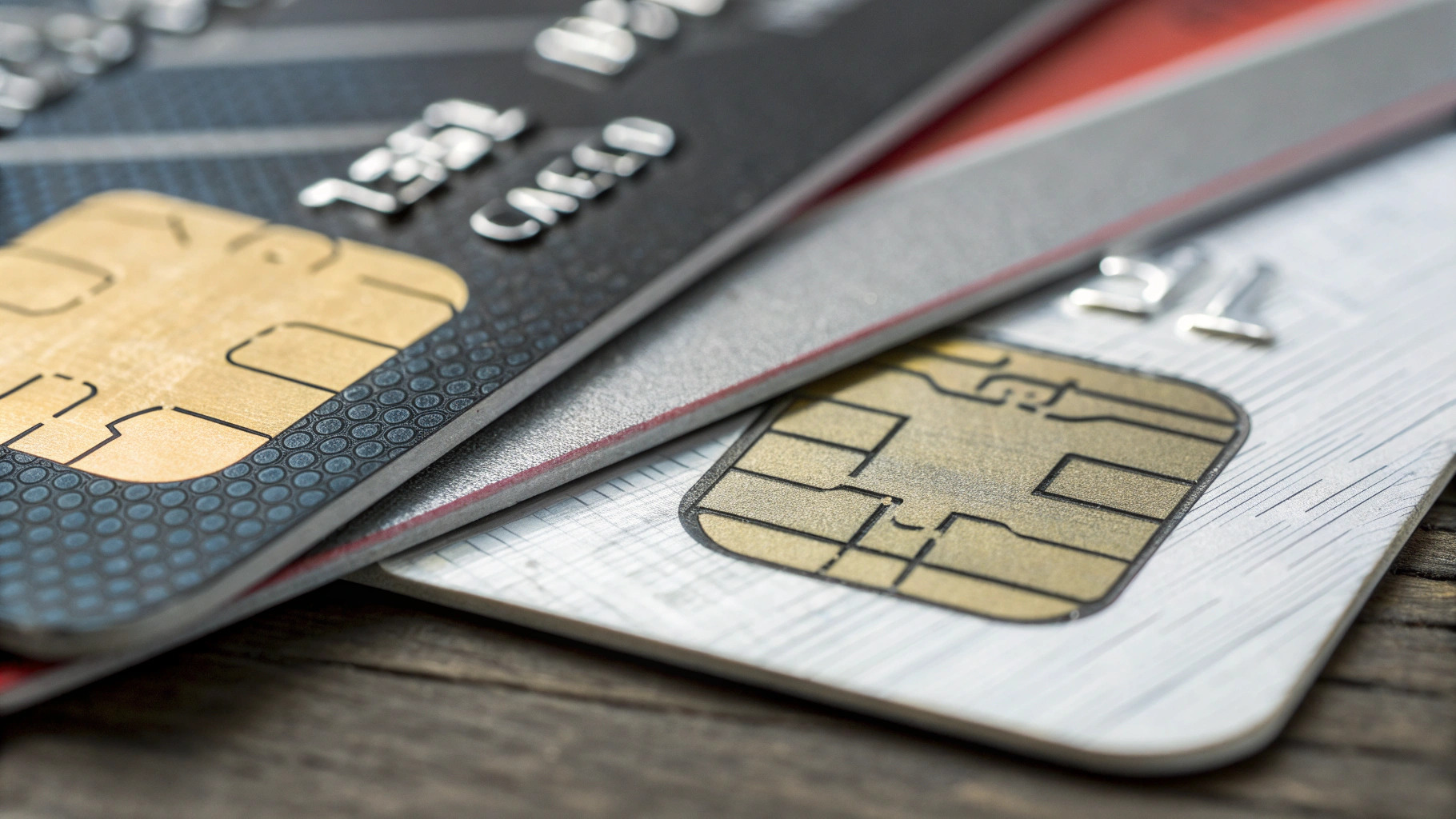
A raw card serial number (CSN) is not authentication — anyone with a $20 writer can clone it, enabling buddy-punching and ghost shifts. The fix is a chip that proves its identity: mutual-authentication ICs (MIFARE DESFire EV2/EV3) or a Java Card with a certified secure element. For the highest assurance, a PIV/PKI credential ties the badge to a cryptographic identity. Specify a card with a certified secure element, not just a printed UID, wherever the attendance record drives pay or access. Secure-element specifications from bodies like GlobalPlatform are the benchmark buyers should ask factories about, and they pair naturally with the PIV/PKI approach above.
Your Time and Attendance Card Spec Checklist
Turn the analysis above into a one-page brief your supplier cannot wiggle out of:
- Frequency: HF 13.56 MHz (ISO/IEC 14443) unless legacy-locked to LF.
- Chip: mutual-authentication IC or Java Card secure element — never a bare CSN.
- Form factor: ISO/IEC 7810 ID-1; laminated, edge-to-edge print.
- Durability target: 3–5 years of daily use; confirm inlay protection.
- Compatibility: matches existing readers / OSDP controllers.
- Privacy: GDPR/FLSA-aligned data handling documented.
- Order terms: MOQ, lead time, and a pre-production sample.
Always order a pre-production sample and clock-test it on your actual reader before committing to a full run. Whether you personalize in-house or outsource, weigh the two paths against your volume and quality bar before you sign.

Frequently Asked Questions
Can one card handle both access control and time & attendance?
Yes. A multi-application HF card can carry separate applets for door access and attendance, so staff carry a single badge. Confirm the reader and middleware support multiple applications on the chip before you standardize.
Are magnetic stripe cards still acceptable for attendance in 2026?
Only where legacy readers force it. For any new deployment, contactless HF is cheaper over the card’s life and far harder to abuse than a swipe stripe.
How do I stop buddy punching?
Move from a raw serial number to a mutual-authentication chip or a PIV/PKI secure-element card, and pair the card with a PIN or biometric at the terminal where assurance must be high.
Specifying the right time and attendance card is less about the plastic and more about the data, the durability, and the lock-in you accept. Order a pre-production sample, clock-test it on your real reader, and document the spec above before you brief a factory. Need a partner who can laminate, encode, and sample against your exact reader? Request a quote or free samples and we will match a credential to your system.