You run an access control program built on MIFARE Classic. You already know the cryptography was broken years ago, and you have probably read the advisories. What stops most teams is not the risk — it is the migration: a “lift and shift” re-issue to a modern secure credential looks expensive, disruptive, and hard to justify until something actually goes wrong. This playbook gives you a staged, budgetable path from MIFARE Classic to MIFARE DESFire EV3 — one that does not require a weekend-wide outage or a flag-day where every badge stops working at once.
Why MIFARE Classic Is No Longer a Defensible Choice
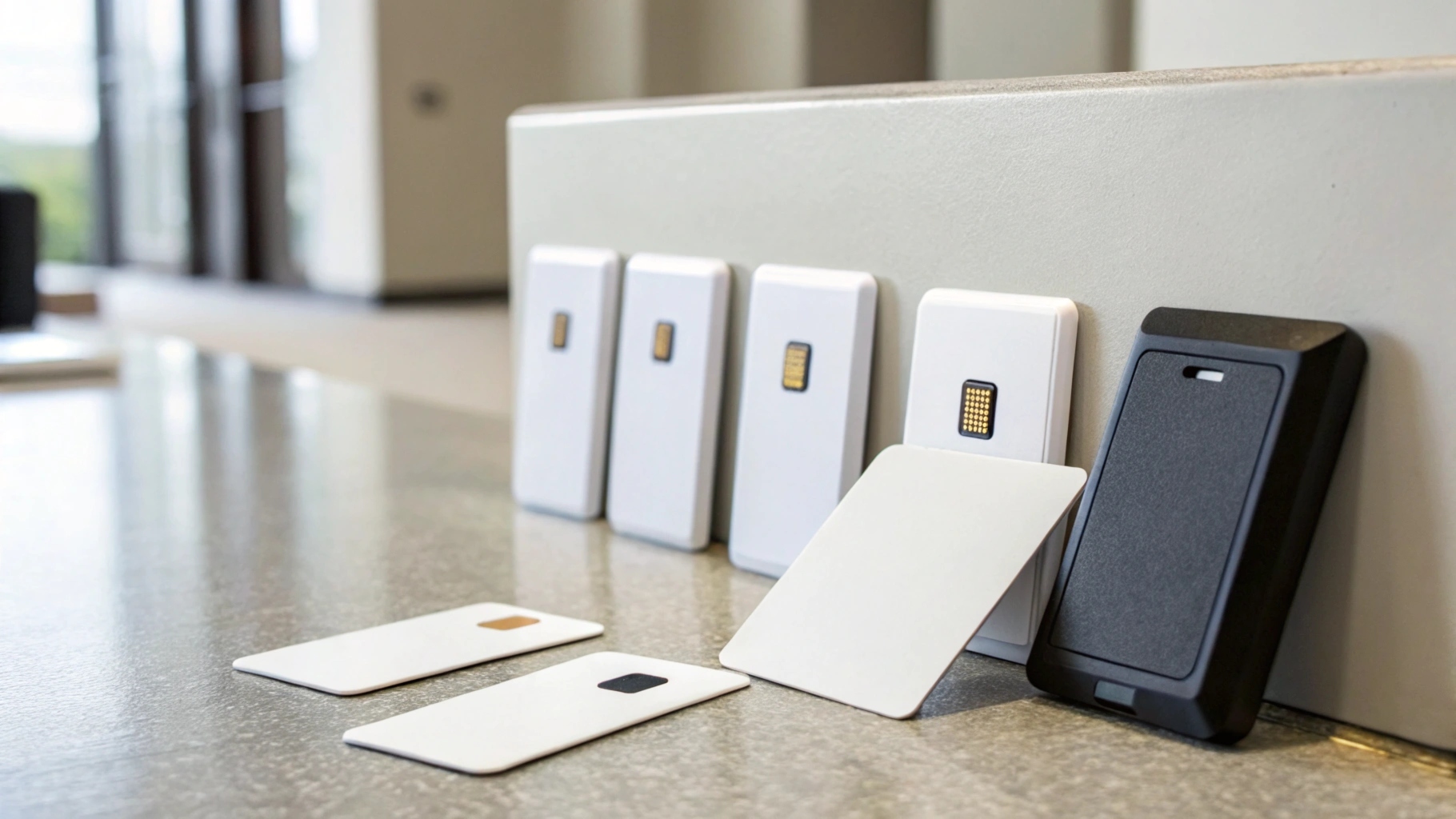
MIFARE Classic secures its data with the proprietary Crypto1 stream cipher. That cipher was broken in practice in 2008, when researchers demonstrated a real-time cloning attack against the card’s authentication.The published analysis showed that once an attacker captures a few transactions, the secret key can be recovered and an indistinguishable clone produced. For an access program, that is the worst kind of failure: the fake card looks identical to the reader, and there is no audit trail of the copy.
Most Classic deployments make this worse by using a shared, factory-default key across the whole fleet, or by reading only the card serial number (CSN) and trusting it as identity. A cloned MIFARE Classic card costs an attacker under a dollar and a few minutes. The remediation — a full emergency re-issue, an incident report, and a procurement review — costs you orders of magnitude more. Guidance such as NIST SP 800-116 Revision 1 steers federal and enterprise programs toward authenticated credentials, and more tender frameworks now reject static, unauthenticated cards outright.

What DESFire EV3 Actually Buys You
MIFARE DESFire EV3 (NXP part number MF3DHx3) is the current generation of NXP’s secure contactless IC family, and it closes the gaps Classic never could. The headline capabilities that matter for an access program:
- Common Criteria EAL5+ certified secure element — a hardware root of trust, not just software promises.
- AES-128 encryption for file and value protection, with mutual authentication between card and reader.
- Proximity Check — a distance-bounding protocol that defeats relay (“ghost-and-leech”) attacks where an attacker extends the card’s range over the internet.
- Transaction Timer — enforces atomic operations and prevents tear attacks that interrupt a write halfway through.
- Backward compatibility with DESFire EV2, EV1 and MIFARE D40, so you can stage reader firmware without stranding cards.
In plain terms: EV3 is the first DESFire generation that closes the relay-attack gap Classic could never address — with hardware-grade mutual authentication built in. You can review the full device specification on the NXP MIFARE DESFire EV3 product page. DESFire also sits on the ISO/IEC 14443-4 air interface (ISO/IEC 14443-1), so the physical layer is already what your HF readers expect.
Step 1 — Audit Readers and Firmware Before You Buy a Single Card
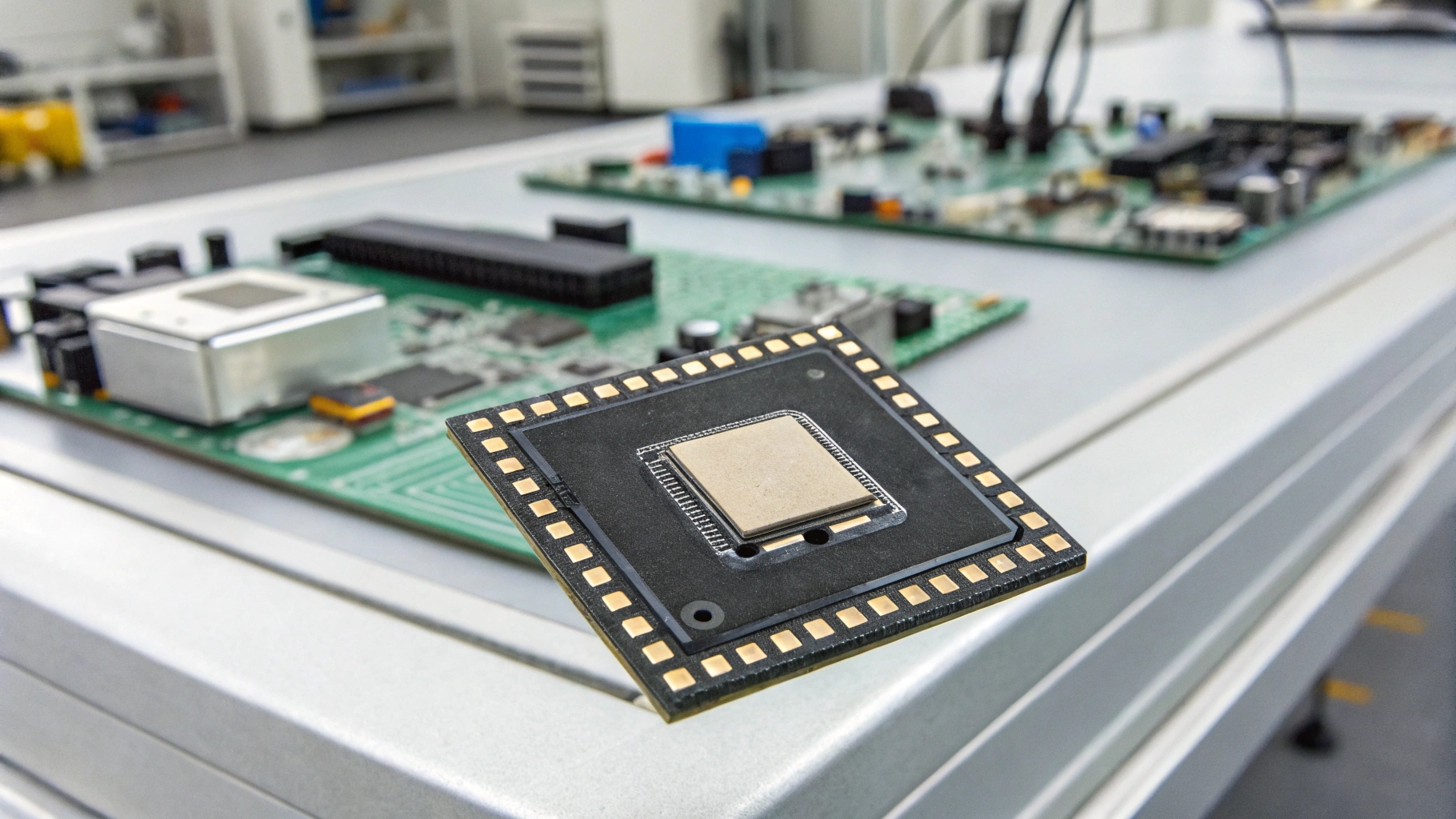
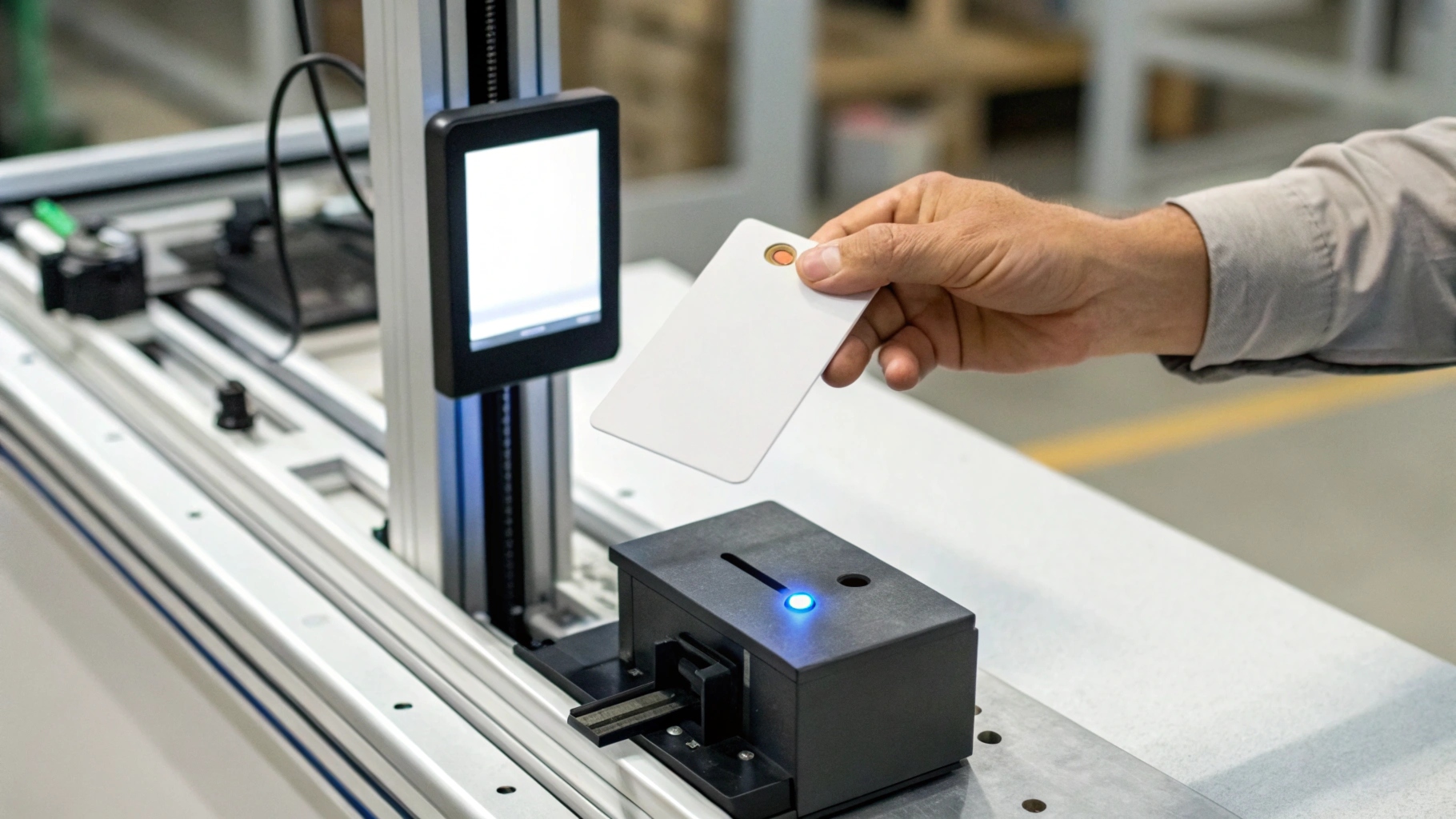
The most common and most expensive mistake is ordering DESFire EV3 cards before anyone checks whether the readers can parse them. Build a complete inventory: reader model, firmware version, and which protocols each one actually speaks. Many units marketed simply as “MIFARE readers” only implement Classic; they need an OSDP firmware upgrade or a hardware swap to read DESFire EV3 at the application layer.
Roughly 30–40% of “Classic” reader fleets we audit cannot read DESFire EV3 without a firmware update. Budget for that line item before you print cards, or you will face a warehouse of unusable credentials. This is also where a reader-compatibility audit pays for itself, and where the choice of card interface has to be settled with facilities, not just procurement.
Step 2 — Use Dual-Technology Transition Cards to Avoid a Flag-Day
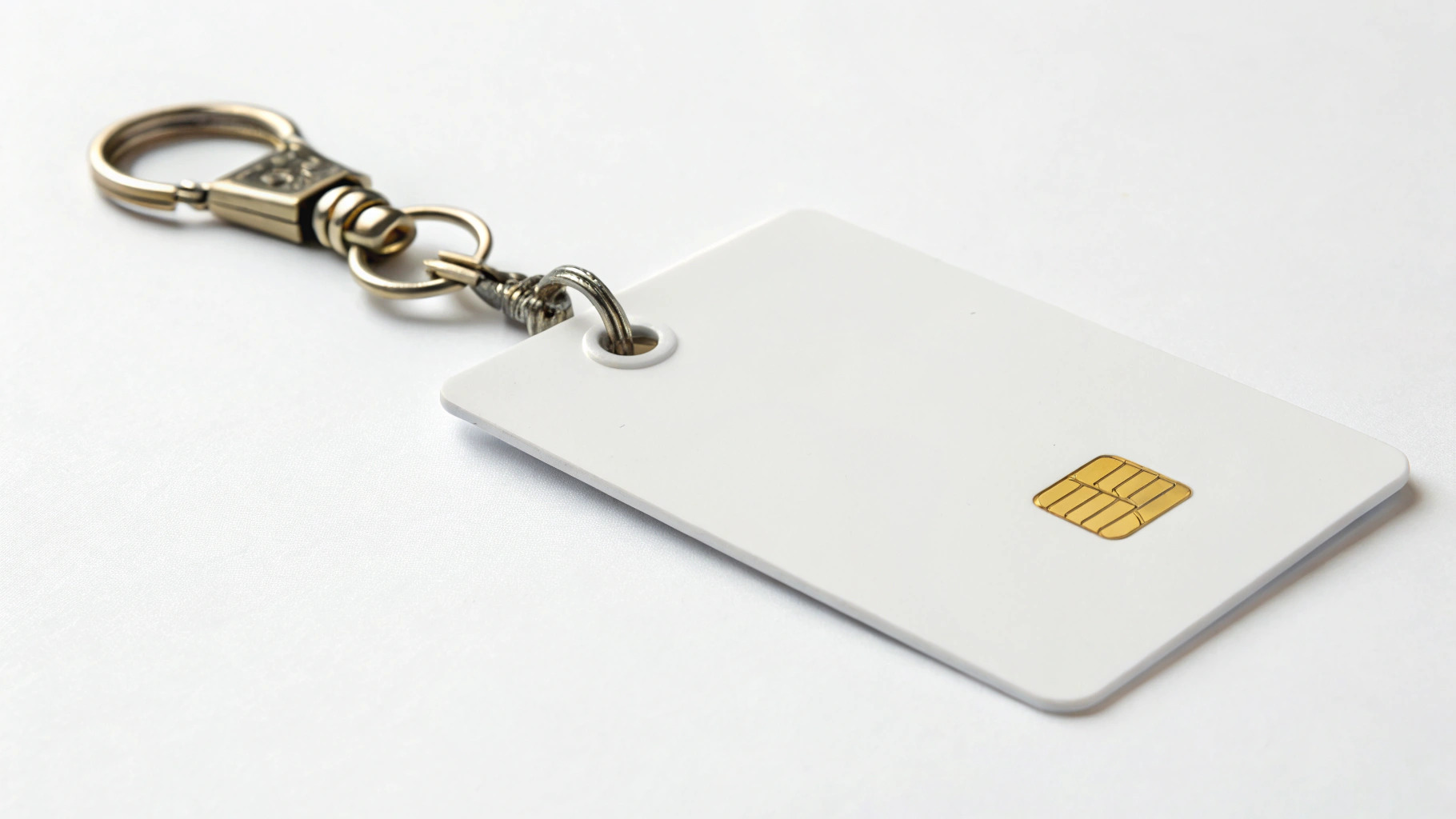
A flag-day migration — everyone swaps cards on the same Saturday — is the most disruptive and the most failure-prone option. If anything goes wrong, the whole site is locked out. The cleaner route is a dual-technology transition card that carries both the legacy Classic credential and the new DESFire EV3 applet on one body. Upgraded readers authenticate against EV3; legacy readers still see the Classic data they expect.
This decouples the two hardest workstreams. A transition card lets you upgrade the credential and the reader on two independent timelines — not one forced weekend. You retire the Classic application only after the last legacy reader is gone, and you never have a day with no working badge. If your program also touches issuance and lifecycle control, the transition card is what keeps re-issuance waves small and schedulable.
Step 3 — Get Key Management and Diversification Right
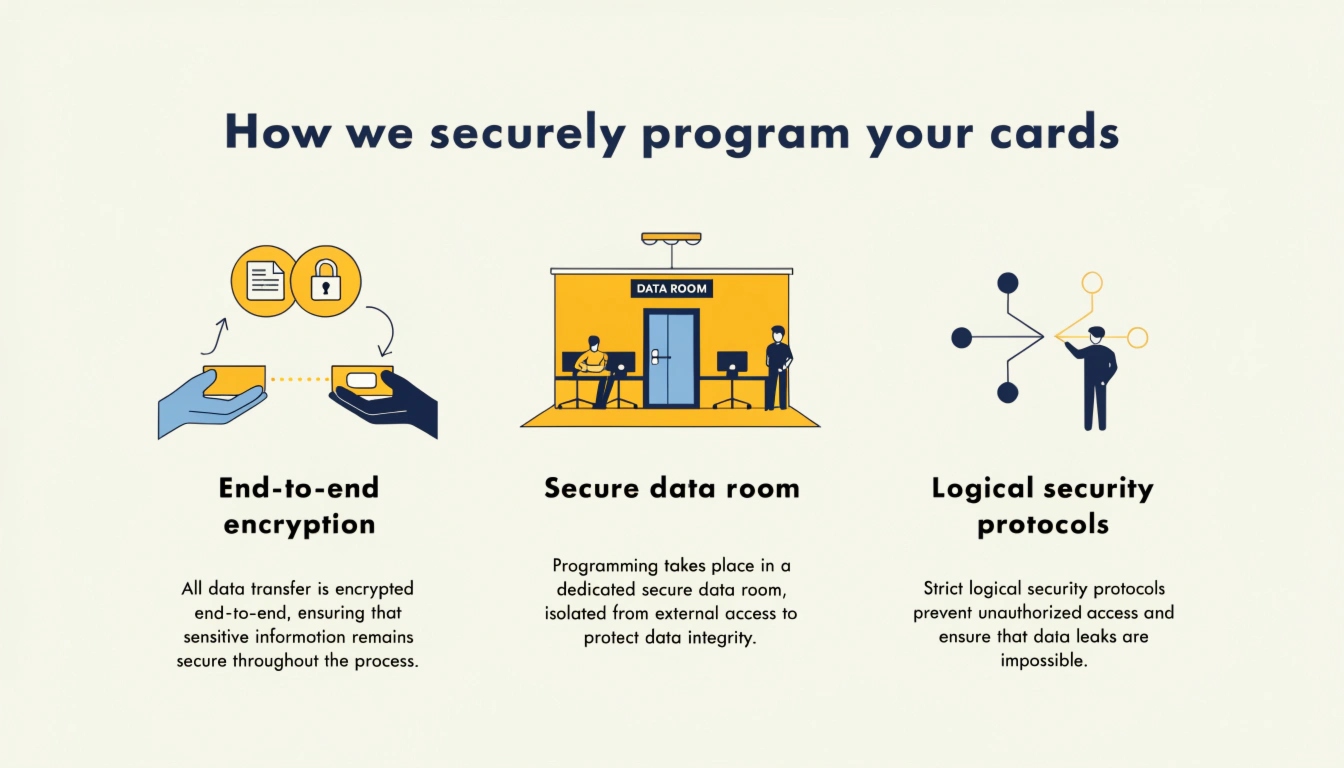
The chip is only as strong as the keys loaded onto it. DESFire security lives or dies on key management, not on the silicon. The single most important practice is per-card key diversification: derive a unique key for each card from a master key and the card UID, so that a single leaked key cannot be used to clone the rest of the fleet.
Injection must happen in a controlled environment — a secure key-management host or a SAM — and never by shipping cards pre-loaded with a shared default key. Document the key hierarchy, restrict who can touch the master, and keep rotation records; that paperwork is also your audit evidence for ISO 27001 or customer security reviews. A DESFire EV3 running a factory-default shared key is no safer than Classic. Diversification is the actual upgrade. The personalization method you choose (re-transfer vs laser, for example) determines how cleanly you can encode and reprint during the rollout.
Step 4 — Sequence Re-Issuance and Budget the Lines Nobody Quotes
Roll the new credential out in waves by population or zone rather than all at once. Phasing keeps the help desk and badge office within capacity, limits the blast radius of any encoding error, and gives you clean checkpoints to verify read rates before the next wave. Pair it with temporary credentials for stragglers so nobody is left access-less.
The per-card price is the smallest number on the spreadsheet. The lines that sink budgets are reader firmware and licensing, re-personalization of enrolment data, new printing ribbons and overlays, help-desk overtime, temporary badges, and the penetration test or audit that proves the migration actually worked. Plan the migration as a program, not a product purchase — the cards are the cheapest line item, typically 2–3× lower than the true total cost once readers and labor are in. A structured issuance program is what keeps those waves on schedule.
Frequently Asked Questions
Can DESFire EV3 readers still read my existing MIFARE Classic cards?
At the physical layer, yes — both sit on ISO/IEC 14443. Whether a given reader actually parses Classic data depends on its firmware configuration, which is exactly why the reader audit in Step 1 comes first. DESFire EV3 also remains backward compatible with DESFire EV2, EV1 and MIFARE D40 application structures.
How long does a phased migration take?
For programs of 1,000 to 50,000 cards, a phased rollout typically runs three to nine months, gated by reader upgrades and re-issue wave size. A flag-day is possible in a single weekend but concentrates all the risk into one failure point.
Do I need to buy new card printers?
Usually not. Most re-transfer and inkjet card printers encode DESFire through a contactless encoder module; you may need an encoding upgrade or a firmware update rather than a whole new machine. The personalization method you already use determines what, if anything, changes.
Is MIFARE Plus a cheaper alternative to DESFire EV3?
MIFARE Plus EV2 (NXP product page) adds AES-128 and a Classic-compatible SL3 mode that is genuinely useful for staged migration, and it costs less than EV3. But it does not include EV3’s Proximity Check or Transaction Timer, so it leaves more relay risk on the table. Choose Plus when relay attacks are not in your threat model; choose EV3 when they are.
What is the biggest mistake buyers make?
Treating the project as a card purchase instead of a key-management and reader program. Skipping per-card key diversification — or buying cards with a shared default key — neutralizes most of the security gain and leaves you with an expensive version of the same problem.
Talk to Our Team About a Phased Migration
If you are carrying a MIFARE Classic estate and want a migration plan that does not hinge on a single risky weekend, we can start with a reader-compatibility audit and a phased DESFire EV3 re-issue quote. Request a consultation and we will map the reader fleet, the key-management steps, and the true total cost before you commit to a single card.