The Rise of RFID in Modern Inventory Systems

In today’s fast-paced retail and logistics sectors, RFID tags are transforming inventory management. These tiny yet powerful tools enable real-time tracking, minimize errors, and optimize resource allocation—key drivers of operational success. This article explores how RFID technology unlocks unparalleled efficiency, reduces costs, and prepares businesses for a competitive future.
How RFID Technology Works: Components and Functionality
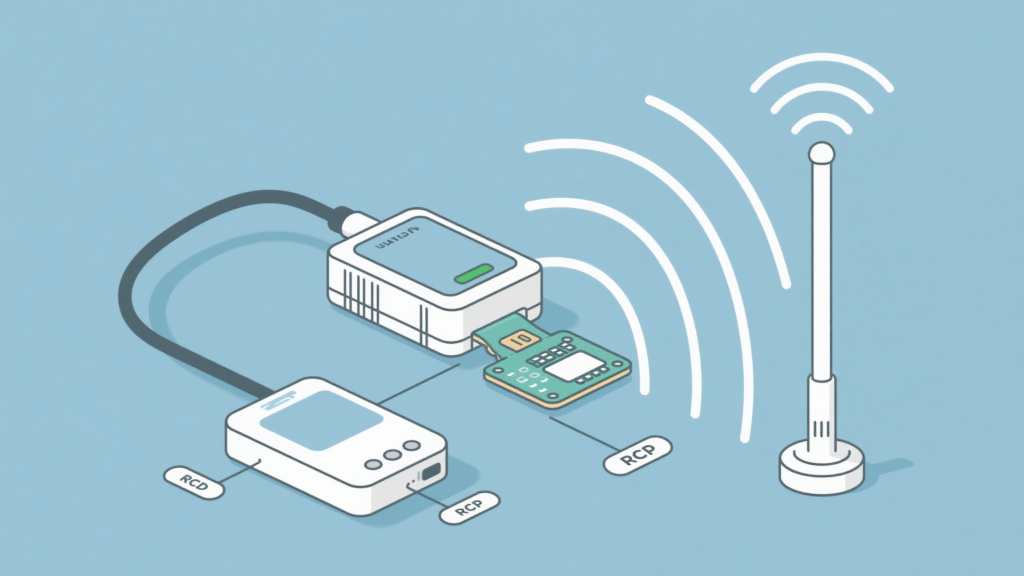
RFID (Radio Frequency Identification) systems rely on three core components:
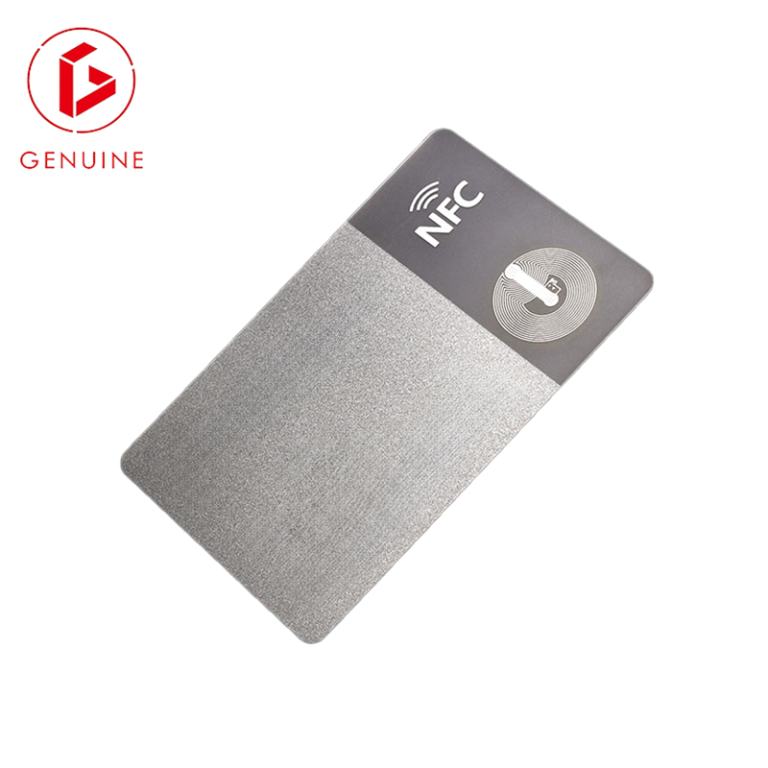
- RFID Tags: Store item data and come in two types:
- Passive Tags: No internal power; activated by reader signals.
- Active Tags: Battery-powered for long-range tracking.
- RFID Readers: Emit radio waves to read tag data and transmit it to databases.
- Antennas: Facilitate communication between tags and readers.
This seamless integration allows businesses to monitor inventory with laser precision, eliminating manual scans and human errors.
RFID vs. Barcodes: Why RFID Wins

| Feature | RFID | Traditional Barcodes |
|---|---|---|
| Scanning | No line of sight required | Direct line of sight mandatory |
| Speed | Scan hundreds of items instantly | One item at a time |
| Data Storage | Detailed product history | Basic product ID |
RFID’s ability to automate scans and store rich data makes it ideal for large-scale operations.
Key Benefits of RFID in Inventory Management

- Real-Time Visibility: Track stock levels, locations, and movements instantly.
- Error Reduction: Eliminate manual data entry mistakes.
- Cost Savings: Cut labor costs and minimize stockouts/overstocking.
- Enhanced Security: Detect theft via unauthorized item movement alerts.
Overcoming RFID Implementation Challenges

While RFID offers immense benefits, challenges include:
- Initial Costs: High upfront investment in tags, readers, and integration.
- Environmental Interference: Metal and liquids can disrupt signals.
- Training Needs: Staff must adapt to new workflows.
Pro Tip: Start with a pilot program to test ROI before full-scale adoption.
Case Studies: RFID Success Stories

- Retail: Walmart reduced stockouts by 30% with RFID.
- Healthcare: Hospitals track critical supplies 24/7.
- Logistics: DHL improved shipment accuracy by 99%.
Future Trends: IoT, Blockchain, and Smarter Tags

- IoT Integration: Real-time environmental monitoring (e.g., temperature-sensitive goods).
- Blockchain: Tamper-proof inventory records for enhanced traceability.
- Advanced Tags: Smaller, durable, and data-rich designs.
Best Practices for RFID Adoption
- Assess Needs: Identify pain points like stock discrepancies.
- Choose the Right Tags: Passive for retail, active for large assets.
- Train Teams: Ensure staff understand RFID workflows.
Embrace the RFID Revolution

RFID technology is redefining inventory management through speed, accuracy, and scalability. By addressing challenges and leveraging trends like IoT, businesses can future-proof their operations and thrive in a digital-first world.