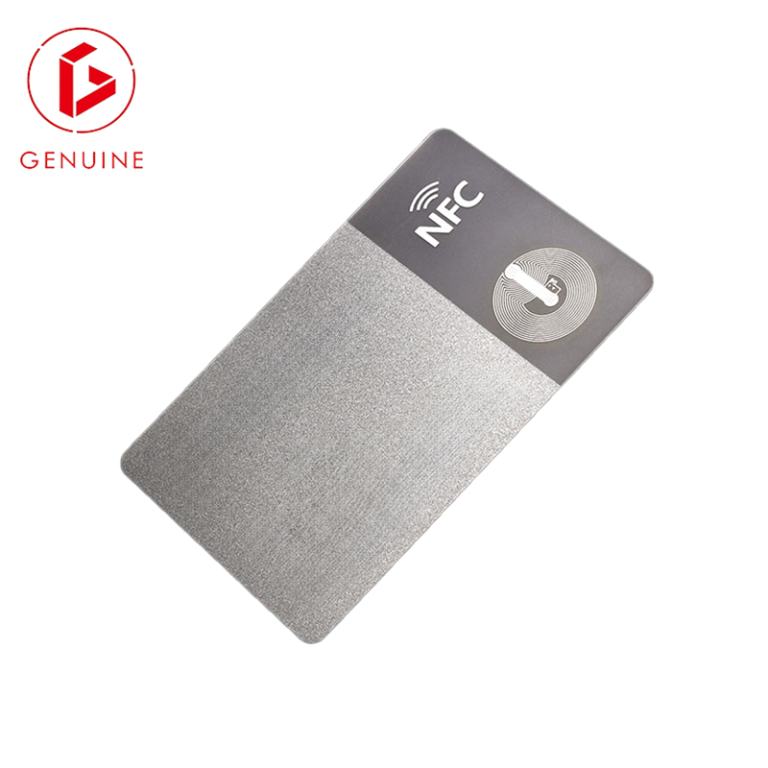
Quick answer: An RFID smart bookshelf uses Radio-Frequency Identification tags and shelf-mounted readers to track every book’s location in real time, automate inventory, and eliminate shelving errors — cutting staff workload by up to 70% and stock-taking time by as much as 90%.
Libraries worldwide are replacing manual shelf-reading with intelligent RFID infrastructure. If you are evaluating a modern library management upgrade, understanding how an RFID tag works is the first step toward a self-aware collection. This buyer’s guide explains what RFID smart shelves are, how they are built, the measurable benefits they deliver, and how to plan a procurement that fits your branch or university.

What Is an RFID Smart Bookshelf?
An RFID smart bookshelf — sometimes called an RFID smart shelf or intelligent library shelf — is a standard bookcase fitted with hidden RFID antennas and readers. Each book carries a tiny passive RFID label. As soon as a book is placed, moved, or removed, the shelf detects its unique ID and updates a central database at shelf-level accuracy. The result is a live map of your entire collection that staff and patrons can query in seconds.
How Do RFID Smart Shelves Work?
The system relies on three coordinated layers. First, every item is tagged with a passive ultra-high-frequency (UHF) or high-frequency (HF) RFID label during cataloging. Second, thin antenna arrays embedded in each shelf layer continuously emit a low-power radio field. Third, a layer controller aggregates reads from all antennas and pushes them to the library management system (LMS) or online public access catalog (OPAC).
Unlike barcode scanning, which requires line-of-sight and one-by-one handling, RFID reads hundreds of tags per second without touching the books. That single difference is what turns a traditional bookshelf into a real-time inventory node.
Core Features of RFID-Enabled Smart Bookshelves
Real-Time Book Positioning & Tracking
Equipped with RFID readers and precision antennas, the smart shelf continuously monitors book locations at shelf-level granularity. RFID-tagged books automatically update their positional data in the centralized database the moment they are moved, so the system always knows exactly which title sits on which layer.
Automated Inventory Management
Routine shelf audits that once took days now run silently in the background:
- Instant shelf auditing: the system automatically generates misfiled-book reports.
- Error detection: misplaced titles are flagged in real time, not at the next annual count.
- Smart reconciliation: collection accuracy is maintained 24/7 without manual intervention.
Enhanced Search & Retrieval
Patrons locate materials instantly using multiple search parameters — title, author, or ISBN — through the integrated OPAC interface, with precise shelf-level positioning guidance that turns a 10-minute hunt into a 30-second walk.
Intelligent Re-Shelving Assistance
When a book is returned to the wrong layer, the shelf registers the mismatch and guides staff to the correct spot:
- Detects newly placed books.
- Updates the shelf-layer mapping.
- Synchronizes with the central database.
- Maintains long-term collection organization.

System Architecture of RFID Smart Shelves
Behind the scenes, a reliable deployment rests on three hardware building blocks:
- RFID reader (system core): performs tag recognition, manages data communication, and coordinates shelf operations across the array.
- Layer controller: manages the multi-layer antenna arrays and enables accurate shelf-level positioning.
- High-performance antenna: determines tag detection range and ensures reliable signal coverage across every layer.
Measurable Benefits for Libraries
Across pilot installations, RFID smart shelving consistently delivers outcomes that justify the investment:
- Reduces staff workload by 60–70% on shelving and counting tasks.
- Improves book retrieval speed by up to 400%.
- Decreases inventory time by 90% compared with manual shelf-reading.
- Enhances patron satisfaction through faster, self-service discovery.
The RFID smart shelf system redefines the modern library experience. By enabling real-time collection monitoring and automated processes, it creates smarter reading environments that seamlessly integrate physical books with digital management — ultimately fostering knowledge accessibility and literacy development.
RFID vs. Barcode: Why Libraries Upgrade
Many institutions still run barcode-based circulation. The limitation is throughput: a barcode must be oriented, scanned, and handled one at a time. A detailed comparison of RFID and barcode technology shows why RFID wins for high-volume, contactless environments like libraries, where thousands of items move daily and accuracy is non-negotiable.
Planning Your Procurement & Deployment
A successful rollout starts with a clear RFID tag procurement plan — selecting the right tag type, encoding standard, and reader density for your shelf geometry. If your project also covers campus access, pairing the shelving rollout with student identification cards creates a unified, RFID-enabled campus. Work with a manufacturer that supplies both tags and readers so the entire chain is validated end to end.
Frequently Asked Questions
How much does an RFID smart library system cost?
Pricing depends on shelf count, antenna density, and whether you need a full LMS integration. Most buyers budget per shelf-module plus a one-time middleware license. Request a quantity-based quote early — per-unit cost drops sharply above a few hundred shelves.
Can RFID smart shelves work with my existing OPAC or LMS?
In most cases, yes. The layer controller exposes standard interfaces (SIP2, NCIP, or REST APIs) that connect to popular library systems. Confirm your vendor supports your specific platform before signing, and run a pilot on one aisle first.
How long does deployment take?
Tagging the existing collection is usually the longest step. A single branch can often be live within 4–8 weeks: 1–2 weeks for shelf hardware, 2–4 weeks for tag application, and 1 week for integration and staff training.
Is RFID safe for books and patrons?
Yes. Passive RFID operates at very low power, emits no ionizing radiation, and requires no battery in the tag. The technology is widely used in libraries, hospitals, and schools worldwide without health or material concerns for paper-based collections.
Ready to turn your shelves into a self-managing library? Contact our RFID solutions team for a tailored quotation, reference deployments, and a pilot proposal sized to your collection.