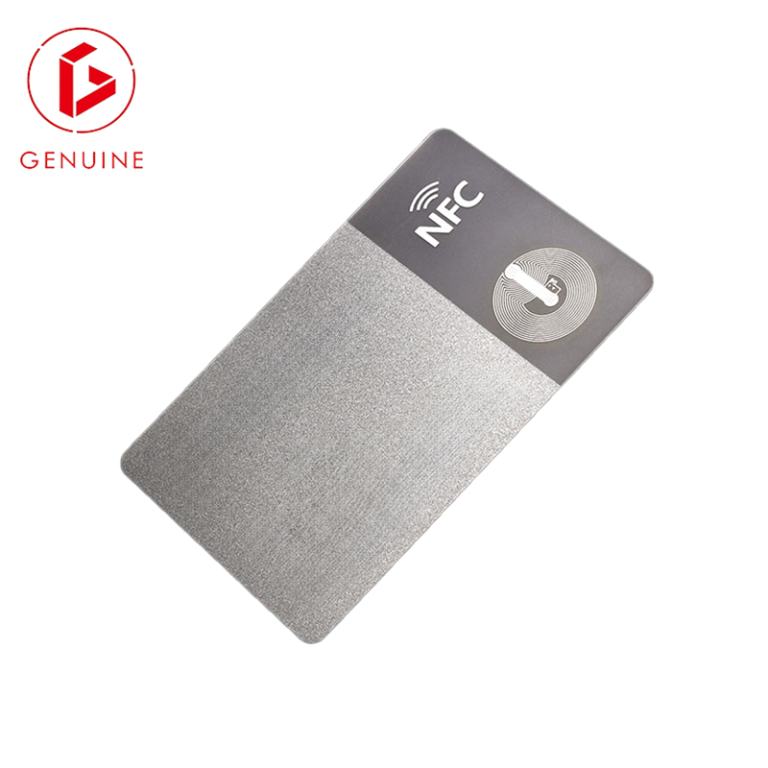
As a sustainability advocate, I’ve spent years tracking food system inefficiencies. The UN’s latest data stopped me cold: 1.3 billion tons of food lost annually – enough to feed 2 billion people. This week, I explored how RFID technology could rewrite this narrative.
RFID-enabled smart granaries utilize radio-frequency identification tags and IoT sensors to monitor grain conditions in real-time, automatically adjusting storage environments to reduce spoilage by up to 50%. These systems provide complete supply chain transparency from farm to table.
The Staggering Cost of Silent Waste
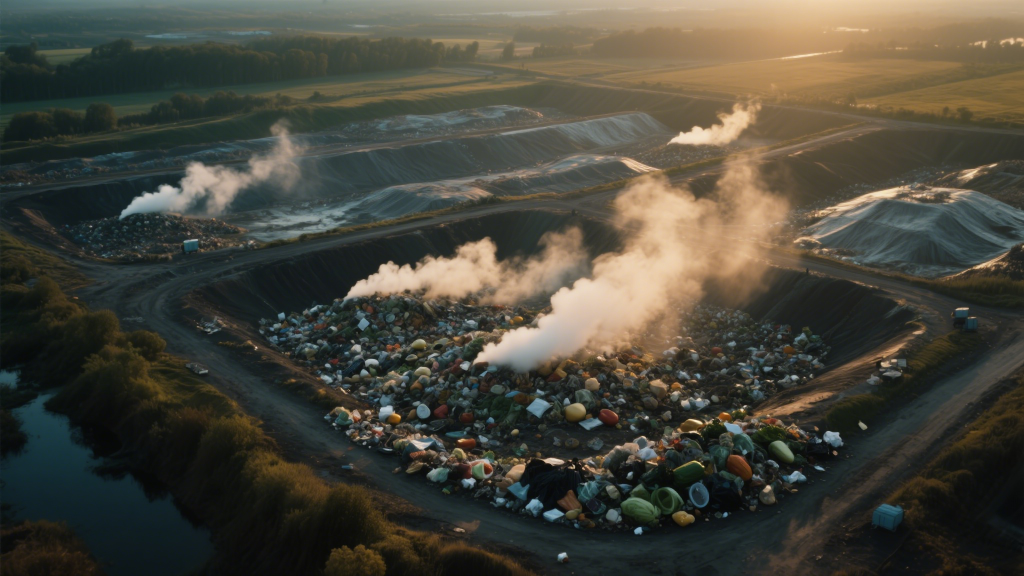
Walking through a Beijing supermarket’s dumpster area last winter, I witnessed truckloads of slightly imperfect vegetables being discarded – a microcosm of our broken system. Key problem areas include:
- Post-harvest losses (14% globally), Moisture sensors in Chinese wheat fields reveal 47.5% cabbage loss rates during transport. Traditional storage causes 20-50% grain damage in developing nations.
- Retail waste madness: Beijing restaurants reduced portion sizes through the “Clean Plate” initiative, cutting waste by 31%. Yet globally, 28% of food waste occurs in food service.
- Climate timebomb Rotting food emits 3.3 billion tons of CO2 equivalent annually, surpassing Germany’s total emissions.
How RFID Turns Silos into Supercomputers
During my visit to Heilongjiang’s smart granaries, engineers demonstrated their three-layer defense system:

Layer 1: Digital Twins, Each grain batch receives waterproof RFID tags recording:
- Origin farm GPS coordinates
- Harvest time
- Optimal storage conditions
Layer 2: Environment Guardians LoRaWAN sensors track:
- Temperature (alert threshold: 40°C)
- Humidity (action trigger: >80% RH)
- CO2 levels (preservation range: 40-60%)
Layer 3: Auto-remediation. When anomalies occur:
- Ventilation systems activate within 8 seconds
- Nitrogen generators prevent oxidation
- Staff receive app alerts with 3D warehouse maps
Smart restaurants in Saudi Arabia using similar technology achieved a 50% reduction in waste, while China saw food losses drop to 1% under advanced facilities.
5 Game-Changing Implementations
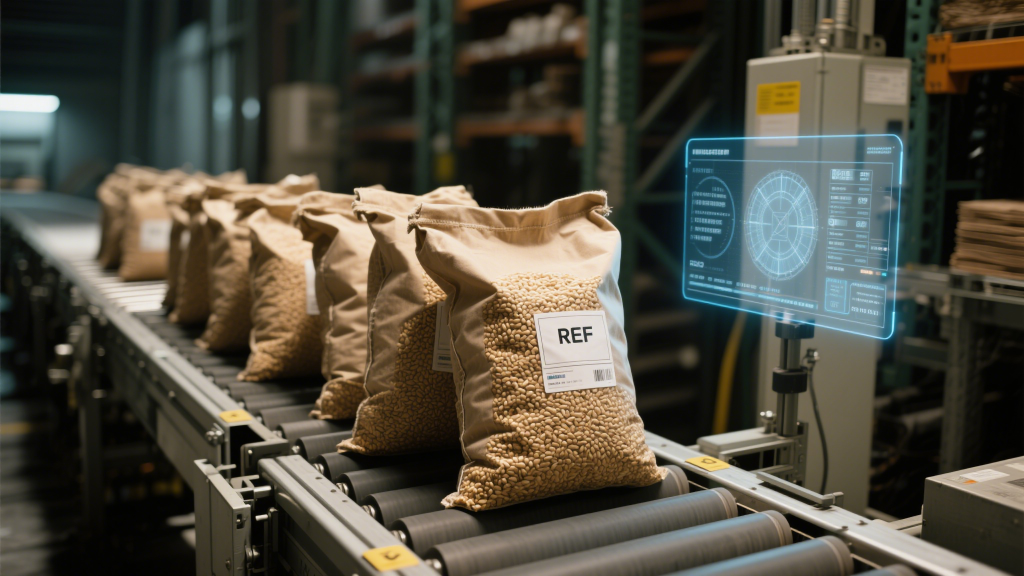
- Precision Traceability (Shandong, China) RFID-enabled rice bags show full lifecycle data via QR codes – 98.7% consumer trust rating.
- Dynamic Pricing (Nairobi Markets) Food nearing expiration automatically discounts via RFID-linked digital price tags – 33% waste reduction.
- Automated FIFO Systems (ADM Grain Terminals) Robotic arms prioritize older stock using RFID timestamps – 19% efficiency gain.
- Pest Control (Punjab Warehouses) RFID-tagged pheromone traps predict weevil outbreaks 14 days early.
- Blockchain Integration (Zhejiang Tea Exporters) Combined RFID/blockchain systems reduced certification costs by 60% while doubling EU market share.
The Road to Zero Waste
While touring a Jiangsu smart farm, the manager shared their 2030 roadmap:
Phase 1 (2025)
- 100% RFID tagging at provincial reserves
- 50% energy use reduction through AI climate control
Phase 2 (2027)
- Drone-based RFID inventory checks
- AR maintenance guides for technicians
Phase 3 (2030)
- Global grain tracking network
- 3D-printed emergency reserves
Critically, this requires $169 billion in climate financing and cross-border data sharing, challenges outweighing technical hurdles.
Your Supermarket’s Secret Life
Next time you scan a food package, check for these RFID indicators:

- Smart labels with battery indicators
- Dynamic pricing color codes
- Sustainability score badges
Early tests show these features increase conscious consumption by 38%.
Conclusion: Bytes Versus Bites
As I left the high-tech granary, a technician shared his grandfather’s story: “He spent 50 years fighting hunger through manual labor. Now my keyboard strokes protect more grain than his shovel ever could.”
The 13 billion-ton waste mountain seems insurmountable, but remember – Tokyo reduced restaurant waste by 31% through RFID portion control. What systemic change could your community initiate tomorrow?