Introduction: The $761 Billion E-Commerce Returns Problem
As an e-commerce solutions expert, I’ve seen how skyrocketing return rates hurt profitability. Did you know 20% of all online purchases are returned, costing retailers $761 billion annually?
Traditional return processes are slow, error-prone, and expensive. But RFID (Radio-Frequency Identification) technology is changing the game—reducing costs by 50% while improving efficiency.
In this guide, I’ll break down: ✔ How RFID works and why it’s better than barcodes
✔ 5 proven ways RFID cuts return costs (with real data)
✔ Case studies from brands like Zara and Temu
✔ Future trends in RFID and smart retail
How RFID Technology Solves E-Commerce Returns
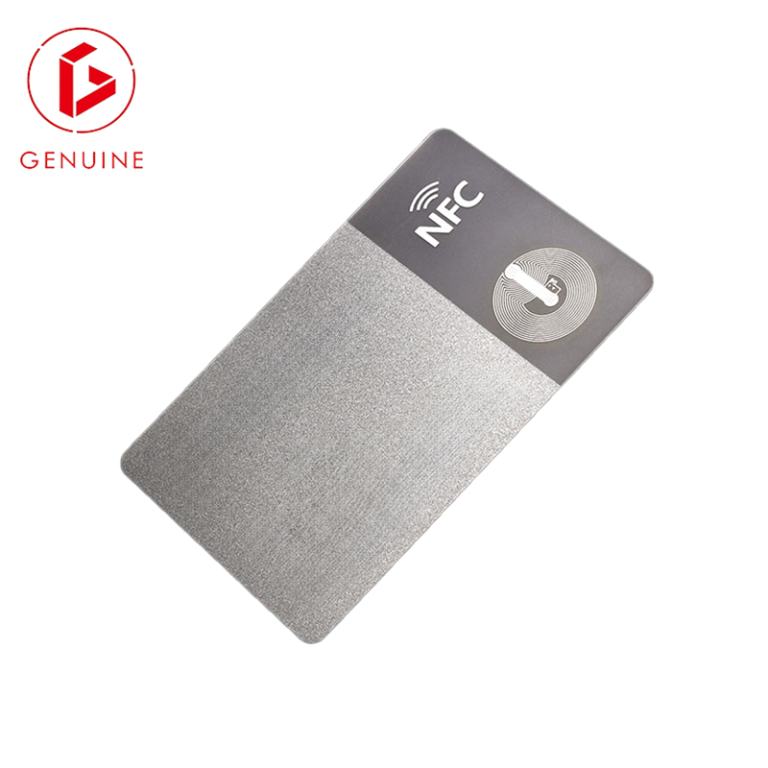
RFID electronic tags reduce e-commerce return costs by automating inventory tracking, minimizing errors, and speeding up reverse logistics. With real-time product visibility, RFID cuts processing time, prevents fraud, and improves resale rates—delivering up to 50% cost savings.

Why E-Commerce Returns Are So Expensive
Returns aren’t just annoying—they’re a profit killer. Here’s why:
- Manual Errors → 30% of returns are due to wrong shipments or lost inventory.
- Fraudulent Returns → Fake claims cost retailers $25 billion per year.
- Slow Processing → Traditional systems take weeks to restock, leading to 50% lower resale value.

How RFID Works: The Smart Alternative to Barcodes
RFID tags use wireless signals to track products—no scanning required. Key advantages:
✅ No line-of-sight needed → Scan hundreds of items per second
✅ Unique digital IDs → Prevent counterfeit returns
✅ Real-time tracking → Reduce lost inventory by 90%
Brands like Nike, Amazon, and Zara already use RFID to streamline operations.
5 Ways RFID Cuts Return Costs by 50%
1. Stops Fraud with Unique Product IDs
Fraudsters exploit vague return policies. RFID tags verify purchase history instantly, reducing fraud by 90%.
2. Speeds Up Reverse Logistics
Traditional return processing takes 3-4 weeks. RFID automates sorting, relisting items in under 48 hours.
Example: Shein saved $9 million/year by cutting return processing time.
3. Eliminates “Ghost Inventory”
Without RFID, 30% of returns disappear in warehouses. RFID boosts inventory accuracy to 99%.
Case Study: Nike reduced stockouts by 15% with RFID.
4. Improves Customer Experience
Fast refunds = happier customers. Amazon Prime uses RFID for 1-day refunds, increasing repeat purchases by 22%.
5. Data-Driven Insights to Reduce Returns
RFID tracks why items are returned (wrong size, defects, etc.).
Result: Zara reduced returns by 18% in 2024 by adjusting production.

Real-World Success: Temu’s $9 Million RFID Savings
Temu’s 8% return rate (vs. Shein’s 3%) cost them $9 million in losses in 2024.
After implementing RFID: ✔ 42% lower processing costs
✔ 30% faster resale of returned items
The Future of RFID in E-Commerce
By 2029, the RFID market will hit $17.8 billion (Source: Grand View Research). Key trends:
🔹 AI-Powered Predictive Returns → Flag high-risk orders before shipping.
🔹 Blockchain + RFID → Secure tracking for luxury goods.
🔹 Sustainable Resales → Faster refurbishment cuts waste by 40%.
Conclusion: Is RFID Worth the Investment?
The question isn’t “Can we afford RFID?” but “Can we afford NOT to use it?”
With 50% lower return costs, faster processing, and happier customers, RFID is a must-have for competitive e-commerce brands.
Are you ready to upgrade your return process?