Introduction: The Hidden Costs of Supply Chain Opacity
As a logistics expert, I’ve seen firsthand how shipments disappear into a “black box”—lost paperwork, delayed customs, and zero real-time tracking. A client once asked me, “Why does my $500,000 shipment vanish after leaving the port?” The answer? Outdated systems, manual processes, and siloed data.
Globally, 30% of supply chain costs come from inefficiencies like delays and lost cargo (McKinsey, 2023). For small businesses, a single delayed container can mean bankruptcy. The lack of transparency isn’t just frustrating—it’s a $1.5 trillion problem for global trade (World Bank, 2022).
The Solution: RFID + Blockchain = 100% Supply Chain Transparency
RFID (Radio-Frequency Identification) automates tracking with wireless tags, while blockchain creates an unchangeable digital ledger. Together, they provide real-time visibility, fraud prevention, and automated compliance—ending the “black box” era.
How RFID and Blockchain Transform Global Logistics
1. RFID: The Eyes and Ears of Smart Shipping
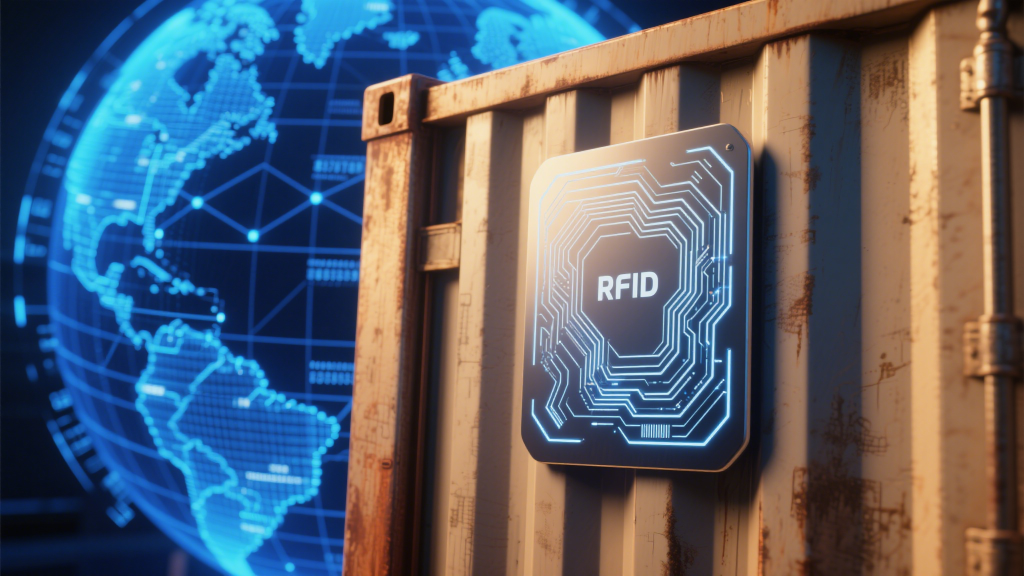
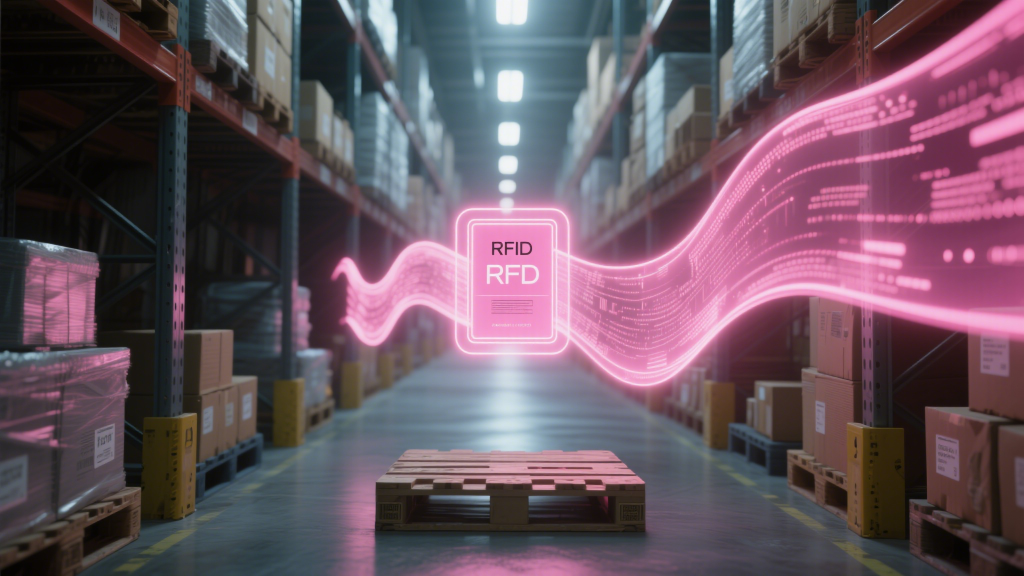
- Real-Time Tracking: RFID tags on pallets and containers transmit location, temperature, and shock data. Huawei’s warehouses reduced inventory errors by 99% using RFID (Logistics Management, 2023).
- Anti-Tampering: Sensors detect unauthorized openings. Pfizer’s vaccine shipments now use RFID-enabled “smart crates” to ensure safety (PharmaTech, 2023).
- Cost Savings: Automated scanning cuts labor costs. Amazon’s RFID system processes 1,000 items/hour—20x faster than manual checks (Supply Chain Dive, 2023).
2. Blockchain: The Trust Machine for Global Trade
- Immutable Records: Every shipment event (customs clearance, port transfers) is timestamped and secured. Maersk’s TradeLens cut document processing from 5 days to minutes (Maersk, 2023).
- Smart Contracts: Payments auto-execute upon delivery. Dimerco’s blockchain platform reduced invoice disputes by 70% (Dimerco, 2023).
- Regulatory Compliance: Shared ledgers simplify audits. China’s Customs clears blockchain-verified shipments 3x faster (China Customs, 2023).

Real-World Success Stories
1. SF Express: Cold Chain Transparency
By combining RFID temperature logs + blockchain, SF reduced pharmaceutical spoilage by 60%. Customers scan QR codes to track shipments from Shenzhen factories to European hospitals (SF Express, 2023).
2. Best Logistics: Fighting Counterfeit Drugs
Best’s blockchain-RFID system assigns unique digital IDs to every drug package. Any mismatch triggers alerts—zero fake drugs reported since 2023 (Best Logistics, 2023).
3. Cainiao (Alibaba’s Logistics Arm): E-Commerce Tracking
Cainiao’s “Global Tracking” uses RFID + blockchain to trace products from Malaysian farms to consumers’ doors. Complaints dropped by 42% (Cainiao, 2023).
Challenges and Future Innovations
Current Barriers
- RFID Costs: Tags range from 0.10to0.10to5 each—too expensive for low-value goods (RFID Journal, 2023).
- Blockchain Fragmentation: Competing protocols (Hyperledger vs. Ethereum) slow adoption (Gartner, 2023).
- Legal Gaps: Only 12% of countries recognize blockchain-based Bills of Lading (WTO, 2023).
The Future: AI, 5G, and IoT
- AI-Powered RFID: Predictive analytics optimize routes. FedEx’s AI improved delivery ETA accuracy to 98% (FedEx, 2023).
- 5G + IoT: Ultra-fast data for perishables. DHL’s 5G warehouses now handle 50,000 RFID scans/second (DHL, 2023).

Conclusion: The End of the “Black Box” Era
When I first tested RFID + blockchain in 2022, a client joked, “Is this tech or magic?” Today, it’s both. The question isn’t if global logistics will adopt transparency tools—it’s how fast.