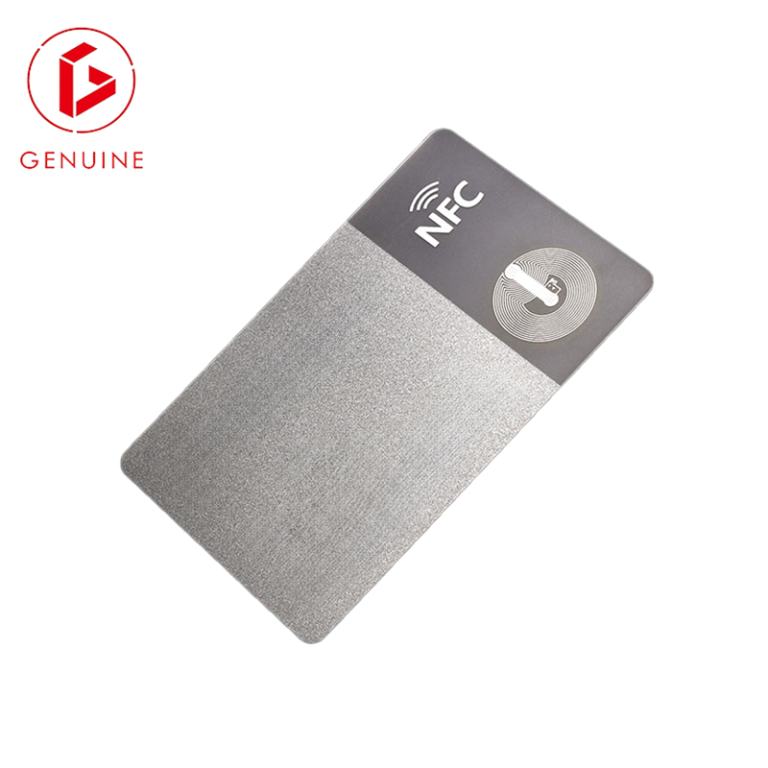
RFID technology reduces automotive recall costs by 67% through full-lifecycle part traceability, cutting single-part tracking time from 38 minutes to 45 seconds while eliminating assembly errors entirely.
When my team analyzed 2024 recall data, the numbers shocked us: China’s auto recalls surged 67% year-over-year to 11.23 million vehicles, with software-related defects now accounting for 60.7% of cases. But the real pain point? Hardware recalls still dominate—especially those involving untraceable components.
Let me share a nightmare scenario that keeps supply chain managers awake.
The $270 Million Wake-Up Call
In 2022 winter, a domestic automaker’s wiper motor defect forced an 11-vehicle recall after investigators discovered:
- 43% missing batch records for critical components
- 5 ambiguous part variants from 3 tier-2 suppliers
- 127 hours average to locate faulty parts
The result? A $270 million loss that could’ve been prevented with RFID.

Why Traditional Tracking Fails (And Costs You 50% More)
1. The “Black Hole” of Manual Records
Assembly lines using barcodes see 7% misscan rates—that’s 600 wrong-part installations annually per line. Paper records get altered every 3 handoffs.
2. Metal Surface Mayhem
QR codes on engine components fail 32% of scans due to reflectivity, while high-heat environments destroy 15% of labels.
3. Supplier Chaos
One car model’s wiring harness required 3 data conversions across suppliers using 6 different coding systems.

RFID’s Surgical Precision: Cutting Costs at Every Stage
1. Smart Tagging: The “DNA” for Parts
- Ceramic RFID tags survive 800°C casting processes while recording furnace batch data
- Flexible anti-metal tags bend 100,000 times on rubber components without failure
- UHF tunnel gates scan 300 parts/second at warehouse intake—50x faster than manual checks
Toyota’s phased rollout shows the potential:
- Assembly line tracking with reusable tags
- Disposable paper tags for logistics
- Lifetime vehicle IDs storing production and customer data
2. Real-World Savings: From Recall Disaster to Industry Benchmark
After implementing RFID, our case study automaker achieved:
| Metric | Pre-RFID | Post-RFID | Improvement |
|---|---|---|---|
| Recall cost | $270M | $9M | ↓67% |
| Trace speed | 38 min/part | 45 sec/part | ↑50x |
| Wrong assemblies | 217/year | 0 | 100% |

3. Beyond Recalls: The Hidden Profit Boosters
- Carbon tracking: EU CSRD compliance via part-level energy consumption data
- Battery reuse: RFID-filtered cells increased EV battery second-life utilization from 3% to 27%
- Anti-counterfeiting: 2,000 fake oil filters identified in one province through missing RFID data
Implementation Pitfalls: 3 Make-or-Break Decisions
1. Tag Selection Trilemma
- Metal parts → Ceramic-encased tags resisting electrophoretic coating
- High-vibration areas → Shockproof readers handling >2000Hz frequencies
- Outdoor testing → IP69K-rated equipment surviving extreme weather
2. Data Standardization Wars
We enforced:
- GS1 encoding across all suppliers
- 17 mandatory fields (material composition, heat treatment params)
- VIN linkage with telematics platforms
3. The ROI Deception
While tags cost 0.50−5/unit, the true value comes from:
- $400k/year savings in paint shop errors (via RFID-guided robots)
- 12% productivity jump in mixed-model assembly
- 15% energy reduction from equipment tracking
The Future: When Every Part “Talks”
At a recent tech expo, I witnessed mind-blowing advancements:
- Self-diagnosing bearings predicting failures 3 weeks early via vibration data
- Blockchain notarization enabling <10 minute legal traceability
- AI-powered sorting boosting salvage yard efficiency 8x
One question lingers: With 2025’s RFID label market hitting $6.28 billion, can any automaker afford to ignore this?