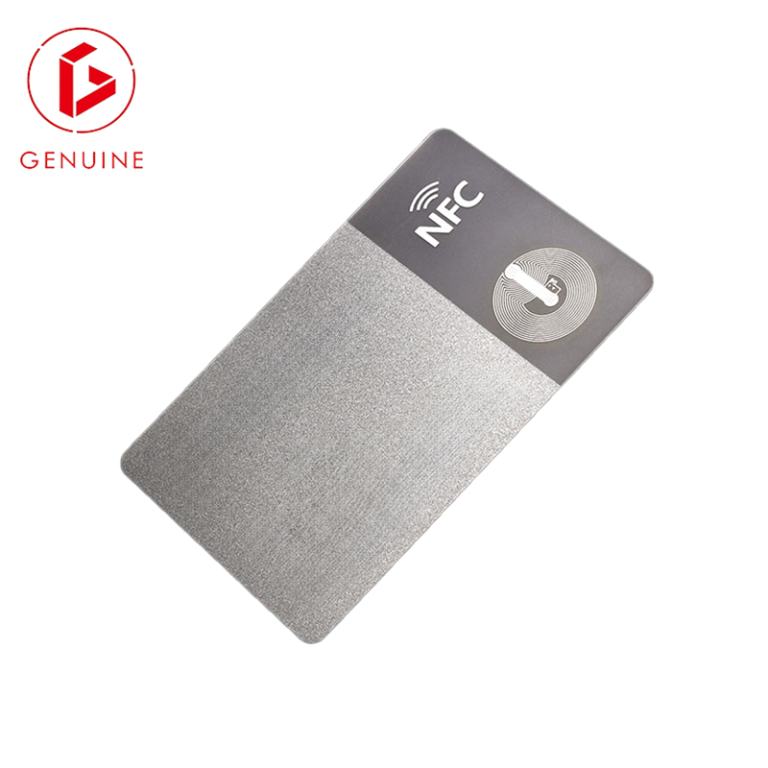
In today’s dynamic business landscape, 78% of organizations plan to adopt digital employee ID systems by 2025. This shift isn’t just a trend—it’s a strategic response to evolving security threats, operational inefficiencies, and branding imperatives. Here’s why investing in a robust ID card system is non-negotiable for modern businesses.
1. Fortified Security & Controlled Access
A reliable ID system acts as your first line of defense. Traditional plastic cards lack the sophistication to counter sophisticated breaches, but modern solutions offer:
- Biometric integration (e.g., fingerprint or facial recognition) to prevent unauthorized access.
- Role-based permissions, ensuring staff enter only authorized zones (e.g., hotel housekeepers accessing guest rooms but not executive offices) .
- Real-time monitoring of entry/exit patterns, instantly flagging anomalies.
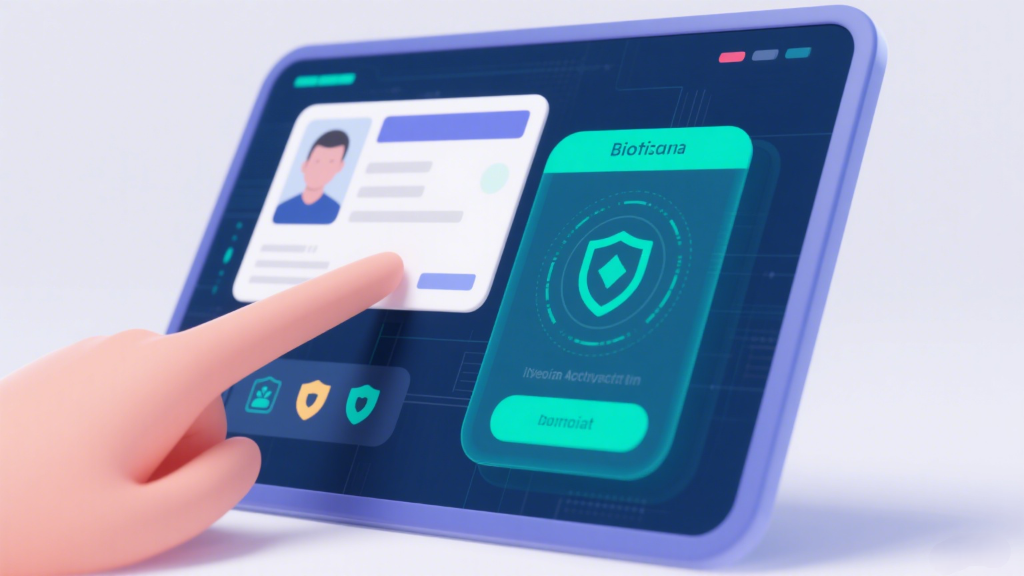
2. Significant Cost & Operational Efficiency
Switching to digital IDs slashes overheads and streamlines workflows:
- Reduce KYC costs by 86% (from £5.00 to £0.70 per employee).
- Automate time tracking and attendance, eliminating manual logs and payroll errors .
- Cut onboarding time by integrating with HR systems for instant credential issuance .
3. Brand Professionalism & Employee Morale
ID cards are silent brand ambassadors:
- Reinforce corporate identity with logos, colors, and designs that project cohesion to clients .
- Boost employee belonging: 67% of hospitality staff report higher pride when wearing professionally designed IDs .

4. Compliance & Risk Mitigation
Digital systems future-proof regulatory adherence:
- Meet eIDAS standards for data protection in the EU.
- Audit trails simplify compliance reporting for regulations like GDPR.
- Exclusion risk management: Biometric alternatives ensure accessibility for diverse groups (e.g., remote workers or people with disabilities).
5. The Digital Advantage
Forward-thinking businesses leverage smart IDs for:
- Mobile integration: Employees use smartphones for contactless access.
- Multi-functionality: Combine physical access, equipment permissions (e.g., printers), and digital signatures.
- Scalability: Cloud-based systems adapt to remote work and global teams.
Key Considerations for Implementation
- Prioritize inclusivity: Ensure biometric options work for diverse users (e.g., those with disabilities).
- Balance security and privacy: Encrypt data end-to-end and limit storage to essential details.
- Phase deployments: Start high-risk departments (e.g., R&D labs) before company-wide rollout.
Conclusion
ID systems have evolved from simple photo badges to strategic tools driving security, efficiency, and culture. With 26% higher profitability reported by adopters, the ROI extends beyond cost savings. As cyber threats escalate and hybrid work normalizes, delaying this transition risks both security and competitive relevance.