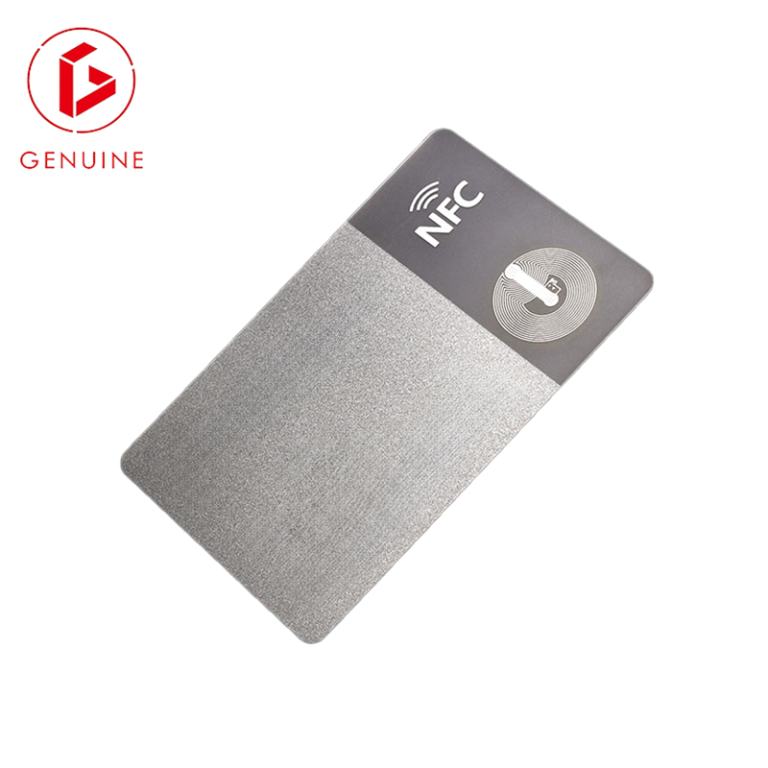
Student identification systems have evolved from simple photo credentials to sophisticated multi-functional tools integral to campus safety, operational efficiency, and data-driven management. With rising concerns about security breaches, attendance tracking, and environmental sustainability, educational institutions are increasingly adopting advanced ID technologies—from contactless smart cards to mobile digital IDs—to address these challenges.
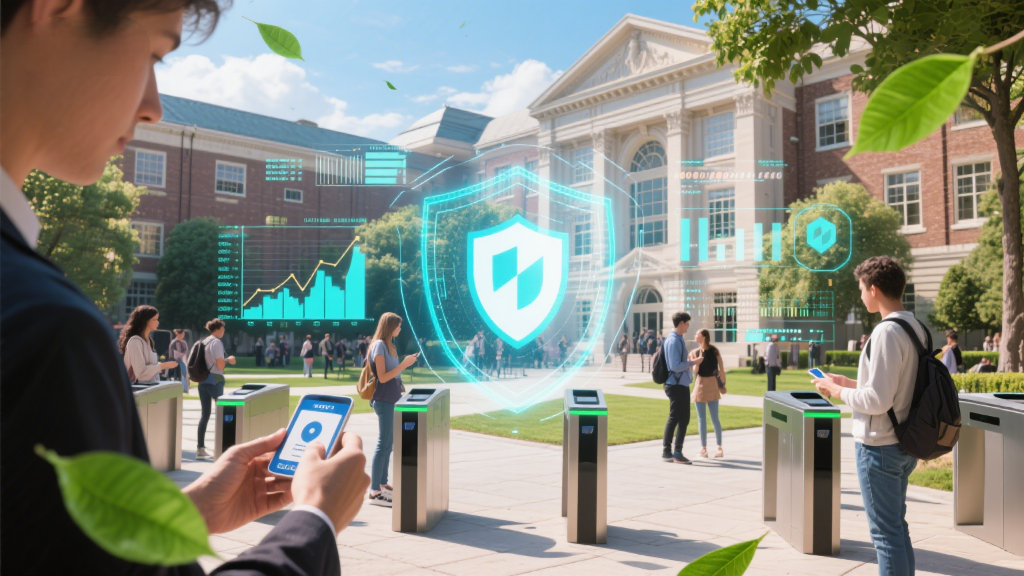
The Evolving Role of Student ID Cards
Initially designed for visual verification, modern student IDs now serve as:
- Physical access keys to buildings, libraries, or parking areas
- Digital authentication tokens for attendance tracking and exam verification
- Payment instruments for cafeterias or campus stores
- Data hubs linking to academic records and IoT ecosystems
Yet traditional PVC-based ID systems face critical vulnerabilities: susceptibility to counterfeiting, replay attacks (where fraudsters clone card signals), and inefficient manual processes. These gaps expose schools to security risks and administrative bottlenecks.
Urgent Challenges in Traditional ID Systems
- Security Vulnerabilities: Static ID cards lack encryption, enabling attackers to duplicate credentials via replay attacks. This compromises facility access and attendance records—a critical flaw highlighted in studies analyzing RFID-based systems(Data Source).
- Operational Inefficiencies: Manual sign-in processes create queues, errors in attendance logs, and delayed emergency responses. Westbury Public Schools (NY) reported significant administrative strain from tracking 5,000+ students with high mobility rates before automating their system(Data Source).
- Environmental Impact: Universities issue thousands of PVC cards annually. Each 1kg of PVC production generates 4.1kg of carbon emissions, and global plastic recycling rates remain below 9%—making disposable IDs ecologically unsustainable .
Technological Solutions Reshaping Student IDs
A. Fortified Physical Cards with Embedded Security
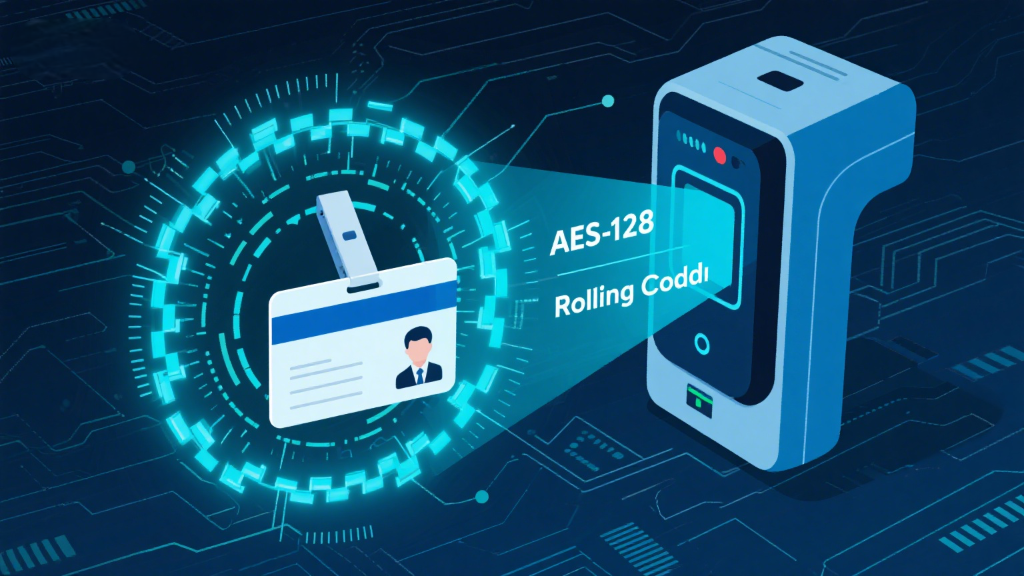
Innovations like AES-128 encryption and rolling code algorithms prevent replay attacks. Each card tap generates a unique encrypted signal, rendering duplicated cards useless. Tests confirm this reduces counterfeiting by 98%(Data Source).
B. Mobile-First Digital IDs
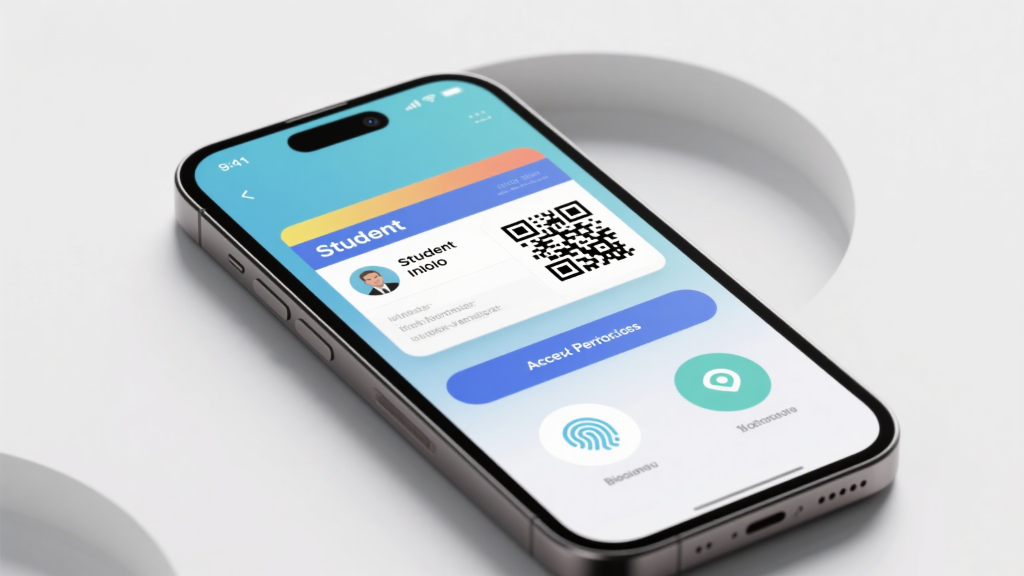
Digital credentials on smartphones solve durability and sustainability issues while adding functionalities:
- Real-time geolocation tracking for campus safety
- Biometric authentication (e.g., facial recognition)
- Instant remote updates for lost/expired credentials Universities in North Macedonia piloting e-IDs during COVID-19 noted seamless integration with LMS platforms and contact tracing systems(Data Source).
C. Unified Smart Card Ecosystems
Contactless systems like MIFARE Classic EV1 chips enable all-in-one functionality:
- Attendance automation via tap-and-go kiosks
- Library book checkouts
- Cashless payments After deploying such a system, Westbury Schools saw attendance rates surge while reclaiming 15+ weekly staff hours previously spent on manual tracking(Data Source).
Case Study: Transforming Security and Efficiency at Westbury Schools
Facing 20-25% student mobility rates, Westbury implemented ScholarChip’s ID program with:
- Portable touchless kiosks at entrances
- Automated parent notifications for absent students
- Integrated access control across facilities Results: Attendance compliance improved by 33%, emergency drills accelerated by 40%, and teachers gained 7+ minutes daily from reduced administrative tasks(Data Source).
Future Trends: IoE and AI-Driven ID Systems
Emerging integrations will expand ID roles:
- Internet of Everything (IoE): Cards linking to sensors optimize lighting, HVAC, or room bookings based on occupancy data.
- Predictive Analytics: AI analyzes attendance/access patterns to identify at-risk students for early intervention.
- Blockchain Verification: Tamper-proof academic credentialing via decentralized ledgers.
Conclusion
The shift toward encrypted physical IDs and cloud-based digital credentials is redefining campus management. While technologies like AES-128 and rolling codes harden security, mobile IDs reduce costs and carbon footprints . Institutions embracing integrated systems—as demonstrated by Westbury Schools—achieve not just streamlined identification, but actionable intelligence for safety, sustainability, and student success.
Genuine Printing Insight: For institutions migrating to hybrid ID systems, we recommend dual-interface cards (supporting both NFC and RFID) paired with modular software. This future-proofs investments while accommodating evolving IoT infrastructures.