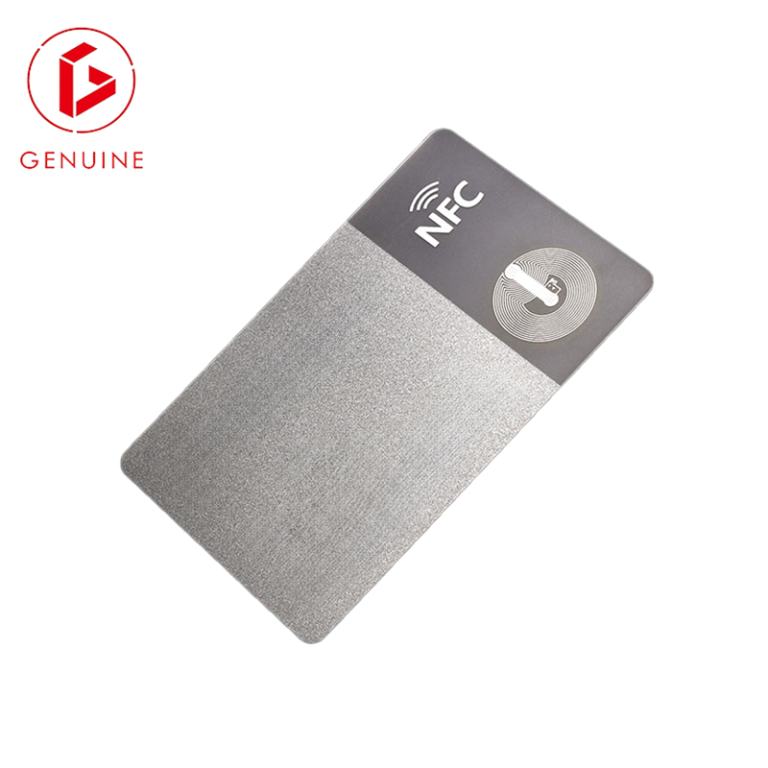
Student ID cards used to be a photo and a name on plastic. Today they are the front door to your campus — access, attendance, meals, library, and emergency response all run through that one card. Buy the wrong one and you inherit counterfeit risk, replay attacks, and PVC you cannot recycle. This guide shows what a modern education ID should do, and how to specify one that protects students without bloating your budget.
Why Student IDs Became a Campus Security Problem
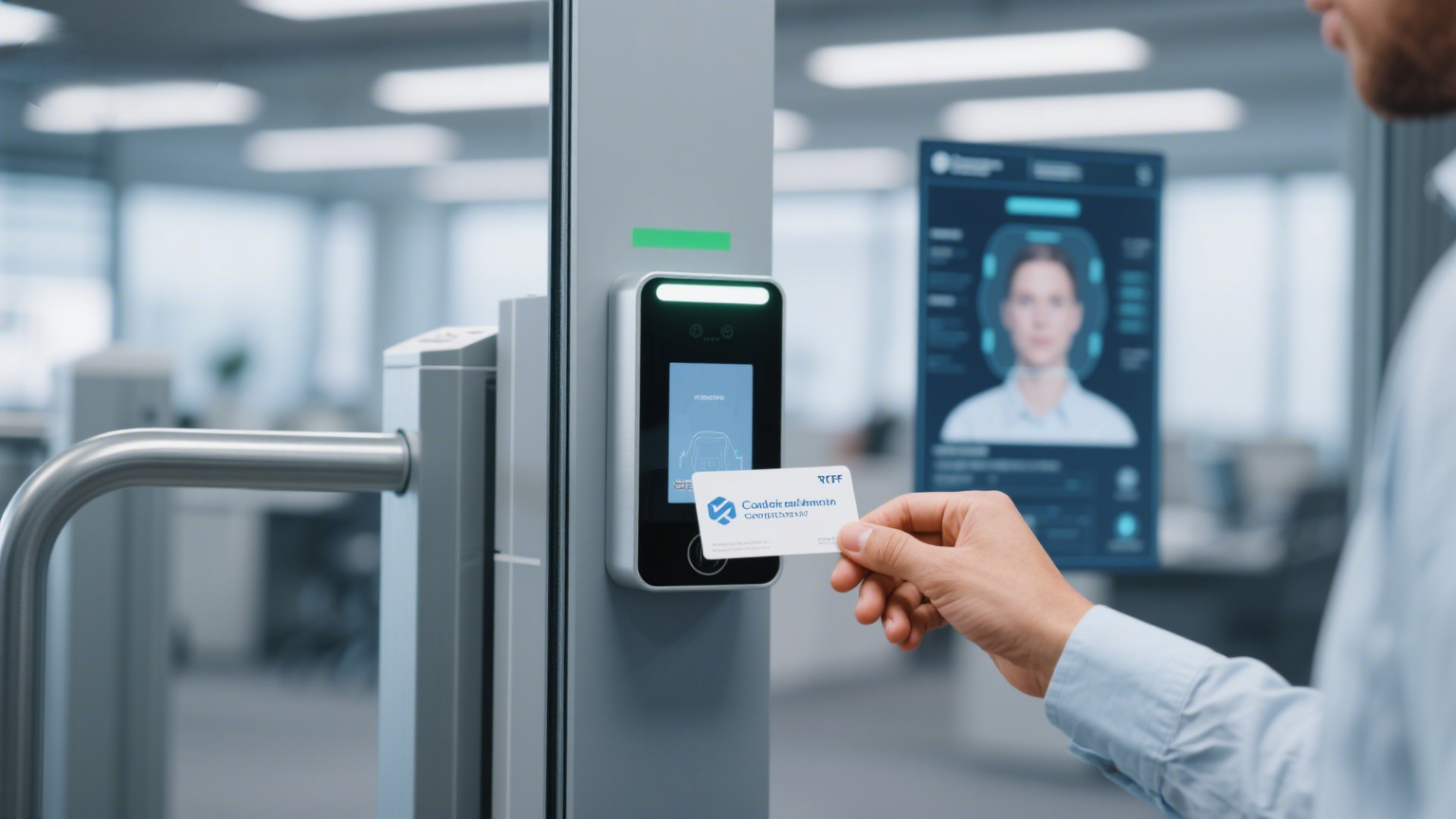
Schools stopped treating IDs as badges and started treating them as credentials. A 2023 study of RFID-based systems found that static, unencrypted cards can be cloned by replaying the signal captured at a reader — no physical theft required. Once a duplicate works at the door, your attendance log and facility access are both compromised. Manual sign-in lines add errors and slow emergency roll-calls, and the thousands of PVC cards a mid-size university issues each year are hard to justify (roughly 4.1 kg of CO₂ per 1 kg of PVC, with plastic recycling stuck below 9%). The buyer’s problem is no longer “print a card” — it is “issue a credential you can trust.”
What a Modern Student ID Actually Does
Map the jobs the card must perform — most campuses need four:
- Physical access — buildings, labs, libraries, dorms, and parking, often with time-of-day rules.
- Digital authentication — tap-to-mark attendance, exam identity checks, single sign-on.
- Payment — cafeterias, bookstores, vending, with limits and parent-linked top-ups.
- Data hub — the student record, and IoT systems that tune lighting, HVAC, and room bookings by occupancy.
A card that does only one of these means issuing two or three per student. The goal is one credential, one policy — see what makes an ID card system genuinely reliable.
The Real Cost of Sticking with Plain PVC Cards
Plain PVC looks cheap on the purchase order and expensive everywhere else. It carries no encryption, so a cloned signal defeats it; it has no unique per-tap credential, so replay attacks succeed; and it cannot be revoked remotely, so a lost card stays valid until collected. Paper sign-in sheets add attendance errors and delay the emergency head-counts safety audits care about most. Total the re-issue volume, help-desk time, and risk, and the “budget” card is the most expensive option on the table. For a structured way to match features to risk, read our ID card security tiers guide.
Three Technologies Reshaping Student IDs
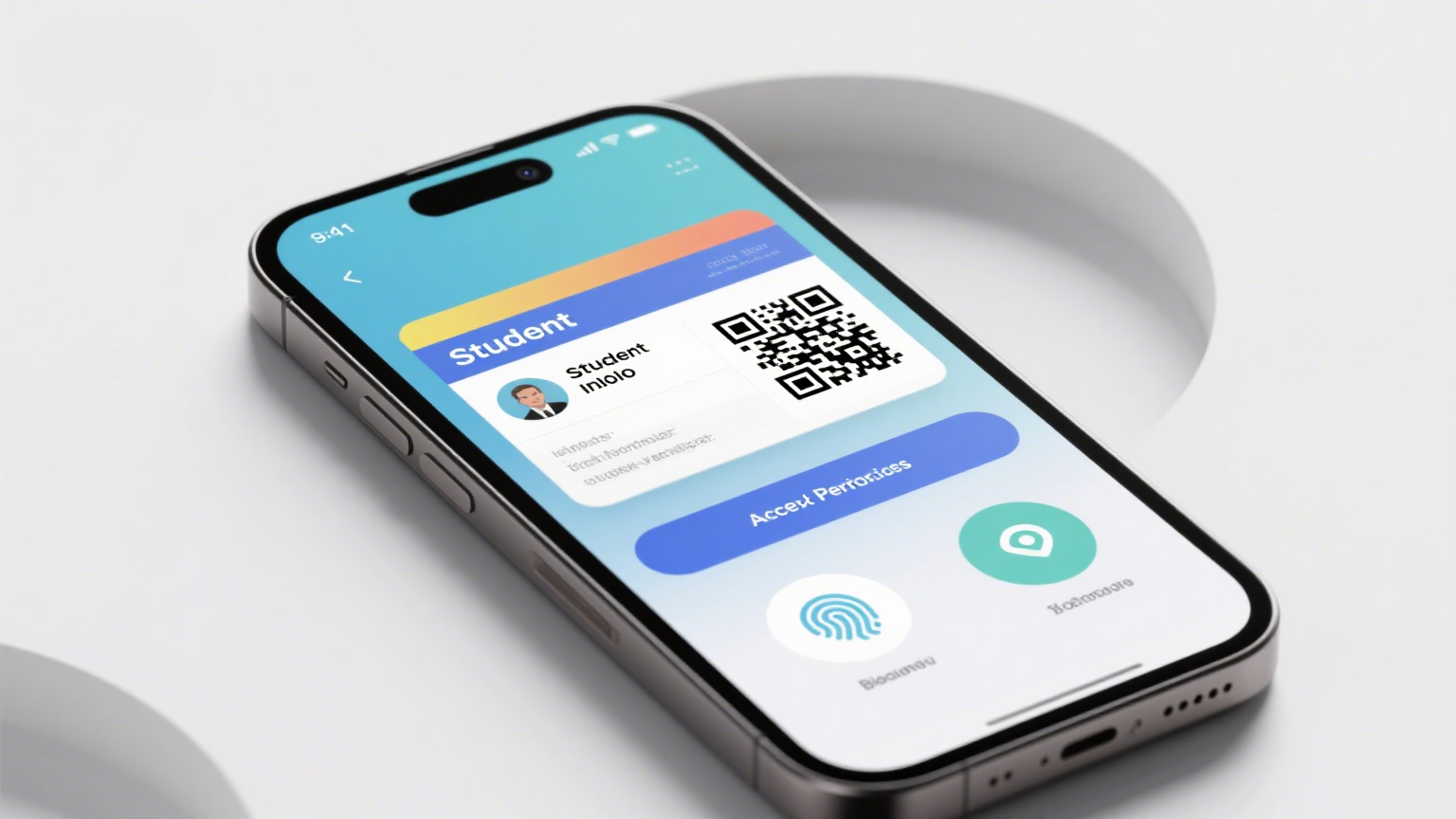
Three approaches dominate campus ID programs:
- Encrypted physical cards. AES-128 with a rolling code means each tap emits a one-time encrypted signal, so a captured signal cannot be replayed. Tests report counterfeiting cut by about 98% (NIST FIPS 197 defines AES).
- Mobile-first digital IDs. The credential lives on the student’s phone: real-time location for safety, biometric unlock, and instant remote revocation for lost or expired cards. COVID-19 pilots slotted into LMS and contact-tracing systems.
- Unified smart-card ecosystems. A contactless chip such as MIFARE Classic EV1 (ISO/IEC 14443-1) folds attendance, library loans, and cashless payment into one tap.
Most campuses now run a hybrid: a dual-interface card (NFC + RFID) for everyday tapping, plus a mobile ID for students who lose the physical one — the mix we recommend for institutions future-proofing against IoT building services.
Case Study: Westbury Schools Reclaimed 15+ Staff Hours a Week

Westbury Public Schools (NY) faced 20–25% student mobility across 5,000+ learners, which made manual tracking a permanent tax. They deployed ScholarChip’s ID program with portable touchless kiosks, automated parent absentee notifications, and integrated access control. The numbers a procurement committee weighs: attendance compliance up 33%, emergency drills 40% faster, and 7+ minutes of teacher time returned per day — about 15+ staff hours reclaimed weekly. The lesson is not “buy the fanciest chip”; it is that a credential tied to automated workflows pays back in hours, not just security.
How to Spec an Education ID Card (RFQ Checklist)
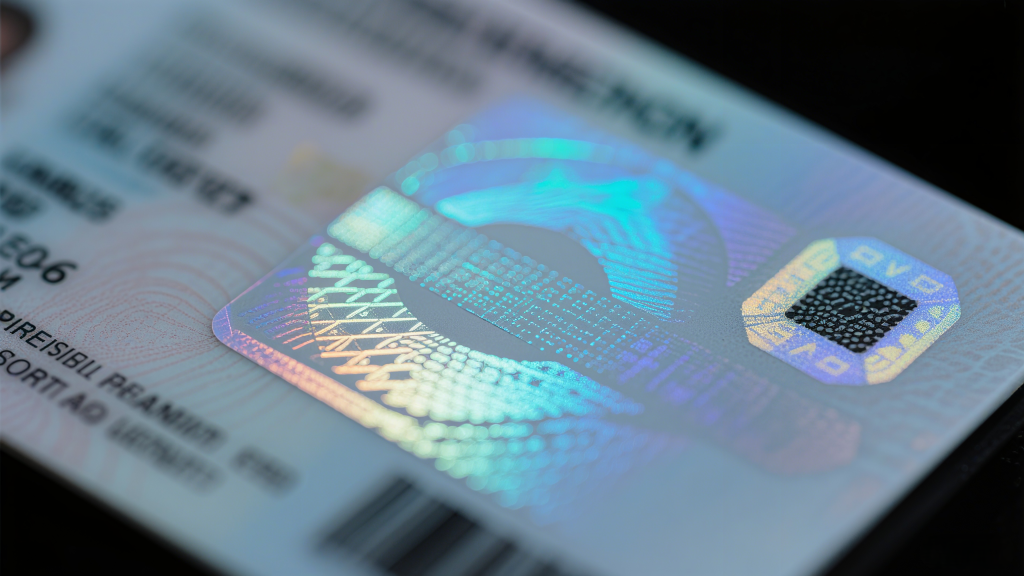
When you request quotes, hand suppliers a spec rather than a vague “student ID.” Cover these five points:
- Interface — NFC, RFID, or dual-interface; state the reader standard (ISO/IEC 14443 for contactless).
- Encryption — require AES-128 plus a rolling/one-time code to defeat replay.
- Physical security — watermark, hologram overlay, or UV print for visual checks (see our high-security ID procurement guide).
- Durability — PVC, composite, or polycarbonate; match to lifecycle and re-issue volume.
- Lifecycle — remote revocation, bulk encode, sample-approval before full production.
A clear spec compares vendors on like-for-like cost instead of marketing. If the card must also open the library, start from the RFID smart-library playbook so one credential serves both doors.
Choosing a Supplier That Won’t Let You Down
The card is only as trustworthy as the line that printed it. Before committing, verify certified substrate and chip sourcing, in-house personalization (so student data stays in-house), encryption key-handling, and a track record of large runs without field failures. Ask for physical samples you can test on your own readers before sign-off — a 30-minute bench test beats a 30,000-card recall.
Frequently Asked Questions
Are encrypted student ID cards worth the higher unit cost?
Usually yes. The premium per card is small against a cloned-credential breach, PVC re-issue volume, and the staff hours saved by automated attendance. AES-128 with rolling codes removes the replay risk that makes cheap static cards a liability.
Should we issue physical cards, mobile IDs, or both?
Both, for most campuses. A dual-interface physical card covers everyday tapping; a mobile ID covers the student who lost the card and needs instant revocation, and hedges you against future IoT building services.
How do we stop replay attacks on contactless IDs?
Require per-tap dynamic authentication — a rolling or one-time code encrypted with AES-128 — so a captured signal cannot be reused. Static, unencrypted cards should be ruled out of the spec entirely.
What standard should our cards comply with?
For physical dimensions and durability, ISO/IEC 7810; for contactless operation, ISO/IEC 14443-1. Specifying these keeps you compatible with commodity readers and off-the-shelf enrollment software.
Next Steps: Get a Sample Card on Your Readers
You do not need to finalize the architecture on paper. Send us your use cases — access zones, attendance, payments, library — and we will propose a dual-interface education ID with AES-128 rolling-code security, ship physical samples you can test on your own readers, and walk your team through an RFQ that holds suppliers to ISO/IEC 7810 and 14443. Request a sample review to shorten your rollout.