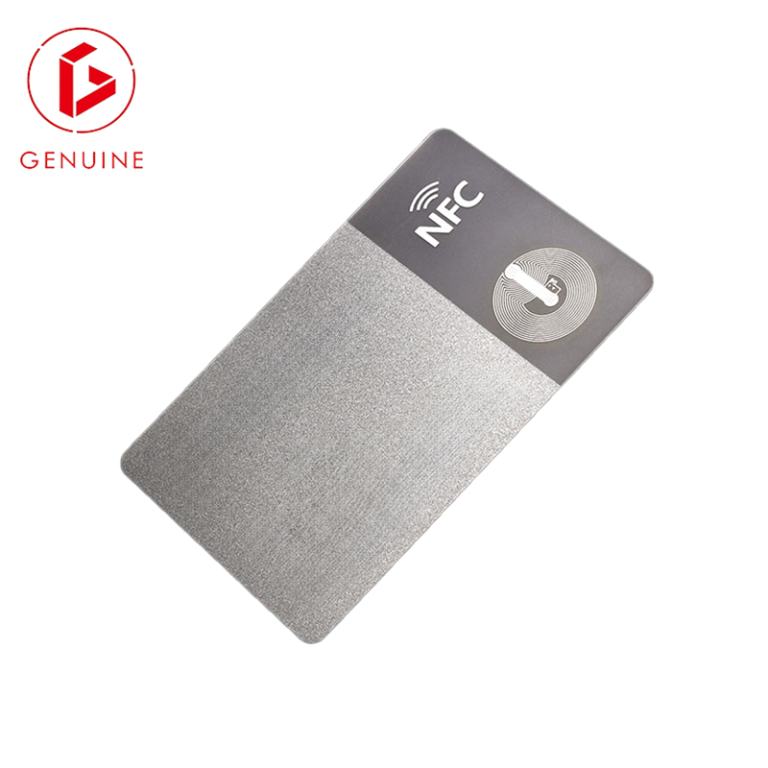
Radio Frequency Identification (RFID) tags are revolutionizing industries by enabling seamless tracking, identification, and data management. From retail inventory to healthcare systems, these tiny yet powerful devices are reshaping how we interact with objects and information. In this comprehensive guide, we’ll explore what RFID tags are, how they work, their applications, and why they’re becoming indispensable in our increasingly connected world.
Understanding RFID Technology
RFID stands for Radio Frequency Identification, a wireless communication system that uses electromagnetic fields to automatically identify and track tags attached to objects. Unlike traditional barcodes, RFID tags don’t require line-of-sight scanning, enabling faster and more flexible data capture.
An RFID tag is a tiny electronic device composed of two key components:
- A microchip that stores data (e.g., unique identification codes, product details).
- An antenna that transmits and receives radio signals from an RFID reader.
When the tag enters the reader’s electromagnetic field, it draws power (for passive tags) or uses its battery (for active tags) to send stored data back to the reader. This data is then processed by backend systems for real-time tracking, authentication, or analytics.
Types of RFID Tags
RFID tags are categorized based on power source, frequency, and design, each suited to specific use cases:
1. Passive vs. Active Tags
- Passive RFID Tags:
- No internal battery; powered by the reader’s radio waves.
- Lower cost, smaller size, and virtually unlimited lifespan.
- Ideal for retail inventory, access cards, and supply chain logistics.
- Active RFID Tags:
- Battery-powered, enabling longer read ranges (up to 100+ meters).
- Used for high-value asset tracking (e.g., shipping containers, vehicles).
2. Frequency Bands
- Low Frequency (LF): 125–134 kHz
- Short range, excellent for animal tracking and metal environments.
- High Frequency (HF): 13.56 MHz
- Common in payment systems (e.g., contactless cards) and library management.
- Ultra-High Frequency (UHF): 860–960 MHz
- Long read range, ideal for retail inventory and industrial applications.
- Microwave: 2.45 GHz
- Used in specialized scenarios like toll collection and real-time locating systems.
3. Specialized Designs
- Anti-Metal Tags: Engineered to work on metallic surfaces (e.g., machinery, medical devices).
- Flexible Tags: Thin, adhesive labels for clothing, packaging, and documents.
- Rugged Tags: Encased in durable materials for harsh environments (e.g., construction, oil and gas).
How RFID Tags Are Transforming Industries
From retail to healthcare, RFID tags are driving efficiency and innovation:
1. Retail and Supply Chain
- Inventory Management: Automate stock counts with UHF tags, reducing labor costs and errors.
- Anti-Theft Systems: Embedded tags trigger alarms if unpaid items exit stores.
- Smart Shelves: Detect out-of-stock items in real time and streamline restocking.
2. Healthcare
- Patient Safety: Wristbands with RFID ensure accurate medication administration and prevent mismatches.
- Equipment Tracking: Locate critical devices like defibrillators instantly.
3. Manufacturing and Logistics
- Work-in-Progress Tracking: Monitor components through assembly lines.
- Container Management: Track global shipments using active tags.
4. Smart Cities and Transportation
- Toll Collection: RFID-enabled windshield tags (e.g., ETC systems) enable seamless payments.
- Public Transit: Contactless cards (HF tags) simplify fare collection
Advantages Over Traditional Barcodes
| Feature | RFID Tags | Barcodes |
|---|---|---|
| Line of Sight | Not required | Required |
| Data Storage | Up to 8 KB; rewritable | Limited to 20–25 characters |
| Durability | Resistant to dirt, moisture, and wear | Easily damaged |
| Scanning Speed | Read hundreds of tags per second | One item at a time |
| Security | Encrypted data; tamper-evident options | Easily copied |
This efficiency makes RFID ideal for dynamic environments like warehouses and hospitals.
Advantages of RFID Tags
- Non-Line-of-Sight Scanning: Read multiple tags simultaneously, even through packaging.
- Durability: Withstand extreme temperatures, moisture, and physical stress.
- Data Capacity: Store more information than barcodes, including timestamps and sensor data.
- Security: Advanced tags support encryption to prevent counterfeiting.
Challenges and Considerations
While powerful, RFID adoption requires addressing:
- Environmental Interference: Metals and liquids can disrupt UHF signals.
- Cost: Active tags and specialized readers involve higher upfront investments.
- Privacy Concerns: Unauthorized scanning of unprotected tags raises data security issues.
To mitigate these, choose tags tailored to your environment (e.g., anti-metal tags for machinery) and implement encryption protocols.
The Future of RFID Tags
Emerging trends are shaping the next generation of RFID:
- Miniaturization: Nano-sized tags for pharmaceuticals and tiny components.
- Sensor Integration: Tags with temperature, humidity, or shock sensors for perishable goods.
- Sustainability: Biodegradable materials to reduce e-waste.
Conclusion
RFID tags are far more than simple replacements for barcodes. They’re versatile tools enabling smarter inventory management, safer healthcare, and efficient logistics. As technology evolves, RFID will continue to bridge the physical and digital worlds, unlocking new possibilities across industries.
Whether you’re a retailer optimizing stock levels or a manufacturer tracking high-value assets, understanding RFID tags is key to staying competitive in our data-driven era.